Underbody Coating
UNDERBODY COATING
Underbody coating otherwise called Undersealing is the process of spraying or coating a film of material in order to protect the metal or alloy components that are exposed to the road surface.
Most common problems faced by the underbody metal components are -
- Corrosion - This is caused because of the monsoons. The car being constantly driven on wet surfaces means prolonged exposure of the metal components to water. And it is only logical that the metal components get corroded.
- Chipping - This is another problem faced by underbody components. Chipping is basiclly when the small rocks or other hard particles on the road get agitated and hit the underbody of the car, resulting in contact and loss of metal and or or paint. This leads to lowering the life of the components.
- Scraping - Specially in Indian markets where roads are constantly damaged due to untimely rains and unsusually high speed breakers, the underbody of the car is under a constant threat of getting scraped. At the moment, it might feel harmless, but the scraping can cause a loss of paint on the underbody components and thus expose those components to atmosphere. And overtime, the exposed components start to corrode and this could be a problem in the longer run and could lead to very costly repair jobs.
The pictures of the above said problems can be seen below -
1. Corrosion
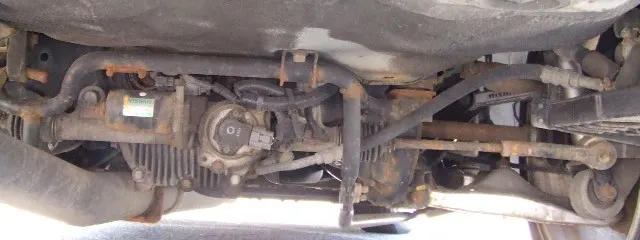
2. Chipping
3. Scraping
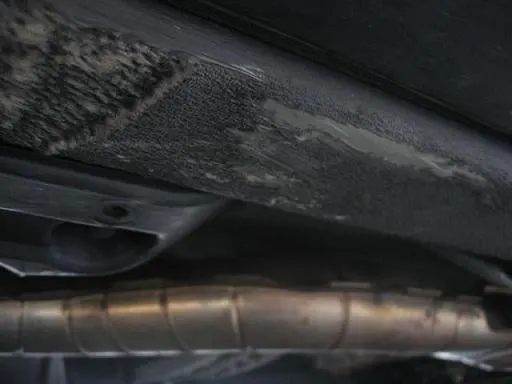
In the end, all the factors ultimately lead to corrosion of the underbody and very costly repair jobs.
PURSPOSES -
- Corrosion - As studied above, Corrosion is the prime reason for applying this coating.
- Road Noise (Sound Insulation) - The lack of an extra layer of coating beneath the car also reducces the insulation of the cabin with respect to the environment and thus the cabin gets noisy.
- Heat Insulation - Along with sound insulation, the protective layer also provides heat insulation (even if the effect is minimal, it exists).
So, in order to overcome these problems, we use a protective film called Undercoating or Underseal. Different car brands apply a different thickness of coatings based on the country standards and also on cutting costs. These coatings generally range from a few tens of microns to a few millimeters.
There are different ways to apply this protective coating. They are -
- Bitumen - This is the same material used to hold together roads. This is the cheapest variant out there. This isn't very smooth or good looking but it looks out for the parts pretty well. It lasts a couple of years. This was used back in the days.
- Wax-type Underseals - These have the ability to self-heal and thus last longer than the bitumen ones. But as these are made of paraffin, they're prone to melting at high temperatures. This might lead to uneven coating distribution.
- Chemical mixture - This involves usage of a mixture of different chemicals. They usually mix corrosion prevention chemicals with rust conversion chemicals. These are more expensive but work better and for a longer time.
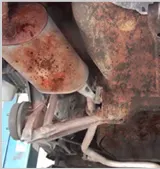
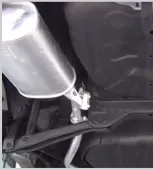
And here's a picture of a "before and after" of a Car underbody -