Underbody Coating
UNDERBODY COATING
Underbody coating is a protective layer applied to the underside of a vehicle to safeguard it against corrosion and damage from road debris, moisture, and other environmental factors. It acts as a barrier, preventing water, salt, and dirt from reaching the vulnerable metal components underneath the vehicle. There are different types of underbody coatings available, each with its own characteristics, pros, and cons. Let's explore them in detail:
- Tar-Based Underbody Coating:
Tar-based underbody coating, also known as bitumen-based underbody coating, is a type of protective coating applied to the underside of a vehicle. It is formulated using a mixture of tar, bitumen, and other additives to provide a durable and corrosion-resistant layer.
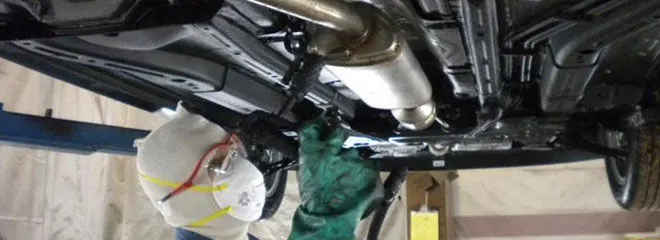
Here is a more detailed explanation of tar-based underbody coating:
- Composition:
Tar-based underbody coatings are typically made by blending tar or bitumen, a viscous, black, sticky substance derived from petroleum, with other additives.
The additives can include polymers, fillers, solvents, and rust inhibitors.
These components enhance the coating's adhesion, durability, and resistance to corrosion.
- Properties and Benefits:
Corrosion Protection: Tar-based underbody coatings form a protective barrier against moisture, road salt, and other corrosive elements, preventing rust and corrosion from forming on the metal surfaces.
Sound Deadening: The thick, tar-based coating can help reduce road noise and vibrations, resulting in a quieter and more comfortable driving experience.
Water Resistance: The impermeable nature of tar makes the coating highly resistant to water penetration, protecting the underbody from water damage.
Adhesion and Durability: Tar-based coatings have good adhesion to the metal surfaces and can withstand harsh conditions, including high temperatures, impacts, and abrasions.
Cost-Effective: Tar-based coatings are generally more affordable compared to some other types of underbody coatings, making them a popular choice.
- Maintenance:
Over time, the tar-based coating may become brittle or develop cracks due to exposure to UV rays, temperature fluctuations, and road debris. Regular inspection is recommended to identify any damage or deterioration.
If any cracks or thin areas are detected, the coating should be repaired or reapplied to ensure continued protection.
It's important to note that tar-based underbody coatings can be messy during application and removal can be difficult if necessary for repairs or modifications.
- Pros:
- Offers excellent protection against rust and corrosion.
- Provides sound deadening properties, reducing road noise.
- Relatively affordable compared to other types.
- Cons:
- Can be messy during application.
- Over time, it may become brittle and prone to cracking or peeling.
- Difficult to remove if needed for repairs or modifications.
- Wax-Based Underbody Coating:
Wax-based underbody coating is a type of protective coating applied to the underside of a vehicle. It is formulated using a blend of waxes, oils, and solvents to create a durable and flexible layer.
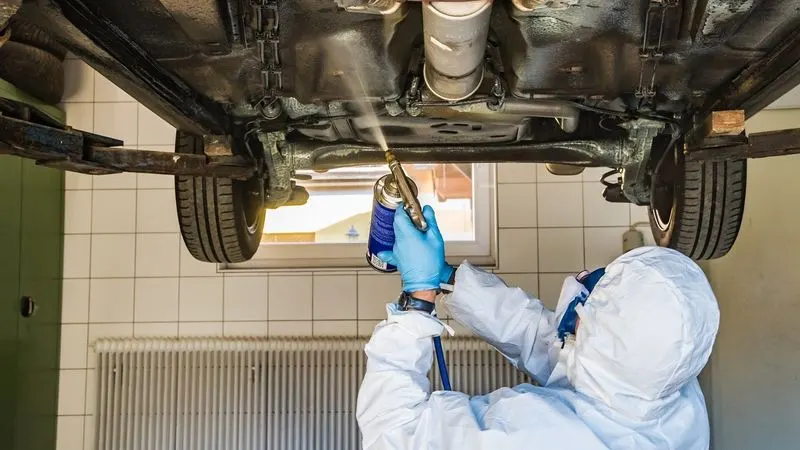
Here is a more detailed explanation of wax-based underbody coating:
- Composition:
Wax-based underbody coatings are typically made from a mixture of natural or synthetic waxes, such as carnauba wax or polymer-based waxes.
The formulation also includes oils and solvents that help in the application and drying process.
Some wax-based coatings may contain additives like corrosion inhibitors or UV stabilizers to enhance protection and longevity.
- Properties and Benefits:
Corrosion Protection: Wax-based coatings create a protective barrier that seals out moisture and prevents rust and corrosion from developing on the metal surfaces.
Flexibility and Self-Healing: The wax-based coating forms a flexible layer that can absorb impacts and vibrations. It also has self-healing properties, where minor scratches or abrasions can be filled in by the wax, restoring the coating's integrity.
Water Repellency: The hydrophobic nature of wax repels water, preventing it from seeping into the underbody and causing damage.
Ease of Application and Reapplication: Wax-based coatings are generally easy to apply and can be reapplied if necessary to maintain the protective layer.
Compatibility with Other Coatings: Wax-based coatings can be applied over existing underbody coatings or other paint protection films without causing any compatibility issues.
Sound Deadening: The wax-based coating can help reduce road noise and vibrations, resulting in a quieter driving experience.
- Maintenance:
Wax-based coatings may require periodic reapplication to maintain their effectiveness, especially in regions with harsh weather conditions or frequent exposure to road salt.
Regular inspections are recommended to check for any areas where the coating may have worn thin or been damaged. Touching up or reapplying the coating can help maintain protection.
It's important to note that the specific formulation and characteristics of wax-based underbody coatings can vary between brands and products. Following the manufacturer's instructions and recommendations for application, drying time, and maintenance is essential for optimal results and long-lasting protection.
- Pros:
- Forms a durable and flexible protective layer.
- Provides good resistance against moisture and corrosion.
- Can self-heal minor scratches or abrasions.
- Easy to apply and reapply if necessary.
- Cons:
- May need periodic reapplication to maintain effectiveness.
- Can melt or soften under high temperatures, potentially causing dripping.
- Limited protection against impact or heavy-duty off-road conditions.
- Rubberized Underbody Coating:
Rubberized underbody coating is a type of protective coating applied to the underside of a vehicle. It is formulated using rubber or synthetic polymers to create a durable and flexible layer.
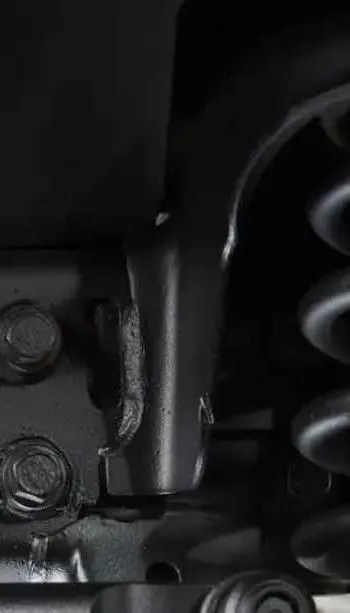
Here is a more detailed explanation of rubberized underbody coating:
- Composition:
Rubberized underbody coatings are typically made from a blend of rubber or synthetic polymers, such as polyurethane or polyurea.
The formulation may also include additives like fillers, solvents, and adhesion promoters to enhance the coating's properties and performance.
- Properties and Benefits:
Corrosion Protection: Rubberized coatings form a protective barrier that seals out moisture and prevents rust and corrosion from developing on the metal surfaces. The flexible nature of rubber allows the coating to withstand impacts and vibrations without cracking or peeling.
Durability and Flexibility: Rubberized coatings are known for their durability and flexibility, which allows them to withstand harsh conditions, impacts, and abrasions. They can expand and contract with temperature changes without losing their protective properties.
Sound Deadening: The thick, rubberized coating can help reduce road noise and vibrations, resulting in a quieter driving experience.
Water Resistance: Rubberized coatings are highly water-resistant, providing a reliable barrier against water and moisture penetration into the underbody.
Impact Resistance: The cushioning effect of rubberized coatings helps absorb impacts from rocks, debris, and road hazards, providing an additional layer of protection for the underbody.
Chemical and UV Resistance: Rubberized coatings are generally resistant to chemicals, oils, and UV rays, providing long-lasting protection against various environmental factors.
Adhesion: Rubberized coatings have good adhesion to metal surfaces, ensuring long-term adherence and effectiveness.
- Maintenance:
Rubberized coatings are designed to be long-lasting and require minimal maintenance. However, regular inspections are recommended to check for any signs of damage or wear.
If any areas of the coating have worn thin or been damaged, they can be touched up or repaired using suitable rubberized coating products.
It's important to note that the specific formulation and characteristics of rubberized underbody coatings can vary between brands and products. Following the manufacturer's instructions and recommendations for application, drying time, and maintenance is essential for optimal results and long-lasting protection.
- Pros:
- Offers excellent durability and flexibility.
- Provides a thick, cushioning layer for impact protection.
- Resistant to moisture, salt, and chemicals.
- Helps reduce road noise.
- Cons:
- Relatively expensive compared to other options.
- Can add weight to the vehicle.
- Requires professional application for proper coverage and adhesion.
It's important to note that underbody coatings are typically applied during the manufacturing process or as an aftermarket treatment. The effectiveness and durability of the coating can vary depending on the quality of the product and the application process. Regular inspection and maintenance are still necessary to ensure the coating remains intact and effective.
Overall, the primary benefits of underbody coatings include protection against corrosion, improved durability, and reduced road noise. However, drawbacks may include application challenges, periodic maintenance requirements, and potential difficulties in removing the coating if needed.
The process of underbody coating typically involves several steps. Here is a general overview of the process:
- Preparation:
- Clean the underbody of the vehicle thoroughly to remove any dirt, grime, or rust.
- Ensure that the underbody is completely dry before applying the coating. - Masking and Protection:
- Mask off any areas that should not be coated, such as exhaust components or sensitive electrical connections.
- Cover vulnerable components, such as brake lines and fuel lines, to protect them from the coating. - Application:
- Select the appropriate type of underbody coating based on your preferences and requirements.
- Apply the coating evenly to the entire underbody using a spray gun or brush. Ensure that all areas are adequately covered, including the wheel wells, frame, suspension components, and exposed metal surfaces.
- Pay special attention to hard-to-reach areas and crevices where corrosion is more likely to occur. - Drying and Curing:
- Allow the coating to dry and cure according to the manufacturer's instructions. This may involve air drying or using heat lamps to expedite the process.
- Follow the recommended curing time to ensure that the coating forms a strong bond and provides effective protection. - Inspection and Touch-Up:
- Inspect the coated underbody to ensure that all areas are adequately covered and there are no missed spots or thin areas.
- If necessary, apply additional coats or touch up any areas that require extra protection.
It's worth noting that the specific process and products used for underbody coating can vary depending on the brand, type of coating, and application method.