Benchmarking
AIM: DETAILED REPORT ON BENCHMARKING
To prepare a report explaining what is Benchmarking, compare at least 4 Vehicles and provide a proper conclusion for the report, suggesting a suitable vehicle among the comparisons made.
What is Benchmarking?
Benchmarking of cars refers to the process of comparing and evaluating different car models or brands against each other based on specific criteria or benchmarks. The goal is to identify the strengths and weaknesses of each car in order to make an informed purchasing decision. Here are the pros and cons of benchmarking cars:
The primary classification of benchmarking is typically based on the scope or focus of the benchmarking activities. There are several commonly recognized types of benchmarking:
- Internal Benchmarking: This involves comparing performance and practices within an organization. It typically looks at different departments, divisions, or branches to identify best practices and areas for improvement.
- Competitive Benchmarking: This type of benchmarking focuses on comparing an organization's performance and practices against its direct competitors. It aims to identify performance gaps and areas where the organization can gain a competitive advantage.
- Functional Benchmarking: Functional benchmarking involves comparing specific functions or processes within an organization with similar functions or processes in other industries or organizations. It aims to identify innovative approaches and best practices that can be adapted to improve performance.
- Generic Benchmarking: Generic benchmarking involves comparing unrelated processes or functions between organizations or industries. It aims to identify practices and approaches that can be transferred or adapted to improve performance in a different context.
- Strategic Benchmarking: This type of benchmarking focuses on long-term strategic goals and involves comparing an organization's overall strategies, capabilities, and performance with other organizations, regardless of the industry. The aim is to identify strategic insights and opportunities for improvement.
- Performance Benchmarking: Performance benchmarking involves comparing specific performance metrics, such as productivity, quality, cost, or customer satisfaction, with other organizations or industry standards. The goal is to identify performance gaps and improvement opportunities.
Pros of Benchmarking:
- Comparison of Features: Benchmarking allows you to compare the features and specifications of different cars in the same segment. This helps you identify which car offers the best value for your money and meets your specific requirements.
- Performance Evaluation: By benchmarking cars, you can assess their performance in terms of acceleration, handling, braking, fuel efficiency, and other driving dynamics. This allows you to choose a car that aligns with your desired driving experience.
- Safety Assessment: Benchmarking helps you evaluate the safety features and crash test ratings of various car models. This is crucial for ensuring the well-being of you and your family while on the road.
- Price Comparison: By benchmarking cars, you can compare the prices of different models with similar features and specifications. This enables you to find the best deal and negotiate a fair price when purchasing a car.
- Customer Satisfaction Analysis: Benchmarking involves researching and analyzing customer reviews and feedback on various car models. This provides insights into the ownership experience, reliability, and after-sales service of different brands, helping you make an informed decision.
Cons of Benchmarking:
- Subjectivity: Benchmarking can be subjective to some extent, as individual preferences and priorities may vary. What may be considered a strength by one person might not be as important to another. It's essential to consider your personal requirements and priorities while evaluating the benchmarking results.
- Limited Scope: Benchmarking may not cover all possible car models or brands available in the market. It is important to research and gather information from multiple sources to get a comprehensive understanding of the options available.
- Changing Market: The automotive market is dynamic, with new models and technologies constantly being introduced. Benchmarking may not always reflect the latest offerings or advancements in the industry. Staying updated with the latest trends and releases is crucial for accurate benchmarking.
- Regional Variations: Car models and their features can vary based on different regions or countries. It's important to consider local market offerings and specifications while benchmarking cars, as availability and features can differ.
REQUIREMENTS:
Benchmark with presently available cars in the market for the following case.
Mr. D.S. Pughazhyendhii is a married man who lives in Bangalore which is a highly crowded city. His Family comprises five members including his wife, a five-year-old boy, his father, and his mother. He visits his native place Madurai which is 500 kms away from Bangalore once a month. Also, he will be using his car to commute to his office. His budget falls between 8 to 10 lakhs on road. Please suggest to him options so that he will buy a good car for his family.
Note: Pughazhyendhii is fond of big cars
What we understand here is;
Mr. D. S. Pughazhyendhi's major requirements in a car are:
- 5-7 seater car for his family members.
- Budget: Rs. 8-10 Lakhs on-road price
- Good Mileage
- Good car for easy commuting within the city and long drive as well.
- He is fond of big cars i.e. SUVs
My suggestions of cars are as follows:
- Maruti Suzuki Vitara Brezza
- Kia Sonet
- Hyundai Venue
- Tata Nexon
Models and their specifications:
Maruti Suzuki Vitara Brezza: The Vitara Brezza is a compact SUV from Maruti Suzuki. It has a competitive pricing range, typically starting from around ₹7 lakhs and going up to ₹11 lakhs or more for higher-end variants.
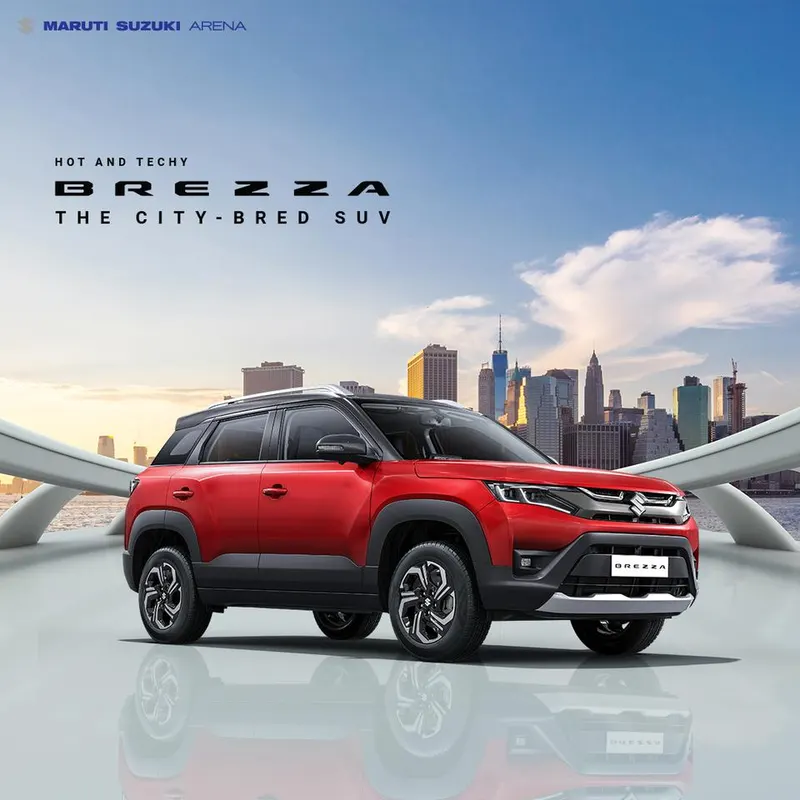
Key Features:
- Stylish and sporty design with a bold front grille and projector headlamps.
- Spacious and comfortable cabin with ample legroom and headroom.
- Advanced safety features, including dual airbags, ABS with EBD, rear parking sensors, and ISOFIX child seat anchors.
- SmartPlay infotainment system with a touchscreen display, Apple CarPlay, Android Auto, and Bluetooth connectivity.
- Automatic climate control for enhanced comfort.
- Keyless entry and push-button start.
- LED daytime running lights (DRLs) and LED taillights for better visibility.
- Rearview camera for parking assistance.
- Electrically adjustable and foldable ORVMs (Outside Rear View Mirrors).
- Steering-mounted audio and phone controls for convenience.
Specifications (may vary across variants):
- Engine Options:
1.5-liter K-series petrol engine producing around 105 horsepower and 138 Nm of torque.
1.5-liter DDiS diesel engine producing around 95 horsepower and 225 Nm of torque. - Transmission Options:
5-speed manual transmission for both petrol and diesel variants.
4-speed automatic transmission available with the petrol variant. - Fuel Efficiency (ARAI-certified):
Petrol Manual: Approximately 17-18 kmpl.
Petrol Automatic: Approximately 18-19 kmpl.
Diesel Manual: Approximately 23-24 kmpl. - Suspension System: MacPherson Strut with Coil Spring at the front and Torsion Beam with Coil Spring at the rear.
- Braking System: Front Disc brakes and Rear Drum brakes.
- Dimensions:
Length: Around 3,995 mm
Width: Around 1,790 mm
Height: Around 1,640 mm
Wheelbase: Around 2,500 mm
Ground Clearance: Around 198 mm
Pros & Cons:
- Pros: Relatively affordable, fuel-efficient, spacious cabin, good resale value, Maruti Suzuki's extensive service network.
- Cons: Limited engine options, lacks some premium features offered by competitors.
Kia Sonet: The Sonet is a subcompact SUV from Kia Motors. It is known for its feature-rich offerings. The pricing of the Kia Sonet usually starts from around ₹6.8 lakhs and can go up to ₹13 lakhs or more for top-end variants with additional features.
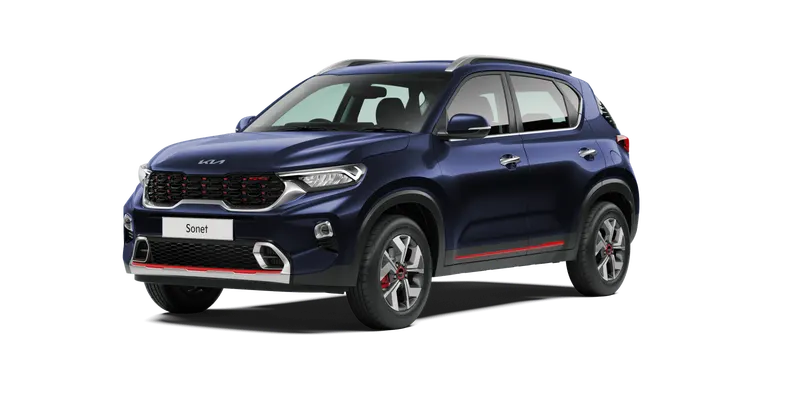
Key Features:
- Stylish and contemporary design with a distinctive front grille, projector headlamps, and LED Daytime Running Lights (DRLs)
- Spacious and feature-packed interior with comfortable seating and ample legroom.
- Advanced safety features, including multiple airbags, ABS (Anti-lock Braking System) with EBD (Electronic Brakeforce Distribution), rear parking sensors, and rearview camera.
- UVO connected car technology for remote control of various features, vehicle tracking, and emergency assistance.
- Touchscreen infotainment system with Apple CarPlay and Android Auto compatibility, Bluetooth connectivity, and navigation.
- Wireless phone charger for convenient charging on the go.
- Automatic climate control for enhanced comfort.
- Multi-function steering wheel with audio and phone controls.
- LED taillights and fog lights for better visibility.
- Smart key with push-button start/stop.
- Electrically adjustable and foldable ORVMs (Outside Rear View Mirrors).
- Rear AC vents for rear passenger comfort.
Specifications (may vary across variants):
- Engine Options:
- 1.2-liter petrol engine producing around 83 horsepower and 115 Nm of torque.
- 1.0-liter turbocharged petrol engine producing around 118 horsepower and 172 Nm of torque.
- 1.5-liter diesel engine producing around 99 horsepower and 240 Nm of torque.
- Transmission Options:
- 5-speed manual transmission for the 1.2-liter petrol variant.
- 6-speed manual transmission for the 1.0-liter turbo petrol and 1.5-liter diesel variants.
- 7-speed DCT (Dual Clutch Transmission) available with the 1.0-liter turbo petrol variant.
- Fuel Efficiency (ARAI-certified):
- Petrol Manual: Varies depending on the engine variant and transmission.
- Petrol Automatic (DCT): Approximately 18-19 km/liter.
- Diesel Manual: Approximately 23-24 km/liter.
- Suspension System: MacPherson Strut with Coil Spring at the front and Coupled Torsion Beam Axle at the rear.
- Braking System: Front Disc brakes and Rear Drum brakes.
- Dimensions:
- Length: Around 3,995 mm
- Width: Around 1,790 mm
- Height: Around 1,642 mm
- Wheelbase: Around 2,500 mm
- Ground Clearance: Around 205 mm
Pros & Cons:
- Pros: Feature-rich (including ventilated seats, 10.25-inch touchscreen, UVO connected car technology), multiple engine options (petrol, diesel, and turbo petrol), stylish looks.
- Cons: Relatively new to the market, not as spacious as some competitors.
Hyundai Venue: The Hyundai Venue is another popular subcompact SUV. It offers a stylish design and a range of features. The pricing for the Hyundai Venue generally starts from around ₹6.9 lakhs and can go up to ₹11 lakhs or more for higher-spec variants.
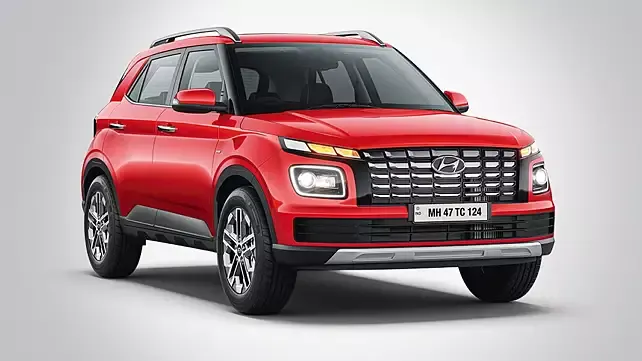
Key Features:
- Modern and bold design with a prominent front grille and LED projector headlamps.
- Spacious and well-designed interior with comfortable seating and premium upholstery.
- Advanced safety features, including multiple airbags, ABS (Anti-lock Braking System) with EBD (Electronic Brakeforce Distribution), rear parking sensors, and rearview camera.
- Blue Link connected car technology for remote control of various features, vehicle tracking, and emergency assistance.
- Touchscreen infotainment system with Apple CarPlay and Android Auto compatibility, Bluetooth connectivity, and navigation.
- Automatic climate control for enhanced comfort.
- Wireless phone charger for convenient charging on the go.
- Steering wheel-mounted audio and phone controls for ease of use.
- LED Daytime Running Lights (DRLs) and LED tail lamps for improved visibility.
- Smart key with push-button start/stop.
- Electrically adjustable and foldable ORVMs (Outside Rear View Mirrors).
- Rear AC vents for rear passenger comfort.
Specifications (may vary across variants):
- Engine Options:
- 1.2-liter petrol engine producing around 82 horsepower and 114 Nm of torque.
- 1.0-liter turbocharged petrol engine producing around 118 horsepower and 172 Nm of torque.
- 1.5-liter diesel engine producing around 99 horsepower and 240 Nm of torque.
- Transmission Options:
- 5-speed manual transmission for the 1.2-liter petrol variant.
- 6-speed manual transmission for the 1.0-liter turbo petrol and 1.5-liter diesel variants.
- 7-speed DCT (Dual Clutch Transmission) available with the 1.0-liter turbo petrol variant.
- iMT (Intelligent Manual Transmission) available with the 1.0-liter turbo petrol variant.
- Fuel Efficiency (ARAI-certified):
- Petrol Manual: Varies depending on the engine variant and transmission.
- Petrol Automatic (DCT): Approximately 18-19 km/liter.
- Diesel Manual: Approximately 23-24 km/liter.
- Suspension System: MacPherson Strut with Coil Spring at the front and Coupled Torsion Beam Axle at the rear.
- Braking System: Front Disc brakes and Rear Drum brakes.
- Dimensions:
- Length: Around 3,995 mm
- Width: Around 1,770 mm
- Height: Around 1,590 mm
- Wheelbase: Around 2,500 mm
- Ground Clearance: Around 190 mm
Pros & Cons:
- Pros: Feature-rich (including ventilated seats, 10.25-inch touchscreen, UVO connected car technology), multiple engine options (petrol, diesel, and turbo petrol), stylish looks.
- Cons: Relatively new to the market, not as spacious as some competitors.
Tata Nexon: The Nexon is a compact SUV from Tata Motors. It offers good value for money and has gained popularity in the market. The pricing for the Tata Nexon typically starts from around ₹7 lakhs and can go up to ₹12 lakhs or more for higher-end variants.
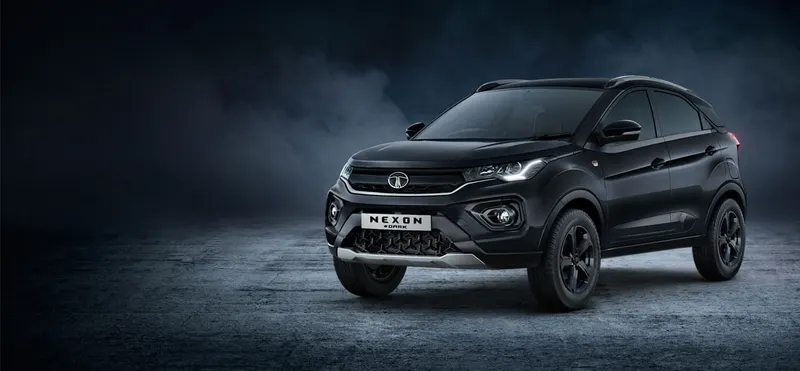
Key Features:
- Bold and contemporary design with Tata's signature Humanity Line front grille and projector headlamps.
- Spacious and well-equipped interior with comfortable seating and premium upholstery.
- Advanced safety features, including dual front airbags, ABS (Anti-lock Braking System) with EBD (Electronic Brakeforce Distribution), rear parking sensors, and rearview camera.
- Touchscreen infotainment system with Apple CarPlay and Android Auto compatibility, Bluetooth connectivity, and navigation.
- Automatic climate control for enhanced comfort.
- Multi-function steering wheel with audio and phone controls.
- LED Daytime Running Lights (DRLs) and LED tail lamps for improved visibility.
- Keyless entry with push-button start/stop.
- Electrically adjustable and foldable ORVMs (Outside Rear View Mirrors).
- Rear AC vents for rear passenger comfort.
- Floating island touchscreen display for infotainment system.
- ConnectNext app suite for enhanced connectivity and features.
Specifications (may vary across variants):
- Engine Options:
- 1.2-liter turbocharged petrol engine producing around 118 horsepower and 170 Nm of torque.
- 1.5-liter diesel engine producing around 108 horsepower and 260 Nm of torque.
- Transmission Options:
- 6-speed manual transmission for both petrol and diesel variants.
- 6-speed AMT (Automated Manual Transmission) available with both petrol and diesel variants.
- Fuel Efficiency (ARAI-certified):
- Petrol Manual: Approximately 17-18 km/liter.
- Petrol AMT: Approximately 17-18 km/liter.
- Diesel Manual: Approximately 21-22 km/liter.
- Diesel AMT: Approximately 21-22 km/liter.
- Suspension System: Independent MacPherson Strut with Coil Spring at the front and Twist Beam with Coil Spring at the rear.
- Braking System: Front Disc brakes and Rear Drum brakes (or Rear Disc brakes in higher variants).
- Dimensions:
- Length: Around 3,994 mm
- Width: Around 1,811 mm
- Height: Around 1,607 mm
- Wheelbase: Around 2,498 mm
- Ground Clearance: Around 209 mm
Pros & Cons:
- Pros: Stylish design, build quality, highest safety rating in its segment, good ground clearance, multiple engine options (petrol, diesel, and electric).
- Cons: Somewhat basic interiors, average ride quality.
Final Verdict:
Considering all aspects - Design, Dimensions, Performance, Mileage, Engine options, Fuel Efficiency, Safety, Price, etc., I would select the Hyundai Venue with 1.5 litre diesel engine

CONCLUSION:
The suggestion of the best car for Mr. D.S. Pughazhyendhi’s family is HYUNDAI VENUE