Underbody Coating
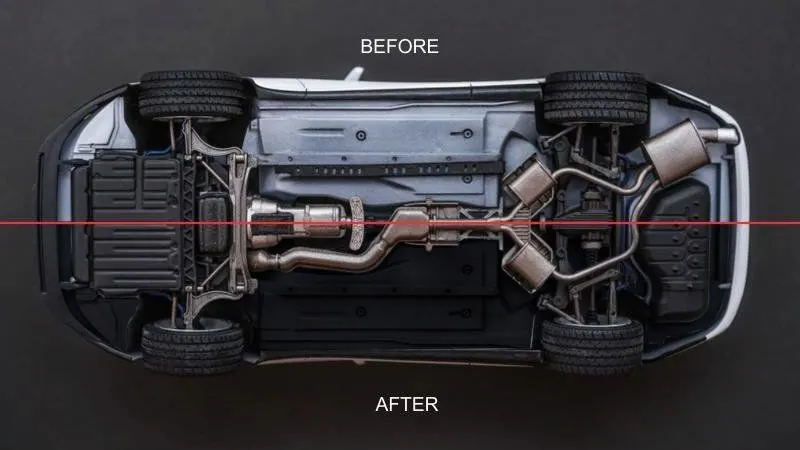
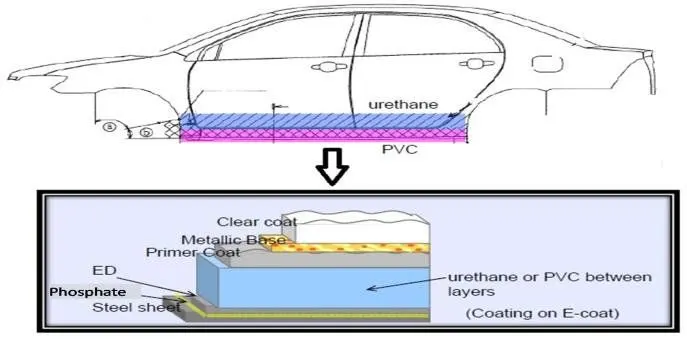
Under-body coating, also known as undercoating, is a protective layer applied to the underside of a vehicle to provide additional defense against corrosion, rust, and damage caused by various environmental factors. It is commonly used in the automotive industry to extend the lifespan and maintain the structural integrity of vehicles, particularly in regions where road salt, moisture, and other corrosive elements are prevalent. Under-body coating serves as a barrier between the vehicle's undercarriage and harmful substances, such as water, chemicals, gravel, and debris, which can cause accelerated wear and tear.
Types of Under-Body Coating:
-
Rubberized Under-Body Coating: This type of undercoating is composed of rubber or rubber-like materials that provide a thick, protective layer. Rubberized coatings offer excellent resistance against moisture and corrosion, as well as protection against impacts from stones and gravel. They are often applied using a spray gun or aerosol can, and they adhere well to metal surfaces.
-
Asphalt-Based Under-Body Coating: Asphalt undercoatings are made from a mixture of asphalt, solvents, and other additives. They form a durable, flexible, and waterproof layer that adheres to the undercarriage. Asphalt-based coatings are effective in preventing rust and corrosion and can also provide some sound-deadening properties.
-
Wax-Based Under-Body Coating: Wax undercoatings are typically petroleum-based and provide a protective barrier against moisture and road debris. They are easy to apply and provide good coverage on the undercarriage. Wax coatings can also enhance the appearance of the undercarriage by giving it a glossy finish. However, they may require more frequent reapplication compared to other types of coatings.
Pros of Under-Body Coating:
-
Corrosion Protection: The primary purpose of under-body coating is to protect the vehicle's undercarriage from corrosion and rust. It acts as a barrier, preventing moisture, salt, and other corrosive elements from reaching the metal surfaces.
-
Enhanced Durability: Undercoatings can help extend the lifespan of a vehicle by minimizing damage caused by gravel, stones, and debris that can impact the undercarriage while driving.
-
Noise Reduction: Some under-body coatings, such as asphalt-based ones, provide sound-deadening properties by reducing road and tire noise, resulting in a quieter and more comfortable driving experience.
-
Improved Resale Value: Regularly applying and maintaining under-body coatings can help preserve a vehicle's condition, enhancing its resale value. Buyers often prefer vehicles with well-protected undercarriages, as it indicates proper maintenance and care.
Cons of Under-Body Coating:
-
Application Challenges: Applying under-body coating can be a time-consuming and messy process, especially if done incorrectly. It requires proper cleaning and preparation of the undercarriage before application to ensure proper adhesion and effectiveness.
-
Limited Effectiveness on Existing Rust: Under-body coatings cannot reverse existing rust or corrosion. They are primarily preventive measures and should be applied to clean and rust-free surfaces for optimal results.
-
Maintenance and Reapplication: Over time, under-body coatings can wear off due to road debris, regular wear, and cleaning. Periodic reapplication may be necessary to maintain the coating's protective properties, which can be an additional maintenance task.
-
Potential Trapped Moisture: If under-body coating is not applied correctly or becomes damaged, it may trap moisture between the coating and the metal surface, leading to accelerated corrosion instead of preventing it. Proper application and regular inspections are essential to prevent this issue.
In summary, under-body coating is an important protective measure in the automotive industry to guard against corrosion, rust, and damage caused by environmental factors. It provides several benefits, including corrosion protection, enhanced durability, noise reduction, and improved resale