Underbody Coating
1. Write a one-pager about Under-Body Coating and its purpose, its types in detail, and its pros and cons.
- Introduction
Underbody protection is a protective coating applied to the underside of the vehicle to protect the delicate underbody from various external factors. It serves as a protective barrier against corrosion, dirt, road salts, moisture and other damaging elements that occur during normal driving. This one-pager provides an overview of underbody protection, its types, and the advantages and disadvantages of its application.
- Types of underbody coating
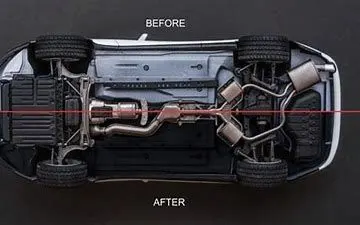
- Rubberized underbody coating: this type of underbody coating is made of rubber or rubber-like substances. It is usually applied by spraying or brushing on. A rubberized underbody coating provides excellent protection against rust, moisture and abrasion. It acts as a sound and heat insulator, reduces road noise, and increases ride comfort. However, it can crack over time and must therefore be regularly reapplied.

- Wax-based underbody coating: A wax-based underbody coating forms a thin protective layer that adheres to the metal surface. It effectively seals out moisture and prevents rust. Wax coatings are easy to apply and provide good abrasion resistance. However, they can wear more quickly than other types of underbody protection, especially in harsh environments or under heavy use.
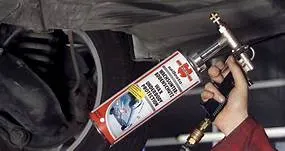
- Oil-based undercoats: oil-based undercoats are formulated with petroleum or mineral oil. They form a durable, self-healing barrier against rust and corrosion. Oil-based coatings have excellent creep and penetration properties, allowing them to reach tight areas and provide comprehensive protection. However, they can attract dirt and debris, resulting in a dingy appearance over time. In addition, oil-based coatings can be messy and require professional expertise.
- Polyurethane Undercoat: Polyurethane undercoats provide excellent resistance to abrasion, impact and corrosion. They form a thick, rubbery layer that effectively seals out moisture and protects against stone French fries and other road debris. Polyurethane coatings provide long-lasting protection but can be more expensive compared to other types of underbody protection.
- Advantages and disadvantages of the underbody coating
- Advantages:
- Corrosion protection: undercoating serves as a reliable protection against rust and corrosion, extending the life of a vehicle's underbody.
- Protection from debris: The coating acts like a shield, protecting sensitive undercarriage components from rocks, stones and other debris found on the road.
- Reduction of noise and vibration: Certain types of underbody protection, such as rubberized coatings, act as sound deadeners, reducing road noise and increasing ride comfort.
- Higher resale value: Well-maintained underbody protection can preserve the appearance and structural integrity of a vehicle, increasing resale value.
- Disadvantages:
- Application challenges: Applying underbody protection can be time-consuming and requires expertise, especially with oil-based or polyurethane coatings, which are best done by professionals.
- Limited longevity: some types of underbody protection may require periodic repainting to maintain their effectiveness.
- Accumulation of dirt: Oil-based and certain rubberized coatings can attract dirt and debris over time, requiring regular cleaning to maintain a clean appearance.
- Cost considerations: High-quality underbody coatings, especially those made of polyurethane, can be more expensive compared to other options.
- Conclusion
Undercoating plays a critical role in protecting a vehicle's underbody from corrosion, dirt and other damaging elements. Whether it's a rubberized, waxy, oil-based, or polyurethane coating, each type offers a different level of protection and longevity.