Underbody Coating
What is Underbody Coating?
Underbody coating is a thick layer that has been uniformly sprayed on the underside of the vehicle for protection from Corrosion. The coating can be applied by spraying or painting, Underbody coating is applied at the time of manufacturing the car and also can be used after a few years to provide double protection.
Types of underbody coating:
- Rubberized Underbody Coating:
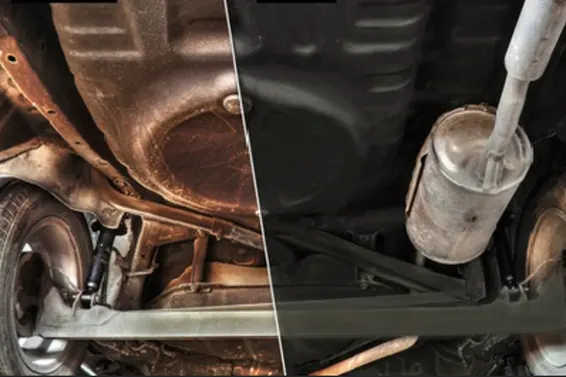
It is a Rubber base coating, that protects the underbody from scratches and keeps it away from moisture. It’s also not difficult to apply this to the undercarriage. The rubberized coating can be a good option if you want to minimise road noise, rust and corrosion away by applying a coat thickness of 2-3 mm, Rubberized undercoating keeps existing rust all covered up
The disadvantage of wax coating is that it does not stay long under the vehicle because the basic nature of wax is that it never hardens enough to provide protection against the damage from dust particles and stones striking the underbody at high velocity.
- Wax Based Underbody Coating
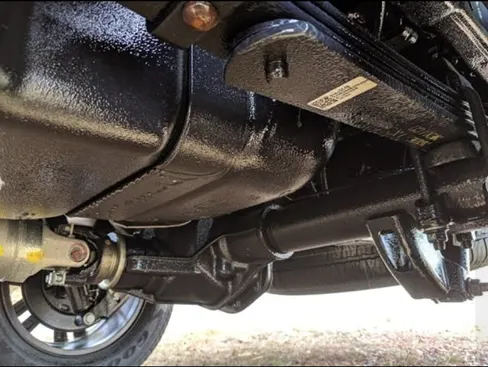
A Wax-based undercoating is an affordable and quick option available in the market which protects the undercarriage of the vehicle. It is highly resistant to moisture but it also comes out in a few months depending upon the usage of the vehicle, it needs to be scrapped out and reapplied once every year.
During application, Wax flow into Gaps and cracks to provide protection against humid climates.
The disadvantage of wax coating is that it does not stay long under the vehicle because the basic nature of wax is that it never hardens enough to provide protection against the damage from dust particles and stones striking the underbody at high velocity.
- Asphalt Based Undercoating
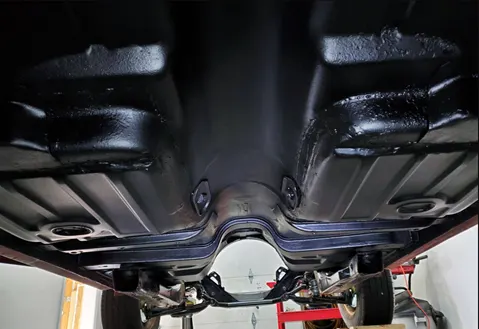
asphalt Based Undercoating has some more benefits than Waxed Based Undercoating. They both provide resistance against moisture, road dirt and Corrosion. asphalt protection stays somewhere around 3 to 5 years and also it has the benefit of being less expensive
Asphalt Based Undercoating requires a thicker coating layer therefore we have to apply more material under the surface to protect it from corrosion.
- Polyurethane Underbody Coating
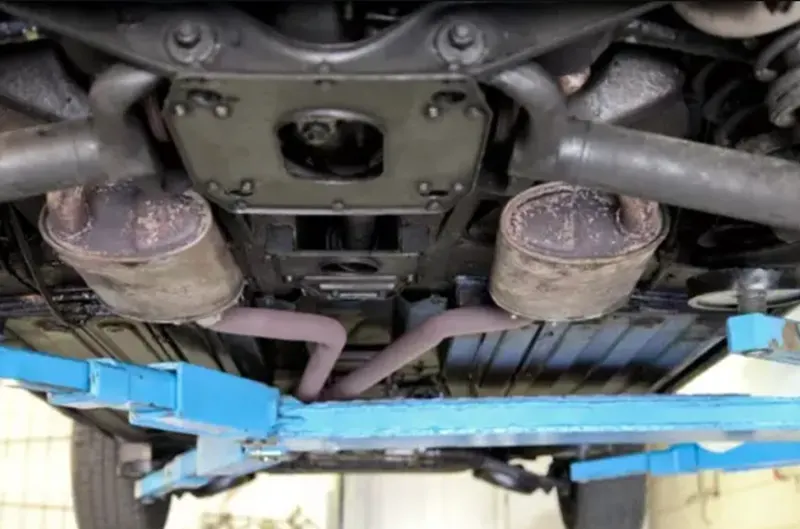
This coating gaps and fractures on the underbody of the vehicle. It offers decent protection against corrosion and also binds with the metal. However, in the case of asphalt-based coating, we have the option to paint over the polyurethane coating.
Advantages of under-body Coating
- Underbody coating against rust in high humidity environment
- The binding nature of coating with appropriate thickness transfer less noise to the cabin because it absorbs the vibrations caused by vehicle
- If a car has had an underbody coating before and we apply for extra protection under the vehicle, it will work as a reinforcement for previous
- These coatings increase the life span of the vehicle by providing protection against dents and scratches which delays the ageing of the vehicle
- These coatings increase the life span of the vehicle by providing protection against dents and scratches which delays the ageing of the vehicle
- Coatings also provide insulation from the heat under the vehicle.
Disadvantages of underbody Coating
- Underbody coating works best on new vehicles
- Increase the additional cost of the vehicle
- A highly trained and technical service person is required because the application of coating material can get into moving parts which can cause problems with their functionality.
- It provides temporary protection for 2-5 years and requires re-application after its life span.
- It may also increase the weight of the vehicle.