Underbody Coating
Automotive Sheet Metal Design using Siemens NX CAD - Challenge 2
Underbody Coating
1. Write a one-pager about Under-Body Coating and its purpose, its types in detail, and its pros and cons
Defination of Under body Coating:
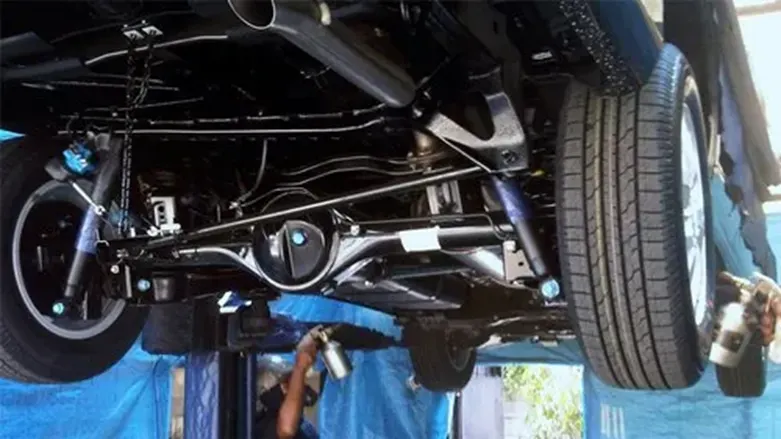
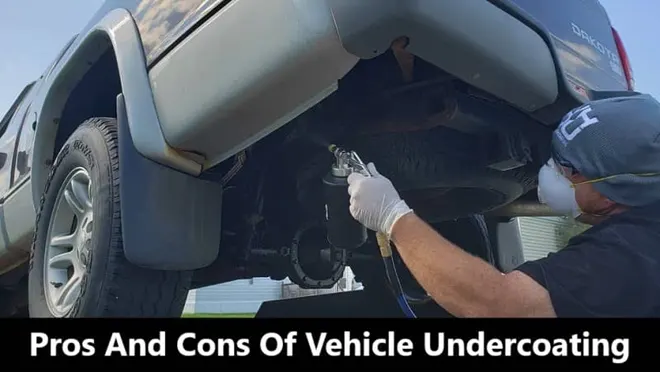
Underbody coating is a thick cladding (typically made of rubber) that is placed uniformly to the car’s underside. When the automobile is fresh off the lot and spotless, it is usually sprayed or painted on. But it’s acceptable if you apply the undercoating after a couple of years. This is because it might protect the undercarriage from additional harm.
The below picture for reference that how looks car underneath before under coat and after undercoat,
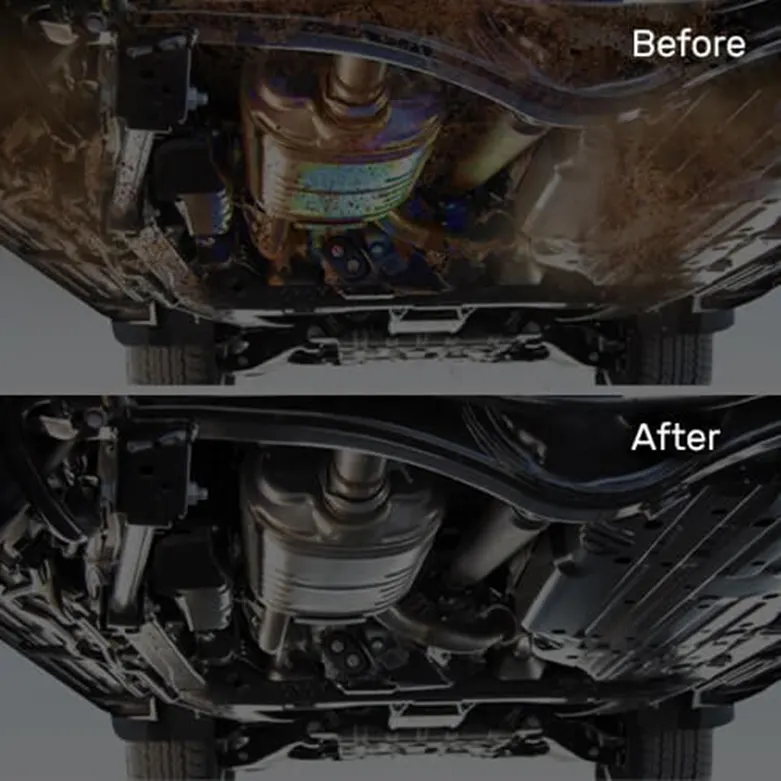
Underbody coating means a coating that is applied over a topcoat to wheel wells, the inside of door panels or fenders, the underside of a trunk or hood, or the under- side of motor vehicles or mobile equipment for the purposes of protection or noise reduction.
Purpose of Under body Coating:
In Indian road conditions, a cars underbody is most prone to corrosion. Underbody coating provides long term protection from corrosion to car’s underbody. It also protects parts like internal body panels, frame rails and other inner cavities that are not physically accessible but are prone to corrosion. Following other basic purpose which helps to improve the vechile quality and better user experiences,
- To minimize the sound which from underneath of the car.
- To insulate the interior of the car from extreme temperature which enter from underneath of the car.
- To protect the under body from exposure of water.
The following underbody coating types are normally using in the passenger vehicle,
- Rubberized Underbody Coating
- Wax Based Underbody Coating
- Asphalt Based Automotive Undercoating
- Polyurethane Underbody Coating
Here below short breif expalnation about the types,
1. Rubberized Underbody Coating:
Rubberized undercoating do a great job of keeping existing rust all covered up and looking sharp, but it does absolutely nothing to slow down the spread of rust and corrosion sometimes the trapped air and moisture may even contribute to rust formation.
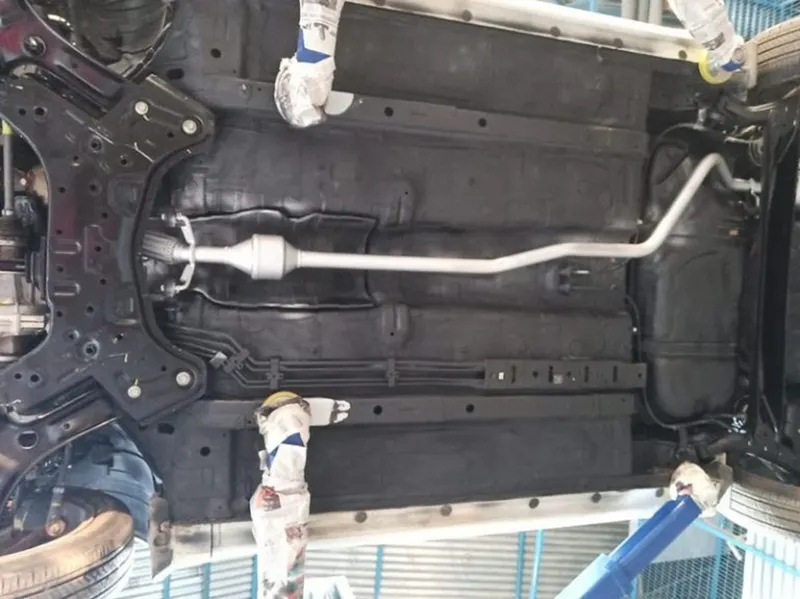
This is widely considered to be the best underbody coating for your car. It protects the underbody from scratches and keeps it properly. It’s also not difficult to apply this to the undercarriage. This can be done at the authorized service center or by the local repair shop at a reasonable price. Rubberized coating is ideal if you want to keep the road noise to a minimum and rust and corrosion away.
2. Wax Based Underbody Coating:
This transitory undercoating will, on the whole, fade away after a few months. On the plus side, wax-based undercoating is resistant to dampness. It is also the most cost-effective alternative.
3. Asphalt Based Automotive Undercoating:
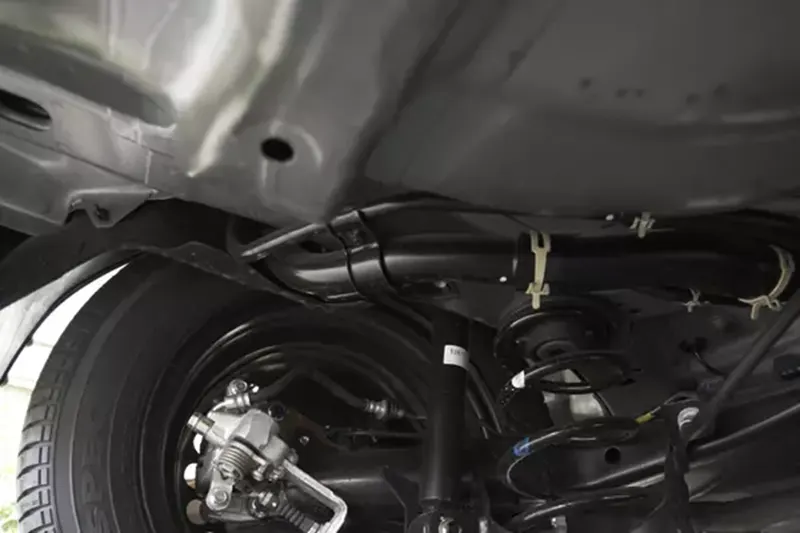
Suitable for lorries, trucks, and other heavy vehicles. In comparison to rubber-based coatings, this gives a higher level of protection. Asphalt-based coatings, on the other hand, incorporate a small quantity of rubber for sound insulation. The application of this coating, however, takes some time.
4. Polyurethane Underbody Coating:
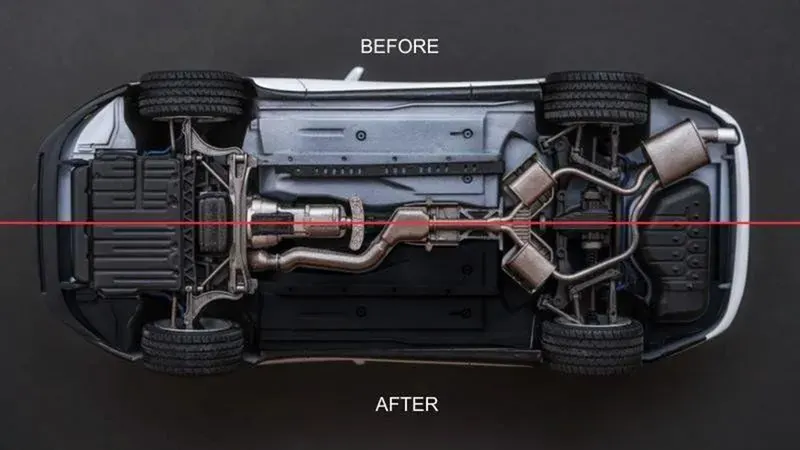
This covering seals breaks and fractures in the vehicle’s underbody. It provides strong corrosion resistance and also binds to the metal. Unlike an asphalt-based coating, the polyurethane coating may be painted over.
The following points are pros & Cons of underbody coating process.
Pro's of Underboady coating:
1) Protection Against Corrosion And Rust:
- Underbody coat fight with rust, especially If you live somewhere where it snows in the winter, you should seriously consider undercoating.
- Underbody coating is particularly useful if you live near the sea, where there is excessive humidity and rust is a common occurrence.
- During the monsoon season, cars are at high risk of getting corrosion.
- It helps to extend your car’s life.
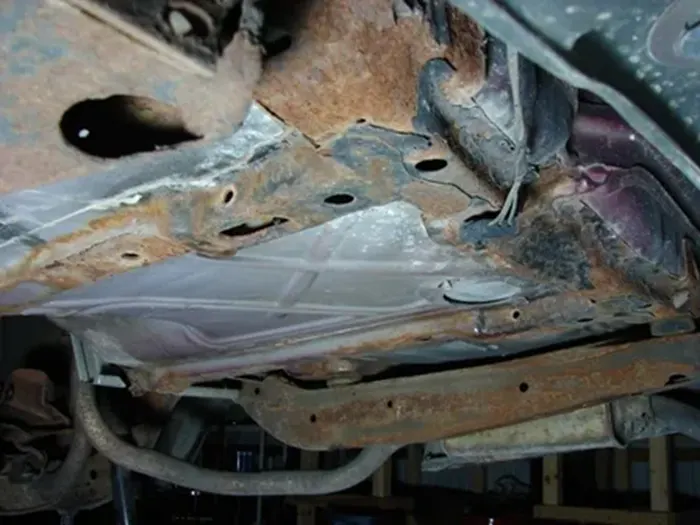
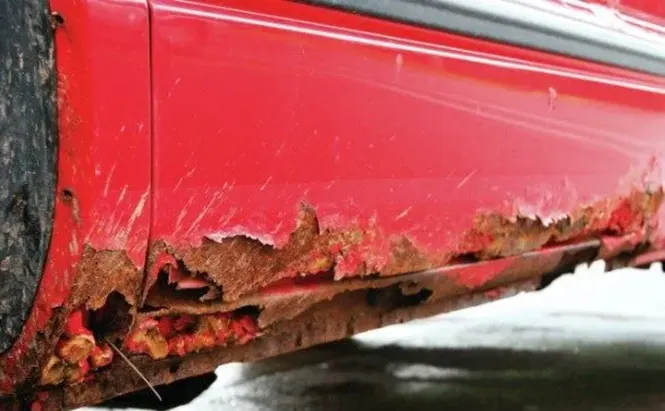
- The below images shows if you havn't done undercoat in the vehicle may affect like this,
-
 &
&  .
.
2)Absorbs Noise:
- The undercoating, which is frequently made of rubber, absorbs part of the rackets.
- The car’s occupants could avoid the road sounds at least to some extent because of this undercoat protection. which noises that enter the cabin.
- It helps to make your riding experience with quite ride and pleasant.
3) Reinforcement:If your automobile already has an underbody covering, applying another one on top of it will not harm it. It will provide further protection for the underbody from water, road debris, gravel, and tiny stones. The factory coat would also have a lower risk of flaking away.
4) Prolong Car’s Life: A good undercoat protects not just the underbody from corrosion, but also the engine and gearbox. Less corrosion combined with slower wear and tear can extend the life of your car by many years. On the undercarriage, there would be fewer dents, dings, and scratches to worry about.

Everyone has experiences the best moments while buying his first car. so to provide long life to your dream cars, bodycoat is the best way to protect your car from the above concern then provides best & peaceful riding experiences.
Con's of Underboady coating:
- Undercoating will not help you if corrosion already exists and the corrosion needs to be removed first before it can be applied,which can be expensive for you.
- It makes the vehicle 10 to 20 pounds heavier which affects fuel economy (how far you can travel on one tank of gas/Fuel).
- The protective layer’s integrity will be reduce over time.
- It Can Be Expensive in the way to ensure your vehicle is protected properly, we have to reapply it every 3 to 5 years.