Introduction to Underbody Coating
What is underbody coating?
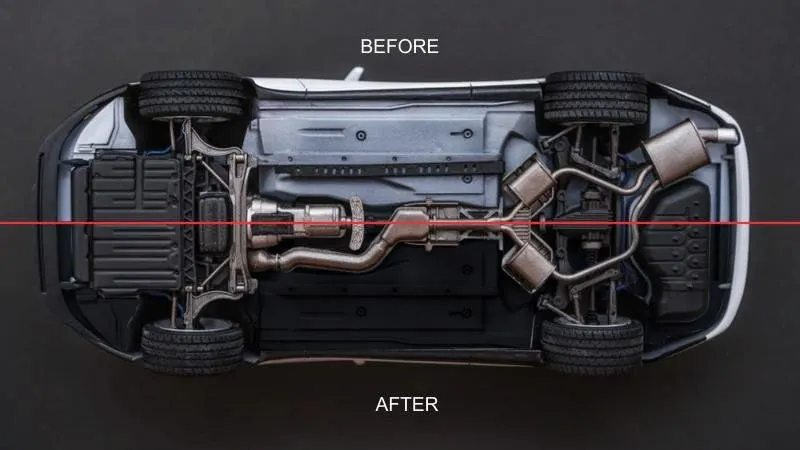
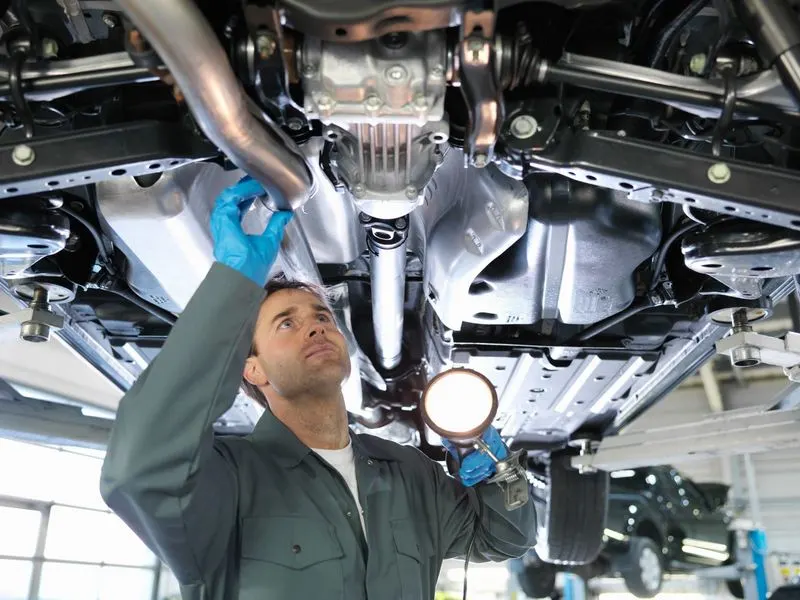
Underbody Coating is a process in which the underbody of the car is coated with a corrosion resistive material. This underbody protects the interior parts which are not accessible but are prone to corrosion. Thus underbody coating plays a vital role for corrosion prevention.
Why do we provide underbody coating ?
Preventing Corrosion:
As discussed earlier the primary objective of the underbody coating is to provide resistance to corrosion of the underbody as well as the parts above it. The underbody is prone to corrosion because it is easily in contact with the moisture directly and most frequently. Thus providing an anti-rust coating prevents our car’s underbody from corrosion.
Reduction of NVH levels (Noise Vibration Harshness):
When we drive our car it is susceptible to the NVH from the ground. Providing a coating helps us prevent these vibrations and noises from the road that reaches up to the passengers. This coat we provide is very thick and it absorbs all the noise and vibrations for the passenger comfort.
Prevents Paint Chipping:
When we ride on the road our underbody encounters coarse gravels hitting it rapidly. This encounter causes paint to chip from below and may also result in damage to the metal component. Thus providing an underbody coating helps us prevent this effect.
Protection of VItal Components:
There are various open parts beneath the car which are susceptible to corrosion. These parts need to be protected from the corrosion as we can’t afford damage to them. Thus providing a considerable amount of Anti - rust coating to them helps us protect these vital components.
Types of Underbody Coating:
Electronic Method:
In this process a small weak electric current is passed in order to stop the corrosion. These electronic devices are available from the manufacturer as well as in the open market. Customers can choose which one to opt for their car.
Undercoating:
This process is carried out by applying a tar-based substance to the underbody of the car. This substance protects the parts susceptible to corrosion. The coat is applied before the assembly of the car and to some parts after assembly and may differ according to the situation. This technique requires expert supervision.
Dripless Oil Spray:
In this process we apply a wax like substance on the entire body. This material hardens when dried and prevents the body from corrosion. The drawback of this technique is because we need holes on the body for optimizing the effect of the technique.
Drip Oil Spray:
This method is similar to the Dripless but the material drips for around 48 hrs after its application. The material drips continuously until it is completely dried. It is the most commonly used technique for rust prevention.
Advantages:
- It provides a corrosion resistive layer.
- It increases the life of our vehicle.
- It can be self applied.
- Helps in reducing noise, vibrations and harshness.
- It can be applied in damaged areas.
Disadvantages:
- The existing corrosion cannot be eliminated using this technique.
- This technique is used majorly for new cars.
- Third party coating might create problems with your warranty claim.
- The coating must be reapplied every 3-5 years for better car life.
- The coating increases the weight of the car.