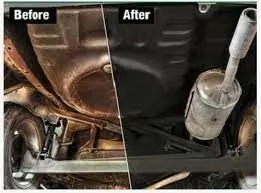
Underbody Coating
AIM:- To write a report on what is underbody coating,it's type and pros and cons
WHAT IS UNDERBODY COATING?
Underbody coating is a thick cladding (typically made of rubber) that is placed uniformly to the car’s underside. When the automobile is fresh off the lot and spotless, it is usually sprayed or painted on.
Underbody caoting is a thick resilient coating applied to the underbody or chassis of an automobile to protect against impact damage from small stones,which would rapidly chip ordinary paint, allowing rusting to begin.
Underbody coating provides long term protection from corrosion to car’s underbody. It also protects parts like internal body panels,frame rails and other inner cavities that are not physically accessible but are prone to corrosion.
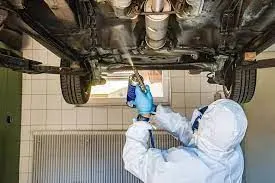
PURPOSE OF UNDERBODY COATING:
The main purpose of undercoating is to check rust especially in the body components like frame rails along with other exposed metal parts.Underbody coating can also reduce wear and tear.
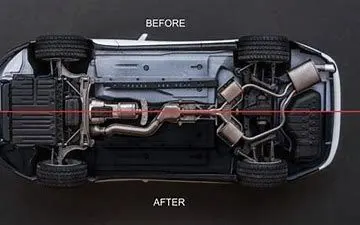
TYPES OF UNDERBODY COATING:
1)Rubberized Underbody Coating
2)Wax Based Underbody Coating
3)Asphalt Based Automotive Undercoating
4)Polyurethane Underbody Coating
1)Rubberized Underbody Coating:
Rubberized Undercoating produces a textured finish which resists chipping, abrasion, exterior rusting and weathering. Provides one-coat build-up with no dripping, running or sagging. It helps protect the undercarriage of cars, trucks, vans and recreational vehicles from both corrosion and abrasion. The coating may also be used to protect wheel wells, quarter panels, interior side of fenders, door skins, under side of the hood and trunk lid, floor pans, and more. The rubberized undercoating also helps deaden noise, allowing for a more pleasant and quieter ride. The spray goes on as a textured black finish that resists chipping, abrasion, exterior rusting, and weathering. It provides one-coat build-up with no dripping, running, or sagging. Protecting your vehicle with an application of rubberized undercoating is advised for long-term protection of the undercarriage. Rubberized undercoating creates a protective barrier that seals out grit, grime and moisture that could otherwise corrode the metal components. This extra protection is a low-cost measure that can pay off by potentially extending the service life of a vehicle.
2)Wax Based Underbody Coating:
Wax Underbody Coating Spray is a solvent containing, bitumen free anticorrosive agent based on wax, polymers and anticorrosive additives. The product can be precision and exhibits excellent sag resistance. It is fast drying, and even in a thin layer thickness it forms a closed water protecting film. The dry film shows good adhesion and anticorrosive properties. Wax Underbody Coating Spray is primarily used on wax coated vehicle underbodies and particularly for the secondary treatment of all protective coatings, like those based on PVC, PVC/wax, bitumen/rubber and rubber/resins.
3)Asphalt Based Automotive Undercoating:
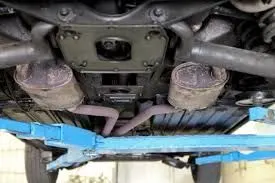
Asphalt Based Undercoating does provide some benefits over Waxed Based Undercoating. They both stick well to most any surfaces and do a great job sealing out moisture, road chemicals and oxygen. But mainly, Asphalt undercoating has the benefit of being less expensive. They protect anywhere up to 5 years and dry to a Firm to Hard coating.
Asphalt Based Undercoating does require a thicker film thickness meaning you will have to apply more product to the surface to be protected then if you use a Wax Based Undercoating. Additionally, Asphalt based products require more surface preparation because they can actually seal in rust and moisture allowing it to continue to grow. Finally, Asphalt based products continue to dry out over time causing cracks in the coating surface.
4)Polyurethane Underbody Coating:
This covering seals breaks and fractures in the vehicle’s underbody. It provides strong corrosion resistance and also binds to the metal.Unlike an asphalt-based coating, the polyurethane coating may be painted over.
Advantages Of Undercoatings:
-
Minimizes Sound: It minimizes the sound from underneath the car resulting a noiseless, smooth driving experience.
-
Heat Insulation: It insulates the interior of the car from extreme temperatures from beneath the vehicle providing a comfortable cabin experience.
-
Anti-chipping property: If any stone hits the coating it does not get chipped away hence protects the underbody from exposure to water
Disadvantages of Undercoating:
-
Apllying underbody coating will not have any effect to the already corroded part.
-
Undercoating is costly.
-
Since the corrosion itself starts after few year, underbody coating is not preferable to ower who change their car after few year.