Underbody Coating
UNDERBODY COATING
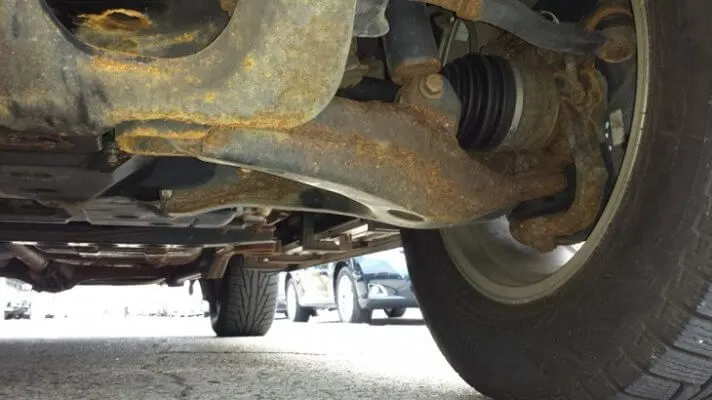
Underbody coating is typically just a coating which is sprayed in the underbody of the car in order to protect the under surface of the vehicle from corrosion.
In several countries during the monsoon seasons , the streets are usually inundated with heavy flood due to high precipitation which causes the roads to become mini rivers.Since the surfaces of the vehicles are usually made out of metals. This constant exposure of the metal surfaces make them prone to heavy corrosion.Underbody coating provides long term protection from corrosion to car’s underbody. It also protects parts like internal body panels, frame rails and other inner cavities that are not physically accessible but are prone to corrosion.
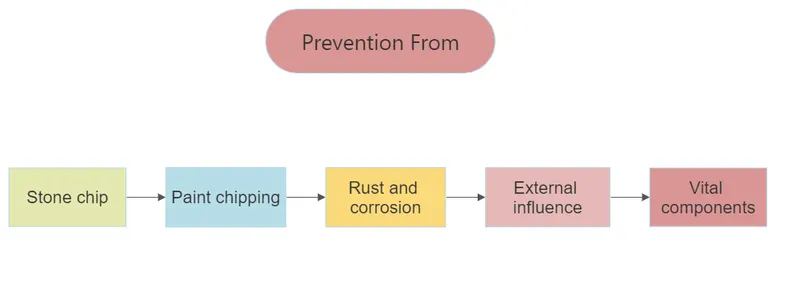
One of the most vulnerable parts of the car is the part of the car body which is exposed to the dirt, heat , Water, mud ,stones and lot of other foreign objects which would impact the car’s underbody.Since the damages caused to the underbody surfaces cannot be spotted easily, it is very essential to take immense care to protect the under body surfaces from several damages.
UNDERBODY COATING
PURPOSE OF UNDERBODY COATING:
Keep the value
A car could keep a high value while it is well maintained. It means that if a car is well treated on under body protection, it could keep the car in a good condition and extend the car’s service life, or you could charge a higher price in a used-car trading.
Reduces NVH (Noise Vibrations Harshness) Levels
Our country is filled with roads having uneven patches and potholes and while we manoeuvre our cars through such sections, the unpaved crumbs, and pebbles hit the car from underneath or get stuck in the wheel wells. The underbody coating’s consistency is so thick that the layer it creates absorbs all the unpleasant noises and vibrations and marginally improves the driving experience.
TYPES OF UNDERBODY COATING:
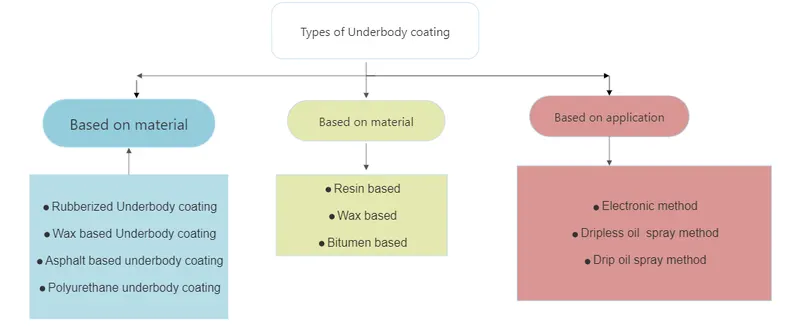
Based on the application method:
When having your vehicle rust proofed or an undercoating applied, you have a few options to choose from. Whether you prefer the latest technology or a more tried and true method, knowing what the different options are should allow you to choose the best one for your vehicle.
- Electronic method
Using a weak electric current, this small device can stop the corroding effects of rust.
You can have these electronic devices installed at the dealership, or save some money and buy them from a source outside of the dealership.
The reviews on these devices are mixed, as this is a virtually new technology.
- Undercoating
This method involves spraying a tar-based substance on the exposed parts of a vehicle's underbody.
The tar-like undercoating acts as a barrier once it hardens, keeping out moisture, salt, and otherequiresr substances.
This undercoating works best when applied to the undercarriage of a new vehicle. It also expert application, or it can crack, letting in moisture.
- Dripless oil spray
A wax-like substance applied to the entire body of the vehicle, it hardens once it has dried.
One of the downsides of dripless oil sprays is that you need to have holes drilled into the body of the car at specific points to make it effective.
The spray also has a high viscosity, meaning that it does not always get into all of the nooks and crannies of your vehicle.
- Drip oil spray
This is the most commonly recommended rust protection.
Drip oil sprays tend to continue to drip once applied until they dry. This dripping can last anywhere up to 48 hours after application.
Unlike the dripless varieties, the more watery nature of drip oil sprays means it gets into more areas on your vehicle, though you still need to have holes drilled in your vehicle's fenders, doors, and other areas to make sure that it gets to all the areas it needs to.
Based on the type of paint:
A car underbody coating can be factory-applied or aftermarket. Most commonly these coatings are one of the three types:
- Resin-based
Polyurethanes and rubber coating are popular because their elastomeric properties provide long-term stone chip damage and corrosion protection as well as sound deadening effects. These also have the benefit of being suitable for a wide range of substrates and they can be painted over. Can be spray-applied, high build, and particularly good for areas of possible salt exposure.
- Wax-based
An excellent anti rust coating suitable for all substrates. The wax is applied soft and cures hard, either by brush or spray, and can be layered thickly. It cannot be top coated.
- Bitumen-based
These underbody paint systems provide hard-wearing protection against stone chip damage and corrosion. They also have sound-deadening properties. Suitable across many substrates, but cannot be painted over.
Based on the material
- Rubberized Underbody Coating
Best Underbody coating protecting from scratches
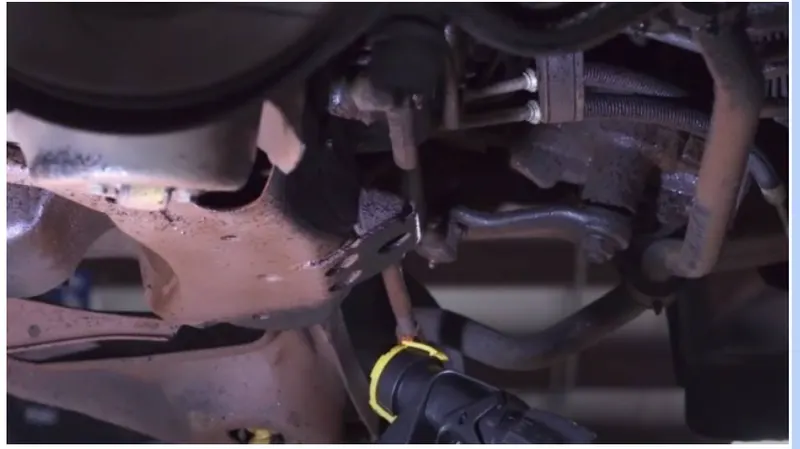
- Wax Based Underbody Coating
Ephemeral yet affordable Coating
- Asphalt Based Automotive Undercoating:
Best suited for lorries, trucks and large vehicles this provides a greater degree of protection compared to rubber-based coatings. Yet time consuming
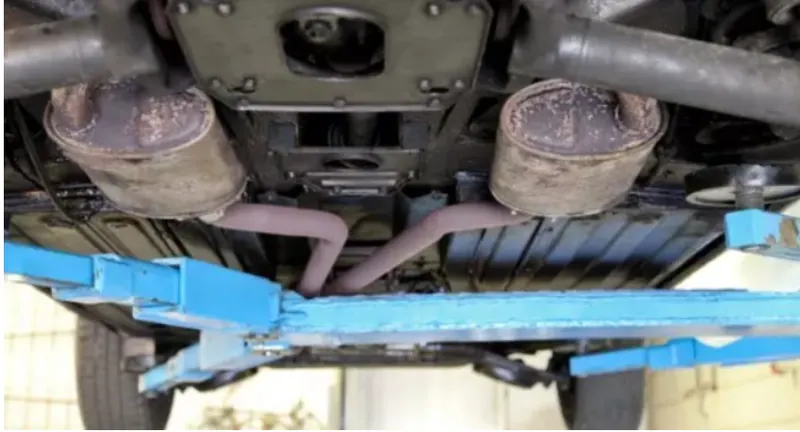
- Polyurethane Underbody Coating:
Closes the splints and the fractures bonding with the metal and we can even paint over the coating
PROS and CONS
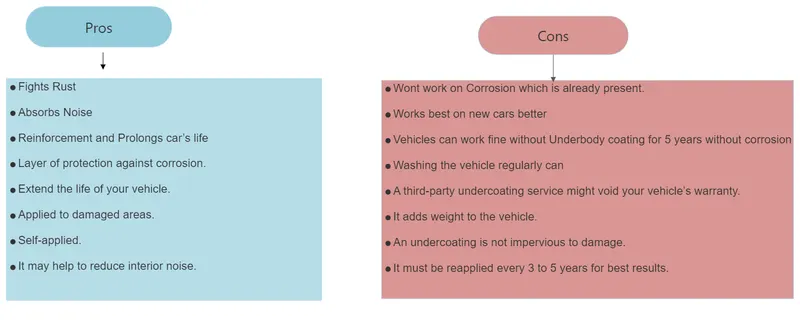
ADVANTAGES OF UNDERBODY COATING
(a)Undercoating provides an extra layer of protection against rust and corrosion, protecting automobile.
(b)It increases the life and value of the automobile.
(c)Abrasion and chip resitant protection is provided by underbody coating.
(d)It reduces the noise during the operating conditions.
(e)It provides insulation from hot and cold climatic conditions.
(f)These coating also makes the process of cleaning easy.
DISADVANTAGES OF UNDERBODY COATING:
(a)Underbody coating is costly and requires periodic maintenance.
(b)For the best performance, oil-based rustproofing should be reapplied every year.
(c)Underbody coating should still be visually inspected annually to ensure integrity.
(d)Proper skilled labour is required of proper underbody coating. Even just one crack left unsealed will allow rust to form and leave an automobile susceptible to corrosion and system harm
CONCLUSION
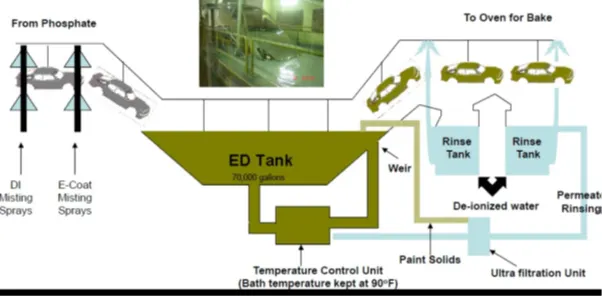
The technologies employed in automotive coatings have become much more sophisticated and efficient, and are evolving rapidly. The pace of performance improvement over the past 100 years has been dramatic, and it will continue to accelerate. Coating compositions and application processes are inseparable and mutually dependent. As such, the final coating is an elaborate assembly of multiple coatings layers that perform in unison. A coating composition, together with application procedures, film formation processes, and coated surface characteristics, determines the appearance of a coating film.
Automotive coatings confront an almost limitless variety of environments and environmental assaults. Targeting customers’ expectations, together with maximizing efficiencies and meeting environmental regulations with new processes, has brought automotive coating to a level not imagined 100 years ago. The appearance (color, gloss, and texture) of the surface significantly affects a customer’s perception of product quality. Additionally, customer expectations for the attributes given by the appearance of coatings continue to increase as manufacturers compete to provide surfaces that offer enhanced surface characteristics.