Underbody Coating
UNDERBODYCOATING:
In Indian road conditions, a cars underbody is most prone to corrosion. Underbody coating provides long term protection from corrosion to car’s underbody. It also protects parts like internal body panels, frame rails and other inner cavities that are not physically accessible but are prone to corrosion.
BENIFITS:
• Minimizes Sound:
It minimizes the sound from underneath the car resulting a noiseless, smooth driving experience.
• Heat Insulation:
It insulates the interior of the car from extreme temperatures from beneath the vehicle providing a comfortable cabin experience.
• Anti-chipping property:
If any stone hits the coating it does not get chipped away hence protects the underbody from exposure to water.
Table Of Content
What is underbody coating
- Rubberized Underbody Coating
- Wax Based Underbody Coating
- Asphalt Based Automotive Undercoating
- Polyurethane Underbody Coating
Advantages of underbody Coating
What is Underbody Coating
RUBBERIZED UNDERBODY COATING
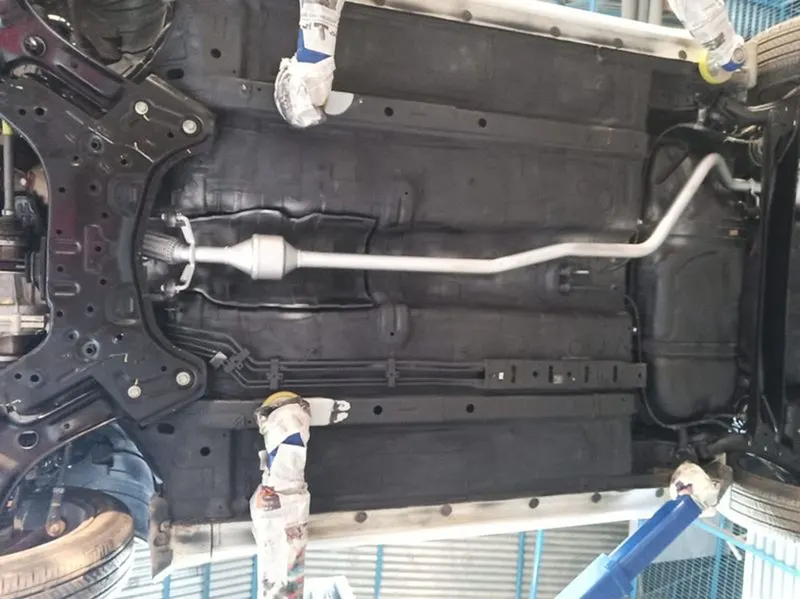
This is widely considered to be the best underbody coating for your car. It protects the underbody from scratches and keeps it properly. It’s also not difficult to apply this to the undercarriage. This can be done at the authorized service center or by the local repair shop at a reasonable price. Rubberized coating is ideal if you want to keep the road noise to a minimum and rust and corrosion away.
WAX BASED UNDERBODY COATING
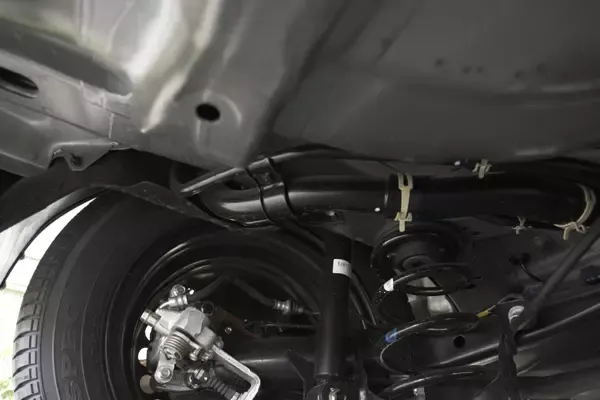
This transitory undercoating will, on the whole, fade away after a few months. On the plus side, wax-based undercoating is resistant to dampness. It is also the most cost-effective alternative.
ASPHALT BASED AUTOMOTIVE UNDERCOATING
Suitable for lorries, trucks, and other heavy vehicles. In comparison to rubber-based coatings, this gives a higher level of protection. Asphalt-based coatings, on the other hand, incorporate a small quantity of rubber for sound insulation. The application of this coating, however, takes some time.
POLYURETHANE UNDERBODY COATING
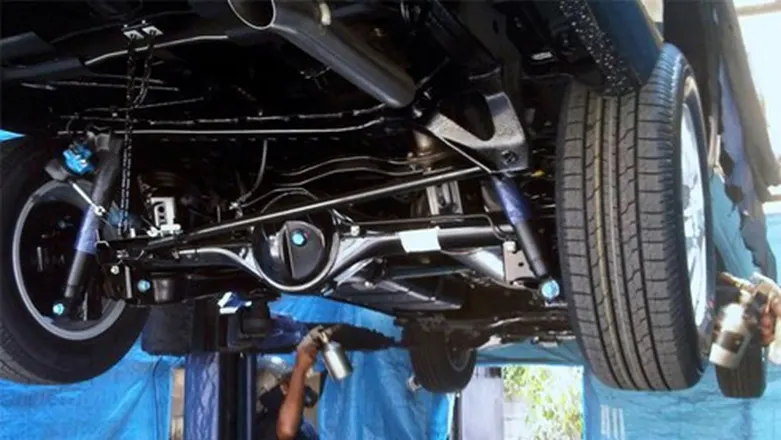
This covering seals breaks and fractures in the vehicle’s underbody. It provides strong corrosion resistance and also binds to the metal. Unlike an asphalt-based coating, the polyurethane coating may be painted over.
Advantages of Undercoating
FIGHTS RUST
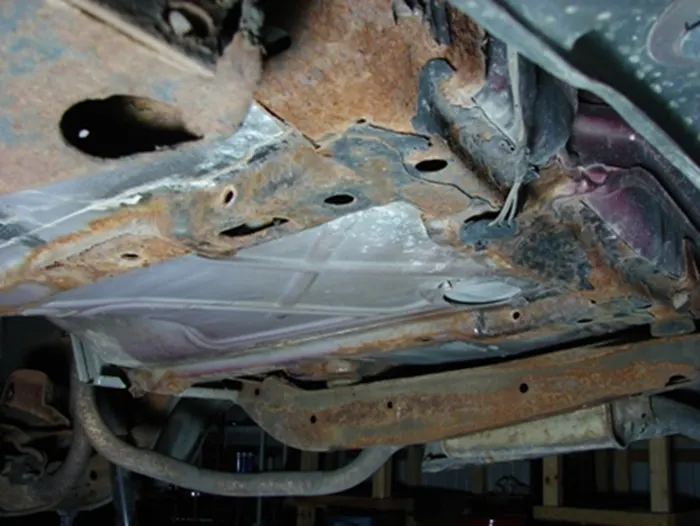
It has a crucial function in preventing corrosion. Underbody coating is particularly useful if you live near the sea, where there is excessive humidity and rust is a common occurrence. If you live somewhere where it snows in the winter, you should seriously consider undercoating. During the monsoon season, cars are at high risk of getting corrosion. If you want to extend your car’s life you should get an underbody coating.
ABSORBS NOISE
Very strong undercoating, realize it or not, can attenuate noises that enter the cabin. The undercoating, which is frequently made of rubber, absorbs part of the rackets. The car’s occupants could avoid the road sounds — at least to some extent. So if you want a quite ride and pleasant experience it is always a good idea to consider getting an underbody coating.
REINFORCEMENT
If your automobile already has an underbody covering, applying another one on top of it will not harm it. It will provide further protection for the underbody from water, road debris, gravel, and tiny stones. The factory coat would also have a lower risk of flaking away.
PROLONG CAR'S LIFE
A good undercoat protects not just the underbody from corrosion, but also the engine and gearbox! Less corrosion combined with slower wear and tear can extend the life of your car by many years. On the undercarriage, there would be fewer dents, dings, and scratches to worry about.
So here you have it guys. What is underbody coating and what is everything you need to know about it? Did we miss anything? Let us know in the comment section below.
The Right Way to Protect Your Vechicle From Corrosion
There are different rustproofing sprays available in the market which you can apply without a mess; however, they would last only for a year or even less just like a paint sealant. We would recommend a DIY ceramic coating if you want a long-lasting solution to apply on body panels, plastic materials, headlights, vinyl, and PPF.
The ceramic coating is a concentrated polymer made from quartz (silica dioxide or SiO2). This automotive coating is available in a liquid formulation, which seeps in the clear coat or porous surface, creating a flat and hydrophobic surface.
The coating dries off, creating a strong and semi-permeant protective layer. This layer blocks UV rays from penetrating into the coating and paint surface. The layer is transparent, so it enhances the shine of the natural color of your car paint, blocking electrolytes and reducing the chances of corrosion at the same time.
How to Undercoat Your Car?
You have a few options to select from while considering an undercoating for your vehicle. Obviously, if you are getting it done through an authorized dealer, then you would have no choice as they have their own preferences.
1.SPRAY
The spray is the most common method used by dealers. The spray consists of a tar-like substance that is applied to the undercarriage. It functions as a barrier for salt, moisture, and oxygen, which causes corrosion.
You can also purchase it as a DIY product, but the whole magic lies behind the method of application, so it’s better to do the job with a dealer, especially if you have a new vehicle.
2.ELECTRONICS
Removing the electrical current capacity of items underneath the vehicles is another method for applying to undercoat. A weak electric current circulates through the material, reducing the chances of rusting.
For using this method, a DIY solution wouldn’t work; you would need an expert.
3.DRIP OIL SPRAY
If you want to do it yourself, then drip oil spray is the best option. This can be messy but incredibly effective at protecting the undercarriage. It covers every nook and corner of the chassis, forming a robust layer of protection.
Time is the factor where you have to show patience in this method. It takes a long time to dry. In some cases, it drips around 48 hours to a week.
4.DRIPLESS OIL SPRAY
Coming to the last option, the dripless oil spray. This waxy substance is applied to the body and undercarriage, forming a strong protective layer. It doesn’t take much time to dry; however, the layer can easily wear and tear than the other counter methods.