Underbody Coating
What is under Body Coating:
Underbody coating is the one of the process its providing long term protection from the corrosion and this is corrosion resistance of a vehicle .
This is done before the painting of the vehicle underbody , here Electroplate deposite or ED bath method used for this process.
in this process car body is immerseed in the ED bath tank ar a certain angle and pfter few minutes it will go to next coating reason. This is called primer region priliminay coating for car.
When we achive this undercoating process correctly then the car body colour will painted better .
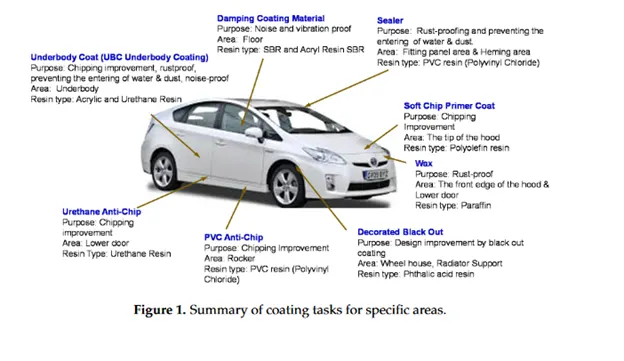
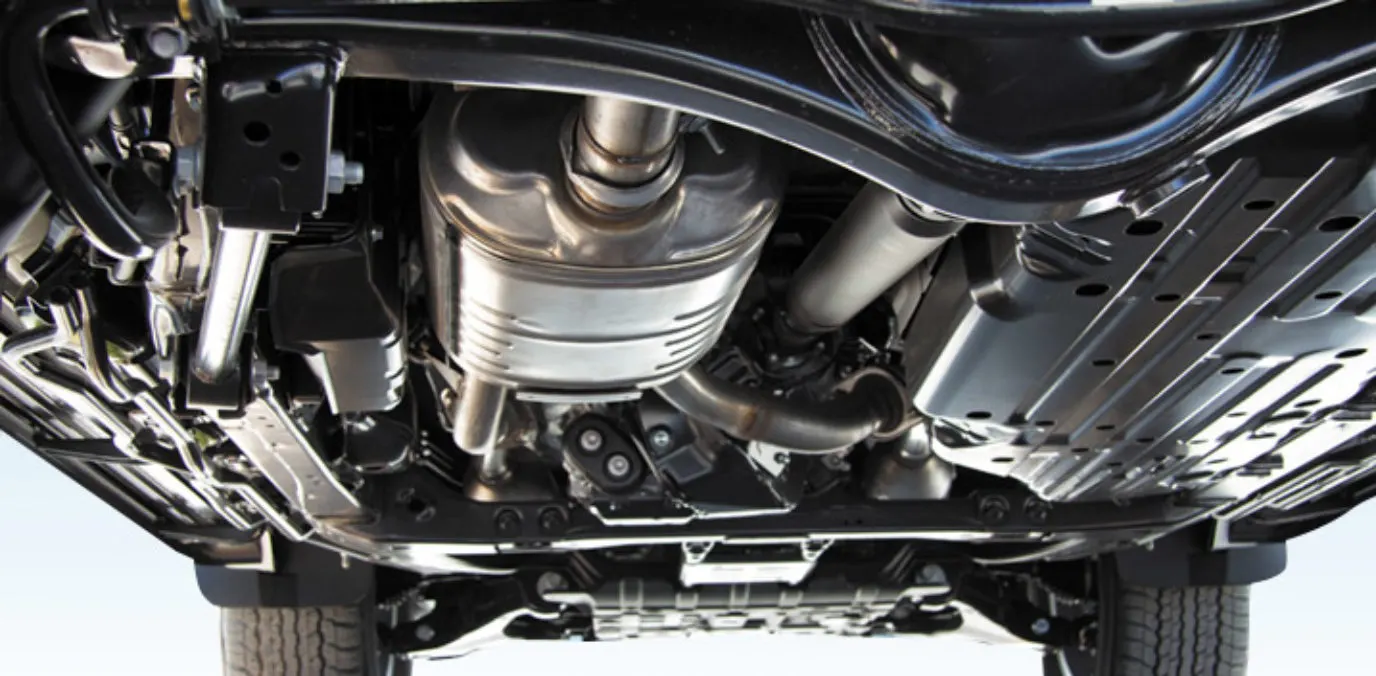
>The above figure clearly explains us about the actual usage of underbody coating,it looks very good after the under body coating completes.
Purpose:
- Protection against corrosion
- Protection of car vital components like silencer,engine, numerous other wires and small engine components for different purposes in the car.
- Car underbody coating prevents paint from chipping
- Covering all the welded joints
UnderBody Coating Types:
1.Rubberized under body Coating:
>This is widely considered to be the best underbody coating for your cars. It protects the underbody from scratches and keeps it properly. It’s also not difficult to apply this to the undercarriage. This can be done at the authorized service center or by the local repair shop at a reasonable price. Rubberized coating is ideal if you want to keep the road noise to a minimum and rust and corrosion away.
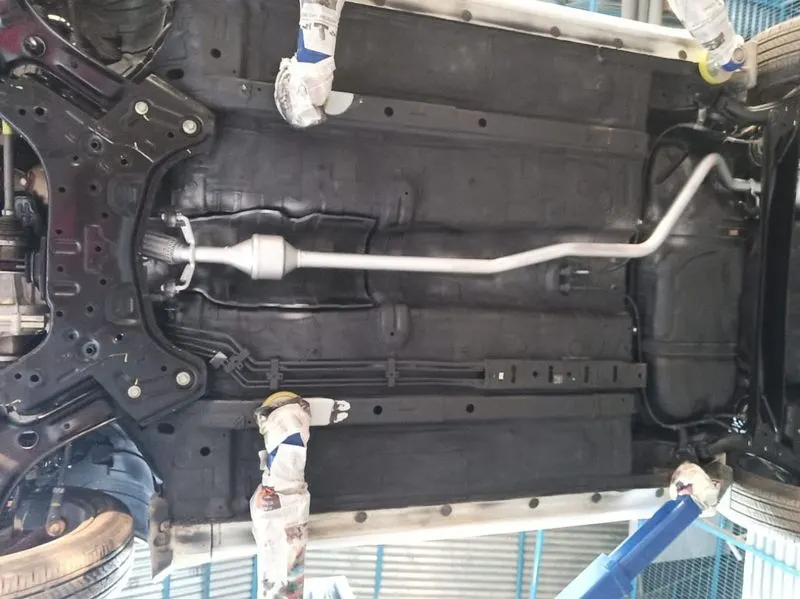
>In addition to your undercarriage, rubberized undercoating is also safe to use on wheel wells and quarter panels, and dries to a soft rubbery finish that prevents further rust, damage, or moisture seeps. The coating can be painted over and, if necessary for bodywork, can be easily removed with an undercoating removal spray.
2.Wax Based Under Body Coating:
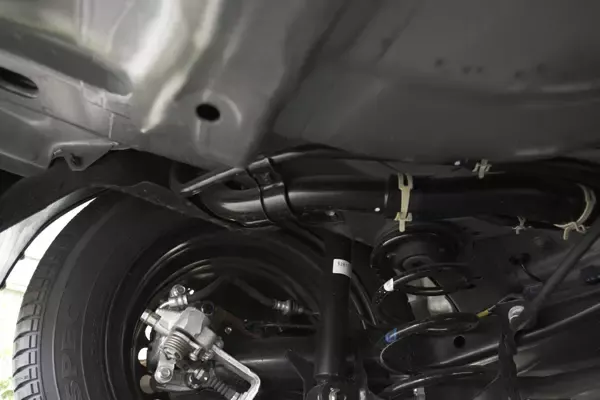
>This transitory undercoating will, on the whole, fade away after a few months. On the plus side, wax-based undercoating is resistant to dampness. It is also the most cost-effective alternative.
3.Asphalt Based UnderBody coating:
>Suitable for lorries, trucks, and other heavy vehicles. In comparison to rubber-based coatings, this gives a higher level of protection. Asphalt-based coatings, on the other hand, incorporate a small quantity of rubber for sound insulation. The application of this coating, however, takes some time.
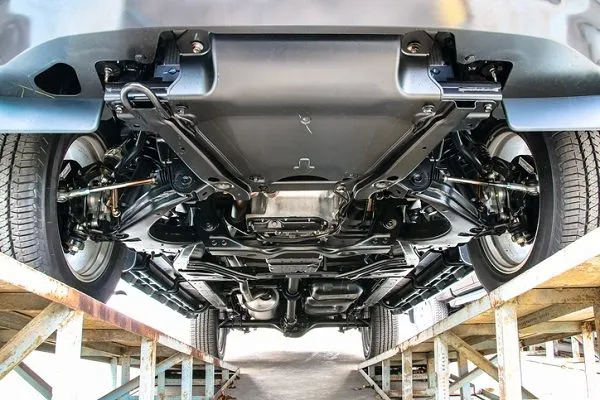
>Asphalt Based Undercoating does require a thicker film thickness meaning you will have to apply more product to the surface to be protected then if you use a Wax Based Undercoating. Additionally, Asphalt based products require more surface preparation because they can actually seal in rust and moisture allowing it to continue to grow. Finally, Asphalt based products continue to dry out over time causing.
4.Polyurethane Under Body Coating:
>This covering seals breaks and fractures in the vehicle’s underbody. It provides strong corrosion resistance and also binds to the metal. Unlike an asphalt-based coating, the polyurethane coating may be painted over.
>Oftentimes, polyurethane undercoating will come in canisters ready to preload into an application gun. This type of sealant works by seeping into all cracks and seams, displacing salt and moisture and oozing around rusty areas to bond with and protect unoxidized metal. It also sands quickly in case you'll need to perform bodywork and can be painted over.On the flipside, this type of car undercoating generally requires a little bit more surface prep work before applying sanding and applying an etching primer to bare metals before using are generally recommended.
Pro's:
1. It provides a layer of protection against corrosion.
2. It will extend the life of your vehicle.
3. It can be applied to damaged areas.
4. It may help to reduce interior noise.
Con's:
1. It is less helpful if corrosion is already present.
2. It works best on new cars.
3. Most vehicles make it five years before corrosion begins to show.
4. It adds weight to the vehicle.
5. An undercoating is not impervious to damage.