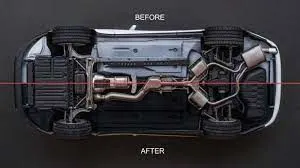
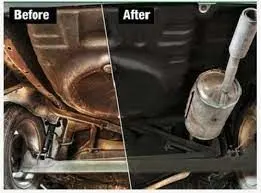
Underbody Coating
Underbody Coating
Definition:
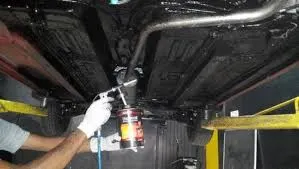
Undercoating is the sprayed application of a wax or rubber-based composite onto the entire underside of the vehicle. It's designed to create a rust-proof layer between the underside of the vehicle and the water, ice, and salt of the road. Undercoating provides a more comprehensive protective layer for your vehicle.
Types:
- Rubberized Underbody Coating.
- Wax Based Underbody Coating.
- Asphalt Based Automotive Undercoating.
- Polyurethane Underbody Coating.
Purpose:
The main purpose of undercoating is to check rust especially in the body components like frame rails along with other exposed metal parts. Underbody coating can also reduce wear and tear
Uses :
- The main reason for getting an underbody coating is to prevent rusting and corrosion
- The car underneath holds vital components like the silencer, engine, and numerous other wires and small engine components for different purposes in the car.
- The underbody coating prevents and absorbs all noise created by the contact of the surface of the road and the car by minimising this.
- The thick layer of underbody coating to prevent paint from chipping.
Cons:
- If the vehicle already has some corrosion it isn’t as effective.
- Undercoating doesn’t work so well on old cars because the residue from under the car has to be removed before the undercoating is applied.
- Undercoating might not be wise if you tend to change cars every few years, since it takes between 3 and 5 years before rust starts to show.
- It makes the vehicle 10 to 20 pounds heavier which affects fuel economy (how far you can travel on one tank of gas).
Before N After Images: