Underbody Coating
UNDERBODY COATING
Your automobile is a significant investment; therefore, you should safeguard it! Corrosion brought on by this rust over time can result in part failure as well as a myriad of other problems. Rust is not simply unsightly; it may also cause a variety of system failures, including leaks that may slowly waste gasoline and potentially the failure of substantial parts like the engine and gearbox. Damage to the system might be annoying. If you don't protect your car with something, you might leave it far more open to system damage. It's critical to take action to avoid rust since it can shorten the lifespan and decrease the residual value of your car while also posing safety risks.
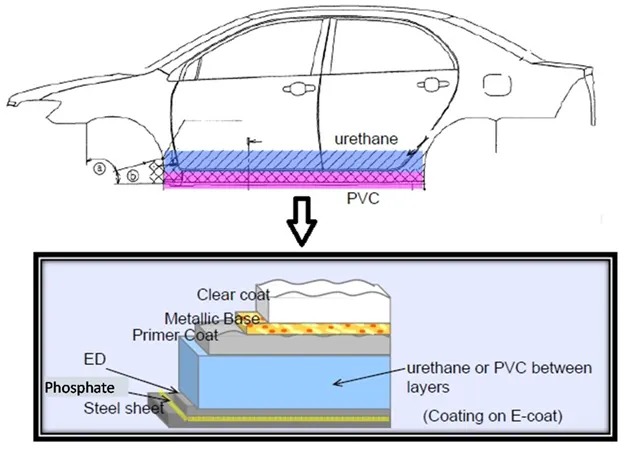
You can choose between traditional soft oil undercoating and hard or rubberized undercoating.Let's first qualify this. You only have one option if you want the application to be successful if your car already has rust.Self-healing soft undercoating If a rock strikes the surface, it won't chip and will self-heal while still retaining the barrier of protection.You should only apply wax or rubberized undercoating to freshly painted, rust-free surfaces.one that you can see and guarantee complete coverage. Every few years, the vehicle has to be examined to make sure the barrier hasn't been crossed. This surface need to be resistant to chipping and abrasion. In order to provide the most thorough protection, we think it is essential to treat the body cavities with both a hard/wax and an oil undercoating.
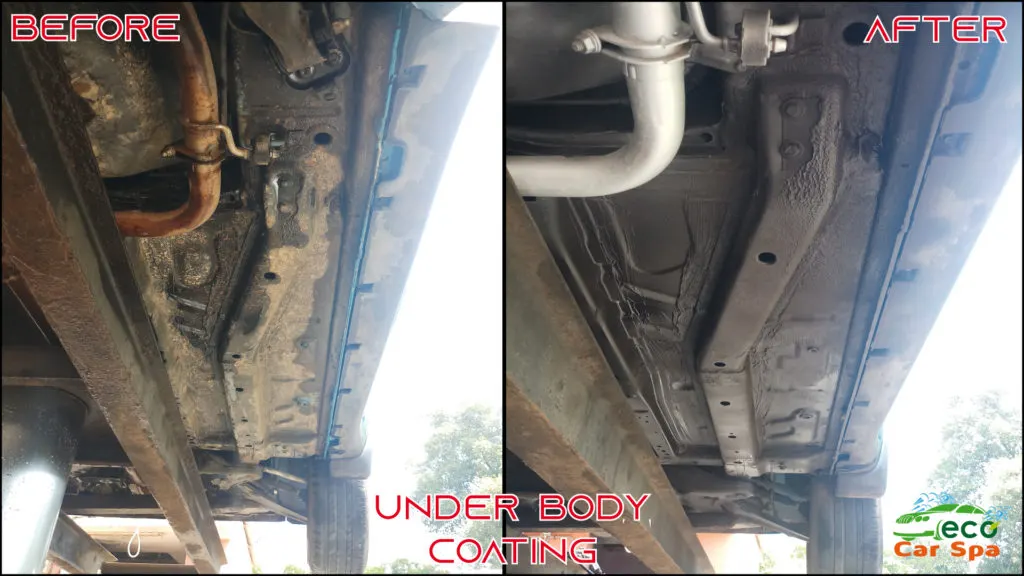
A protective coating mixture for gravel guards and underbodies of motor vehicles that contains, as a proportion of the composition's total weight:
|
PVC (PVAc) Resin |
20-40% |
|
Plasticiser |
30-50% |
|
Adhesion promoter |
0.5 - 1.5% |
|
Natural coated fillers |
20-30% |
|
Additives and Pigments |
1-3% |
|
Swelling Agent |
1-3% |
|
Phenolic resin (resorcin) |
0.2-1.2% |
|
Solvents |
1-3% |
The Fundamentals of Car Undercoating
- When an automobile is brand-new, it is advisable to apply an undercoating. Because of this, the car's undercarriage doesn't yet have any trash, residue, or rust.
- To put it simply, automobile undercoating is a form of protective layer that is placed to the underside of cars.
- Your options include traditional soft oil undercoating or hard or rubberized undercoating.
- Let's first qualify this. There is essentially just one option if you want the application to be successful and your car has current corrosion.
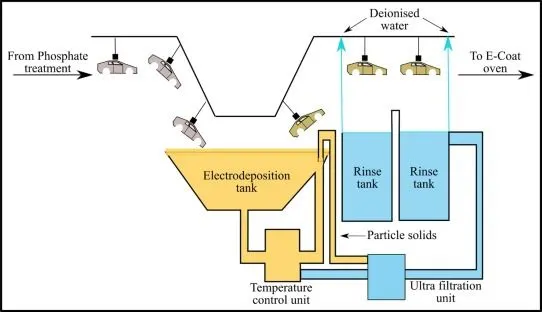
- Hard paint or rubberized wax undercoating won't do anything but trap moisture beneath the surface of the rust, allowing oxidation to proceed.
- When an automobile is brand-new, it is advisable to apply an undercoating. Because of this, the car's undercarriage doesn't yet have any trash, residue, or rust.
- In a nutshell, automotive undercoating is a form of protective layer that is put to a vehicle's underbelly.
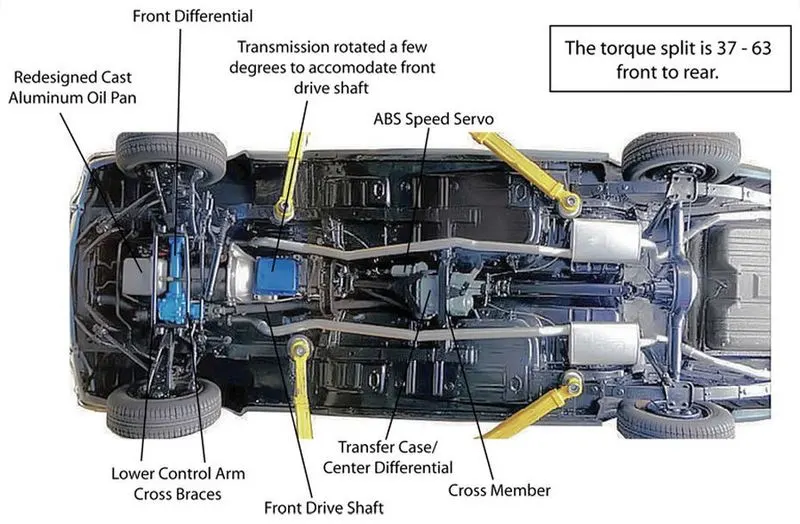
There are several underbody coating kinds, including: -
Rubberized Underbody Coating
This is widely regarded as your car's best underbody covering.
- It keeps the underbody in good condition and guards against scratches.
- It's not difficult to apply this to the undercarriage either.
Wax Based Underbody Coating
This temporary layer will disappear in a few months. Wax-based undercoating, on the other hand, fights moisture well. It is also the most cost-effective choice available.
Asphalt Based Automotive Undercoating
When compared to rubber-based coatings, this offers a higher level of protection and is best suited for big vehicles like trucks and lorries. However, asphalt-based coatings include a little amount of rubber in them to act as a sound insulator. However, the application of this coating takes some time.
Polyurethane Underbody Coating
This coating fills cracks and fissures in the vehicle's underbody. It binds with the metal and provides effective corrosion prevention. You may paint over the polyurethane coating, unlike with an asphalt-based finish.
Advantage of the Underbody Coating
It could contribute to lessening indoor noise.
The road might make loud noises when you're driving. For drivers of lightweight automobiles, noise pollution can occasionally be debilitating. A layer of undercoating applied forms a soundproof barrier, making the inside substantially quieter. Many drivers discover that their vehicle's audio levels have significantly decreased when the servicing is completed.
It is self-applyable.
The finest rustproofing results come from having a professional perform this task on your car. However, if money is an issue and you possess some fundamental auto repair knowledge, you may do the task yourself.NHOU offers free seminars and instructional videos.Depending on the type and model of your car, this service done at the dealer may cost up to $1,000. Some dealers offer it in an even more expensive service bundle. When you handle the task yourself, the price for automobiles may be less than $100 and for trucks and SUVs, it can be around $150.Just be aware that using a DIY undercoat will result in a little bit of a mess.
It will increase the value and life of your car.
A good undercoat helps your car last longer. The integrity of the metals in your car is not the only thing that is impacted by corrosion. It can enter your metal wires and cables and damage any steel or aluminum-based component. When a car undercoating isn't done, even your engine and gearbox are susceptible to rust.
Cons of undercoating
Oil-based For maximum effects, rustproofing must be done again every year.
A regular repetition of the treatment is necessary for an undercoating to continue protecting your car. Most owners don't need to worry about their underbelly being affected when a fresh coating is put each year. This is essential in situations that are salty or damaging. Waiting until you experience structural breakdown or fail a safety check is not advisable. Rust should be treated like any other vehicle maintenance issue.
What is the lifespan of undercoating?
The climate it is exposed to and how the RV is used will determine how long the undercoating is effective. For instance, the undercoating on a parked trailer may remain for years. Due to probable chipping from impacts on the frame, a motorhome or trailer that travels a lot may need reapplication sooner. To maintain integrity, undercoating should still be visually examined once a year.
Reasons to Undercoat Your RV
Due to the architecture of RVs, undercoating is more advantageous than rust proofing. Recreational vehicles are constructed on top of an open rolling-chassis or trailer frame, unlike automobiles, which have sealed compartments and tubular frames. Almost all of this frame is accessible, and all exposed portions may have undercoating applied. It becomes a simple decision for a recreational vehicle because undercoating also offers defence against heat, stress, noise, and dampness and doesn't need to be reapplied every year.