Underbody Coating
UNDERBODY COATING
- Underbody coating is a thick cladding (typically made of rubber) that is placed uniformly to the car’s underside.
- In Indian road conditions, a cars underbody is most prone to corrosion. Underbody coating provides long term protection from corrosion to car’s underbody.
- It also protects parts like internal body panels, frame rails and other inner cavities that are not physically accessible but are prone to corrosion.
- When the automobile is fresh off the lot and spotless, it is usually sprayed or painted on. But it’s acceptable if you apply the undercoating after a couple of years. This is because it might protect the undercarriage from additional harm.
PURPOSE
Rust Prevention
Ideally any additional underbody coating should be applied when the car is brand new and clean. Car manufacturers use thick paints and sealants for the underbody, but adding an underbody coat especially in coastal cities is useful. Salt water tends to corrode cars really badly.On bad roads, flying stones and pebbles can chip off the original underbody coating and leave the metal exposed. Using an aftermarket underbody coating offer extra protection.
Sound insulation
The thicker underbody coatings used on cars also act as effective sound dampeners. They can reduce road noise and tyre noise and make the cabin seem quieter – due to the sound absorptive nature of rubberized paints.
Easy maintenance
A uniform black underbody coating gives a car a clean look. It also makes the car easier to maintain by just hosing the underside down. You can be confident that slush build up won’t lead to rusting easily. Most underbody coats these days come with a five-year warranty, which is the lifetime of such a coating.
WAYS OF UNDERCOATING
Spray
The spray is the most common method used by dealers. The spray consists of a tar-like substance that is applied to the undercarriage. It functions as a barrier for salt, moisture, and oxygen, which causes corrosion.You can also purchase it as a DIY product, but the whole magic lies behind the method of application, so it’s better to do the job with a dealer, especially if you have a new vehicle.
Electronic
Removing the electrical current capacity of items underneath the vehicles is another method for applying to undercoat. A weak electric current circulates through the material, reducing the chances of rusting.For using this method, a DIY solution wouldn’t work; you would need an expert.
Drip Oil Spray
If you want to do it yourself, then drip oil spray is the best option. This can be messy but incredibly effective at protecting the undercarriage. It covers every nook and corner of the chassis, forming a robust layer of protection. Time is the factor where you have to show patience in this method. It takes a long time to dry. In some cases, it drips around 48 hours to a week.
Dripless Oil Spray
Coming to the last option, the dripless oil spray. This waxy substance is applied to the body and undercarriage, forming a strong protective layer. It doesn’t take much time to dry; however, the layer can easily wear and tear than the other counter methods.
TYPES OF UNDERBODY COATING
1.Rubberized Underbody Coating
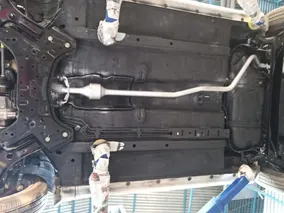
This is widely considered to be the best underbody coating for your car. It protects the underbody from scratches and keeps it properly. It’s also not difficult to apply this to the undercarriage. This can be done at the authorized service center or by the local repair shop at a reasonable price. Rubberized coating is ideal if you want to keep the road noise to a minimum and rust and corrosion away.
2. Wax Based Underbody Coating
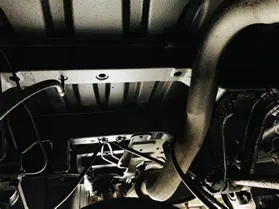
This transitory undercoating will, on the whole, fade away after a few months. On the plus side, wax-based undercoating is resistant to dampness. It is also the most cost-effective alternative.
3. Asphalt Based Automotive Undercoating
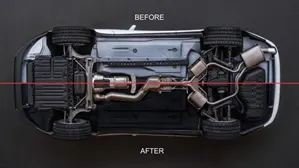
Suitable for lorries, trucks, and other heavy vehicles. In comparison to rubber-based coatings, this gives a higher level of protection. Asphalt-based coatings, on the other hand, incorporate a small quantity of rubber for sound insulation. The application of this coating, however, takes some time.
4. Polyurethane Underbody Coating
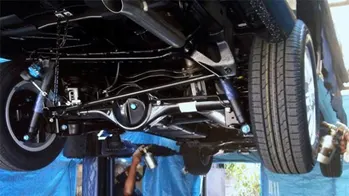
This covering seals breaks and fractures in the vehicle’s underbody. It provides strong corrosion resistance and also binds to the metal. Unlike an asphalt-based coating, the polyurethane coating may be painted over.
Advantages of underbodycoating
Fights Rust
It has a crucial function in preventing corrosion. Underbody coating is particularly useful if you live near the sea, where there is excessive humidity and rust is a common occurrence. If you live somewhere where it snows in the winter, you should seriously consider undercoating. During the monsoon season, cars are at high risk of getting corrosion. If you want to extend your car’s life you should get an underbody coating.
Absorbs Noise
Very strong undercoating, realize it or not, can attenuate noises that enter the cabin. The undercoating, which is frequently made of rubber, absorbs part of the rackets. The car’s occupants could avoid the road sounds — at least to some extent. So if you want a quite ride and pleasant experience it is always a good idea to consider getting an underbody coating
Reinforcement
If your automobile already has an underbody covering, applying another one on top of it will not harm it. It will provide further protection for the underbody from water, road debris, gravel, and tiny stones. The factory coat would also have a lower risk of flaking away.
Prolong Car’s Life
A good undercoat protects not just the underbody from corrosion, but also the engine and gearbox! Less corrosion combined with slower wear and tear can extend the life of your car by many years. On the undercarriage, there would be fewer dents, dings, and scratches to worry about.
Disadvantages of underbodycoating
It is less helpful if corrosion is already present
For an undercoating to be the most effective, it should be in place before the underbelly of your car begins to rust. If you apply it over corrosion, you will still isolate the metal from further moisture and airflow, which is good, but the existing oxidizing/rusting process will still continue to occur. After rust is already present, applying an undercoating will slow the continuation of the corrosion process and will make your vehicle look better… until the rust breaks its way through the layer of undercoating you’ve applied. If you have rust present, it is better to remove the rust and then apply the undercoating.
It works best on new cars
If you’ve purchased a used vehicle, then the cost of preparing the underbelly for an undercoating might be more than the value of the car. You must remove all the residue from the bottom before it can be applied. Failing to do so will seal in the debris that is present already, which can lead to more problems.
A third-party undercoating service might void your vehicle’s warranty
Some new cars no longer need the undercoating service provided because the structure of the vehicle has it built-in already. If you hire a third-party provider to apply an undercoating, you could void the corrosion-perforation warranty that is factory-provided. Most vehicles today that leave the factory floor are all provided with included rust-proofing.
It adds weight to the vehicle
Although the amount of weight added to a vehicle with an undercoating is minimal (between 10 to 20 pounds for most vehicles), there is a small element of fuel economy to consider. When your vehicle weighs more, the distance you can travel on a single tank of fuel is reduced. The undercoating might reduce your efficiency by up to one mile per gallon.