Underbody Coating
UNDERBODY COATING
Aim:-
This report explaining about under-body coating and types.
Introduction:-
Under-body coating is a thick resilient coating applied to the under-body or chassis of an automobile to protect against impact damage from small stones, which would rapidly chip ordinary paint, allowing rusting to begin. Under-body coating provides long term protection from corrosion to car’s under-body.
Everything You Need to Know Under-body coating is a thick cladding (typically made of rubber) that is placed uniformly to the cars underside. When the automobile is fresh off the lot and spotless, it is usually sprayed or painted on. But its acceptable if you apply the undercoating after a couple of years.
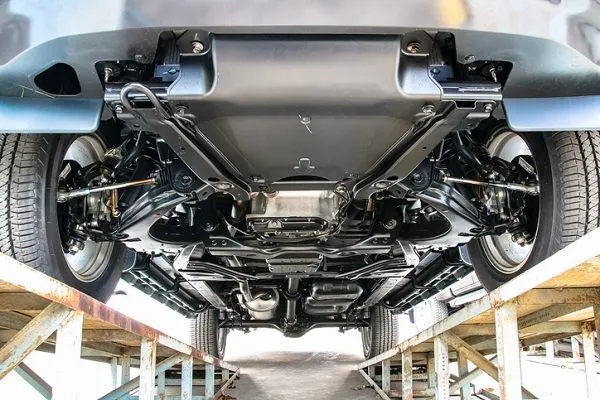
Types of Under-body Coating:-
- Rubberized Under-body Coating
- Wax Based Automotive Undercoating
- Asphalt Based Automotive Undercoating
- Polyurethane Under-body coating
Rubberized Under-body Coating:-
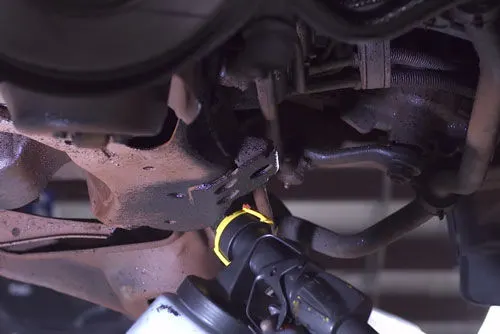
This is widely considered to be the best under-body coating for your car. It protects the under-body from scratches and keeps it properly. It’s also not difficult to apply this to the undercarriage. This can be done at the authorized service center or by the local repair shop at a reasonable price. Rubberized coating is ideal if you want to keep the road noise to a minimum and rust and corrosion away
Wax Based Under-body Coating:-
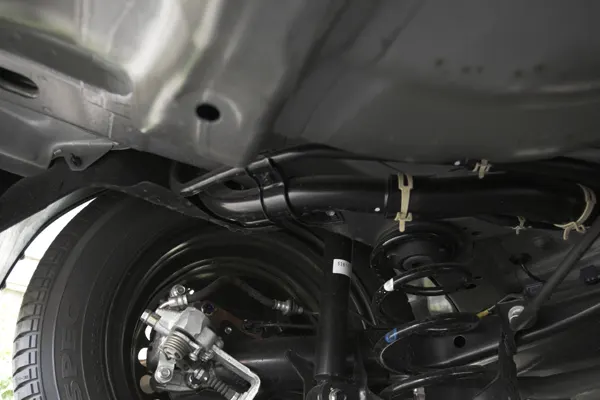
This transitory undercoating will, on the whole, fade away after a few months. On the plus side, wax-based undercoating is resistant to dampness. It is also the most cost-effective alternative.
Asphalt Based Automotive Undercoating:-
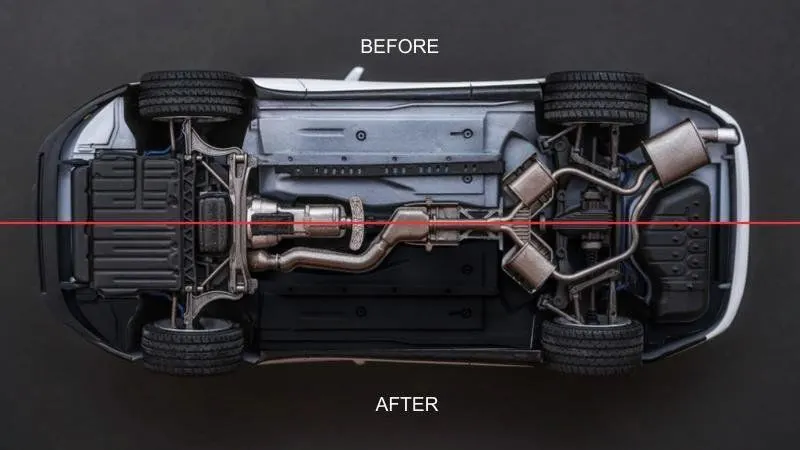
Suitable for lorries, trucks, and other heavy vehicles. In comparison to rubber-based coatings, this gives a higher level of protection. Asphalt-based coatings, on the other hand, incorporate a small quantity of rubber for sound insulation. The application of this coating, however, takes some time.
Polyurethane Under-body Coating:-
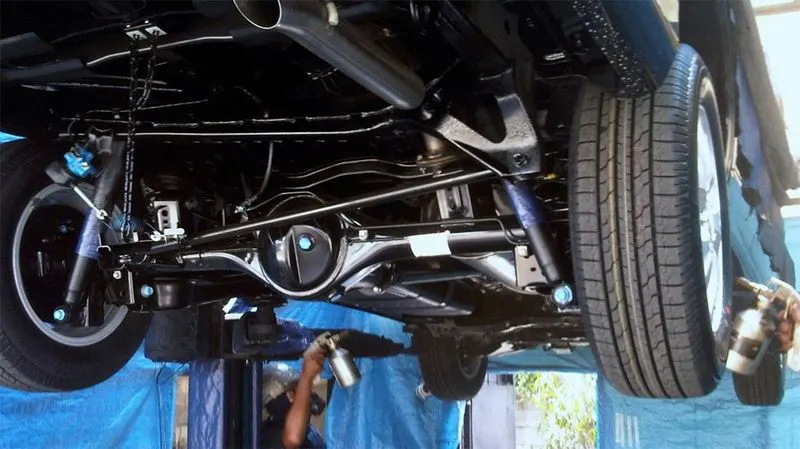
This covering seals breaks and fractures in the vehicle’s under-body. It provides strong corrosion resistance and also binds to the metal. Unlike an asphalt-based coating, the polyurethane coating may be painted over.
Advantage:-
It play an important role in keeping corrosion at bay . under body coating can come in handy especially if you live near the sea, humidity is more it can effect the car to get rust when we under-body coating it could cannot effect the corrosion .
Disadvantage:-
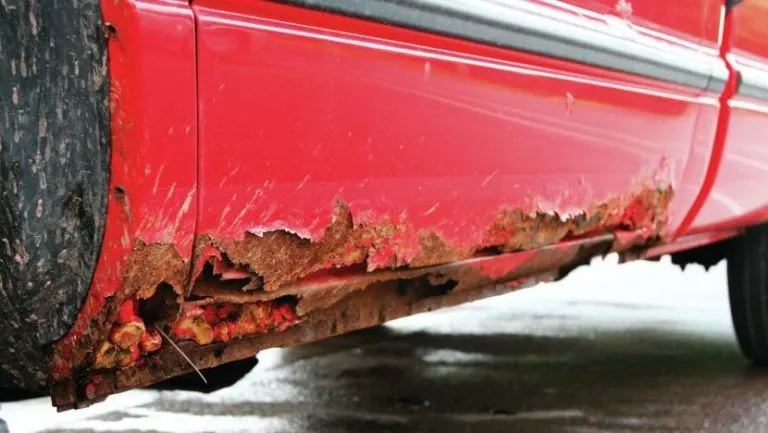
- For an undercoating to be the most effective, it should be in place before the underbelly of your car begins to rust. If you apply it over corrosion, you will still isolate the metal from further moisture and airflow, which is good, but the existing oxidizing/rusting process will still continue to occur. After rust is already present, applying an undercoating will slow the continuation of the corrosion process and will make your vehicle look better… until the rust breaks its way through the layer of undercoating you’ve applied. If you have rust present, it is better to remove the rust and then apply the undercoating.
- Undercoating will work best on new vehicles that have not been exposed to road conditions.
Absorbs Noise
Believe it or not, very thick undercoating can soften the noises that reach the cabin. Since the undercoating is often made up of rubber it absorbs some of the rackets. The occupants of the car could spare themselves of the road noises – at least up to a certain extend.
Conclusion:-
As a final conclusion we can say that underbody coating is a must to make sure the under-body is give a layer of protection from all effects .