Underbody Coating
UNDER-BODY COATING
Automotive Underbody Coatings:
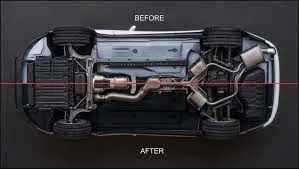
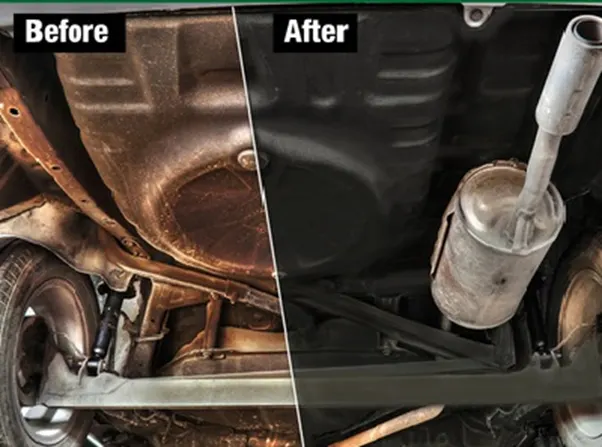
Underside of vehicles serves as an intermediate between metal components of a vehicle and outer environment. Underbody of vehicles is prone to damages due to harsh environmental conditions. Coatings are applied to the underside of vehicles to protect them against factors such as corrosion, chemicals, moisture, water damage, and chipping of the underbody. Automotive underbody coatings offer a protective layer to vehicles’ underside.
Most of these coatings provide chemical and corrosion resistance, along with several other properties based on different product formulations. Protection of underbody and wheel arches against chip damage is achieved by applying automotive underbody coatings, which protect the metal from debris of gravel, stones, salts, etc. tossed by the road.
Coating process of a vehicle body (automotive coating process) comprises minimum five layers of paint, while the underbody coating process comprises the first two layers in the overall coating process. These two layers provide durable protection against corrosion; however, damage over time requires renewal of these coatings. Automotive aftermarket service providers often provide these services during scheduled vehicle maintenance.
Automotive underbody coatings also offer protection against humidity, moisture, and wet conditions that can seep through the undercarriage of a vehicle through joints or cracks in the paintwork; and cause corrosion.
Elasticity of polymers used in automotive underbody coatings allows for low noise when struck by road debris compared to that with uncoated underbody. As a result, vibrations of vehicles are dampened and kept to a minimum.
Benefits:
Minimizes Sound: It minimizes the sound from underneath the car resulting a noiseless, smooth driving experience.
Heat Insulation: It insulates the interior of the car from extreme temperatures from beneath the vehicle providing a comfortable cabin experience.
Anti-chipping property: If any stone hits the coating it does not get chipped away hence protects the underbody from exposure to water.
TYPES OF UNDERBODY COATING:
- Rubberized Undercoating
- Polyurethane Undercoating
- Wax or Paraffin-Based Undercoating
- Asphalt-Based Undercoating
RUBBERIZED UNDERBODY COATING:
Rubberized undercoating’s do a great job of keeping existing rust all covered up and looking sharp, but it does absolutely nothing to slow down the spread of rust and corrosion sometimes the trapped air and moisture may even contribute to rust formation.
Uses: It is an easy-to-use black rubberized protective coating. It provides corrosion protection from water, salt and other chemicals. Its helps deaden sound and provides a barrier against rust on cars, trucks, trailers and other recreational vehicles.
POLYURETHANE UNDERCOATING:
Polyurethane Undercoat may be top-coated with either acrylic or polyester urethane finishes and is especially formulated as an undercoat or sealer under AY&B Elite® Pro-Spray Linear Polyurethane and Elite® 321 Brushing Polyurethane finish coats.
WAX OR PARAFFIN-BASED UNDERCOATING:
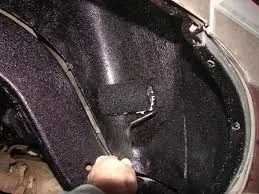
Wax or Paraffin-based undercoating’s have a wax inclusion that makes them stronger than water-based undercoating’s. Paraffin-based undercoating’s can be purchased through an automotive store in spray and paint-on formats. ... Paraffin-based undercoating needs to be replaced at least once a year at the vehicle owner's expense.
ASPHALT-BASED UNDERCOATING:
Asphalt Based Undercoating does provide some benefits over Waxed Based Undercoating. They both stick well to most any surfaces and do a great job sealing out moisture, road chemicals and oxygen. But mainly, Asphalt undercoating has the benefit of being less expensive.
Advantages of Underboady coating:
- Undercoating gives an extra layer of protection against rust and corrosion, protecting your car.
- Undercoating will eventually wear out, but you can get years of protection from it. Even vehicles in warmer climates gain protection as debris is repelled and kept away from eating at the vehicle.
- It can be self-applied.
- It minimizes the sound from underneath the car.
- It insulates the interior of the car from the extreme temperature from beneath the vehicle.
- The coating does not chip away when hit by stones
Disadvantages of Underboady coating:
- Undercoating will not help you if corrosion already exists and the corrosion needs to be removed first before it can be applied, which can be expensive for you.
- It must be reapplied every 3 to 5 years for the best results
- It adds weight to the vehicle.