Underbody Coating
UNDERBODY COATING:
Underbody coating is usually a dense cladding (often based on rubber) applied uniformly to the undercarriage of the automobile. It is normally sprayed or painted on when the car is just out of the dealership and is clean. But even if you are getting the undercoating applied after a couple of years, it’s fine too. This is because it can prevent further damage to the undercarriage.
TYPES OF UNDERBODY COATING:
- Rubberized Underbody Coating.
- Wax Based Underbody Coating.
- Asphalt Based Automotive Undercoating
- Polyurethane Underbody Coating.
Rubberized underbody coating
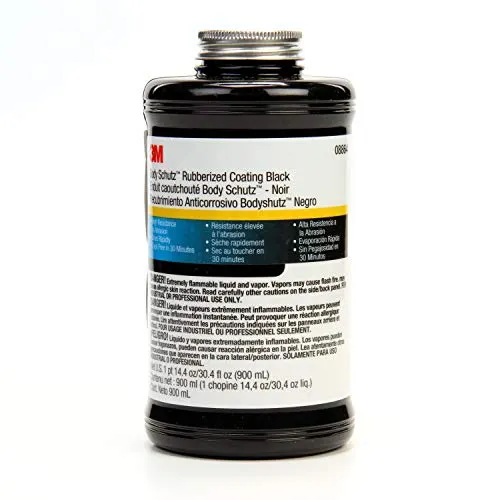
This is generally thought of as the best underbody coating for your car. It preserves the underbody well, protecting it from scratches. Applying this to the undercarriage is not much of a hassle either.
Advantages:
- Easy to apply
- Quickly applied with no fuss
- Undercoat can be painted for a neat finish
- Provides satisfactory protection
- The simplest way to undercoat your car
- Safe to apply
- Truly dries to a soft rubbery finish that prevents further rust, damage, or moisture.
Wax or Paraffin-based Undercoating
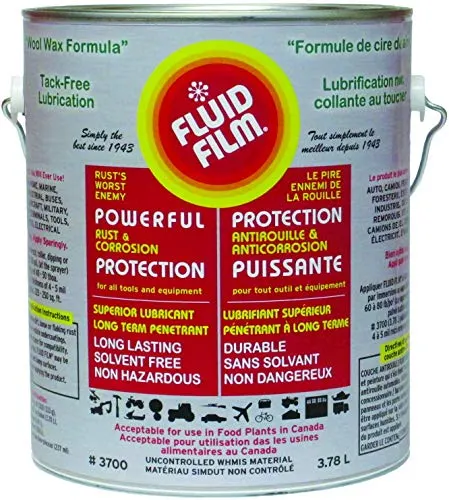
It is the preferred undercarriage coating for cars often driven on highways and normal roads. Sometimes referred to as wax-based undercoating, it provides sufficient guard for cars in fairly moist regions.
Advantages:
- Readily flows into seams to guarantee any exposed and prone surfaces are protected
- The most inexpensive undercoating option
- Conveniently available in spray guy canisters or aerosol cans.
Disadvantages:
- Wears off quicker in comparison to other types
- Unlike the rubberized type, it does not really dry
- Needs to be stripped and reapplied at least once a year as soon as signs of wear and tear start to show
Asphalt Baser Undercoating
Best suited for lorries, trucks and large vehicles this provides a greater degree of protection compared to rubber-based coatings. However, asphalt-based coatings contain little amounts of rubber for sound-insulation purposes. The process of applying this coating is a bit time-consuming though.
Advantages:
- Formulated to protect from dirt, rust, and corrosion, it normally has a shelf life of up to two years. Sold in five-gallon containers
- Provides extra durability as it is the strongest and thickest undercoating available
Examples of asphalt-based undercoats are Rust Bullet, an automotive inhibitor paint for rust preventive and protective coating. As well as Skyco-Ospho protective coating.
Disadvantages:
- It takes time to harden and so requires more cure time than the other three types
- Unlike the other three, it is also, not paintable as such, not very aesthetically suitable for standard vehicles
- For best used only for the undercarriages of utility vehicles and trucks
- The only type of undercoating with a limited warranty
Polyurethane Underbody Coating
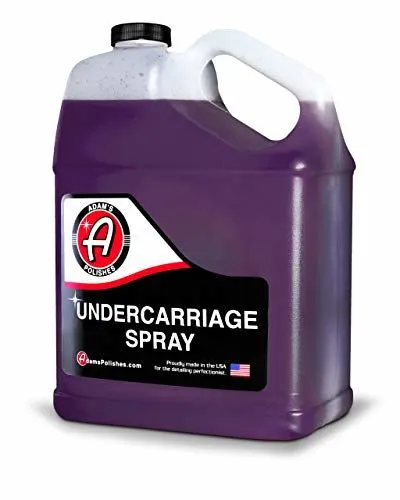
This coating closes up splits and fractures on the underbody of the vehicle. It offers up good protection against corrosion and also bonds with the metal. Unlike in the case of asphalt-based coating, you can paint over the polyurethane coating.
Advantages:
- It has a long lifespan and is resistant to wear and tear
- Easily and quickly applicable
- Trickles into cracks and rusty spots already present on the underbelly of your car and fills them, hence protecting the underlying metal
- Quick and simple to remove, as it sands easily
- Dislodges salt, moisture, and oozing around rusty areas to bond with and protect unoxidised metal
- Can be painted over
Disadvantages:
- For better adherence, needs undercarriage preparation before application
- Requires time-consuming etching with primer to bare metals