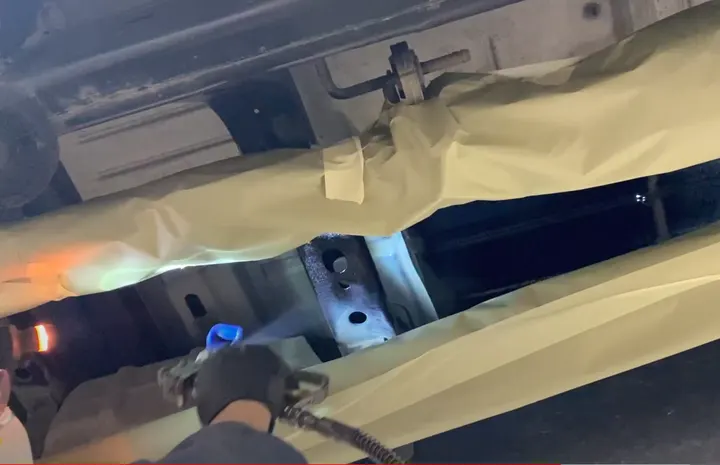
Underbody Coating
Underbody Coating
Introduction:
Cars around the world are driven in different conditions such as Sand, Road (tar or concrete), Mud and Snow, the under surface of the vehicle is prone to damage like scratches, corrosion, stone chipping, etc. Underbody Coating helps in protecting the under surface of the vehicle and optimizing the service life of the vehicle. It also protects parts like internal body panels, frame rails and other inner cavities that are not physically accessible but are prone to corrosion. During the manufacture of a car or any other vehicle the a layer of protective coating is sprayed on the undersurface and also various areas are provided or covered with sealants to make the under side of the vehicle dust- and waterproof. Just like car repairs and services it is important to keep check on the underbody coating, it has to redone once in a while to maintain the service life for the vehicle may for a duration of a few years or after certain number of kilometers.
A very good Underbody Coating also increases the value of the car, it determines how well the car manufacturing company has taken responsibilities in maintain not only the outer esthetics but also has taken care of the under surface. Different countries and car companies have different standards or types of underbody coatings. The underbody coating cost depends on the budget of the car, segment of the car and purpose of the car(i.e., is the car used to transport only people or only goods or both or is it a luxury car, etc.).
Process:
For a new car the underbody coating is applied during the process of the painting. Initially the car body is dipped in the ED Bath and is dried to make the ED deposits on the car body uniform by throughly checking for any spots where more paint or no paint is present and the ED bath process can be carried out multiple times. Once the ED Bath is completed the underbody coating is carried out. Sealants are applied to close the spot welds and other joining areas and later the underbody coating is sprayed and care is taken to ensure uniform distribution of under coat.
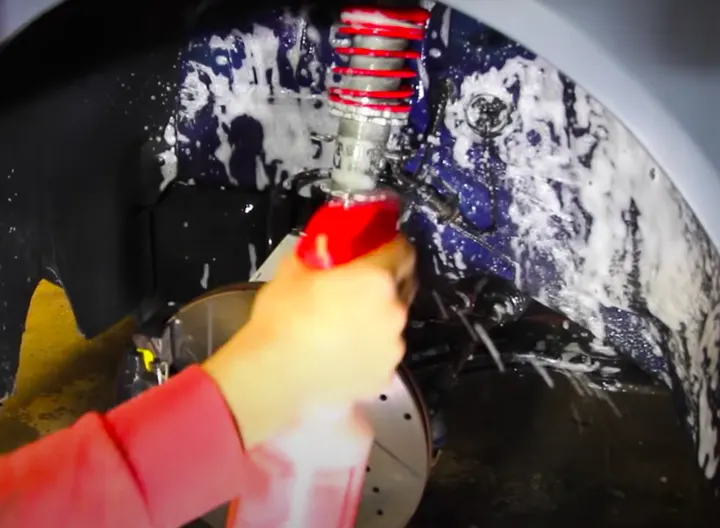
For an old or used car the underbody coating process is different. Here the rust and dirty is initially removed by use of certain chemical or scrubbing. Once the rust and dirt are removed the underbody is thoroughly washed and is dried using high pressure blowers to ensure there is no moisture or specs of dirty still remaining on the underbody. Once the underbody is completely dry the coating is sprayed uniformly. Multiple layers of the coating are applied depending on the requirement of the customer or how much the customer is willing to spend on the underbody coating.
Types of Underbody Coatings:
1. Rubberized Undercoating is very easy to apply and is one of the best protective coats that can be applied to a car. It provides a soft rubbery finish once it dries off.
2. Asphalt based Undercoating is used when higher level of protection is required and is suitable for large trucks, recreational vehicles, and heavy machinery. It’s formulated with some bits of rubberized material to aid in noise reduction. It offers extra protection against chips and moisture but is not paintable and, therefore, only suitable for undercarriages.
3. Polyurethane Undercoating seals the cracks and seams and it very easy to apply. This undercoat prevents the metals from oxidizing from salts and moisture. This undercoat is sprayed on the underbody using spray guns.
4. Wax or Paraffin based Undercoating is for temporary or short term undercoats are easiest to apply and are the cheapest of all undercoats. It provides moderate protection and is not recommended for long term or high protection.
Benefits:
• Underbody coating reduces the sound from outside (Esp. from underneath the car) entering into the car cabin and thereby aiding a noiseless and smooth driving experience.
• It also insulates the car cabin from the heat or cold or dirt emerging from the ground/beneath the car.
• It protects the underbody metal of the car from stones hitting which tend to scratch the underbody. These scratches when come in contact with water or moisture they are susceptible to corrosion and this in-turn leads to high maintenance of the car.
• When the car is very well taken car not just on the upper surface and even on the underbody it will have a very good resale value.
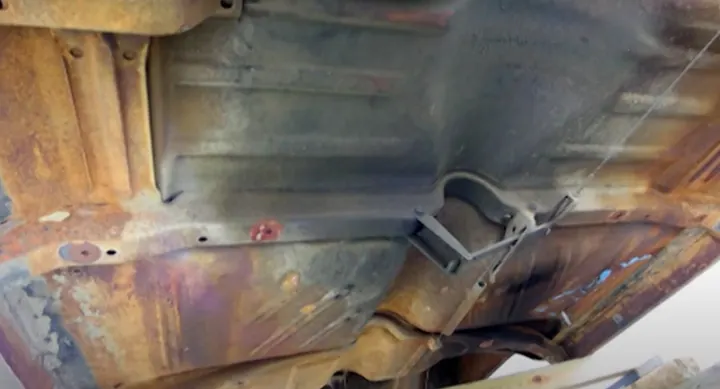
Rusted underbody
Cleaning the underbody using chemicals, washing and drying
Application of sealant
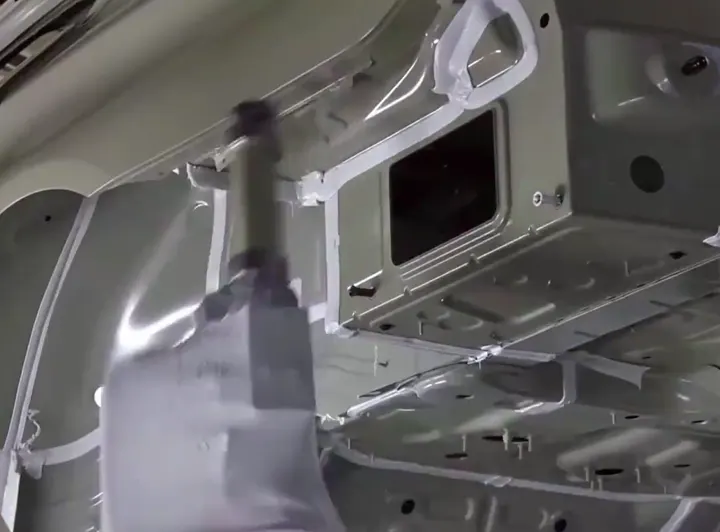
Spraying the undercoat