Underbody Coating
Under-Body coating:
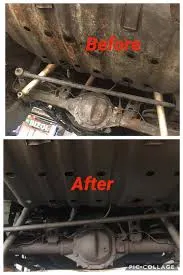
This procedure is used to maintain the vehicle and protect it from external factors like moisture and rust. Underbody coating is usually a dense cladding (often based on rubber) applied uniformly to the undercarriage of the automobile. It is normally sprayed or painted on when the car is just out of the dealership and is clean.
There are 4 types of under-body coating available in the market:
1. Rubberized undercoating:
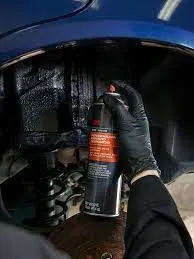
The greatest protective covering for a car's undercarriage is rubberized undercoating, which is simple to apply. It protects surfaces from rust, dampness, dents, and dings. Wheel wells and quarter panels can be safely covered with rubberized undercoating, which dries with a supple rubbery feel.
2. Asphalt based undercoating:
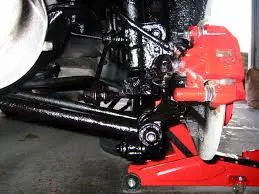
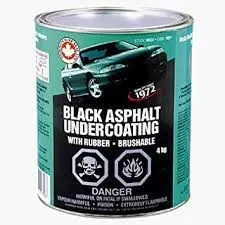
It offers a higher level of protection ideal for large machinery, trucks, and lorries. To help with noise reduction, it is built of a few pieces of rubberized material. Although it cannot be painted, it provides further defence against chipping and dampness.
3. Polyurethene undercoating:
Before application, this kind of underbody coating necessitates surface preparation work like degreasing and adding an etching primer to the bare metal. It works by caulking cracks and is simple to apply. The substance protects the unoxidized metal from rust and replaces salt and moisture. It is frequently offered for sale in preloaded canisters for application guns.
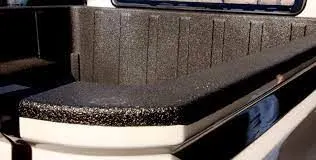
4.Wax or paraffin based undercoating:
The least expensive and fastest choices are undercoating sprays with a wax or paraffin basis. However, their effects are short-lived, and after just a few months you could need to apply a new coat. On a metal surface, the wax is also not particularly sticky. Its primary benefit is that it seeps fast into cracks and seams and provides only fair protection.
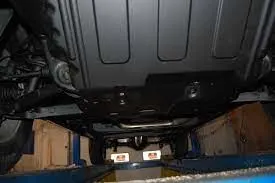
- pros and cons regarding the underbody coating:
Pros:
- Increases the lifespan of the vehicle and keeps the moisture and rust away that is responsible for the underbody damage.
- It prevents vibration and dampens the engine noise of the vehicle.
- It will also give some strength to the body depending upon the thickness of the coating.
- Even vehicles in warmer climates gain protection as debris is repelled and kept away from the vehicle.
Cons:
- On brand-new automobiles that have not yet been subjected to road conditions, undercoating will perform best. A secondhand car could already have dirt or even rust and corrosion indentations on the undercarriage. for those incidents underbody coating would not help.
- A good underbody coating may be a little expensive.
- For the wax or paraffin based coating, because of it being inexpensive it tends to wear off quickly and reapplying has to be done after some months which would be annoying for many people.