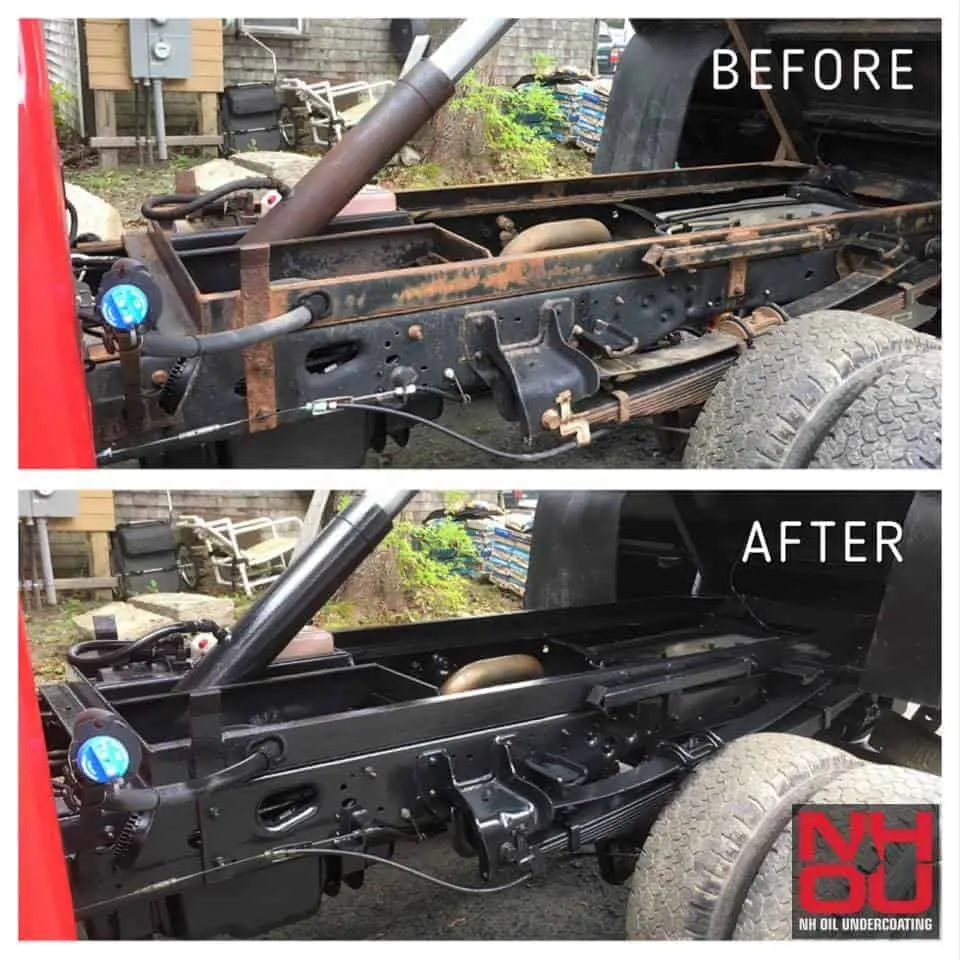
Underbody Coating
Underbody Coating :
The main purpose of undercoating is to check rust especially in the body components like frame rails along with other exposed metal parts. Underbody coating can also reduce wear and tear. In Indian roads car underbody is prone to rust easily as because of the seasonal & humid conditions.
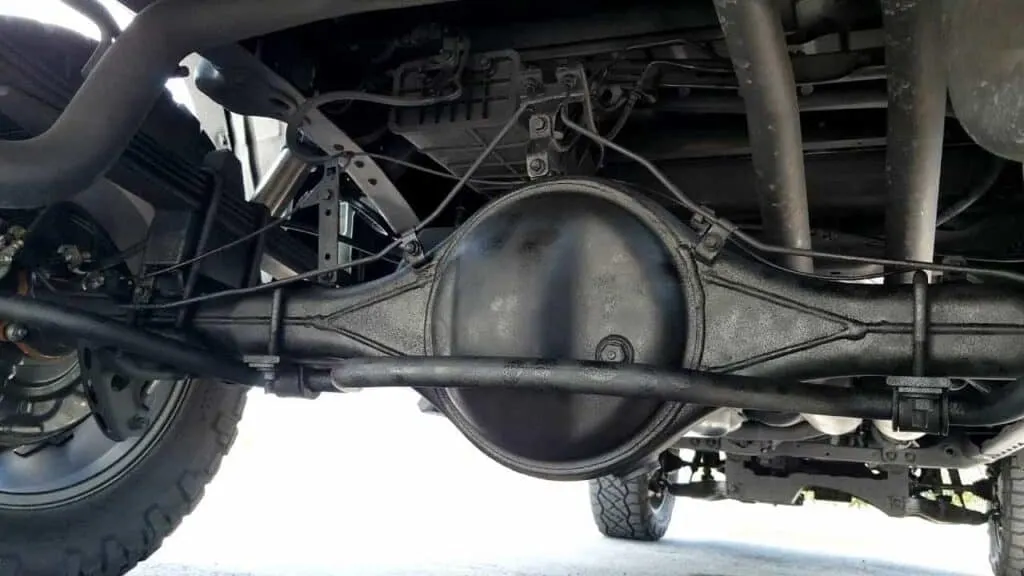
If you live in an area of the world that sees a significant amount of snow, or are located in a coastal region, you are probably are already familiar with the term "undercoating." For everyone else, here's a quick synopsis...
An undercoating is the first line of defense between an automobile's metallic underside and the elements, and all vehicles receive a coating of this stuff before rolling off the assembly line. But these OEM coatings will eventually wear-out over time, leaving oil pans, transfer cases, suspension arms, and other metal components vulnerable to corrosion and rust.
Most dealerships offer an additional undercoating as part of a "winter package" option, which typically consists of a "rubberized" media being sprayed across the vehicle's undercarriage. Once cured, this undercoating has the ability to repel rust and oxidation, rock chips, scratches, and even lower road noise levels.
But even if you purchase for this package option, or opt to tackle an undercoating application on your own, there's a still a good chance that your vehicle's underbelly is going to rust. There's a reason why automotive undercoatings have earned a reputation for being a bit of an unreliable, double-sided sword, and it's not because they don't work well.
WHAT ARE THE DIFFERENT METHODS OF APPLY UNDERCOATING?
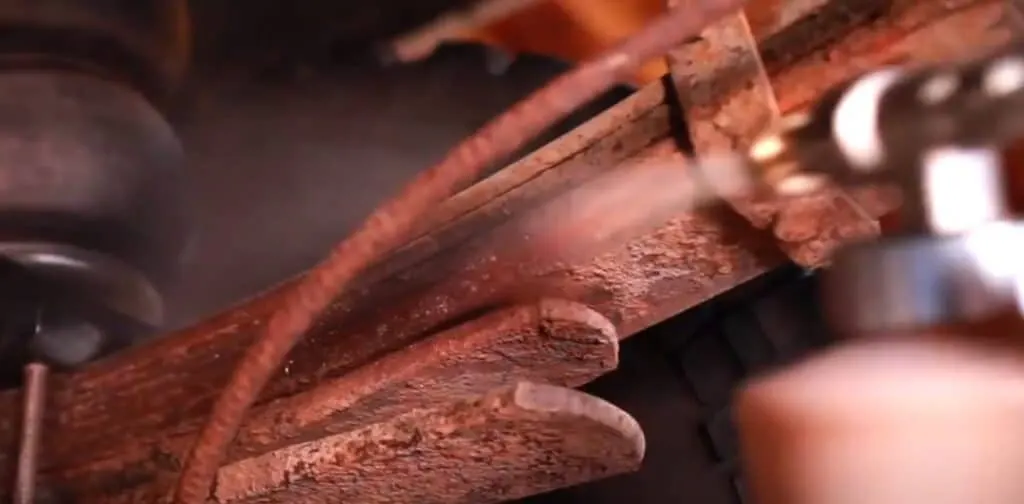
Photo Credit: FLUID FILM/YouTube
If you’re considering in having a professional undercoat your car, you’ll need to decide whether to go with a pro installer or a dealership.
While dealer-installed coatings are limited to manufacturer-specific products, privately held service repair shops often have a variety of options to choose from with various pricing plans. Just make sure that the shop is certified and has favorable reviews before committing to an undercoating install.
Regardless as to which direction you choose, the methods used during the undercoating application process tend to be the same across the board. That said, here are a few of the more popular rust repelling products on the market today.
1. SPRAY-ON "RUBBERIZED" UNDERCOATINGS
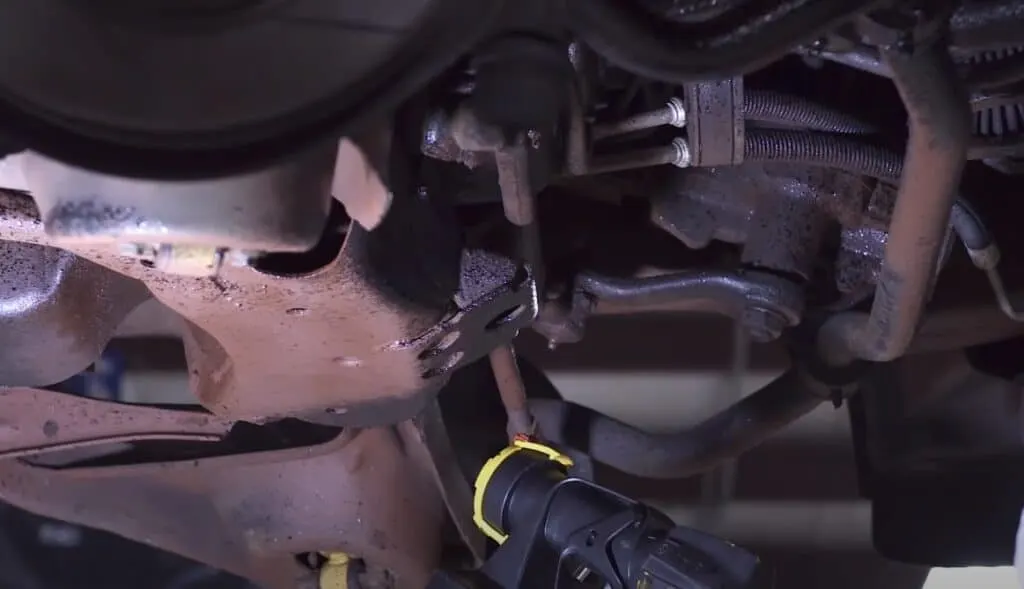
Photo Credit: AMMO NYC/YouTube
Perhaps the most common method of undercoating a vehicle, is via the use of a "rubberized" spray-on product. Utilizing a tar-like substance that has been infused with solvents and protectants, spray-on undercoatings stick to whatever they touch.
Once cured they act as a barrier against salt, moisture, oxygen, and any other foreign substance that may lead to rust and corrosion. We'll delve a bit deeper into the grimy details of what makes these opaque products so popular a bit later.
2. ELECTRONIC RUST INHIBITORS
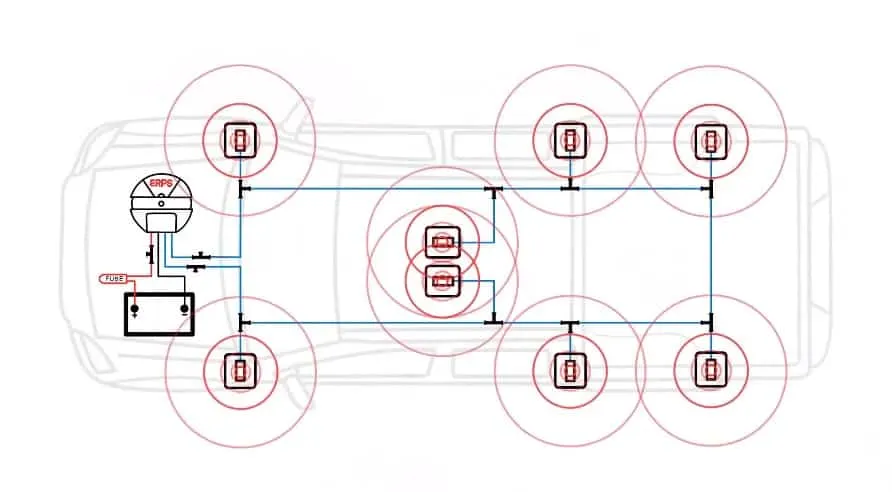
Photo Credit: ERPS
Electronic rust inhibitors are marketed as a permanent, discreet, easy to install solution to corrosion. It may sound crazy, but this is actually a brilliant idea, if you are able to get it to work.
While the notion of electrical current coursing along the underbelly of a vehicle is undeniably odd, it has been proven to work, but not in the way that one might expect. More on that a bit later as well...
3. LANOLIN WAX/WOOL GREASE
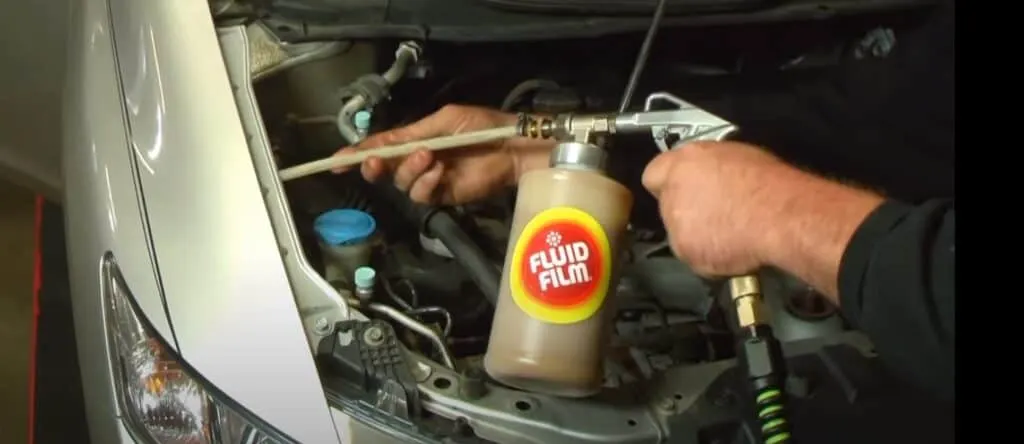
Photo Credit: FLUID FILM/YouTube
When choosing an undercoating, the lanolin approach remains a proven, if not slightly unusual rust prevention solution. Commercially, lanolin coatings are used as both a rustproof coating and as a lubricant, with everything from ship hulls and rigging equipment, to heavy-duty excavation machines and production facilities relying upon this water-repelling corrosion inhibitor.
On automobiles, lanolin fills in all of the nooks and crannies of the chassis with a sticky, wax-like substance that's been derived directly from... sheep glands. It may sound strange, spraying sheep funk across your vehicle's underbelly, but it really does work.
On the downside, curing times will vary depending upon air temperature and how heavy of a coating has been applied. So be ready for some downtime between car rides after this stuff has been sprayed.
4. DRIPLESS OIL SPRAY
The final common undercoating option is dripless oil spray. Once allowed to harden on a surface, this wax-like, colorless substance boasts the ability to repel moisture and corrosion for years on end.
Just note that dripless undercoating oil sprays typically require holes to be drilled into the body of the vehicle at specific points in order for the product to penetrate areas that are prone to rusting-out.
HOW LONG DOES AN UNDERCOATING LAST?
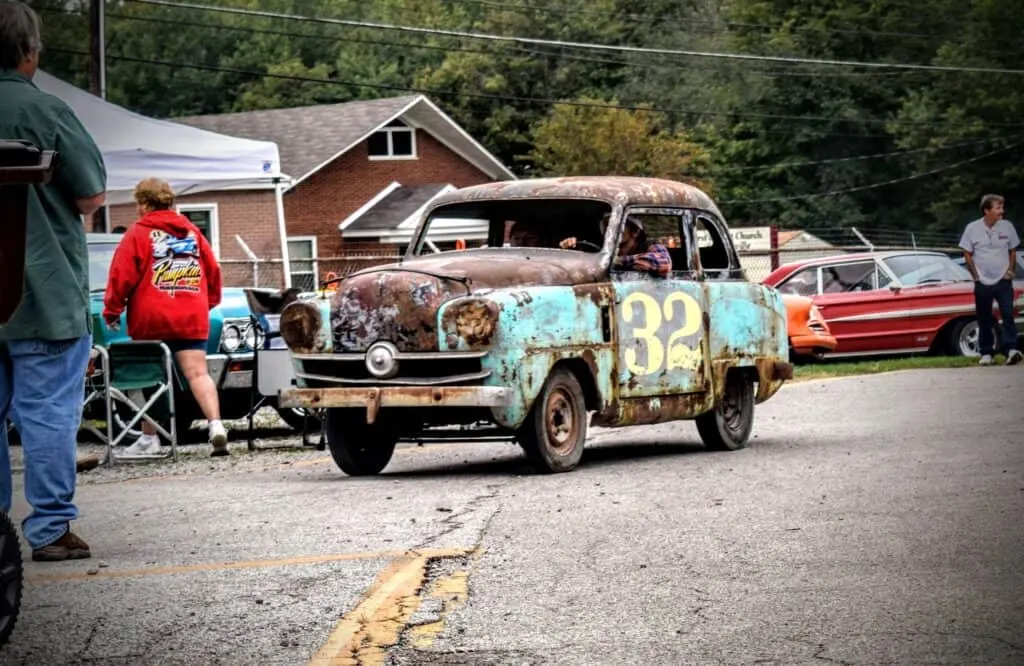
Measuring an undercoating's longevity means factoring-in the environment where the vehicle is being driven, types of deicer and/or salt used on the roads, quality of undercoating utilized, and how thoroughly said coating has been applied. In short, there is no guaranteed timeframe when it comes to automotive undercoating life expectancies. We've seen multiple reports of undercoatings only lasting a single winter season, while other drivers have reported a decade of maintenance-free use between coatings.
UNDERCOATING PROS:
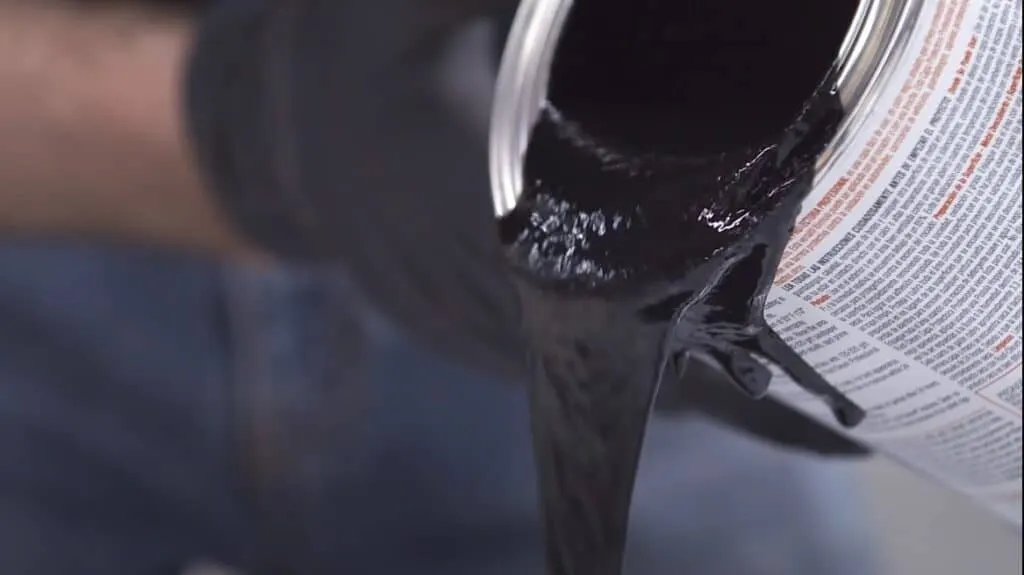
The biggest advantage to having an undercoating installed on the underside of an automobile, is knowing that your vehicle is protected from rust and corrosion, to an extent. While there are no guarantees that a rust bubble won't appear where a rogue rock chip hit your freshly applied coating, most vehicles go years without requiring a touch-up.
Another perk, is that undercoatings add an extra layer of sound-deadening insulation to the underbelly of a vehicle. While it may not be as affective as a dedicated sound-proofing product, and won't do much when it comes to repelling heat and cold, undercoatings do reduce road noise.
UNDERCOATING CONS:
1. TALK ABOUT SOME SERIOUSLY TOXIC STUFF!
Like many chemical-rich products, the average undercoating is a gateway to organ failure, cancer, infertility, and genetic defects. After doing a bit of digging, we discovered that quite a few brands don't even know what this stuff will do to the human body, with some of the more discerning case studies showing that "...25% of the mixture consists of ingredient(s) of unknown acute toxicity."
So spray safely, and always wear a ventilation mask, protective eyewear, gloves, and a painter's suit when working with undercoatings.
2. SOMETHING SMELLS B-A-A-A-A-A-A-D...
D-a-a-a-a-a-d jokes aside, there's a reason why Lanolin is called "wool grease." This waxy substance is derived from a naturally occurring gland secretion found in fluffy animals like sheep.
It is within these hair follicle glands that lanolin exists. A sticky secretion that provides cud-chewing critters like the ultra-fluffy Merino breed of sheep with a waterproof coat that keeps them dry and warm in winter.
On the downside, because lanolin is basically a livestock secretion, it smells sort of like... well... stank-ass sheep glands. This repulsive aroma is even more notable when lanolin is exposed to warmer temperatures too. So if you notice that no one is parking next to you in summer, it might be because they can't stand the stench of your undercoating.
3. A NOT-SO SHOCKING SURPRISE
Over the years, electronic rust inhibitors have seen a surprising amount of success in both marine and underground structural applications. But as AutoGuide illustrates, the effectiveness of these products depends heavily upon a multitude of factors, many of which are not always present in automobiles.
Most metals do a damn good job of conducting electrical current, which explains why having a module attached to a car battery, with electrodes channeling electricity throughout its frame seems like a brilliant idea... right? Wrong. The following quote explains why this technology doesn't work well on automobiles.
“ELECTRONIC RUST PROTECTION WORKS, THOUGH IT’S DESIGNED FOR APPLICATIONS LIKE UNDERGROUND FUEL TANKS AND LARGE BOATS... IN THOSE APPLICATIONS, THE METAL EXTERIOR SURFACE IS ALWAYS WET OR DAMP, ALLOWING THE SIGNAL TO CONDUCT POWERFULLY AND FULLY THROUGHOUT THE METAL STRUCTURE..."
-AUTOGUIDE
4. THE HIGH PRICE OF VEHICLE UNDERCOATINGS
But perhaps the biggest complaint people have about automotive undercoatings and rustproofing procedures, is how much they cost. This is precisely the reason why many people opt to take matters into their own hands, and attempt to undercoat their automobiles on their own.
MATERIALS NEEDED TO UNDERCOAT A CAR
- Degreaser products
- A disc grinder and replacement pads in varying levels of abrasion
- Power tool with wire brush
- Air hose
- Eye, nose, and hand protection
- Sandpaper (200, 300, and 400 grit)
- Sharp metal scraper
- Undercoating and any required application tools/products
- Car lift
THE UNDERCOATING PROCESS
1. CLEAN
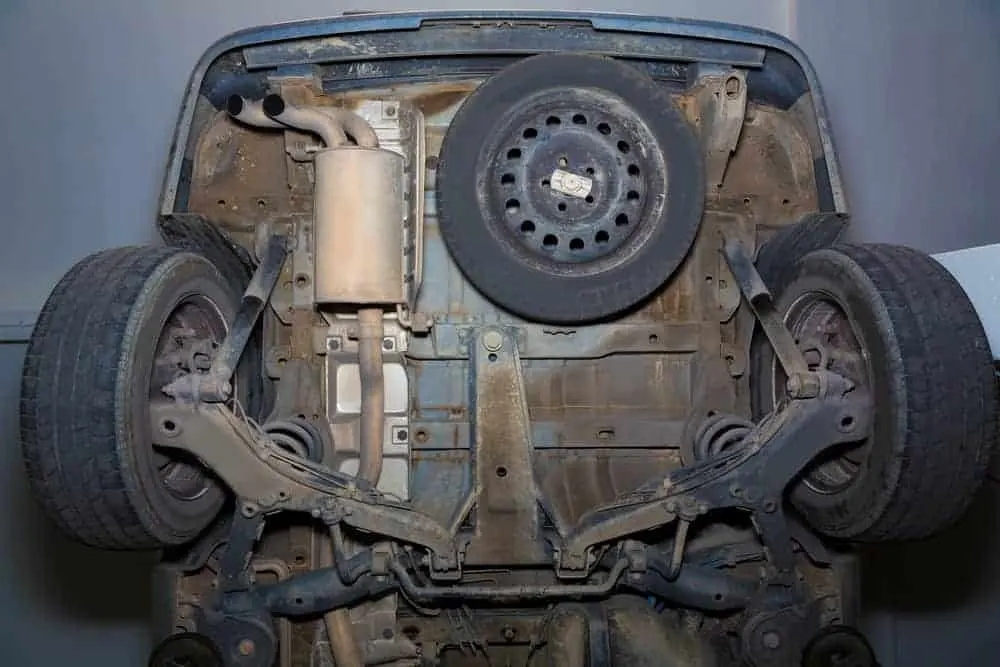
Prior to applying a rust-repelling undercoating, you will need to remove as much corrosion build-up, caked-on road grime, and any other form of "crap-tastic" contaminant from the underside of the vehicle.
Here are a few of the core steps to completing this process.
Blast- Spray the entire underside of the vehicle with either a pressure washer, or a garden hose that has been outfitted with a heavy-duty spray nozzle. Be thorough, and hit every crevice and corner you can find, especially on higher mileage vehicles. Chances are you will be amazed by how much road gunk you will dislodge.
Degrease- Rinse complete, and undercarriage allowed to dry, it's time to use a commercial-grade degreaser to remove any grime or oil lurking beneath the vehicle. The spray and walk away stuff allows you enough time to go get another beer, before removing the degreaser with shop rags or a blast of water.
Grind- The next step is to grind any large chunks of rust or hardened contaminants, starting with a mild grinding pad, and gradually moving to more abrasive pads as necessary. You can also use a stiff wire brush attachment on a power tool or a paint scraper, just beware of any electronics or hydraulic lines that could be damaged by these tools.
Sand- Corroded crap and contaminants blasted and scraped away, break out the sandpaper and get to hand scrubbing that underbelly. Start with a 200 grit sheet, and after each pass move a milder grit of sandpaper. This will not only remove any stubborn rust patches, but it will smooth out the scratches left behind by the coarser forms of scouring media.
IPA Time- No, we're not talking about beer, even though suds and scrubbing do tend to go hand-in-hand on a hot summer day. We're talking about using an isopropyl alcohol (IPA) blend and dry rags to wipe-down what will be getting undercoated. This final prep process helps ensure that the entire undercarriage is devoid of dust and other gunk.
2. PRIME TIME!
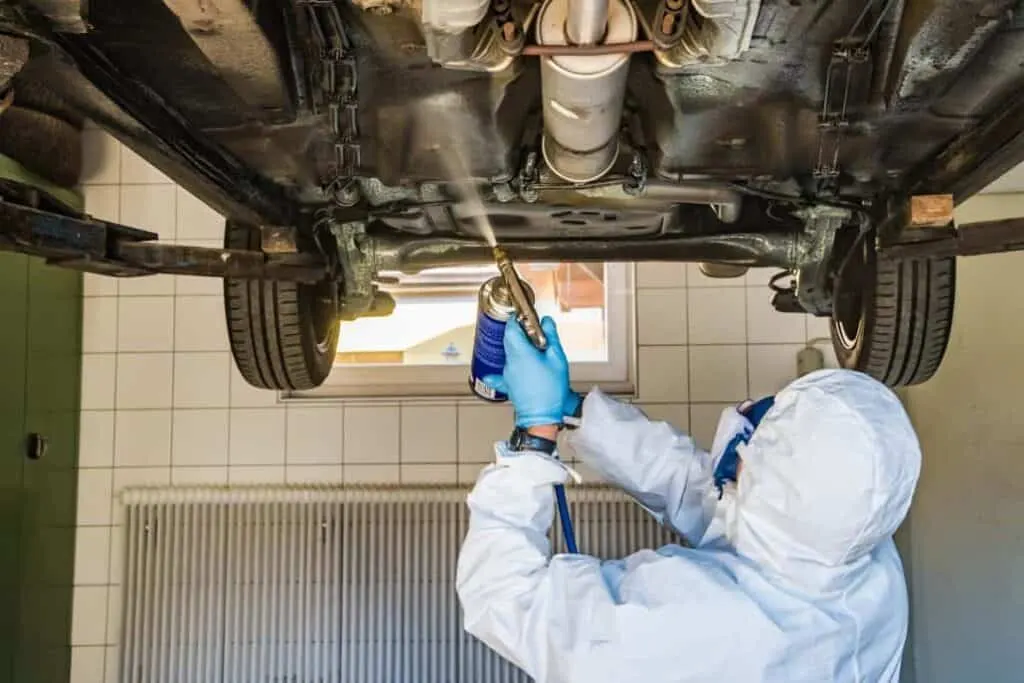
Most DIY undercoating products require a primer of some sort to serve as a basecoat. We've found that the best primers are those with high zinc levels, as this provides an additional corrosion resistance. Just be sure to follow the manufacturer's instructions, for many primers have their own unique prep requirements and curing times.
3. UNDERCOAT
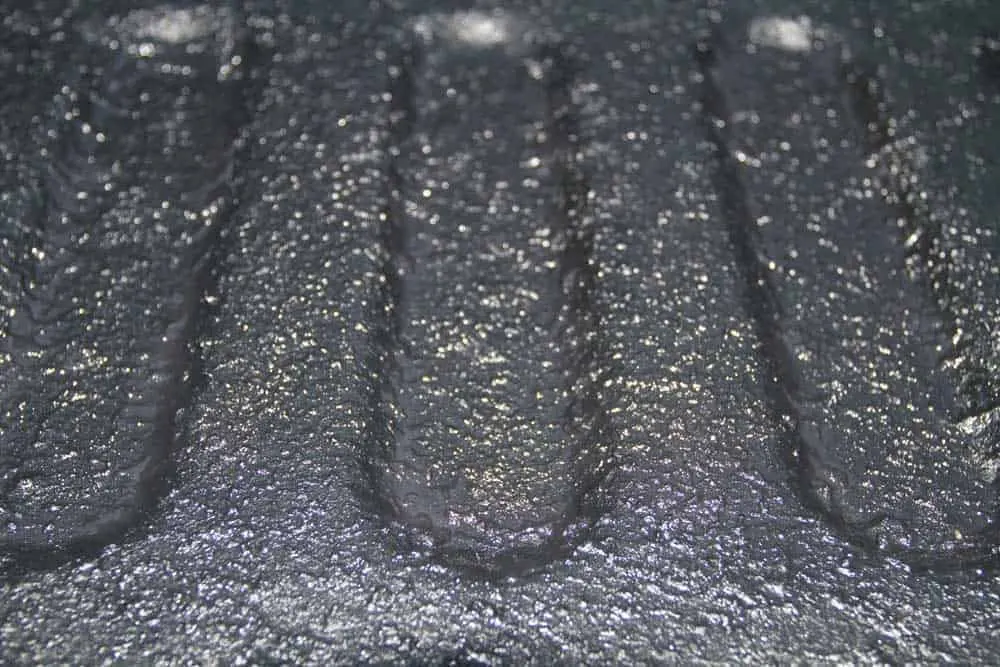
The final step in the undercoating process is the application of the undercoating itself. Most of these products involve a two-stage or dual-layer spray-on procedure.
While the first round of undercoating should be relatively thin, know that it is not there to be the first line of defense, but to serve as a basecoat for the thicker outer coating. An hour or two of downtime on a warm day should provide ample cure time for this first layer. Once it becomes tacky to the touch, it's time to move on to the final outer coating.
These final layers should be applied liberally, and in smooth, slow movements. Rushing will only cause uneven coverage and drips to form, so take your time. Once fully coated, it's time to sit back and let your undercoating cure, which depending upon temps and the product used, may take anywhere from a few hours to a few days.