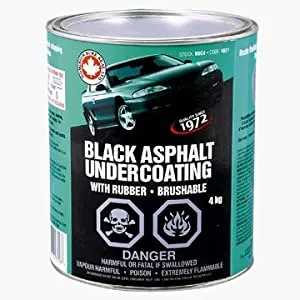
Underbody Coating
What is Undercoating?
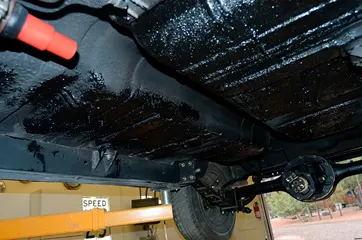
Undercoating is a protective layer that is applied to the under layer of a car where the parts are not coated with a protective layer of paint and thus more susceptible to rust damage. Undercoating is not meant to be an addition to the vehicle’s paint. A good waxing and inspection can help a car owner ensure that their vehicle is protected from rust damage. Since the under layer of a car is more often exposed to the elements of the road, many drivers choose to add that layer of protection, which is like a paint job for underneath the vehicle. Although vehicle already have a rust protection coating on these parts, and undercoating gives an extra measure of protection to these parts from damage and rust. The other added benefit of undercoating is that it provides a car with a sound dampener that makes operating the vehicle much quieter on the road.
Types of Undercoats
1. Water and Paraffin Based Undercoats
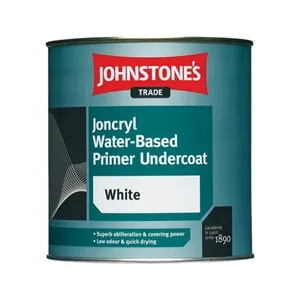
Water-based undercoatings are thin set and have quick drying times. This type of coating can be done by automotive shops that offer undercoating services inexpensively. The downside to water-based undercoatings is the frequency in which they need to be repeated. Often the smallest abrasion that breaks through the undercoating can result in the need for a new coat. Repetitive undercoating can get expensive even if the product does not cost much. Paraffin-based undercoatings have a wax inclusion that makes them stronger than water-based undercoatings. Paraffin-based undercoatings can be purchased through an automotive store in spray and paint-on formats. This type of coating is also thin set and relatively fast drying. A vehicle owner can get this as an option when purchasing a new vehicle, or it can be professionally applied through an automotive service. Paraffin-based undercoating needs to be replaced at least once a year at the vehicle owner's expense.
2. Petroleum and Rubber Based Undercoats
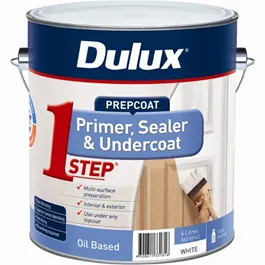
Petroleum-based undercoatings are made from oil and have greater deflective abilities for road salts and grime. The petroleum base helps repel water and ice better than paraffin- or water-based undercoatings. Petroleum-based undercoatings are available through professional services and can be purchased when buying the vehicle. This type of undercoating also needs to be replaced once a year at the owner's expense. Rubber-based undercoating is the second strongest undercoating available for vehicles. This type of undercoating allows for more flexibility in the undercarriage, and holds up better to rough terrains. Rubber-based undercoatings are available in spray and paint-on applications. Due to the thickness of the application, it is advisable to let a professional apply rubber-based undercoating to ensure maximum coverage. Rubber-based undercoating also can be bought as an option when purchasing a vehicle.
3. Asphalt Based Undercoats