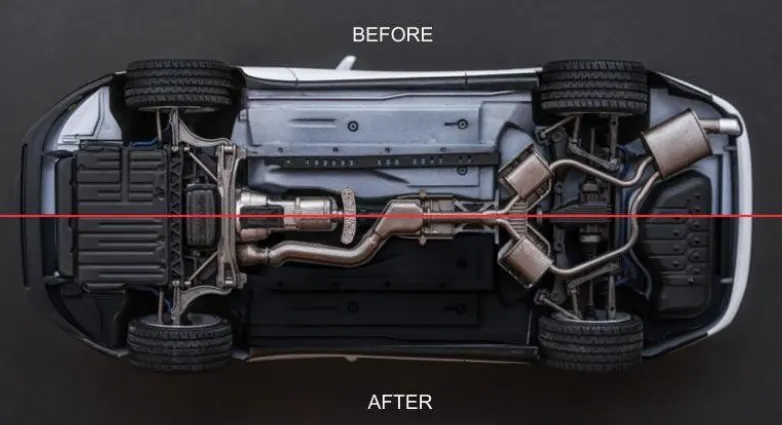
Underbody Coating
INTRO:
Car underbody is most prone to corrosion. Underbody coating provides long-term protection from corrosion to the parts like internal body panels, frame rails, and other inner cavities that are not physically accessible or observed easily ,but these areas are prone to corrosion. therfore , coating is essential.
UNDER COATING:
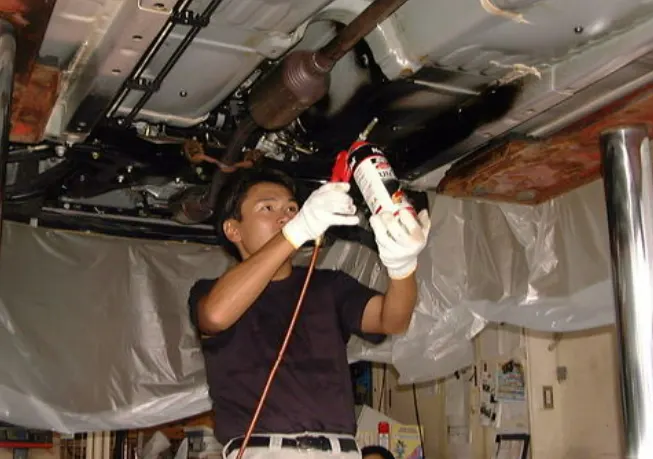
Undercoating is a thick resilient coating applied to the underbody or chassis of an automobile to protect it against impact damage from small stones, which would also inhibit rusting.
TYPES:
1.) rubberized coat
2.) polyurethane coat
3.) asphalt based coat
DETAILED:
1.) rubberized coat:
This is generally thought of as the best underbody coating for car. It preserves the underbody well, protecting it from scratches. Applying this to the undercarriage is not much of a hassle either.
2.) polyurethane coat:
This coating closes up splits and fractures on the underbody of the vehicle. It offers up good protection against corrosion and also bonds with the metal. Unlike in the case of asphalt-based coating, you can paint over the polyurethane coating.
3.) asphalt based coat:
Best suited for lorries, trucks and large vehicles this provides a greater degree of protection compared to rubber-based coatings. However, asphalt-based coatings contain little amount of rubber for sound-insulation purposes. The process of applying this coating is a bit time-consuming though.
PROS:
1.) extends life of car.
2.) can be self applied.
3.) helps reduce interior noise.
CONS:
1.) It is less helpful , if corrosion is already present.
2.) it adds weight to vechile.
3.) it must re-applied after every three to five years.