Underbody Coating
Under-Body Coating:
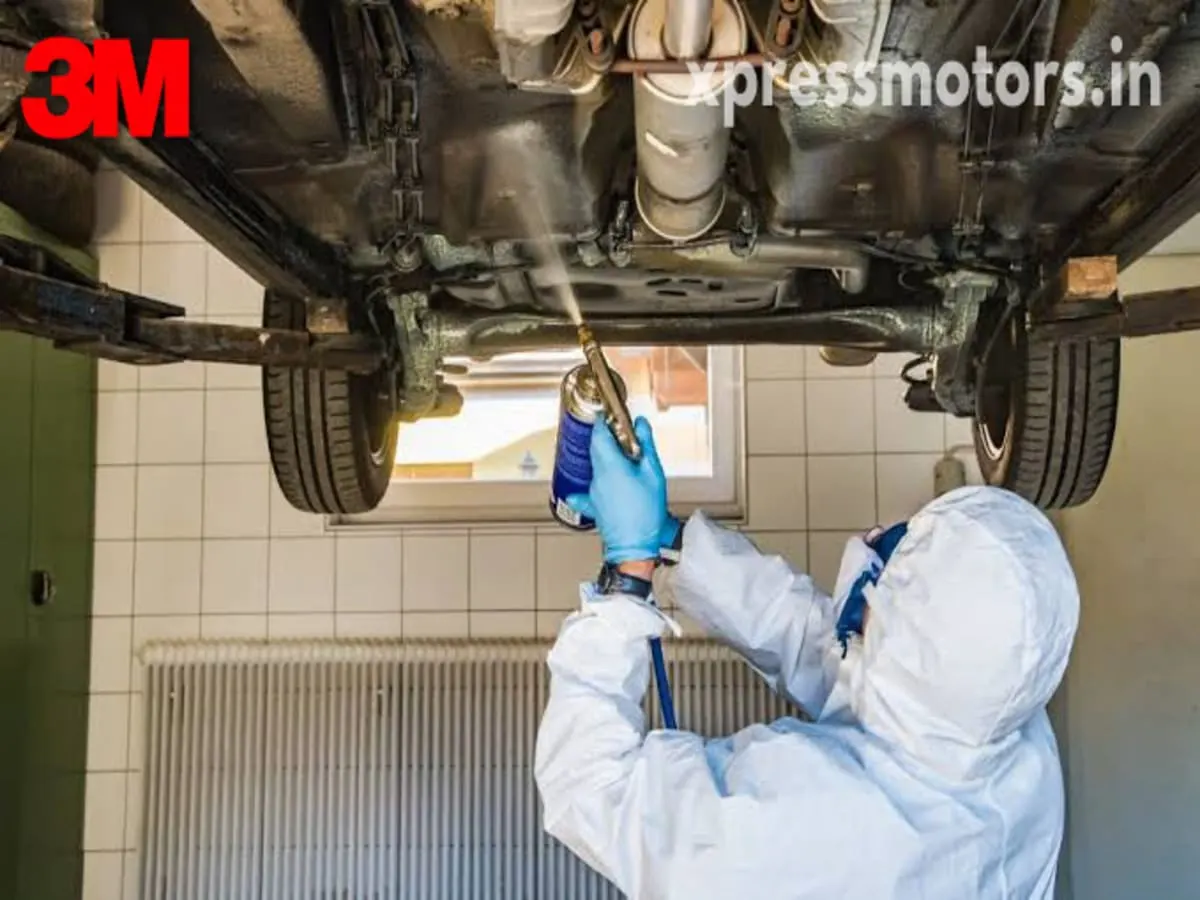
Under-Body Coating is the process of applying an outer extra coat to the undercarriage of a vehicle as it is exposed to the most wear and tear caused by muddy water, potholed roads, stones and other obstacles on the road. Because it’s not in plain sight, we often do not see the damage. So by applying this underbody coat the vehicle can be safeguarded from being effected by these problems. It can be applied in different ways like spraying, painting, etc.
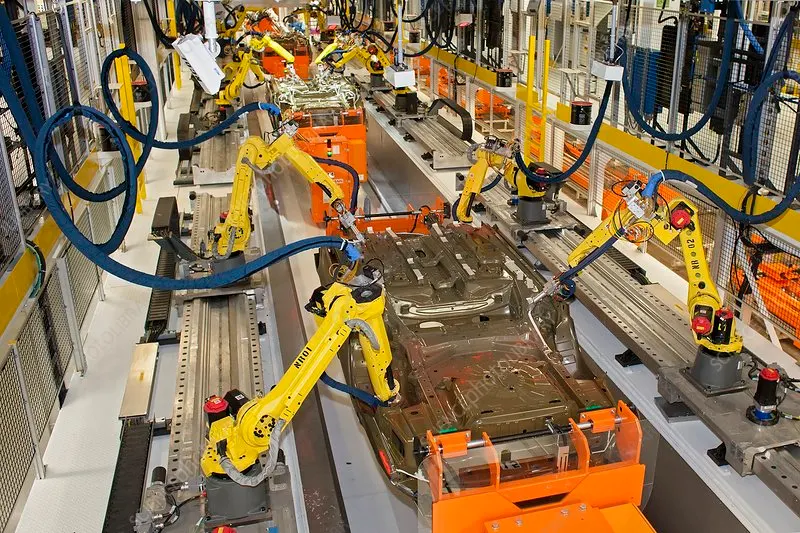
Most of the Automotive industries use thick paints and sealants for the underbody Coating and only apply to some major points like joints, etc. Different companies apply the coating as per the proportion which is guided by government regulatory authorities. Some companies fill the maximum proportion of the underbody.
Although it is suggested to apply underbody coat and silencer coat after buying a car even after driving some kilometers. Which helps them avoid the corrosion in future
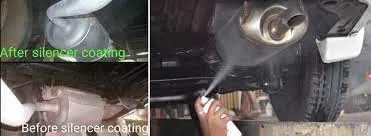
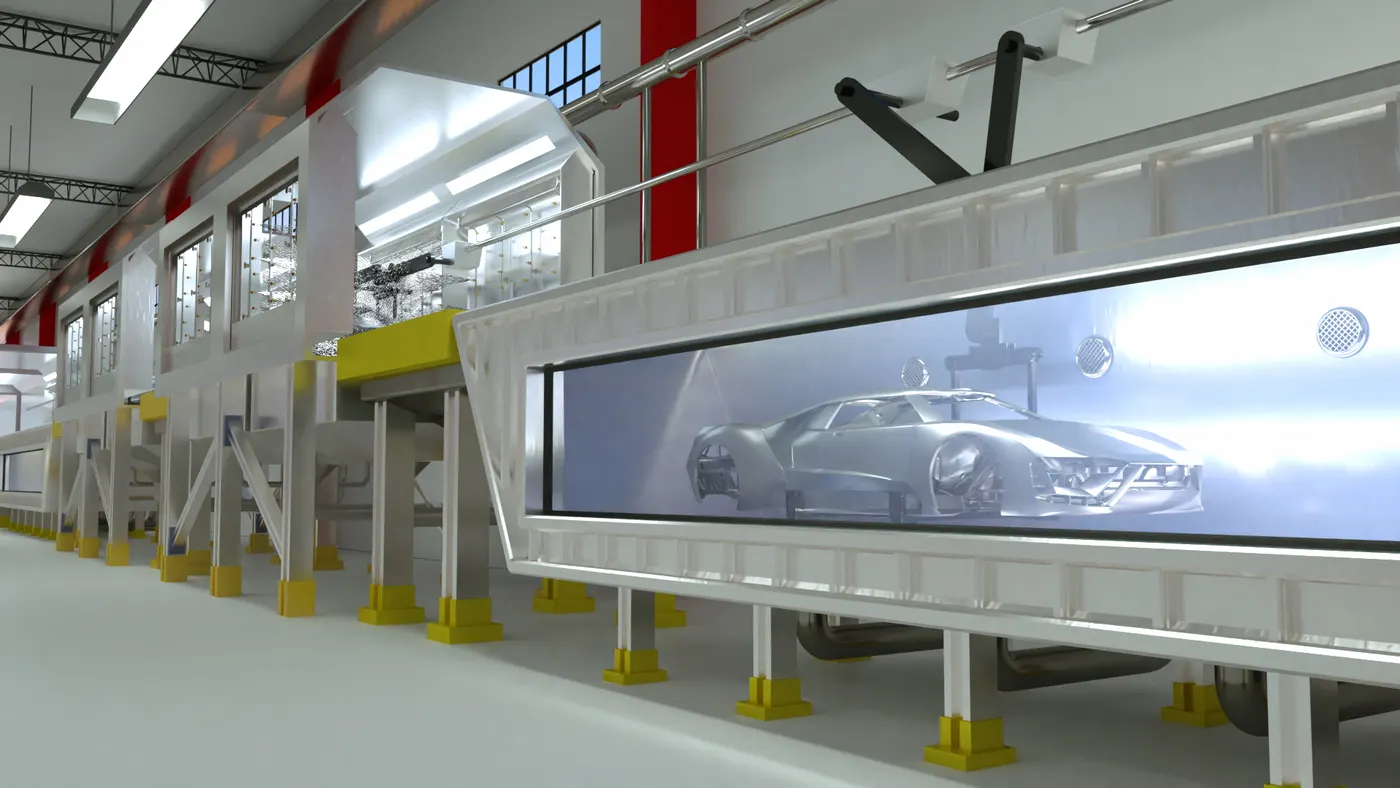
In the Automotive manufacturing plants before the application of the underbody coat the BiW undergoes a process named as Pre-Treatment and Electrodeposition which is commonly said as ED bath and then the body went for the sealant process
there are some types of applying underbody coating:
Rubberized Underbody Coating:
This is the best and toughest underbody coat in the list. It is not much difficult to apply and it resists scratches, prevents corrosion, and stays long enough in the car.
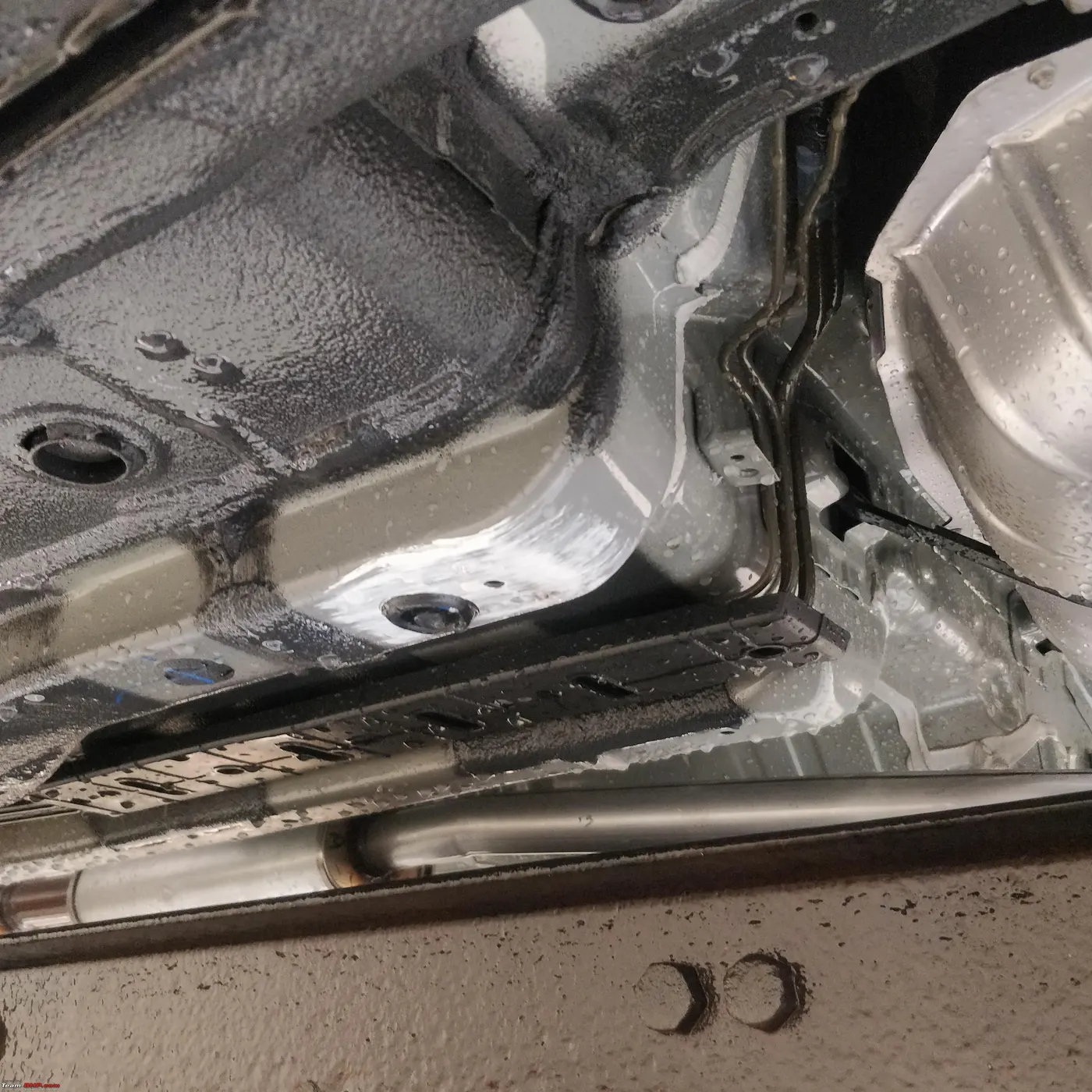
Wax-Based Underbody Coating:
This type of coating is a good moisture resistant and it is so much affordable to apply. Although, this coating won't last long enough, it will disappear in just a few months.
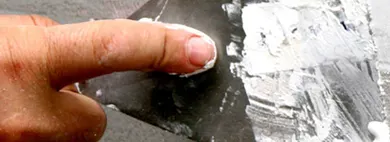
Asphalt Based Undercoating:
This type of underbody coating is a bit pricey and tough to apply. Even though this coat is good at soundproofing since there are some rubber particles in it. Usually, this coat is used for heavy vehicles like lorries, trucks, buses, etc.
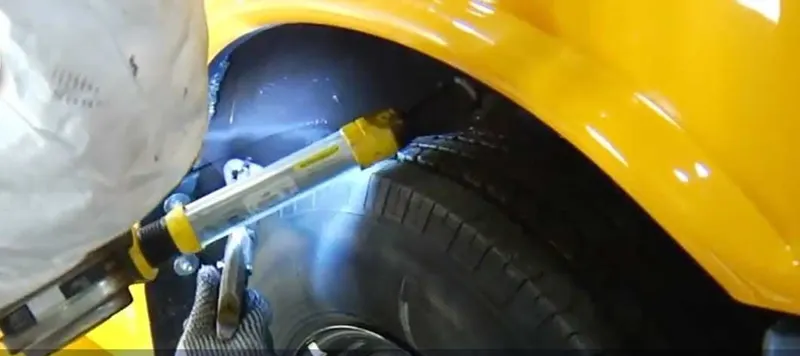
Polyurethane Underbody Coating:
This coating closes up splits and fractures on the underbody of the vehicle. It offers up good protection against corrosion and also bonds with the metal. Unlike in the case of asphalt-based coating, you can paint over the polyurethane coating.
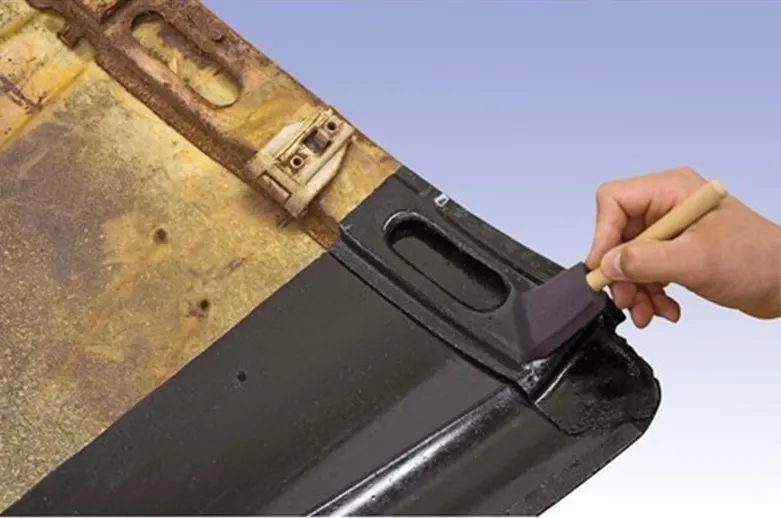
although there are some merits and demerits in this Underbody coating:
Merits:
- Protection against Corrosion and Rust, any debris will be repelled by the undercoating.
- Extend the life of your vehicle, as many parts of the vehicle are made of metals like aluminum or steel which tend to the formation of rust. With this coating, we can avoid them for years.
- Reduce noise inside your car, as the coating seals the sound inlets and acts as a sound barrier inside the cabin. And also absorbs the noise.
- Cover small damages like scratches and paint chip-offs
Demerits:
- It makes your vehicle heavier by increasing nearly 5 to 10 kilograms of weight which affects fuel economy. However, this is nothing when you compare it with the cost of replacing a vehicle after corrosion.
- Undercoating will not help you if corrosion already exists and the corrosion needs to be removed first before it can be applied, which can be expensive for you.
- It is not a permanent solution as it will get lost in a few years, since the cost for the coating is a bit high.
Thank You...