Underbody Coating
- Write one page about Underbody coating and its purposes
- Underbody coating provides long-term protection from corrosion to the car's underbody. It also protects parts like internal body panels, frame rails, and other inner cavities that are not physically accessible but are prone to corrosion.
- In Indian road conditions, a car's underbody is most prone to corrosion. Underbody coating provides long-term protection from corrosion to the car’s underbody. It also protects parts like internal body panels, frame rails, and other inner cavities that are not physically accessible but are prone to corrosion.
- This the example picture
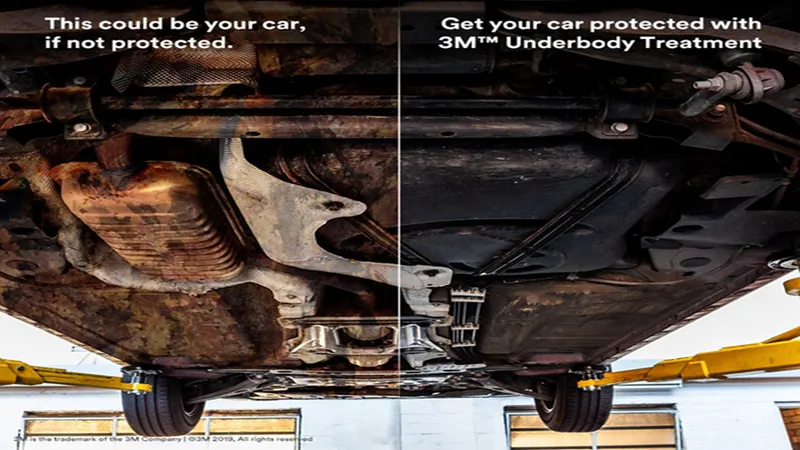
Pros of underbody coating
- It provides a layer of protection against corrosion.
When undercoating is properly applied to a vehicle, then you’ll be providing the underbelly with a layer of protection against rust and corrosion. Instead of contacting the metal components of the vehicle, the debris encounters the undercoating, which then proactively repels the dangerous items away. Although an undercoating will eventually wear out, it can provide years of protection against premature corrosion.
- It will extend the life of your vehicle.
Proper undercoating extends the life of your vehicle because of its rust-stopping power. Corrosion does more than affect the integrity of the metals in your vehicle. It can get into your metal wires and cables, affecting any component which is comprised of steel or aluminium. Even your transmission and engine have exposure to rust when there isn’t a vehicle undercoating applied.
- It can be applied to damaged areas.
Over time, the underbelly of your vehicle is going to develop nicks, chips, and scratches because of the debris you encounter while driving. Unlike older forms of undercoating, which included the use of asphalt and animal fat, modern products provide a real layer of protection because they can morph into various areas of small damage.
- Minimizes Sound: It minimizes the sound from underneath the car resulting in a noiseless, smooth driving experience.
- Heat Insulation: It insulates the interior of the car from extreme temperatures beneath the vehicle providing a comfortable cabin experience.
- Anti-chipping property: If any stone hits the coating it does not get chipped away hence protecting the underbody from exposure to water.
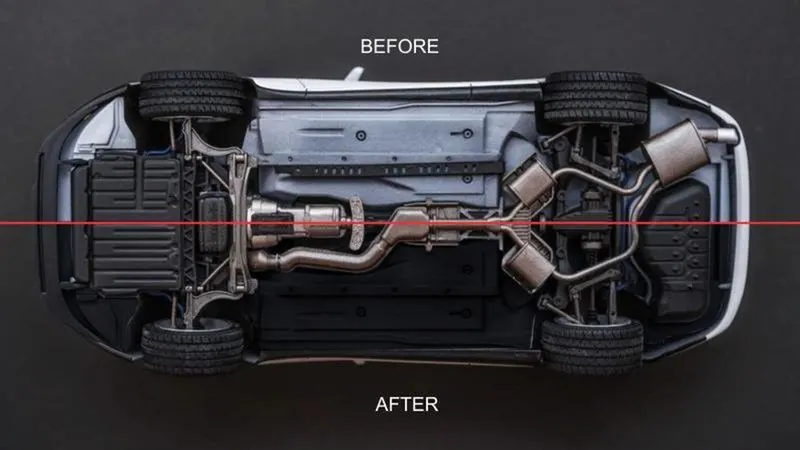
Cons of underbody coating
- It is less helpful if corrosion is already present.
For an undercoating to be the most effective, it should be in place before the underbelly of your car begins to rust. If you apply it over corrosion, you will still isolate the metal from further moisture and airflow, which is good, but the existing oxidizing/rusting process will continue to occur. After the rust is already present, applying an undercoating will slow the continuation of the corrosion process and will make your vehicle look better… until the rust breaks its way through the layer of undercoating you’ve applied. If you have rust present, it is better to remove the rust and then apply the undercoating.
- It works best on new cars.
If you’ve purchased a used vehicle, then the cost of preparing the underbelly for an undercoating might be more than the value of the car. You must remove all the residue from the bottom before it can be applied. Failing to do so will seal in the debris that is present already, which can lead to more problems. The best time to have an undercoating applied is when a vehicle is purchased new because it offers a superior level of protection then.
- Most vehicles make it five years before corrosion begins to show.
For vehicle owners who purchase something new every 3 to 5 years, then rustproofing may not be a good use of your cash. Although undercoating does add value to a used car, that only applies when the rustproofing product used provides a transferrable lifetime warranty. Most vehicles that are on the road today can make it five years before any corrosion begins to show. It may be 7 to 10 years before the functionality of the vehicle is negatively impacted by the lack of an undercoating.