Underbody Coating
UNDER BODY COATING
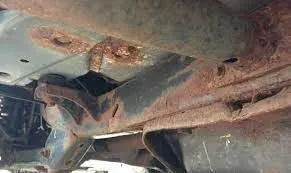
Under body coating Which prevents Rusting From Environment like Dust ,moister,water.
Prevent metal surface damages like physical damages from underbody stones which peel of from roads.
It gives sound redection and it will protect niose transfer from under body to innerbody.
There are so many types of underbidy coating are there, based on quality and cost we can classified.
1. ruberized underbody coating,
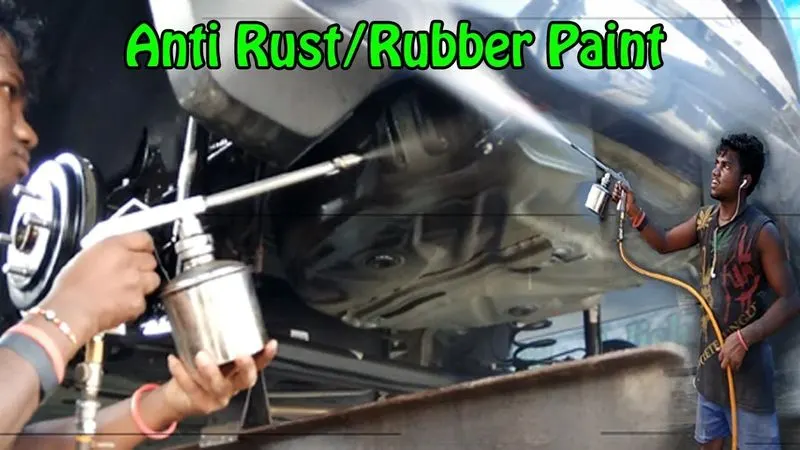
Rubberrized underbody coating is the easy way to apply and it will give the sound cousining effect and prevent rust,moister and dents.
we can make over the painting also.in future if we want to remove we can do it by using undercoating body removal spray. Generally rubberized method is one of the best and easy method to prevent our underbody garriage.
Polyurethane Undercoating
The other option for undercoating your vehicle is to use a polyurethane-based sealant. This type of vehicle undercoating is a little bit quicker and easier to apply.
Oftentimes, polyurethane undercoating will come in canisters ready to preload into an application gun. This type of sealant works by seeping into all cracks and seams, displacing salt and moisture and oozing around rusty areas to bond with and protect unoxidized metal. It also sands quickly in case you'll need to perform bodywork and can be painted over.
On the flipside, this type of car undercoating generally requires a little bit more surface prep work before applying -- sanding and applying an etching primer to bare metals before using are generally recommended.
Wax or Paraffin-Based Undercoatings
A paraffin-based undercoating will be the cheapest and quickest option available with which to protect the undercarriage of your vehicle. However, keep in mind that it will wear off quicker than other types of undercoating and will need to be stripped and reapplied at least once every year.
Wax-based undercoatings never truly harden. During application, they drip or flow into seams and cracks to provide protective properties. They are usually available in a spray gun canister or in an aerosol can and offer at least a base protection in moderately humid climates.
Asphalt-Based Undercoating
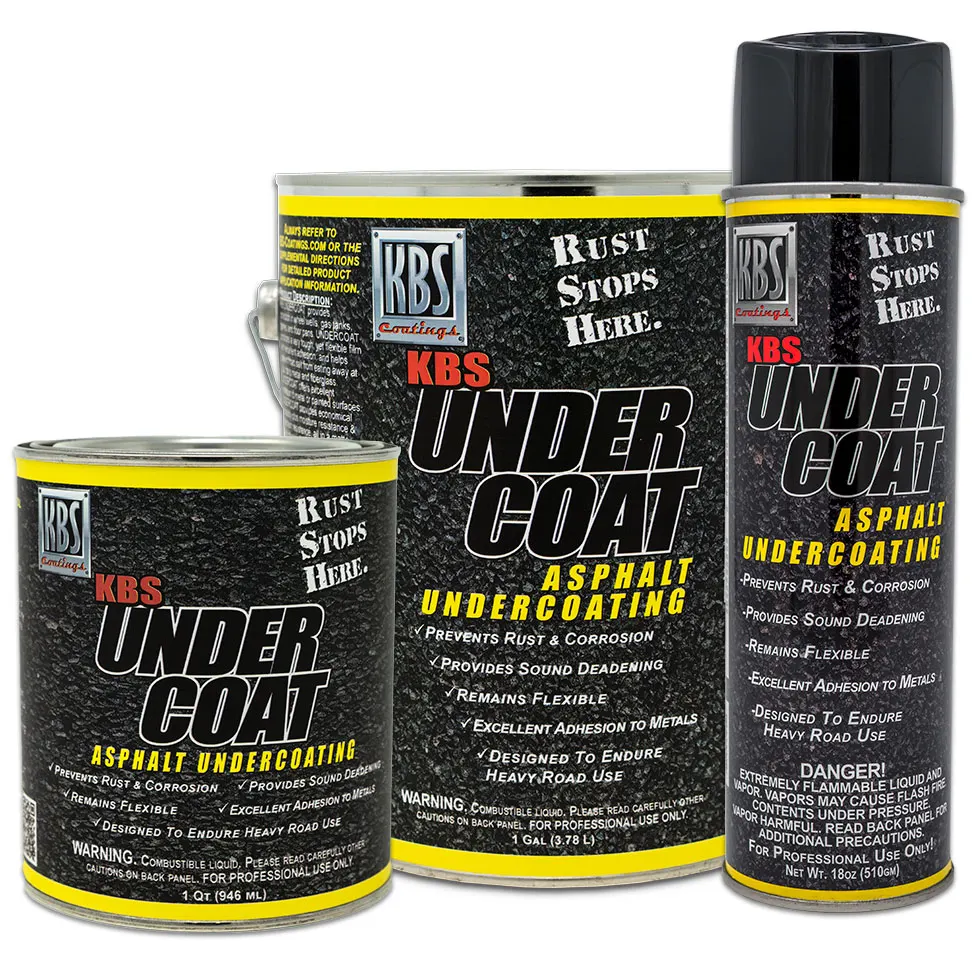
For standard vehicles, any of the aforementioned types of undercoating will provide sufficient protection. For large trucks and heavy machinery, asphalt-based undercoating provides a bit of extra durability against rocks, chips, and moisture.
Asphalt-based undercoating generally contains a little bit of rubberized material that sets up firmly and also helps soften noise. Generally sold in five gallon containers, this type of undercoating also needs more cure time than the other three, and is NOT paintable, making it best to use only for undercarriages.
Applying Undercoating At Home
Once you've selected the best undercoating for your vehicle, make sure your work area is clean, well-ventilated, and has adequate lighting. Wearing a dust mask and old protective clothing is advised. Make sure it's a nice day with low humidity if you're working outside, and if inside, deep-clean your area to ensure it's free of dust or any other debris that could become trapped in the undercoating.
- As always when it comes to updating your vehicle or using any sort of coating, remove the rust completely FIRST and then proceed. Rust removal is easily achieved by sandblasting or sanding, depending on the area and the extent of the rust.
- Once you've removed the rust and prepped your undercarriage for coating, give it a quick rinse and let it dry to ensure you aren't further trapping any contaminants on your vehicle's underbelly. Using a degreaser to clean the metal first is also recommended.
- Most undercoating is generally applied with a spray gun. A disposable spray gun will work best; once the undercoating hardens, it becomes very difficult to clean the gun even with a lot of thinner. A Schutz disposable spray gun is the best option.
- No matter what type of vehicle undercoating you've selected, two coats will provide the optimum protection. Allow ample dry time between coats.
- Let the undercoating cure completely (usually overnight) before driving your vehicle on the road.