Underbody Coating
Underbody coating
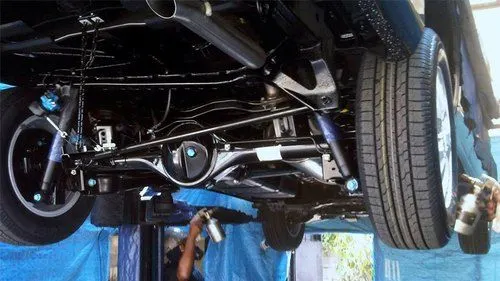
Underbody coating is a special coating given to the underbody of an automobile. The primary reason the coating is applied is to prevent and reduce corrosion/rusting of the surface, which occurs due to oxidation of the metal. It is also necessary to apply this coating to reduce damage caused by the flying debris from the tyres onto the surface. This coating can be specified by the customer to be applied onto the surface during the manufacturing process or can be applied separately after the vehicle is recieved.
List of the Pros of a Vehicle Undercoating
- It provides a layer of protection against corrosion.
- It will extend the life of your vehicle.
- It can be applied to damaged areas.
- It can be self-applied.
- There are multiple undercoating methods that can be used.
- The service might help with the cost of your insurance.
- It may help to reduce interior noise.
List of the Cons of a Vehicle Undercoating
- It is less helpful if corrosion is already present.
- It works best on new cars.
- Most vehicles make it five years before corrosion begins to show.
- A third-party undercoating service might void your vehicle’s warranty.
- It adds weight to the vehicle.
- An undercoating is not impervious to damage.
- It must be reapplied every 3 to 5 years for the best results.
Types of Undercoating
- Rubberized Underbody Coating
This is generally thought of as the best underbody coating for your car. It preserves the underbody well, protecting it from scratches. Applying this to the undercarriage is not much of a hassle either.
- Wax Based Underbody Coating
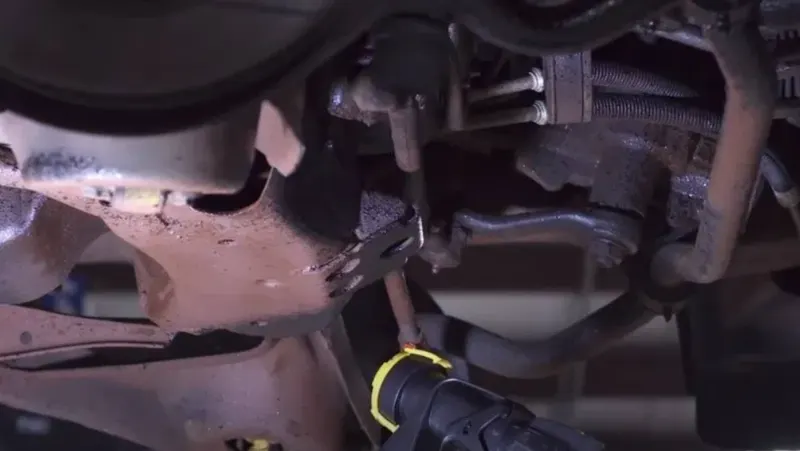
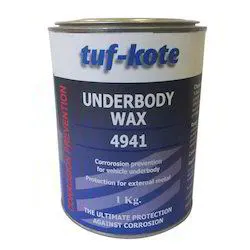
This – more or less – ephemeral undercoating will wear away in a few months’ time. On the upside, wax-based undercoating puts up a big fight against moisture. It is also the most affordable option out there.
- Asphalt Based Automotive Undercoating
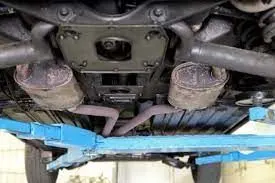
Best suited for lorries, trucks and large vehicles this provides a greater degree of protection compared to rubber-based coatings. However, asphalt-based coatings contain little amounts of rubber for sound-insulation purposes. The process of applying this coating is a bit time-consuming though.
- Polyurethane Underbody Coating
This coating closes up splits and fractures on the underbody of the vehicle. It offers up good protection against corrosion and also bonds with the metal. Unlike in the case of asphalt-based coating, you can paint over the polyurethane coating.