Underbody Coating
INTRODUCTION TO UNDERBODY COATING
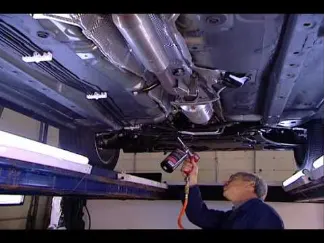
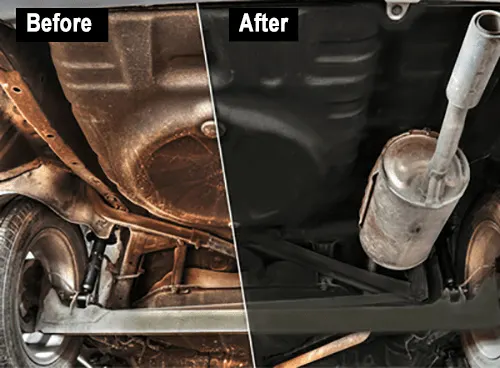
- Underbody coating is usually a dense cladding (often based on rubber) applied uniformly to the undercarriage of the automobile.
- It is normally sprayed or painted on when the car is just out of the dealership and is clean. But even if you are getting the undercoating applied after a couple of years, it’s fine too. This is because it can prevent further damage to the undercarriage.
- If you are the kind of driver who prefers to keep your vehicles for many years, you will know well that rust is one of the most significant obstacles to keeping your car or truck roadworthy.
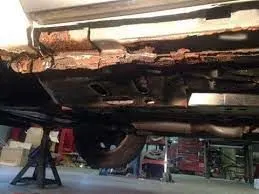
- Rust is the result of a chemical reaction that occurs when untreated metal is exposed to water or moisture-laden air, conditions that frequently exist in many coastal locations. And if you live in a part of the country where snow and ice are a regular part of winter, you will have noticed that the salt used to treat slippery roadways accelerates the corrosion process.
- In India the underbody of your car is always exposed to muddy water, stones, rugged roads, and potholes. This makes it prone to wear and tear, which is often not in plain sight but could lead to serious issues if not taken care of.
- Applying to undercoat, as soon as you get your new car, is the best way to keep the chassis intact. This covers the undersurface saving it from road grime and other stuff.
- Getting a fresh coat can cost you up to ₹6,000.
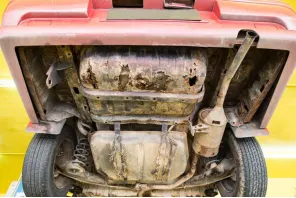
- DAMAGES DONE TO UNDERBODY
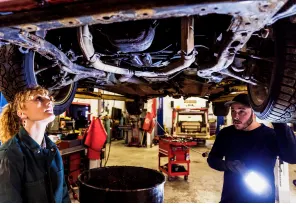
- UNDERBODY COATING
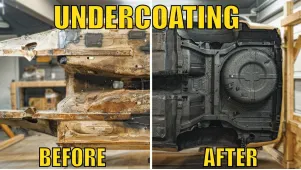
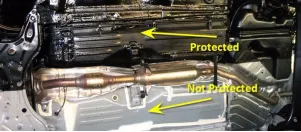
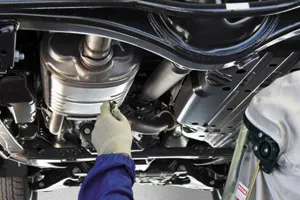
UNDERBODY COATING PROCESS
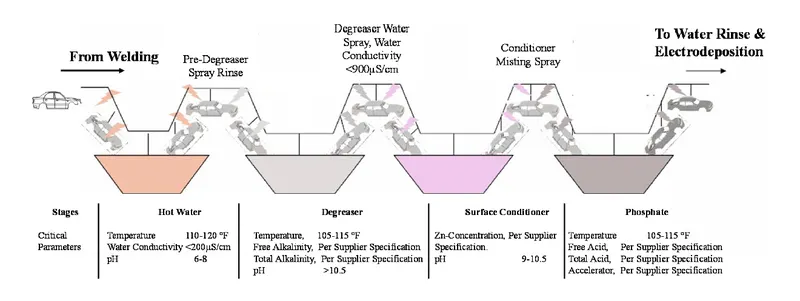
- Pre-treatment:
The first step in preparing BIW for subsequent coating is the pre-treatment process. Pre-treatment consists of cleaning the body surface to remove remaining oils from the stamping process and welding residues through three primary liquid dip processes of degreasing, conditioning and phosphating. The degreasing solution is composed of alkaline salts and surfactants and can include caustic soda, tri-sodium phosphate, and sodium carbonate. The surfactants are types of detergents for emulsifying oils and lubricants on the BIW.
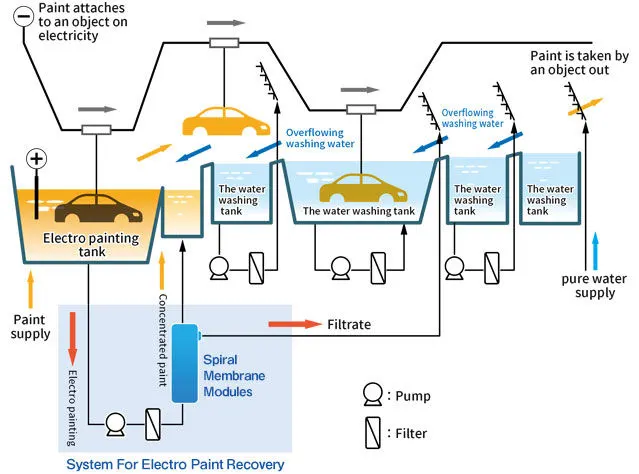
- Electrodeposition (ED):
The metal underbody and frames of automobiles are coated to prevent corrosion, whereas other areas like the roof are not rust-proofed. When not coated to prevent corrosion, the structural metals (or other materials) are primed before applying additional coatings. The ED processes are modified as per the BIW material property. This ED coating provides rust and corrosion protection.
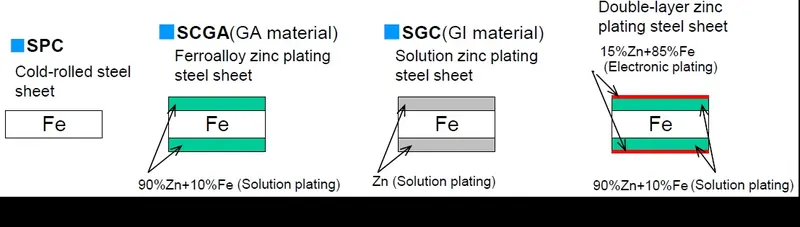
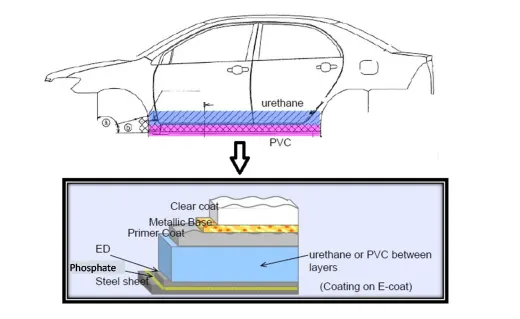
- Rust-proof materials: Sealer/PVC
The third step is underbody coating (UBC) and seam sealing using PVC and urethane. The sealant is applied around and inside the doors, hood, trunk, and front dash and onto the exterior and interior of metal joints and outer area of the back wheel well.
- Primer:
The fourth coating step is the application of a primer surface or simply primer. It can be water-borne, solvent-borne or a powder. These primers are used to improve adhesion between the E-coat and topcoat, provide chipping protection, enhance paint appearance and also be environmentally compatible with emission regulations.
- Top-coat:
The final step in the body coating process is to apply the topcoat, which consists of two layers—the basecoat and clear coat. The basecoat contains the primary colouring pigment and the clear coat provides a protective coating against environmental effects, corrosion, and UV light degradation promotes unmatched colour retention and provides a smooth unblemished even finish.
TYPES OF UNDERBODY COATING
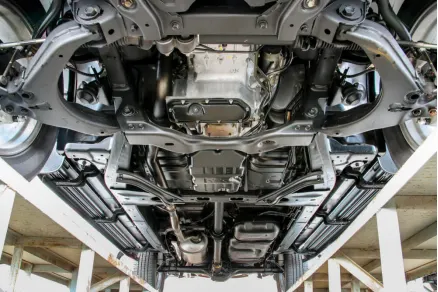
Now let us look at the various kinds of automotive underbody coating you can go for, for your vehicle.
1.Rubberized Underbody Coating
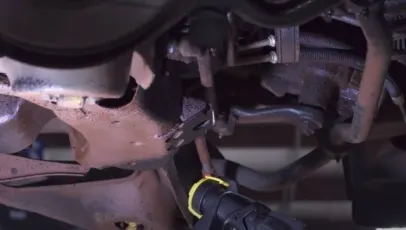
This is generally thought of as the best underbody coating for your car. It preserves the underbody well, protecting it from scratches. Applying this to the undercarriage is not much of a hassle either.
2.Wax Based Underbody Coating
This more or less ephemeral undercoating will wear away in a few months’ time. On the upside, wax-based undercoating puts up a big fight against moisture. It is also the most affordable option out there.
3.Asphalt Based Automotive Undercoating
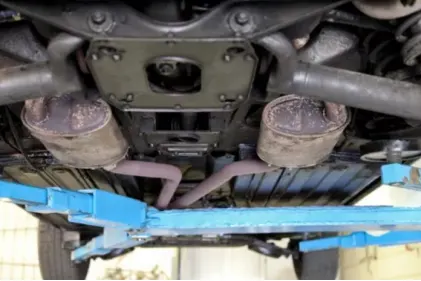
Best suited for lorries, trucks and large vehicles this provides a greater degree of protection compared to rubber-based coatings. However, asphalt-based coatings contain little amounts of rubber for sound-insulation purposes. The process of applying this coating is a bit time-consuming though.
3.Polyurethane Underbody Coating
This coating closes up splits and fractures on the underbody of the vehicle. It offers up good protection against corrosion and also bonds with the metal. Unlike in the case of asphalt-based coating, you can paint over the polyurethane coating.
UNDERBODY COATING KEY FEATURES
VOLUME
- Vehicle undercoating products come in volumes from 16 ounces to about 5 gallons. Think of how much undercoat you will use in the current job, the size of your vehicle, and how much you will need to buy in the near future. A 16-ounce bottle is suitable for a small car, but an RV or a truck will need a 1-gallon jug to get the job done.
SHELF LIFE
- Most premium undercoating materials have a shelf life of at least one year after being opened. Others can only last for a few months, then they start to wear off. If you find a fully functional product with a short shelf life, it’s prudent to buy it in small portions. Figuring that you will use the undercoat at least once a year, the shelf life shouldn’t be an issue if you go for the right portions.
FORMULATION
- The formulation you choose depends on your budget and how long you want the coat to last. Rubberized and asphalt-based undercoats are more expensive, but a single coating job can last up to a year or longer depending on the environmental conditions. Cheaper options like paraffin-based formulations last for only a few months, and you may not be able to stand the smell.
DIFFERENCE BETWEEN RUST PROOFING AND UNDERBODY COATING
The purpose of both treatments is to protect your car from developing rust and corrosion in the end.
Underbody Coating
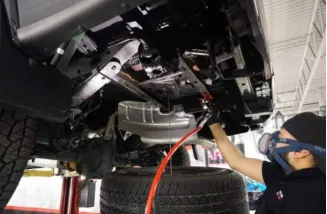
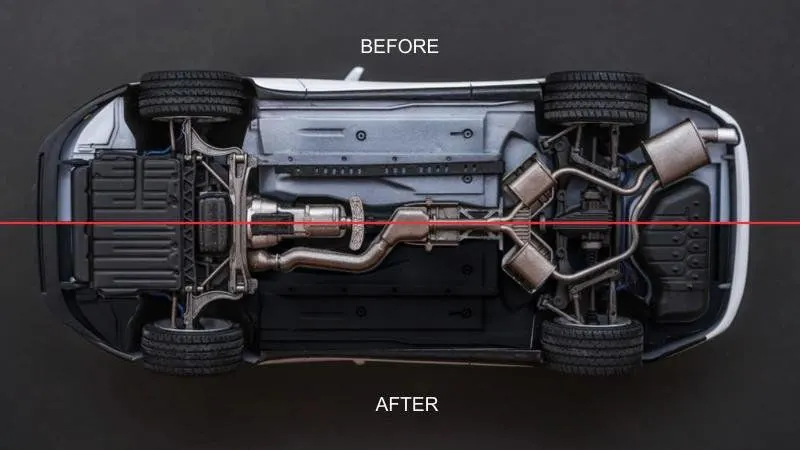
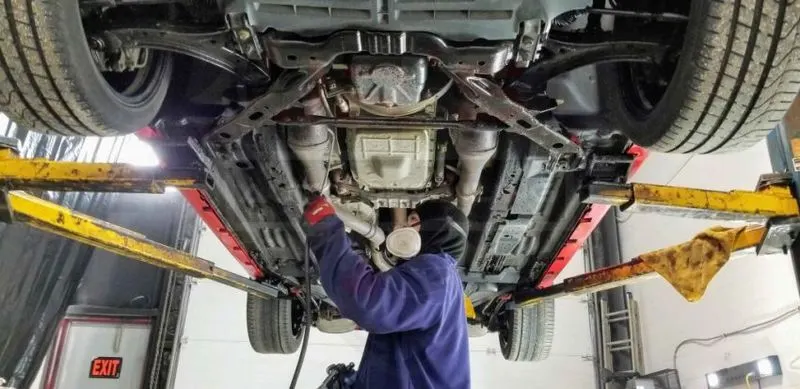
- An undercoating is a spraying accessory that protects the vehicle’s body underneath.
Rust Proofing
- Applying a protective layer of wax or other coatings on corrosion-prone areas outside the vehicle is rustproofing. This layer is mainly applied to fenders, weld points, upper body panels, and tailgates.
Rust Protection
- Rust protection is often confused with rust proofing. However, when a rust inhibitor is applied during the manufacturing process, it is called rust protection. A rust inhibitor blocks the circulation of electrical current stopping rust from developing in the first place.
Such ingredients are applied to almost every vehicle, car, truck, and SUV by mixing into its materials during the manufacturing process. On the other hand, rust-resistant material is also used for manufacturing cars these days.
The choice between rustproofing or undercoating is not an "either-or" decision. Together, rustproofing and applying an undercoating give your vehicle the very best protection against the harsh winter weather and resulting salt and gravel.
BENIFITS OF UNDERBODY COATING
Rust Prevention
- Ideally any additional underbody coating should be applied when the car is brand new and clean. Car manufacturers use thick paints and sealants for the underbody, but adding an underbody coat especially in coastal cities is useful. Salt water tends to corrode cars really badly.
- On bad roads, flying stones and pebbles can chip off the original underbody coating and leave the metal exposed. Using an aftermarket underbody coating offer extra protection.
Sound insulation
- The thicker underbody coatings used on cars also act as effective sound dampeners. They can reduce road noise and tyre noise and make the cabin seem quieter – due to the sound absorptive nature of rubberized paints.
Easy maintenance
- A uniform black underbody coating gives a car a clean look. It also makes the car easier to maintain by just hosing the underside down. You can be confident that slush build up won’t lead to rusting easily. Most underbody coats these days come with a five-year warranty, which is the lifetime of such a coating.
DOWNSIDE OF UNDERBODY COATING
High cost
- Cost of underbody coating has come down, but is still expensive. This is because underbody coating offered by a car dealer is one way in which they make money off the customer.
Risk of damage during application
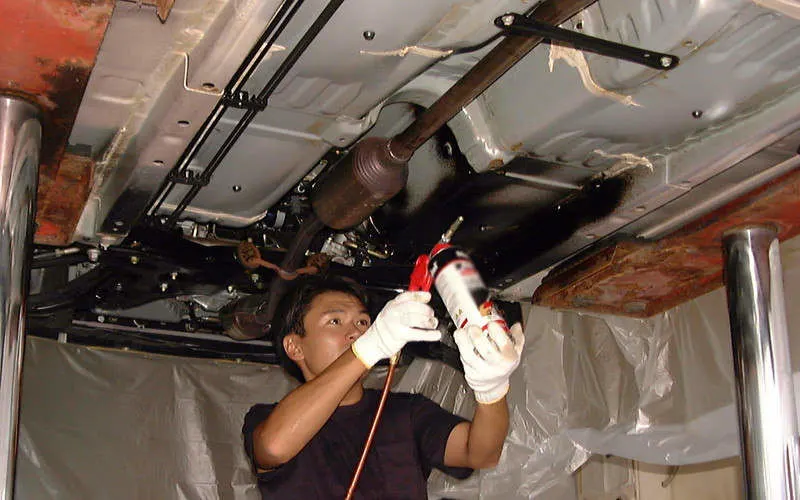
- Care must be taken while applying underbody coating. This thick rubberized paint if not applied properly, can get into moving mechanical parts and cause premature failure – such as into the U-joint or CV joints in a cars propeller shaft or drive shafts.
- They can also hinder smooth movement of suspension components, if applied incorrectly. And there’s also the risk of overspray on to the car’s paint finish on the lower edges of the car.