Underbody Coating
UNDER-BODY COATING
AIM:
To explain under-body coating and its purpose, its types in detail, and its pros and cons.
THEORY:
What is underbody coating:
Under-body coating provides long term protection from corrosion to car's underbody. It also protects parts like internal body panels, frame rails and other inner cavities that are not physically accessible but are prone to corrosion.
Benefits of under-body coating:
• Minimizes Sound: It minimizes the sound from underneath the car resulting a noiseless, smooth driving experience.
• Heat Insulation: It insulates the interior of the car from extreme temperatures from beneath the vehicle providing a comfortable cabin experience.
• Anti-chipping property: If any stone hits the coating it does not get chipped away hence protects the underbody from exposure to water.
UNDERBODY COATING:
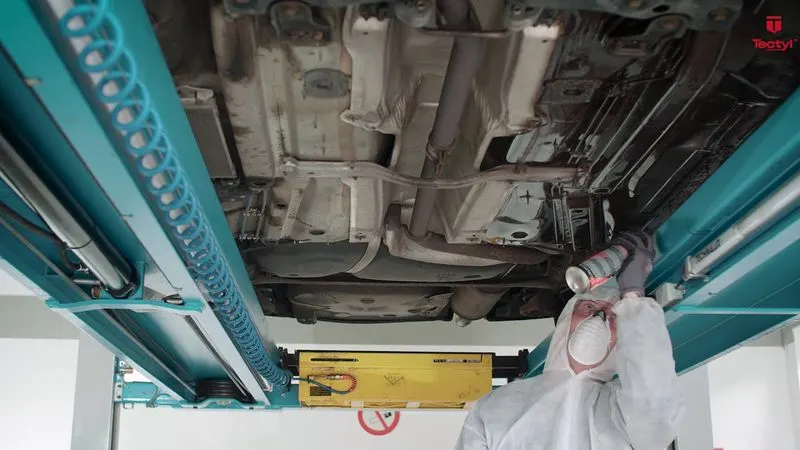
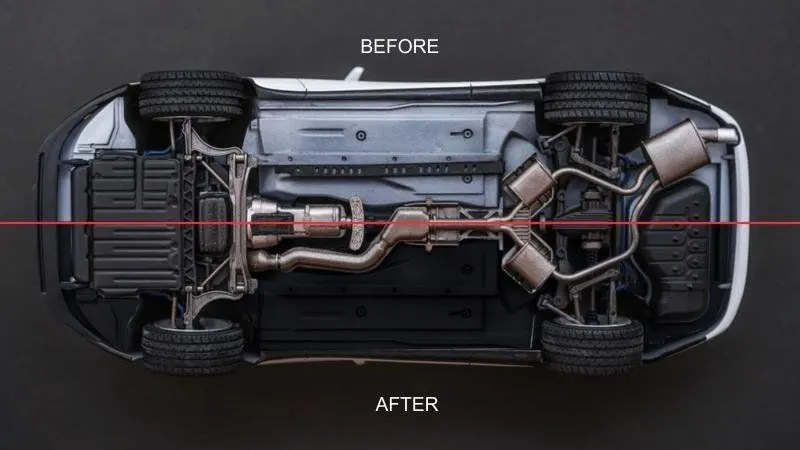
Types of under-body coating:
- Rubberized Under-body Coating.
- Wax Based Under-body Coating.
- Asphalt Based Automotive Under-body coating.
- Polyurethane Under-body Coating.
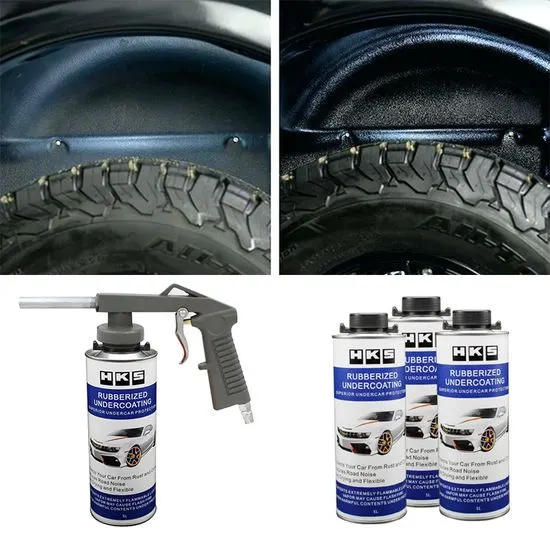
Rubberized Under-body Coating:
- Asphalt Based Automotive Under-body coating:
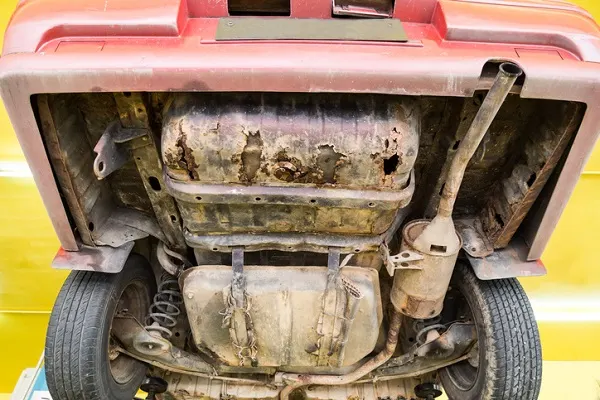
Asphalt Based Undercoating does provide some benefits over Waxed Based Undercoating.
They both stick well to most any surfaces and do a great job sealing out moisture, road chemicals and oxygen. But mainly, Asphalt undercoating has the benefit of being less expensive.
They protect anywhere up to 5 years and dry to a Firm to Hard coating.
Polyurethane Underbody Coating:
This coating closes up splits and fractures on the underbody of the vehicle.
It offers up good protection against corrosion and also bonds with the metal.
Unlike in the case of asphalt-based coating, you can paint over the polyurethane coating.
ADVANTAGES OF UNDERBODY COATING:
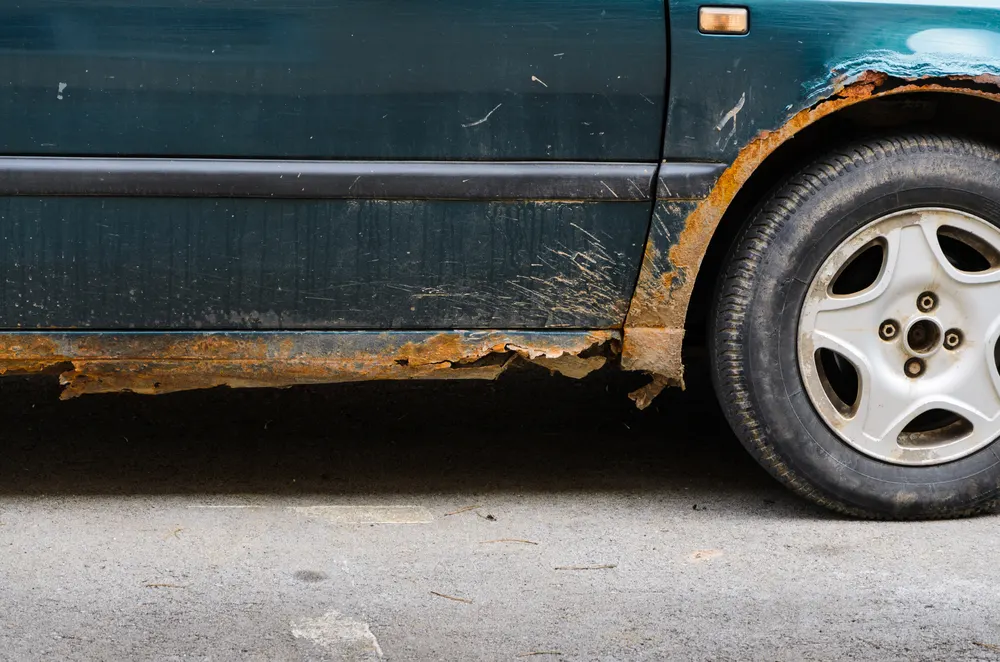
Undercoating gives you an extra layer of protection against rust and corrosion, protecting your car.
Undercoating increases the weight of the car.
CONCLUSION:
Finally UNDER-BODY COATING is very important in the cars.