Supervised Learning - Classification
Supervised Learning
Classification
1. Pros and Cons of SVM
Support Vector Machine (SVM)
“Support Vector Machine” (SVM) is a supervised machine learning algorithm that can be used for both classification or regression challenges. However, it is mostly used in classification problems. In the SVM algorithm, we plot each data item as a point in n-dimensional space (where n is a number of features you have) with the value of each feature being the value of a particular coordinate. Then, we perform classification by finding the hyper-plane that differentiates the two classes very well. Support Vectors are simply the coordinates of individual observation. The SVM classifier is a frontier that best segregates the two classes.
Pros
- It works really well with a clear margin of separation
- It is effective in high dimensional spaces.
- It is effective in cases where the number of dimensions is greater than the number of samples.
- It uses a subset of training points in the decision function (called support vectors), so it is also memory efficient.
Cons
- It doesn’t perform well when we have large data set because the required training time is higher
- It also doesn’t perform very well, when the data set has more noise i.e. target classes are overlapping
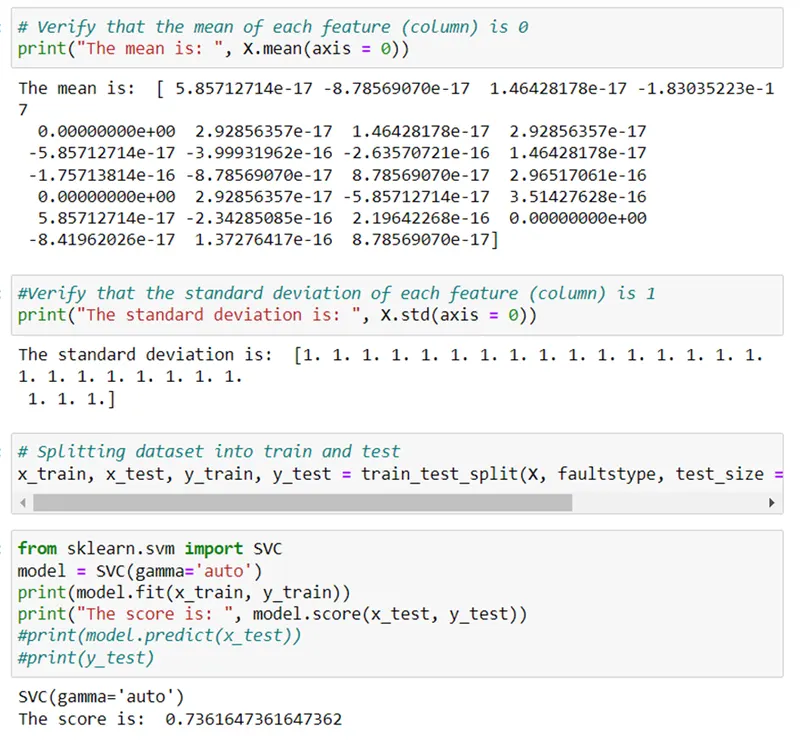
- SVM doesn’t directly provide probability estimates, these are calculated using an expensive five-fold cross-validation. It is included in the related SVC method of Python scikit-learn library.
2. SVM on Stainless Steel plates
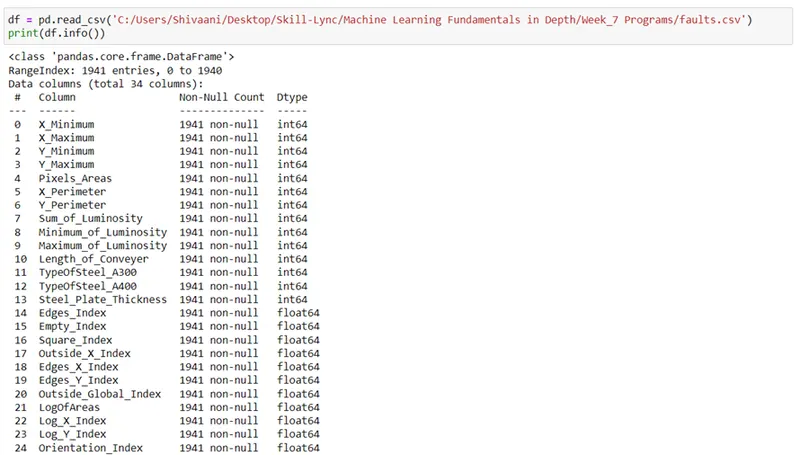
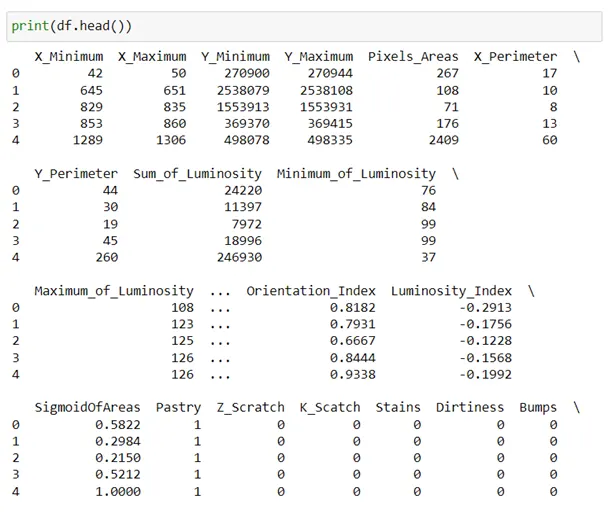
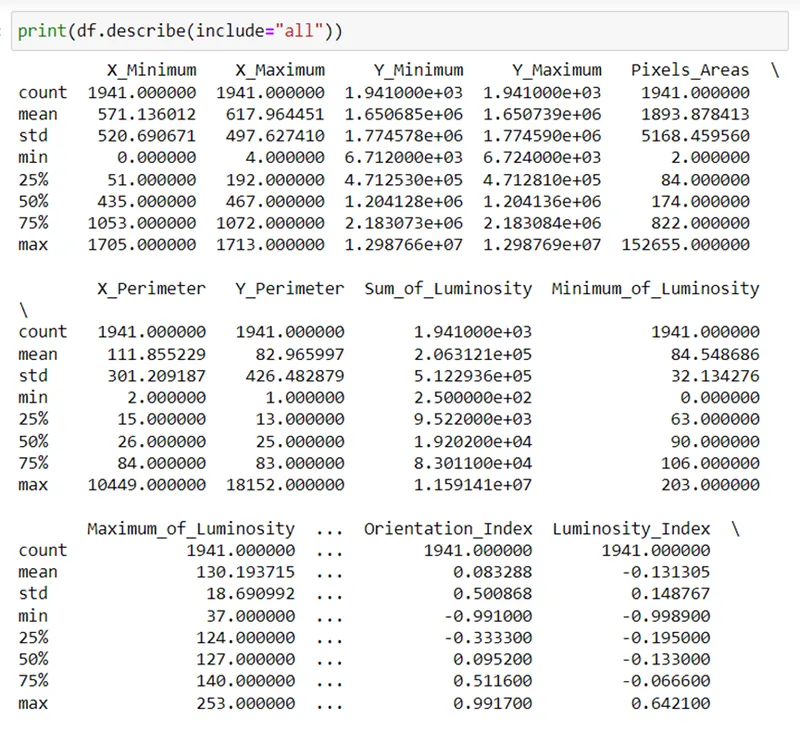
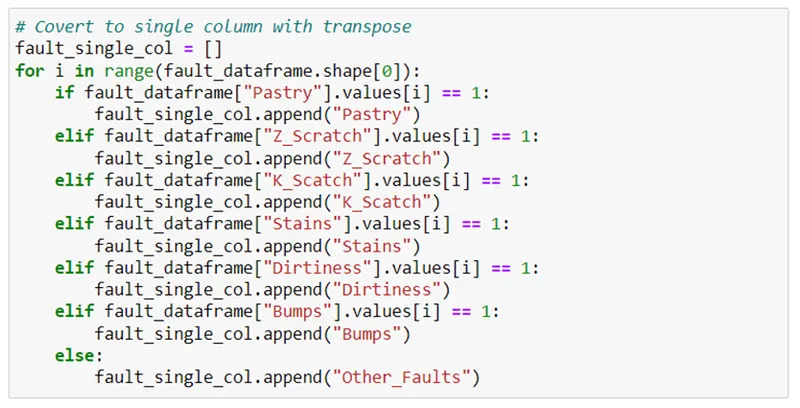
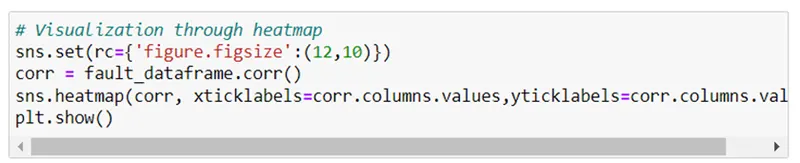
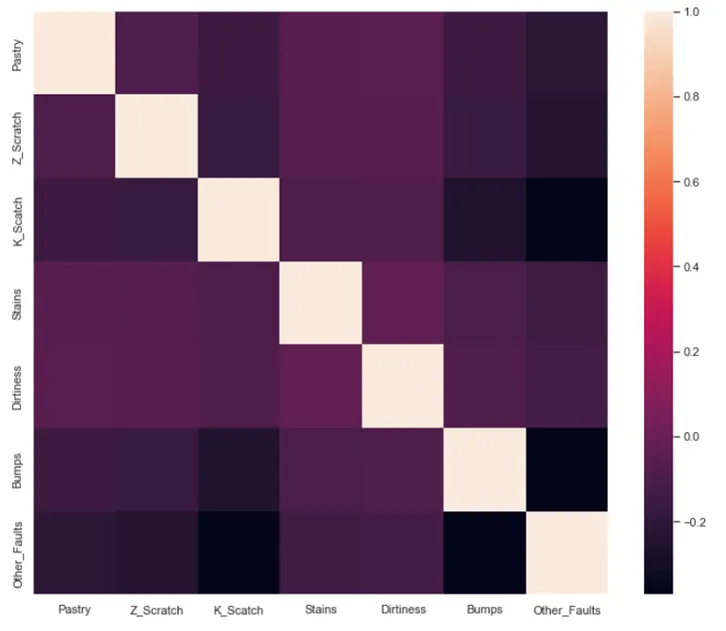
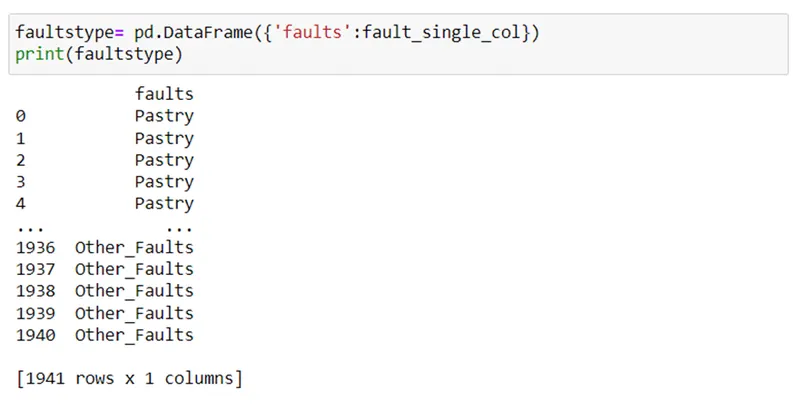
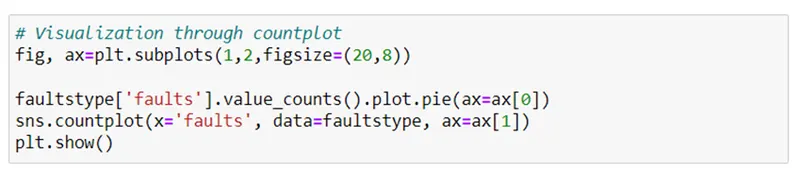
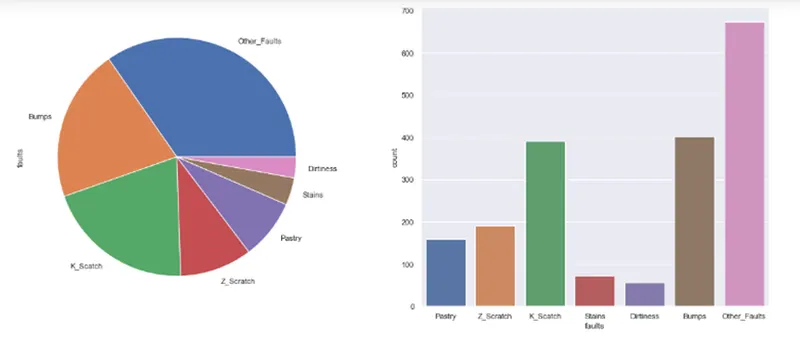
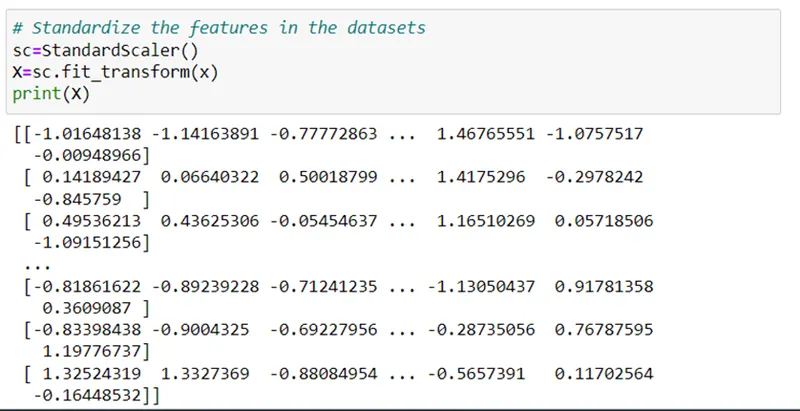
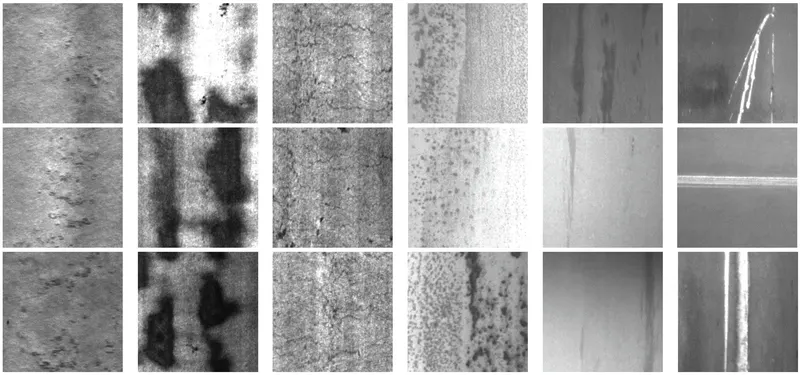
Prediction of Surface defects in stainless steel plates through SVM
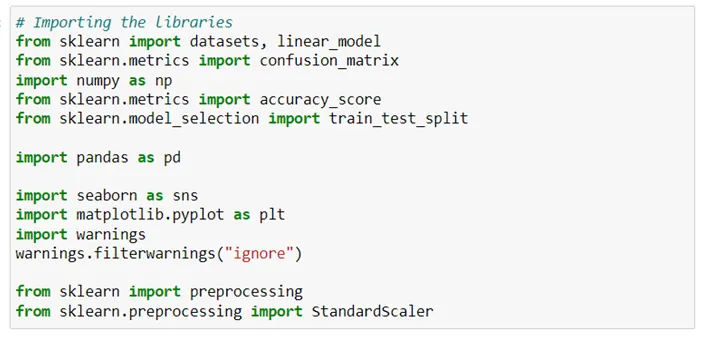
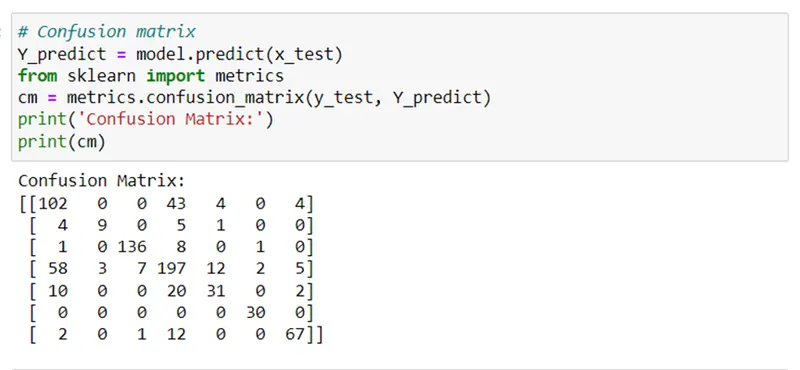
Code: