Section Modulus calculation and optimization
Aim:
To calculate the section modulus and improve the section of hood.
Theory:
Section Modulus is the geometric property of the given cross-section of any shaft or beam structures. It is the direct measure of the strength of the shaft section or the beam section. Higher the section modulus of a structure, the more the resistive it becomes to bending.
Section modulus is defined as the ratio of polar moment of inertia to the radius of the shaft or the distance from the neutral axis to the outer fibres.
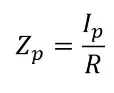
The common way of calculating Section_Modulus for a shaft requires its diameters even if it is a solid or hollow shaft. If it is a beam (Square/rectangle in shape) then it will require the moment of inertia and the distance of the outer fibres from its neutral axes.
Procedure:
- Intersect the outer and inner hood model with the perpendicular plane.
- Split the inner hood intersection line and join with the outer hood intersection line.
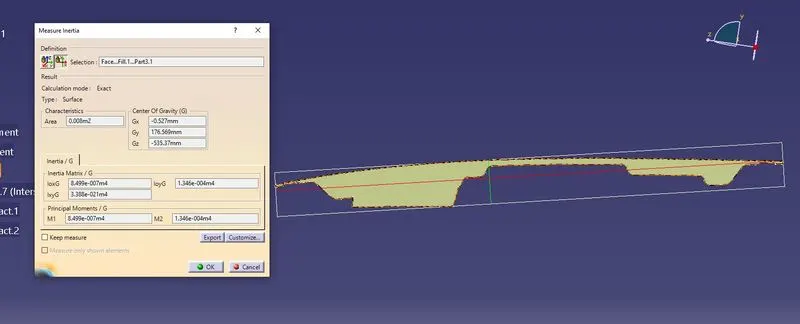
- Fill the lines with surfaces and measure inertia by ‘measure inertia’ option.
- Note down the min and max values of moment of inertia(I).
- Consider only minimum value.
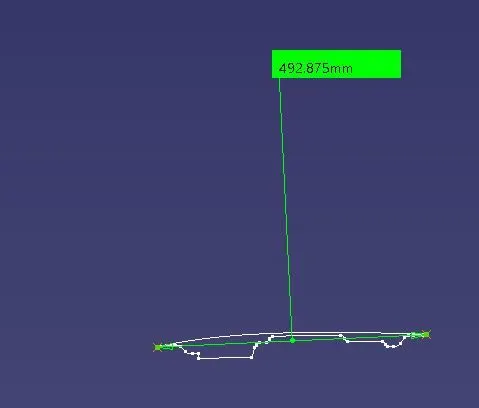
- Measure distance(R) between two end points of the hood.
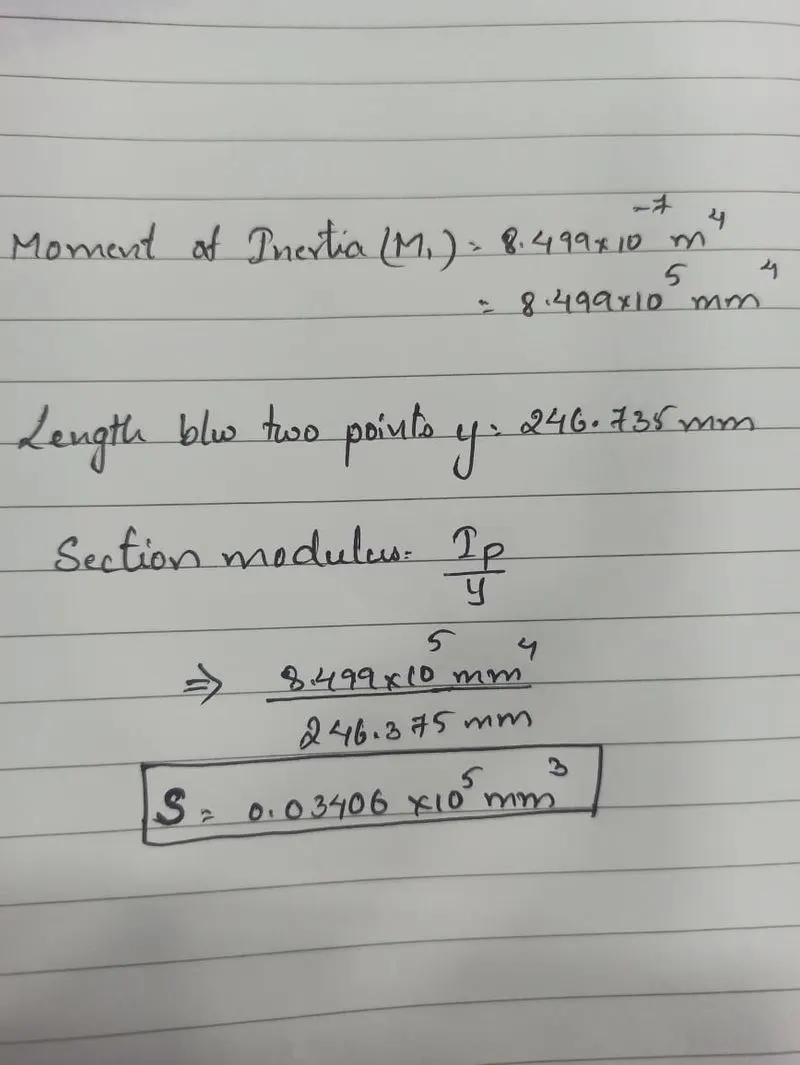
- Calculate the section modulus using the above formula.
Modifying the model:
- Offset the inner hood intersection to 0.5mm and join with outer hood intersection line.
- Repeat the above steps.
- Calculate the section modulus and see how much the strength has increased.
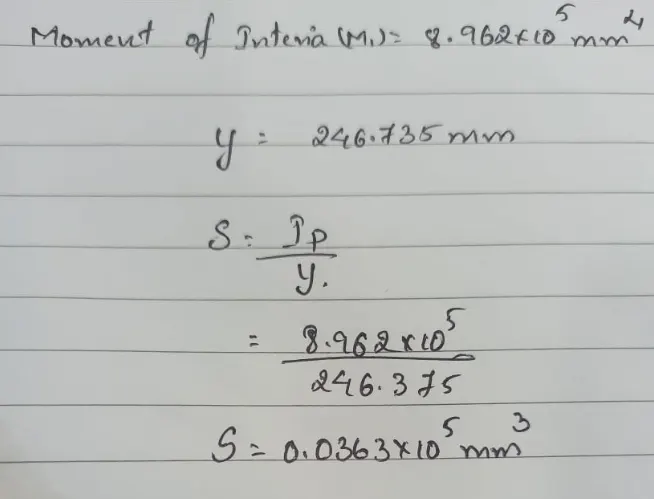
Result:
The increase in strength is noticed by calculating the section modulus.