Roof Design
Objective:- Designing a roof for a car with the help of a given class A surface.
parts to be designed is
1. Outer roof (front roof area, side ditch area, and rear roof area
2. front roof rail
3. Bow roof 1
4. Bow roof 2
5. Center roof rail
6. rear roof rail
DESIGN CONSIDERATION-
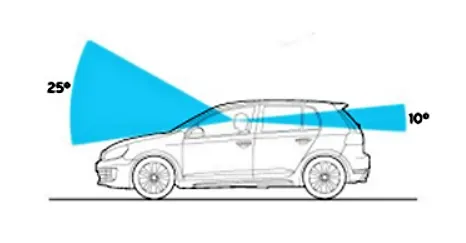
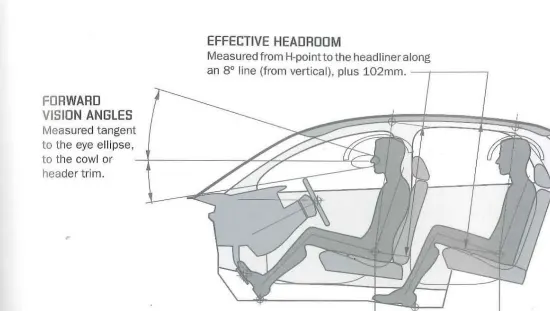
- Visibility criteria
- Head clearance
- Curvature study
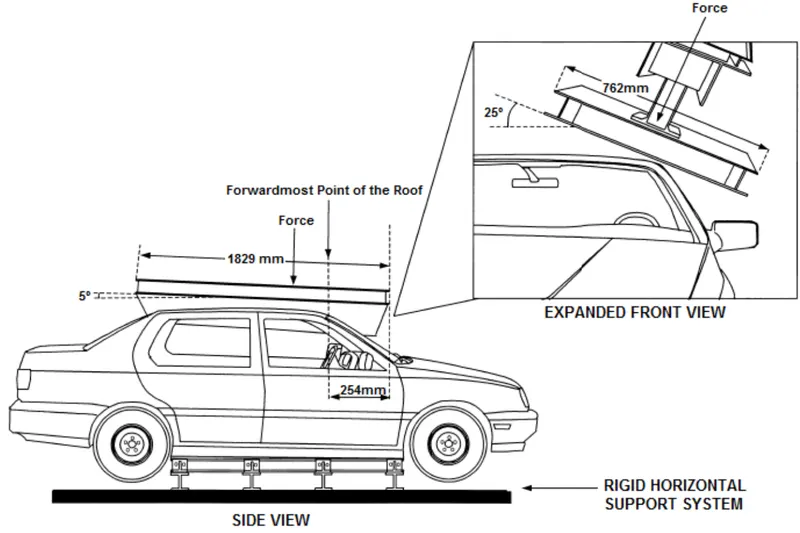
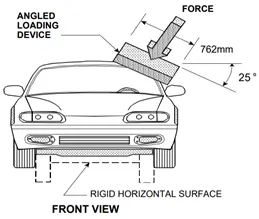
- Hear distortion and snow load criteria
- Draft analysis.
outer roof
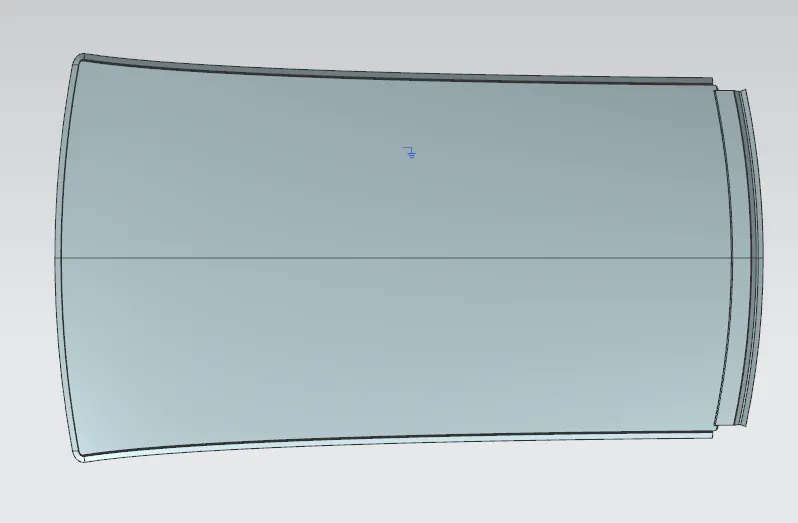
Front, Rear & side ditch area
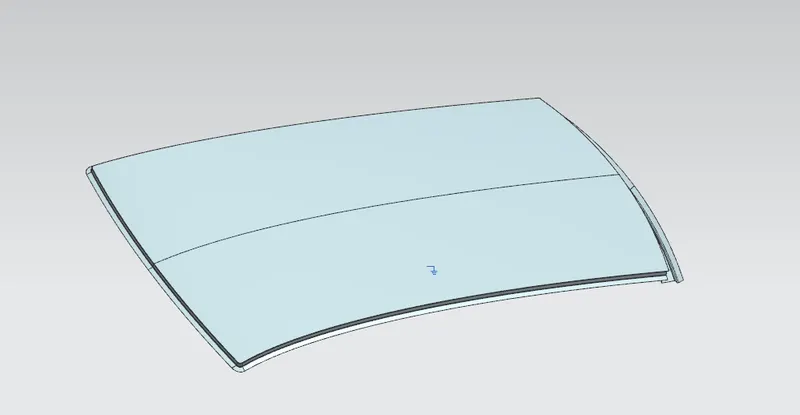
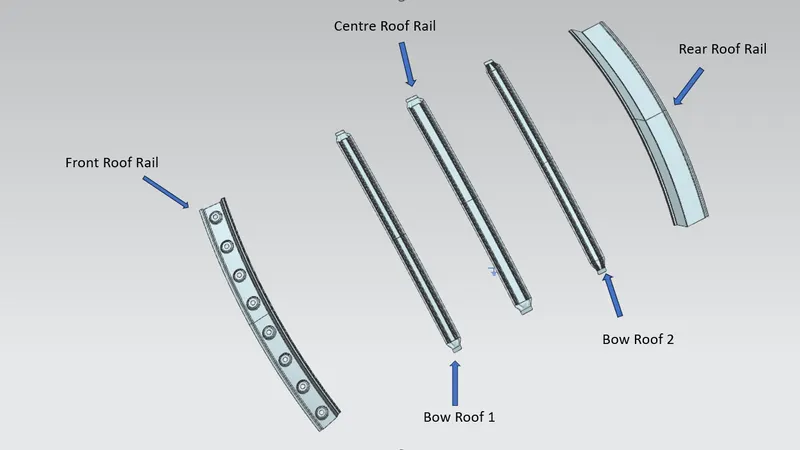
To strengthen the outer roof we have to introduce roof rails (front roof rail , rear roof rail, bow roof 1, bow roof 2, & center roof rail)
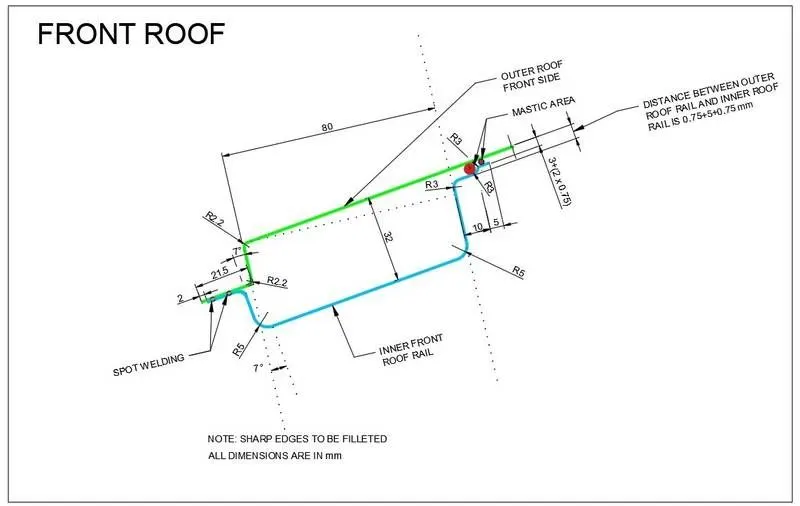
front roof rail as per the master section
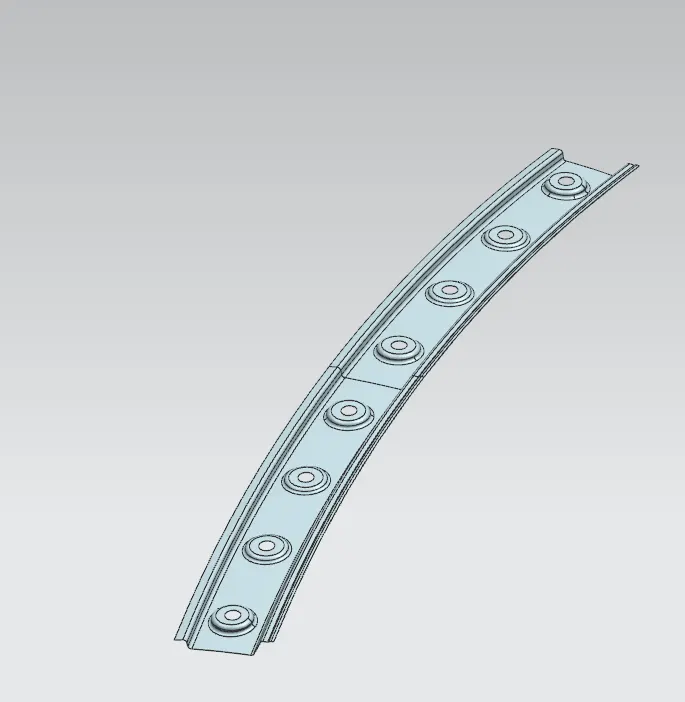
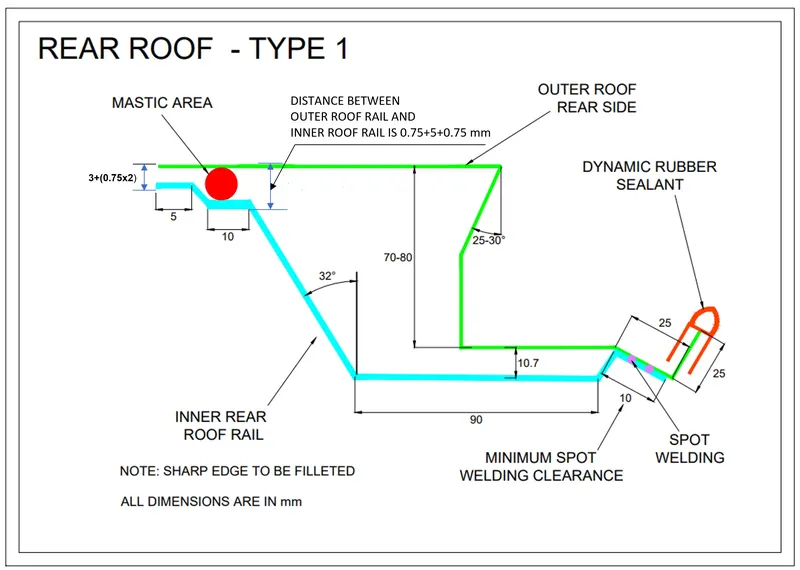
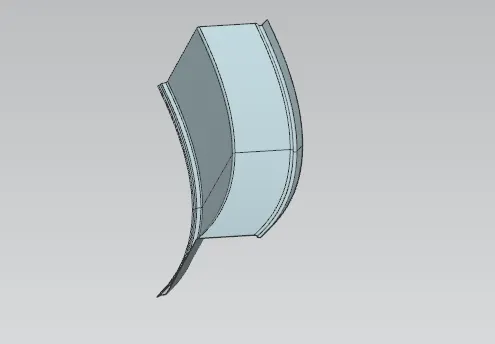
Rear roof rail as per the master section
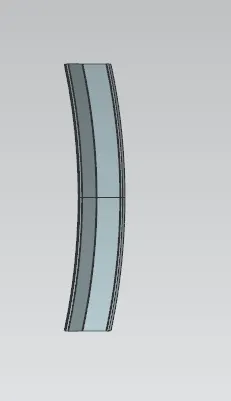
Bow Roof 1 & Bow Roof 2
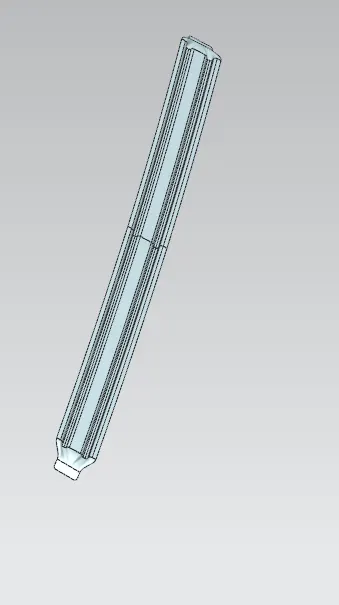
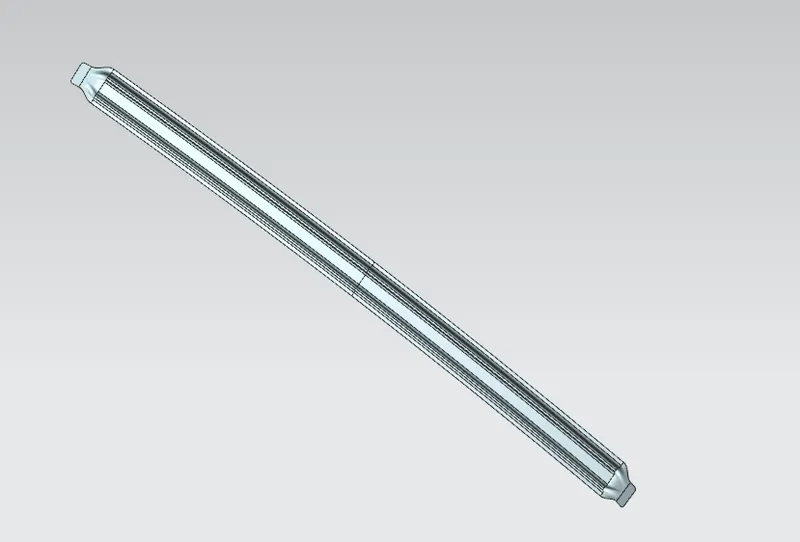
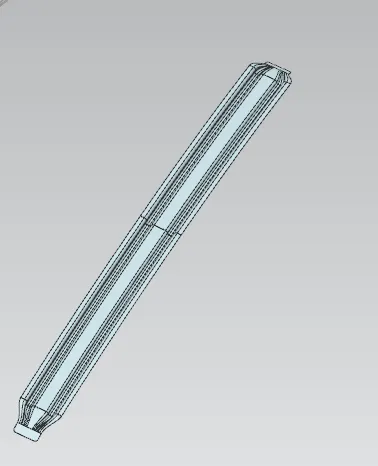
Center Roof rail
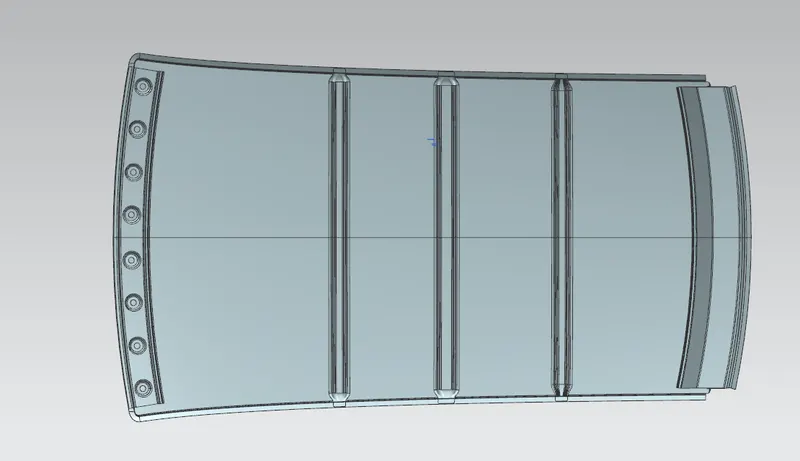
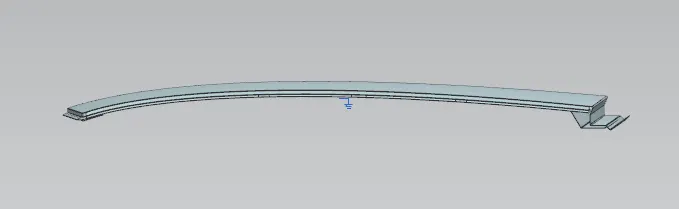
complete roof
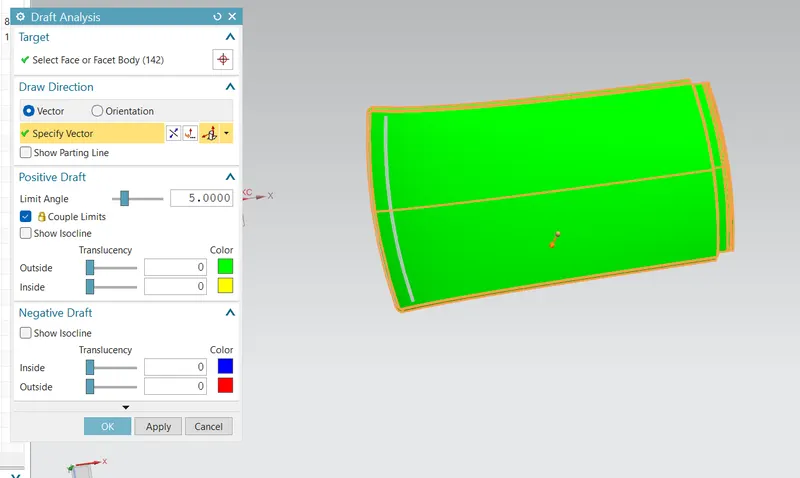
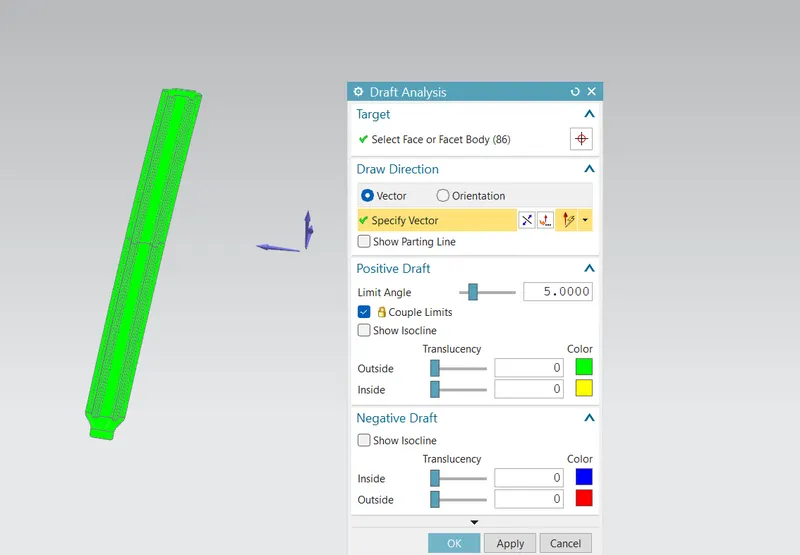
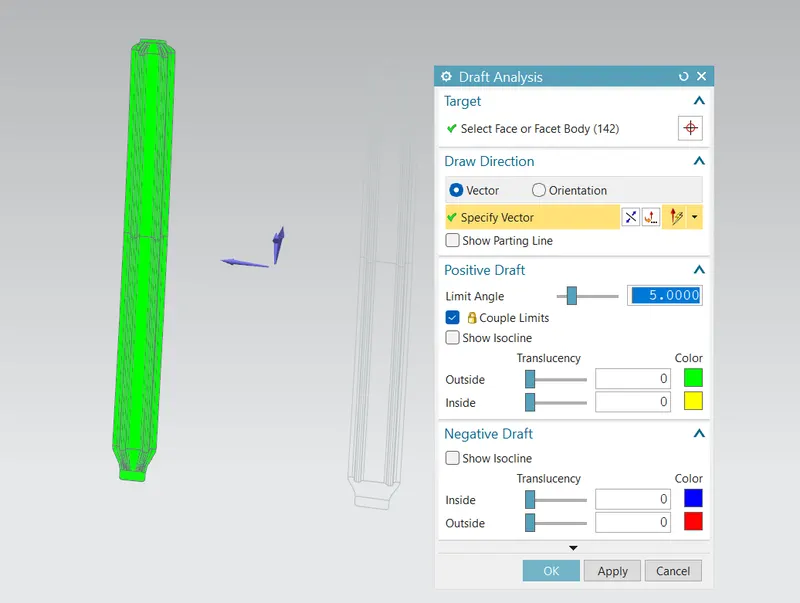
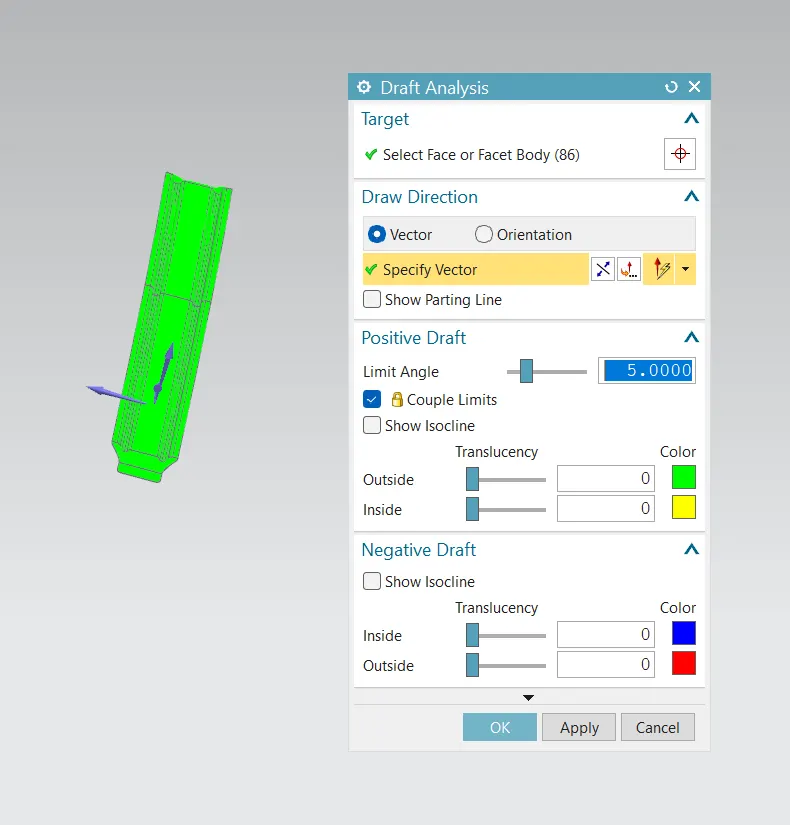
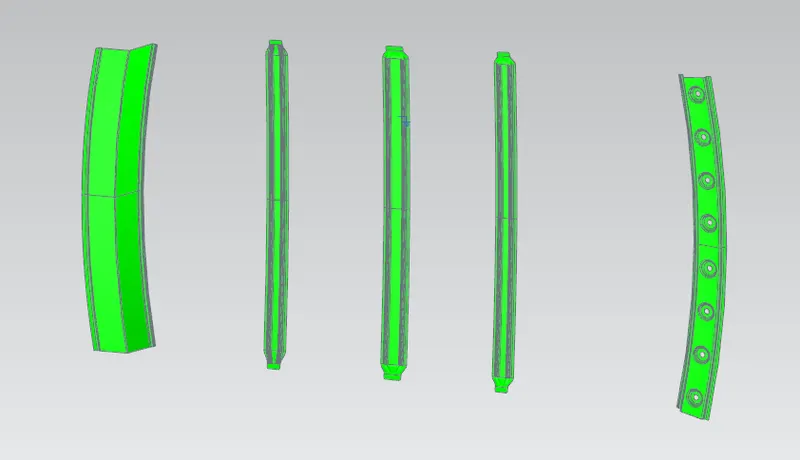
Draft analysis
sheet metal must have a minimum 7-degree draft. for that, a draft analysis must be conducted.
all roof areas are clearing the draft analysis.
outer roof
front roof rail
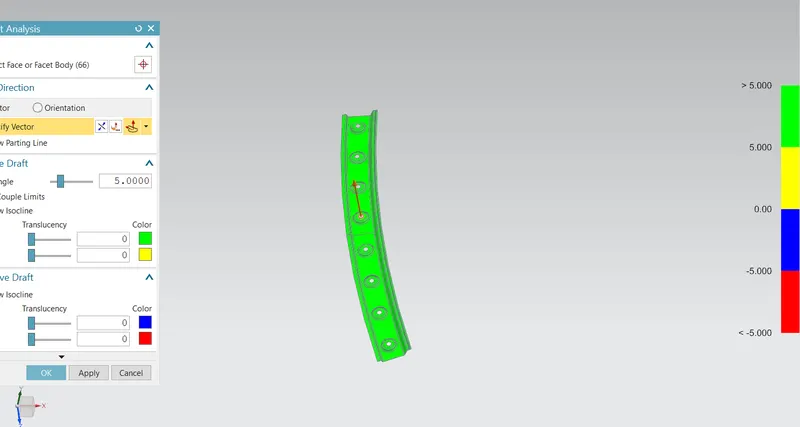
rear roof rail
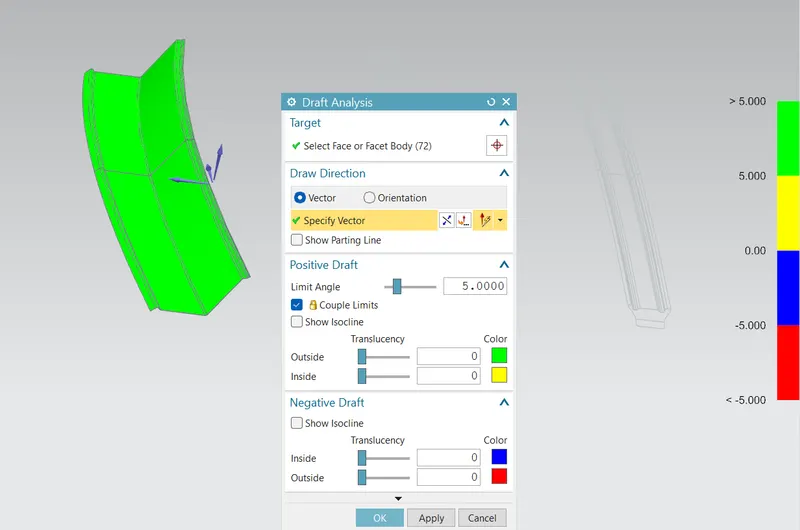
Bow roof 1
bow roof 2
centre roof rail
Heat Distortion Calculation
This calculation is to check the ability of the roof to withstand high temperatures with respect to the positioning of the reinforcements which contribute to increased strength.
Why Heat Distortion Criteria?
- The use of high-tensile steel sheets on car bodies has increased, and the weight of bodies has decreased, to enhance fuel economy.
- by fabricating pieces from thinner sheets. The surface areas of outer panels such as a roof panel and door outers are large, so the effects of weight reduction are also large and thereby the needs for thinner panels is high.
- Some studies have noted issues with the outside quality where, when thinner outer panels are employed, the surfaces of shells bend owing to thermal strain during the painting and drying processes in addition to issues with the stamping performance (hence, referred to as thermal distortion).
- The washing, electrodeposition, sealing, and finish coating steps are all included in the painting of a vehicle's body. An automobile body is submerged in an electrocoating solution during the electrodeposition process to create an electrodeposited film.
- The body is then put through the drying process, where hot air from a furnace is used to dry the electrocoating solution. If thermal distortion is discovered, it requires a significant amount of labour -hours for reworking and checks for numerous parts and across multiple manufacturing processes.
- Thermal distortion is frequently evaluated by the exterior check conducted for completed vehicles with various parts installed.
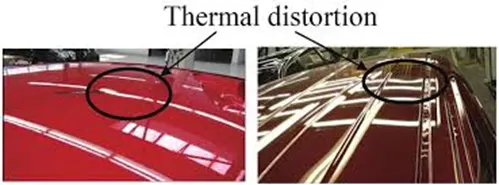
- Countries where the summer is high, there are chances of heat distortion due to sun heat. When the radiation of sun falls on the form of your car, then due to that heat, thermal expansion occurs and due to some thermal expansion, possibility of hanging the roof of the car is more in that area and the roof of your car becomes weak in that area.
- By this calculation we verify these things whether your roof will be able to withstand in that condition or not?
- If so that the area is not able to tolerate this condition then we have to give better support on that area to make your roof stronger.
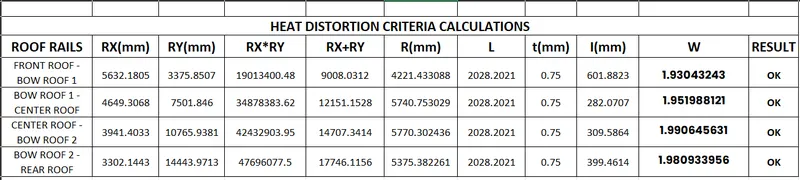
W = [1.73 x 10^(-3) x L] + [1.85 x 10^(-8) x (R^2)/t] + [1.10x10^(-3) x l] - 2.68
Judge mental Condition: OK< 2.7
Were,
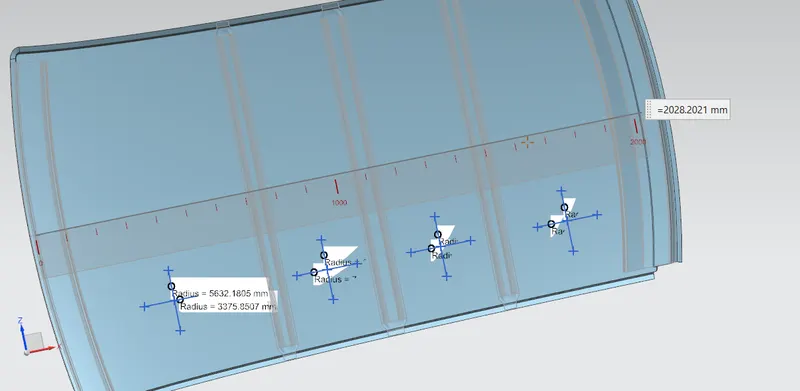
L = Roof Length in X-Direction[mm](Roof dimension in 0-Y)
R = Roof curvature
R = 2(Rx*Ry)/(Rx+Ry)
Rx = X curvature
Ry = Y curvature
t = Roof plate thickness [mm]
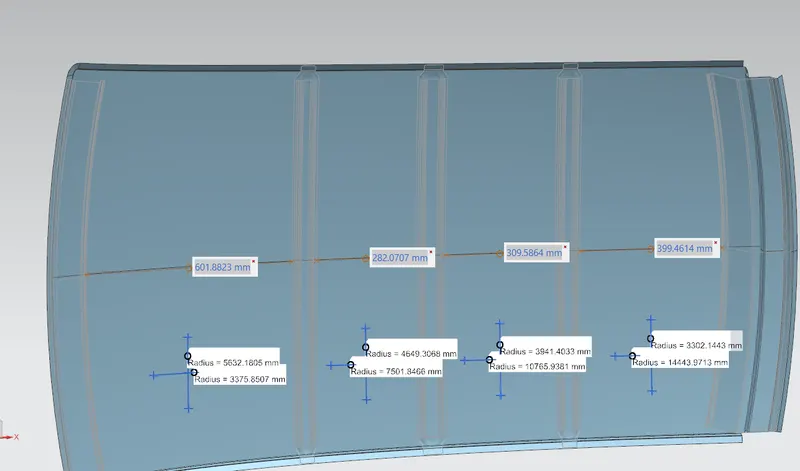
l = Bow Roof Span [mm]
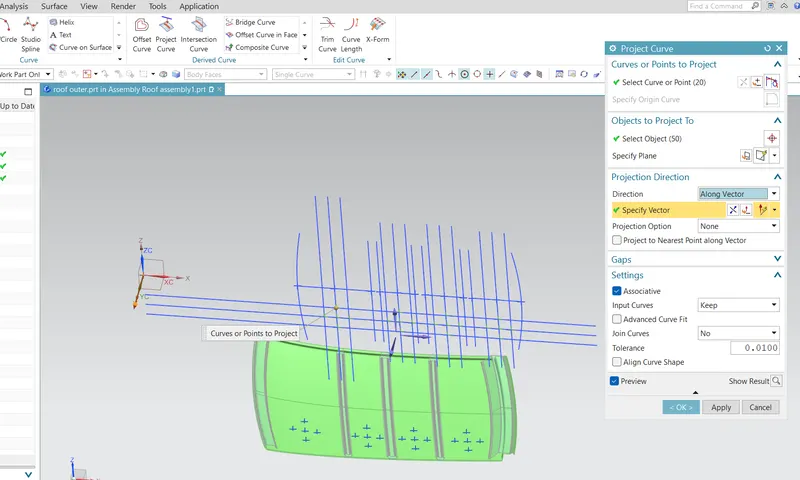
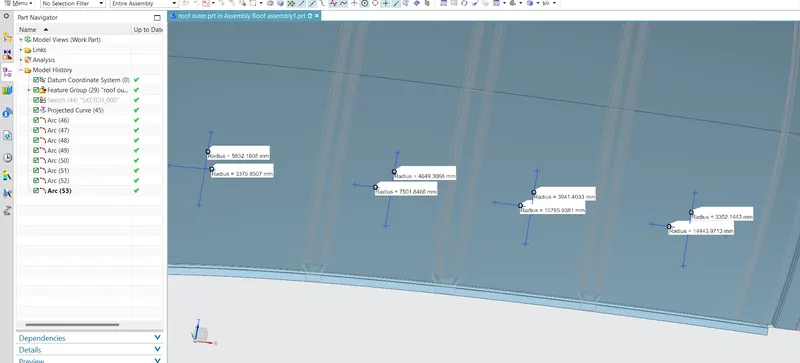
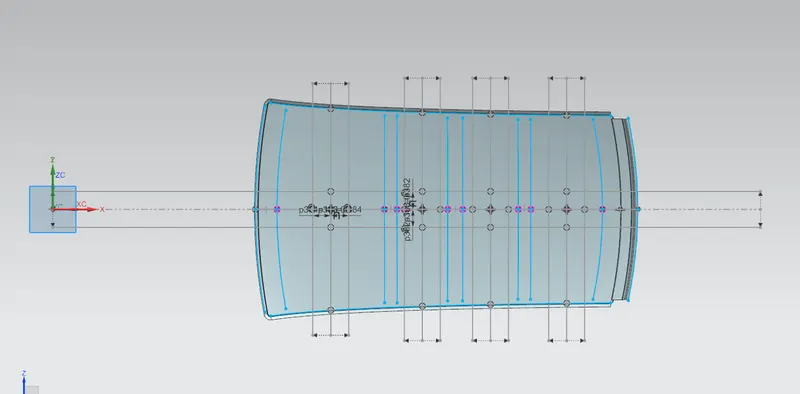
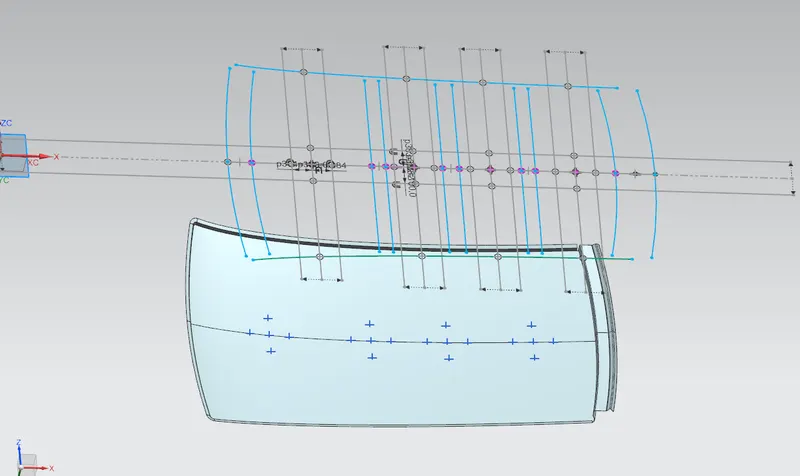
Projecting the points
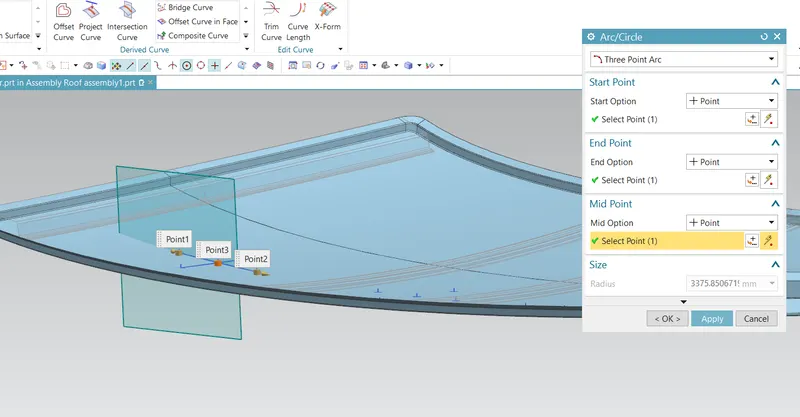
Arc creation
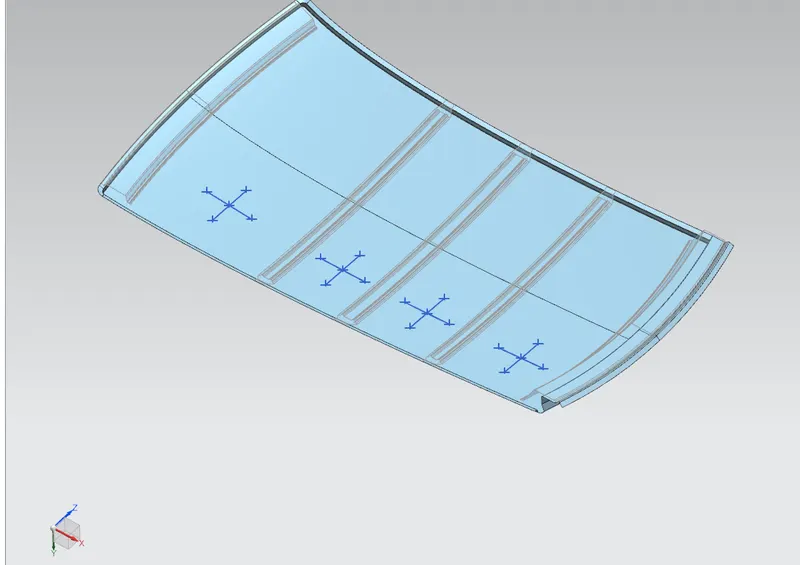
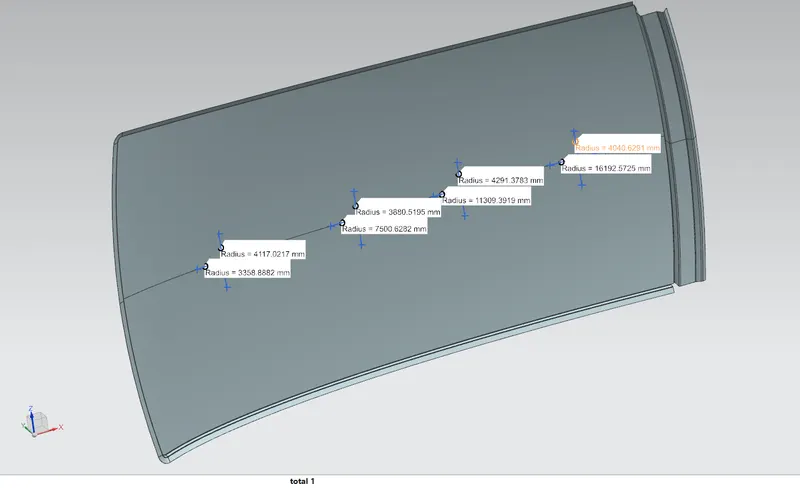
RX & RY value
L
Bow roof span
Result
Judge mental Condition: OK< 2.7
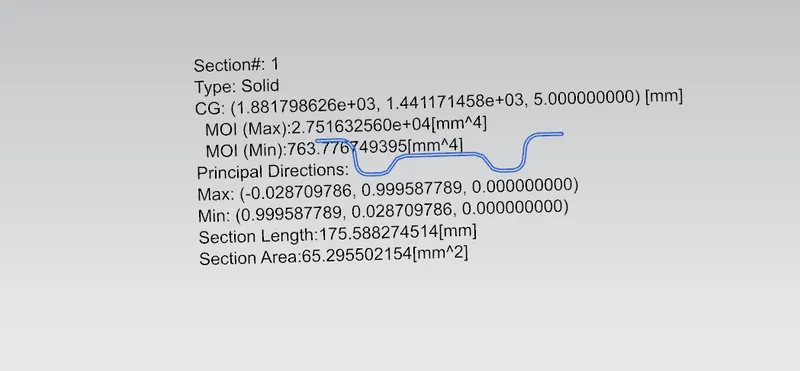
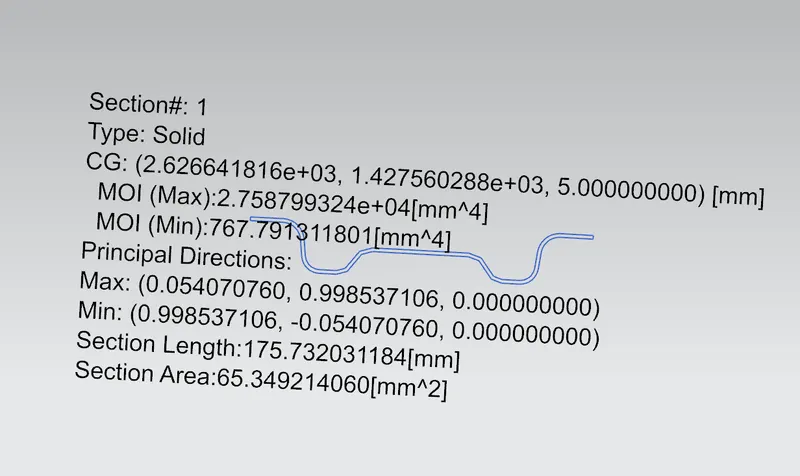
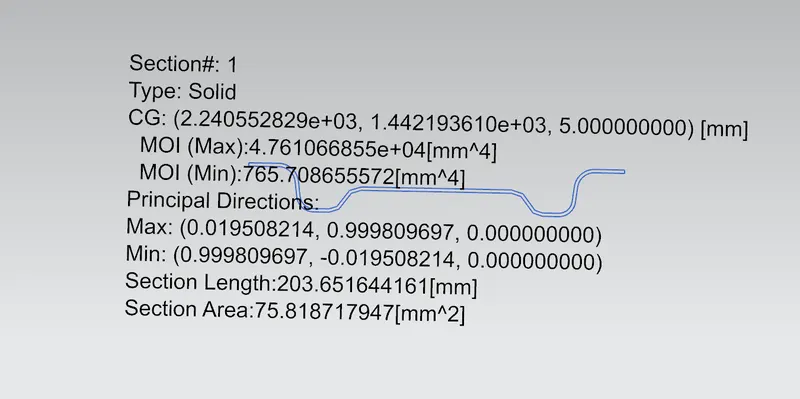
Section modulus
Bow roof 1
Bow roof 2
Bow roof 3
SNOW LOAD PREDICTION
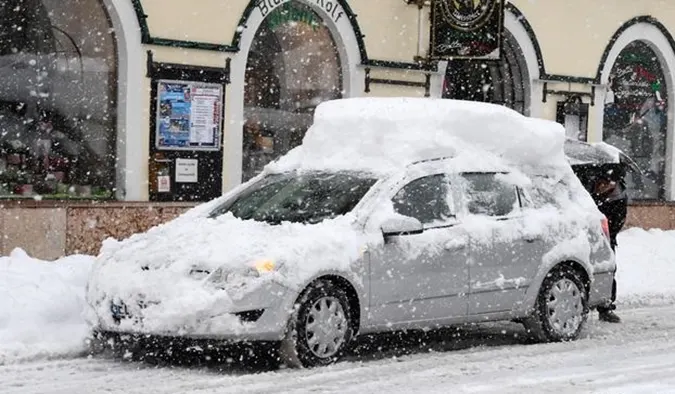
- Snow Load Criteria study is done to check the withstand ability when the snow loads over the roof during winter in snow fall regions. This study will also analyse the roof that whether the permanent deformation occurs after removing the snow load. That it may bend but needs to be bounce back to its original position.
- roof design must pass through these calculations to ensure that it has sufficient stiffness to withstand the load due to accumulation of snow over the roof.
Qr = [Iy x t2] / [α x s x [(Rx + Ry)/2]2 x 10-8]
Note: The Qr value given over here is correct. There was a typo error in the formula given in the video.
Where
α = My x Lx2 x 10-12 , My = Y(Ly-Y)
Judgement condition = Qr ≥ 3.1
t = Roof plate thickness [mm]
Ly = Distance between the front and rear roof Rails on the Vehicle along with 0Y[mm]
Length of Roof panel with the center point between Roof rail Front /Rear as the front and rear reference point.
Lx = Distance between the Left and Right end of the roof on the Roof BOW [mm]
Width of the roof panel exposed on the surface.
Y = Distance front Front Roof Rail to Roof BOW[mm]
s = Distance for which Roof BOW bears divided load [mm]
s = L1/2 + L2/2
Iy = Geometrical moment of inertia of Roof BOW (Y cross-section )[mm4]
Rx = Lateral direction curvature radius of roof panel Y cross-section on Roof BOW [mm]
Roof panel curvature Radius of the Length Lx in Front view
Ry = Longitudinal Direction curvature radius of the Roof panel X cross-section on Roof BOW [mm]
Roof panel X curvature radius of length s in Side view
RX & RY
Result
