Roof challenge
ROOF REPORT
OBJECTIVE
- To design an automotive roof of the given styling surface and to analyze the prepared model.
- To find the section modulus for the master sections of Front roof, Rear roof, Bow roof and Centre roof rails.
- To do a draft analysis of the master sections.
ROOF
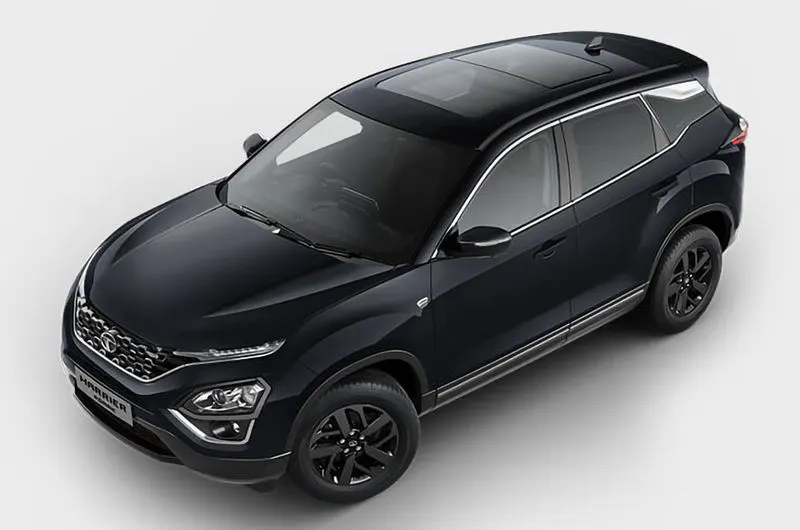
An automobile roof or car top is the portion of an automobile that sits above the passenger compartment, protecting the vehicle occupants from sun, wind, rain, and other external elements. Because the earliest automobiles were designed in an era of horse-drawn cariages, early automobile roofs used similar materials and designs.
In order to provide significant savings for the vehicle, it is preferable that 75% of the surface area of the roof assembly be comprised of aluminium-based roof. A good roof has the composition of Al, Si, Cu, Fe, Mn and Mg and Aluminium for the rest.
The roof is generally designed in a way that it can be welded without compromising the size and shape of the flange and without the need of additional fasteners and or adhesive compounds.
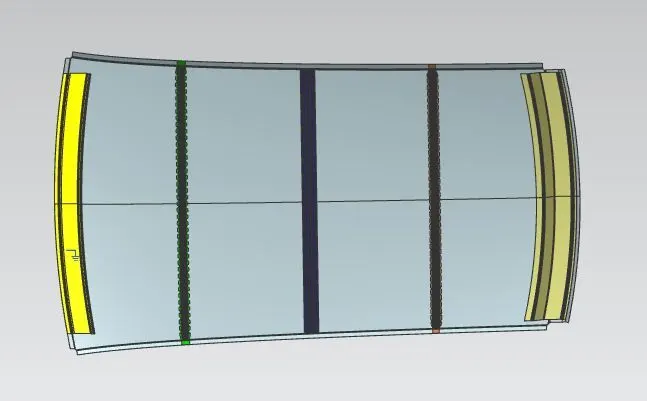
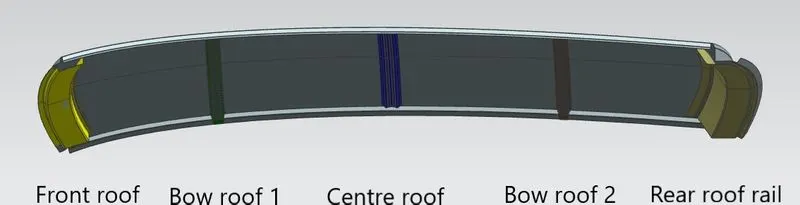
Roof assembly consists of
- Roof Outer panel
- Front Roof rail
- Bow Roofs
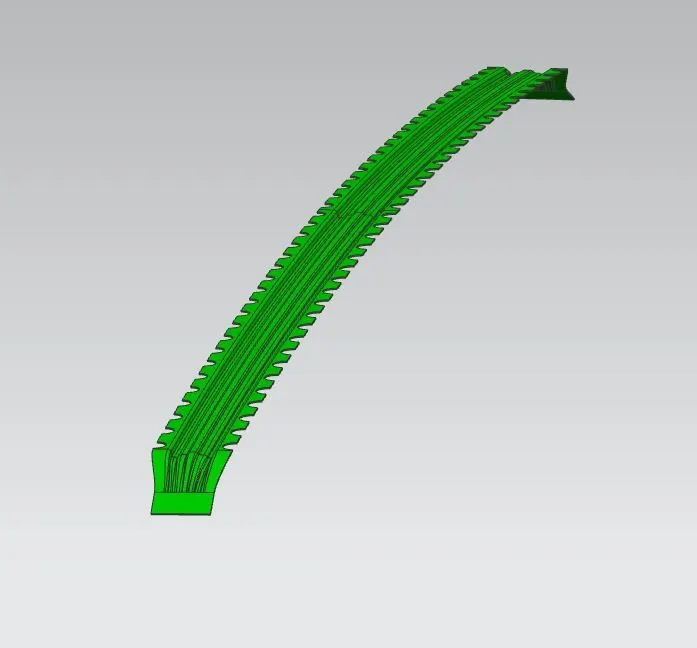
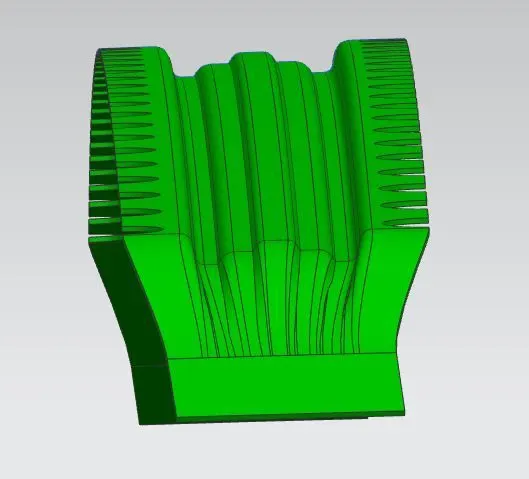
- Centre Reinforcement Roof rail
- Rear Roof rail
FRONT ROOF RAIL
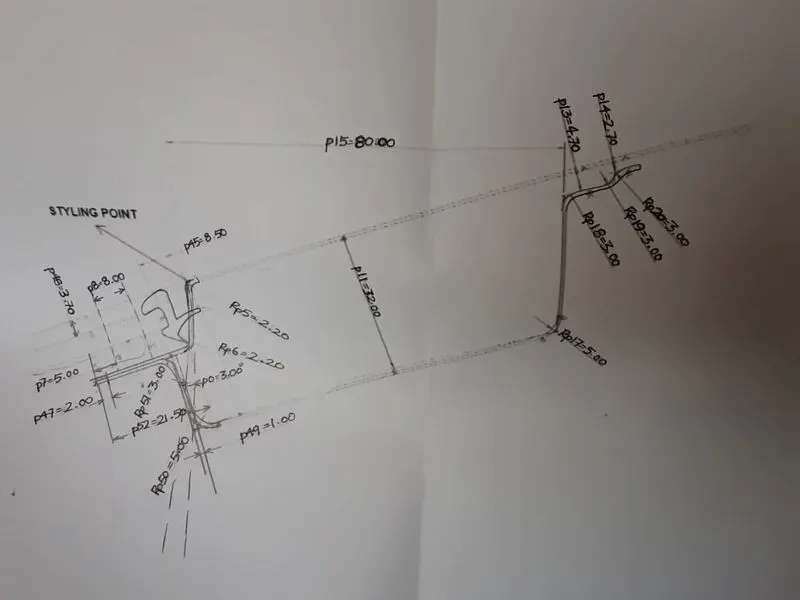
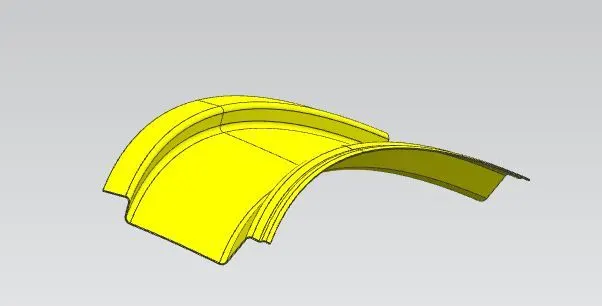
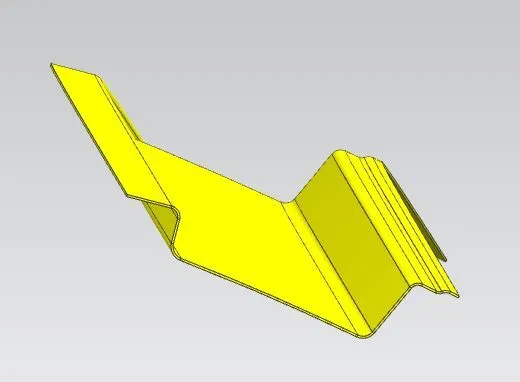
This is the master section with which the Front roof and Front roof rail should be designed. The front roof rail will be sewed with the outer rood panel so that it forms a single sheet with which the Front roof can be designed using it as a reference.
The Front roof is dimensions are very important beacuse it will determine where the windshield will be placed and should be placed with ease.
BOW ROOF RAIL 1
CENTRE ROOF RAIL
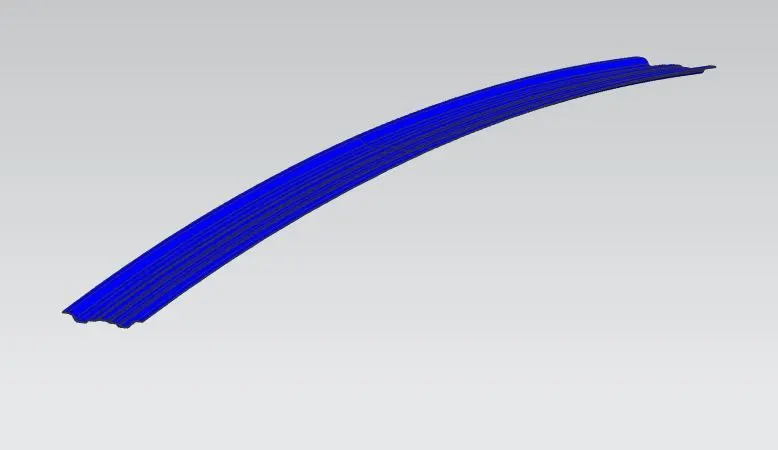
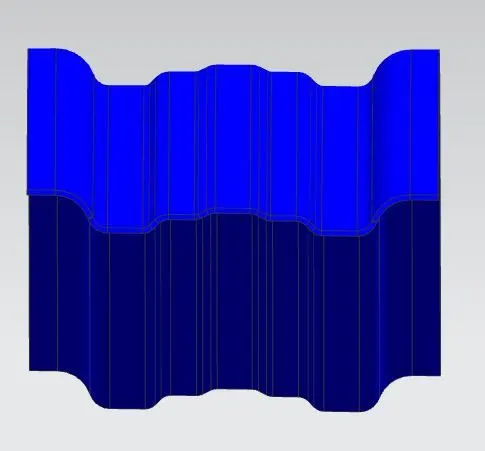
BOW ROOF RAIL 2
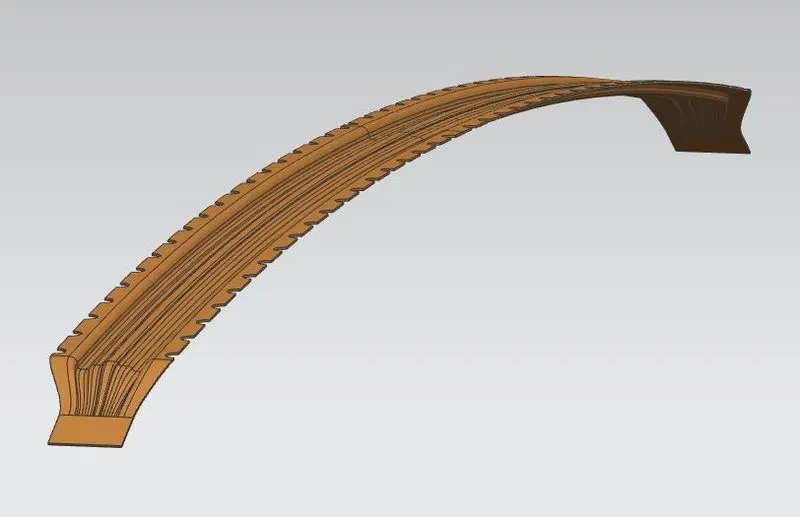
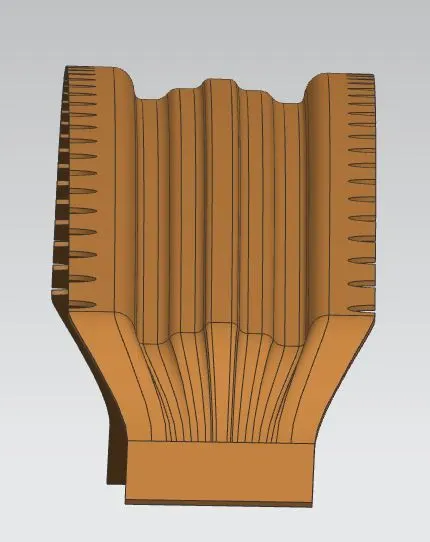
REAR ROOF RAIL
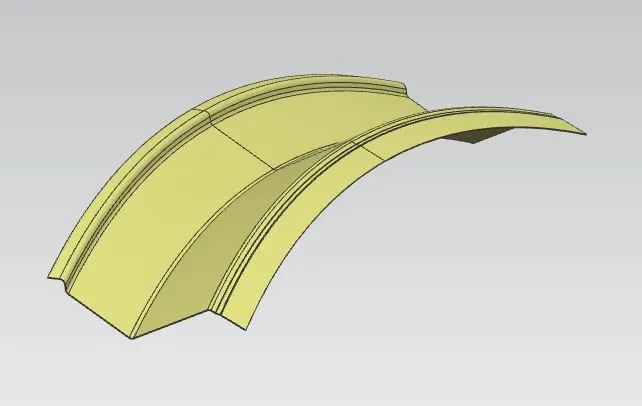
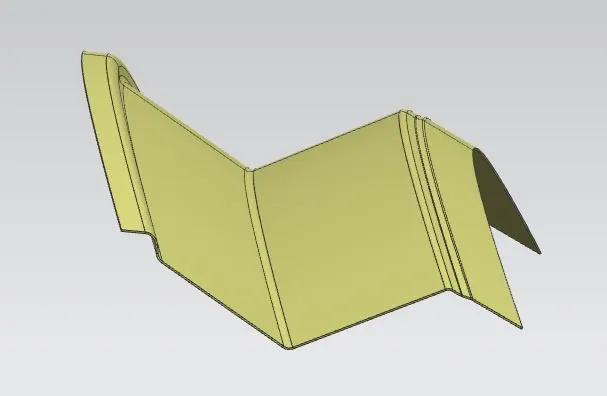
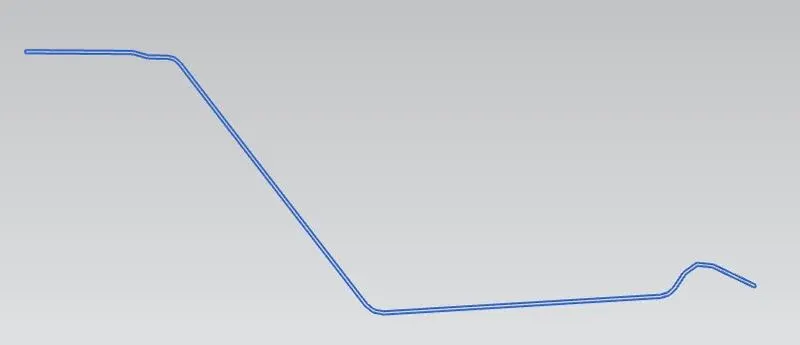
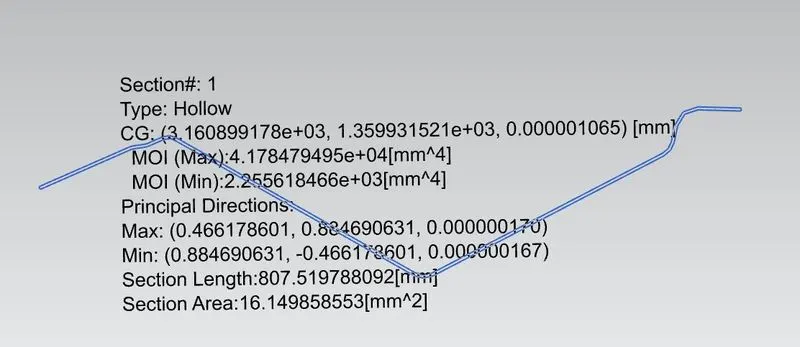
SECTION INERTIA ANALYSIS ON ROOF RAILS
FRONT ROOF RAIL
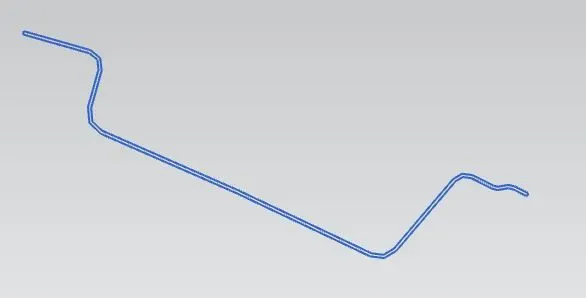
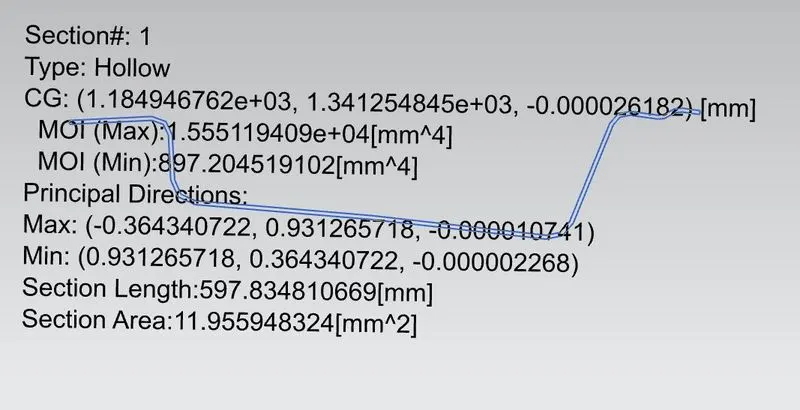
BOW ROOF RAIL 1
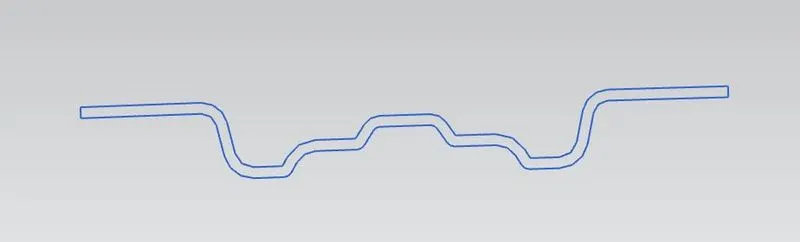
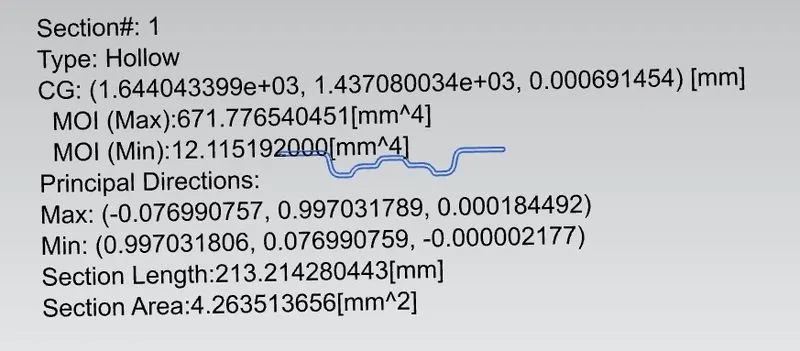
CENTRE ROOF RAIL
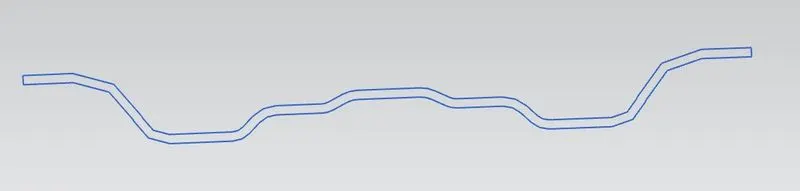
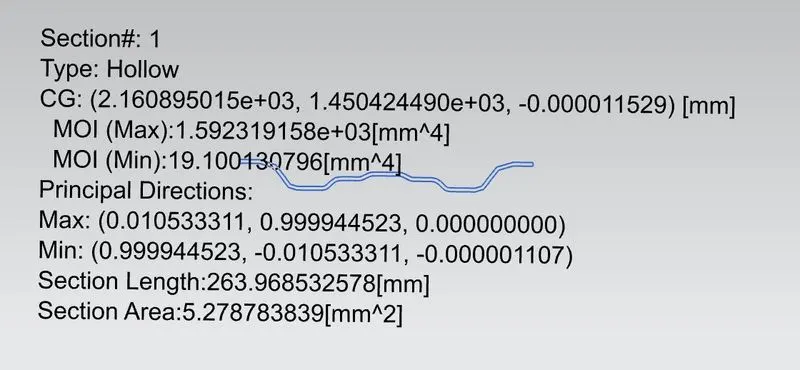
BOW ROOF RAIL 2
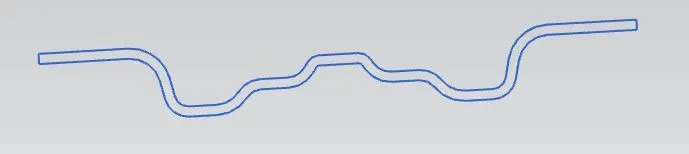
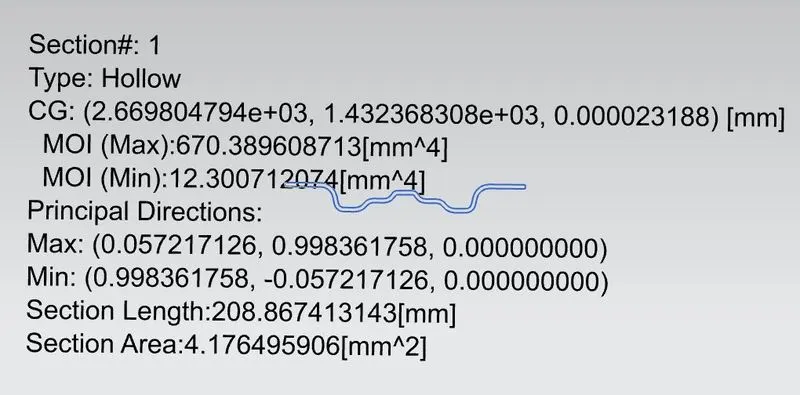
REAR ROOF RAIL
HEAT DISTORSION CRITERIA
Heat distorsion test specified for roof assembly are static, dynamic and impact. The purpose of static testing is to verify that the roof assembly exhibits no permanent deflection due to distributed load representing snow load due to heat distortion.
BOW ROOF PREDICTION FORMULA:-
W = [1.73 x 10^(-3) x L] + [1.85 x 10^(-8) x (R^2)/t] + [ 1.10x10^(-3) x l] - 2.68
Judgement Condition : OK< 2.7> 3.1
Where
L = Roof Length in X-Direction[mm](Roof dimension in 0-Y)
R = Roof curvature
R = 2(Rx*Ry)/(Rx+Ry)
Rx = X curvature
Ry = Y curvature
t = Roof plate thickness [mm]
l = Bow Roof Span [mm]
 '
'
From the above results, we can conclude that the w<2.7 satisfies the condition. This infers that the current positioning of the Bow roofs are in good state as per design and found ok.
SNOWED CRITERIA
Snow load Prediction formula
Qr = [Iy x t2] / [α x s x [(Rx + Ry)/2]2 x 10-8]
Note: The Qr value given over here is correct. There was a typo error in the formula given in the video.
Where
α = My x Lx2 x 10-12 , My = Y(Ly-Y)
Judgement condition = Qr ≥ 3.1
250 ≤ s ≤ 380
t = Roof plate thickness [mm]
Ly = Distance between the front and rear roof Rails on the Vehicle along with 0Y[mm]
Length of Roof panel with the center point between Roof rail Front /Rear as the front and rear reference point.
Lx = Distance between the Left and Right end of the roof on the Roof BOW [mm]
Width of the roof panel exposed on the surface.
Y = Distance front Front Roof Rail to Roof BOW[mm]
s = Distance for which Roof BOW bears divided load [mm]
s = L1/2 + L2/2
Iy = Geometrical moment of inertia of Roof BOW (Y cross-section )[mm4]
Rx = Lateral direction curvature radius of roof panel Y cross-section on Roof BOW [mm]
Roof panel curvature Radius of the Length Lx in Front view
Ry = Longitudinal Direction curvature radius of the Roof panel X cross-section on Roof BOW [mm]
Roof panel X curvature radius of length s in Side view

From the above result, we can see the designed roof passses the snowed criteria.
CONCLUSION
Hence, the roof, Bow roofs, Centre roof, front roof and rear roof rails is designed following the master section and has passed both the tests to check the durability of the roof rails. The moment of inertia and section modulus were carried out to check the feasability for manufacturing.