Underbody Coating
UNDERBODY COATING
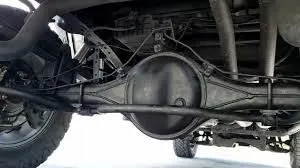
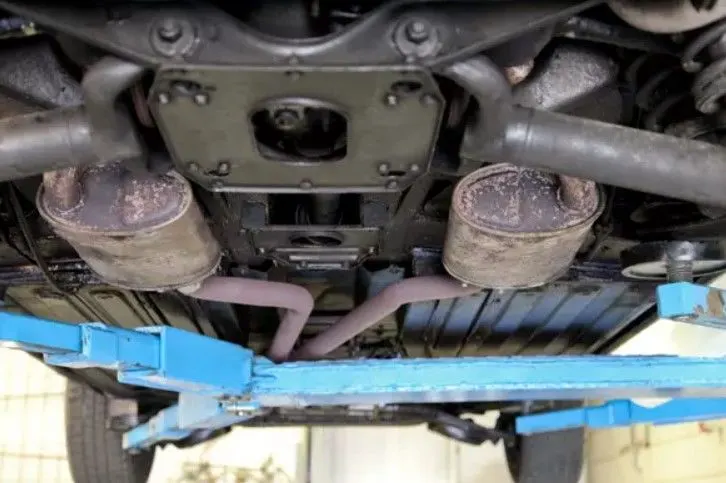
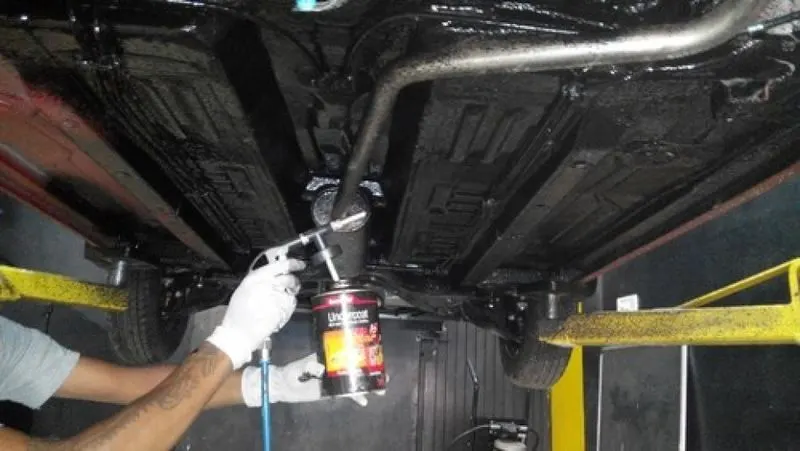
Underbody coating is usually a dense coating (often based on rubber) applied uniformly to the undercarriage of the automobile. It is normally sprayed or painted on when the car is ready for delivery. This prevents further damage to the undercarriage.
The main purpose of underbody coating is to prevent rusting on framing rails and exposed metal parts.
TYPES OF UNDERBODY COATING
- Rubberized Underbody Coating
- Wax Based Underbody Coating
- Asphalt Based Underbody Coating
- Polyurethane Underbody Coating
· RUBBERIZED UNDERBODY COATING
This is said be the best and easiest coating to apply and widely used on undercarriages of cars. It preserves the underbody of the car, protecting it from scratches.
· WAX BASED UNDERBODY COATING
This is the most affordable option of the lot but it wears out easily. It is excellent is prevention of moisture on the underbody. It has a hassle-free process of applying the coating.
· ASPHALT BASED UNDERBODY COATING
Best suited for lorries, trucks and large vehicles this provides a greater degree of protection compared to rubber-based coatings. However, asphalt-based coatings contain little amounts of rubber for sound-insulation purposes. The process of applying this coating is a bit time-consuming though.
· POLYURETHANE UNDERBODY COATING
This coating is mainly used to close up fractures and splits that have already occurred on the underbody of the vehicle. This coating bonds well with the metal and forms as a sealant on the metal used. Unlike other types of coating, paint can be applied over this type of coating.
· ADVANTAGES OF UNDERBOADY COATING
- Provides layer of protection against corrosion
- It will extend the life of your vehicle
- It can be applied to damaged areas
- It may help reduce interior noise
- Multiple methods to apply which can suit the user’s needs
- Can be self-applied
· DISADVANTAGES OF UNDERBODY COATING
- It is less helpful if corrosion is already present
- It works best on new cars
- It adds weight to the vehicle
- It does not prevent physical damage to the underbody
- It must be reapplied every 3-5 years for better protection