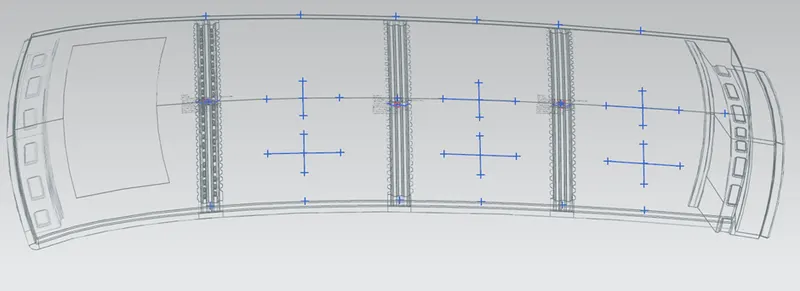
Roof challenge
ROOF DESIGN
AIM: To develop the Front roof rail, Rear roof rail, Centre roof rail, bow roof rail, and essential flanges, reinforcement by taking a given reference roof styling.
Calculate the heat distortion and snow load criterion to determine and justify the position of the bow roofs. Study on the roof curvature and perform the calculations for positioning the bow roof.
Roof:
An automobile roof or car top is the portion of an automobile that sits above the passenger compartment, protecting the vehicle occupants from sun, wind, rain, and other external elements.
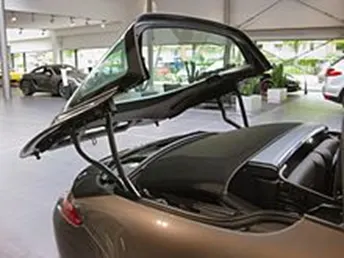
A convertible or cabriolet is a passenger car that can be driven with or without a roof in place. The methods of retracting and storing the roof vary between models. A convertible allows an open-air driving experience, with the ability to provide a roof when required. Potential drawbacks of convertibles are reduced structural rigidity (requiring significant engineering and modification to counteract the effects of removing a car's roof) and cargo space.
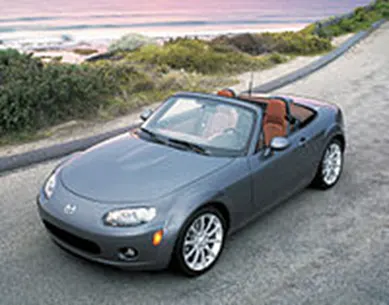
The majority of convertible roofs are of a folding construction framework with the actual top made from cloth or other fabric. Other types of convertible roofs include retractable hardtops (often constructed from metal or plastic) and detachable hardtops (where a metal or plastic roof is manually removed and often stored in the trunk).
A roof module is a complete top for a convertible. Such tops can be a soft top or a retractable hardtop which is produced by specialized convertible top suppliers and supplied to the OEMs. The OEMs finally are completing their cars in their own production lines with these tops to a convertible.
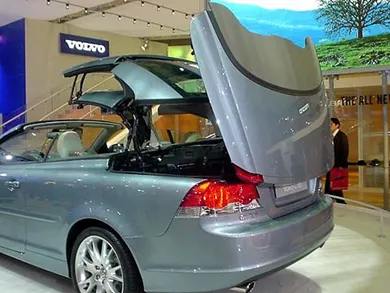
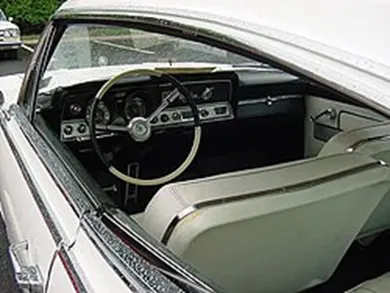
A hardtop is a rigid form of automobile roof, which for modern cars is typically constructed from metal. A hardtop roof can be either fixed (i.e. not removable), detachable for separate storing or retractable within the vehicle itself. pillarless hardtop (often referred to as simply "hardtop") is a body style of cars without a B-pillar, which are often styled to give the appearance of a convertible design.
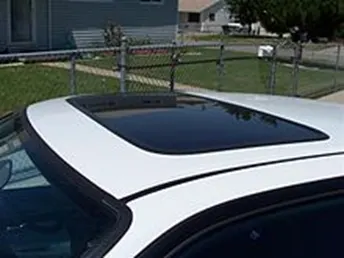
A sunroof is a movable panel that opens to uncover a window in an automobile roof, allowing light and fresh air to enter the passenger compartment. Sunroofs can be manually operated or motor driven, and are available in many shapes, sizes and styles. While the term sunroof is now used generically to describe any glass panel in the roof, the term "moonroof" was historically used to describe stationary glass panes rigidly mounted in the roof panel over the passenger compartment. A moonroof has a glass panel that is transparent and usually tinted. Previous terms include Sunshine Roof, Sliding Head and Sliding Roof.
A T-top is an automobile roof with a removable panel on each side of a rigid bar running from the centre of one structural bar between pillars to the centre of the next structural bar. The panels of a traditional T-top are usually made of auto grade safety glass.
The removable panel roof was patented by Gordon Buehrig on June 5, 1951. It was first used in a 1948 prototype by The American Sportscar Company or Tasco.
The 1968 cherolet corvette coupe was the first U.S.-built production automobile to feature a T-top roof. This increased the popularity of the coupe, such that it outsold the convertible and later led to the discontinuation of the Corvette convertible after 1975 until it was revived in 1986. Post-C3 models were built with a targa top instead of a T-top.
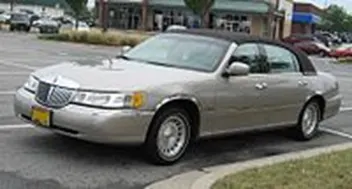
A Vinyl roof refers to a vinyl covering for an automobile's top. This covering was originally designed to give the appearance of a convertible to models with a fixed roof, but eventually it evolved into a styling statement in its own right. Vinyl roofs were most popular in the American market, and they are considered one of the period hallmarks of 1970s Detroit cars. Vinyl roofs were also popular on European- (especially UK-) and Japanese-built cars during the 1970s, and tended to be applied to sporting or luxury trim versions of standard saloon (sedan) models.
Roof Design:
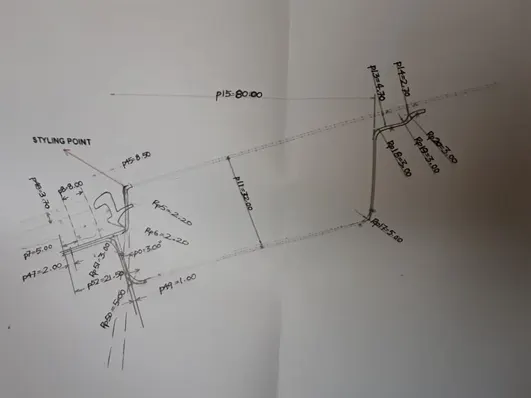
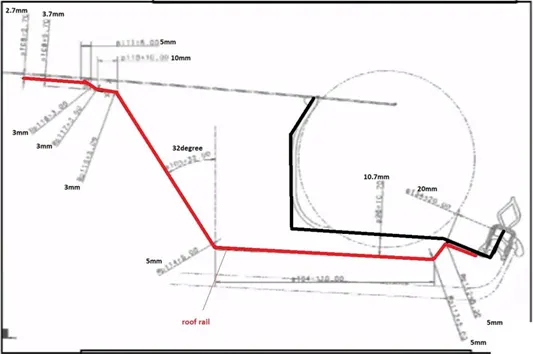
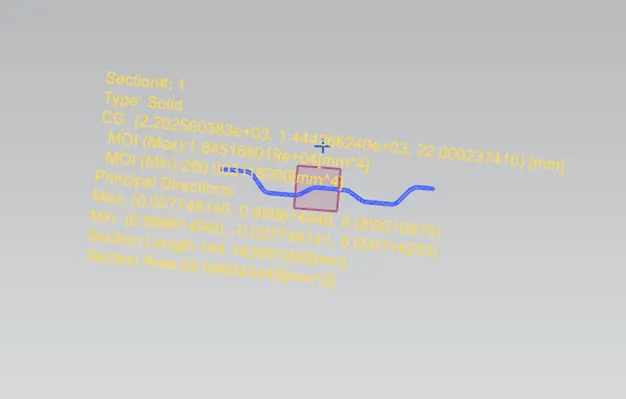
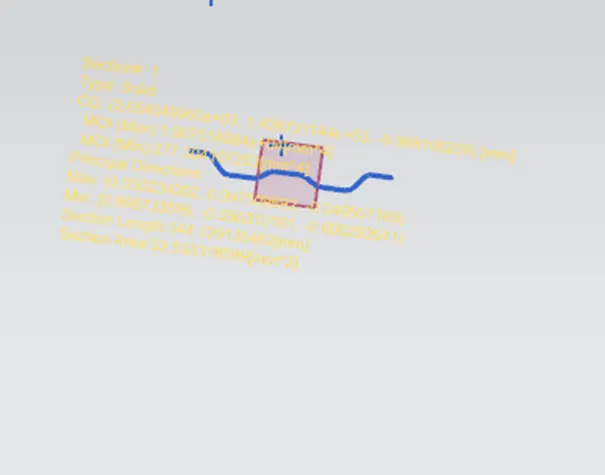
As per the dimensions of given master sections of front roof rail and rear roof rail need to develop the design accordingly and need to design centre roof rail to give the more strength for roof.
Front Roof Rail Master Section:
Rear Roof Rail Master Section:
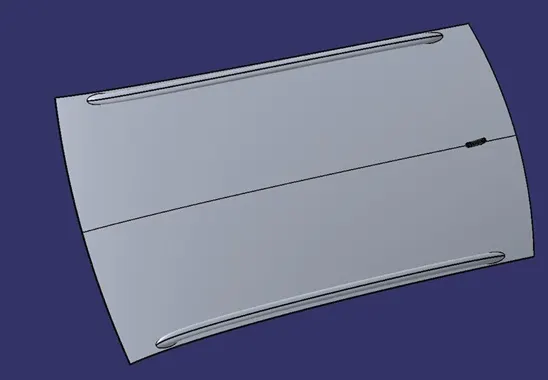
Reference Skin Roof Styling Surface:
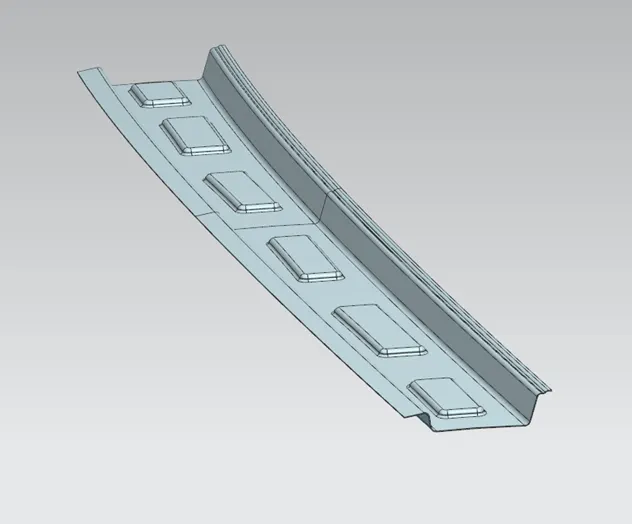
Front Roof Rail: It acts as link between windshield glass, roof panel and headliner. It gives the strength to car roof. Its thickness is usually 0.75mm. Headroom clearance and visibility are the important criteria from the driver point of view by considering this criteria’s need to design the front roof rail. Spot weld is applied at the windshield end and other end is joined with the roof using Mastic sealants which also contributes to increase the strength.
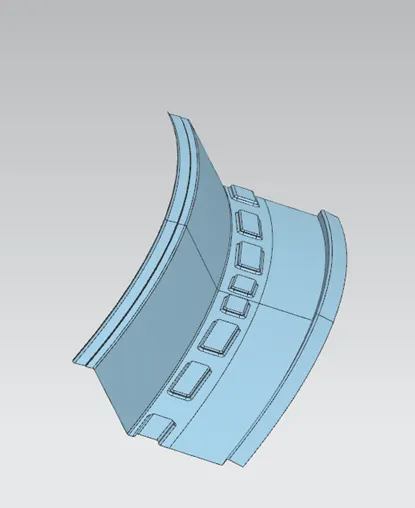
Rear Roof Rail: It is joined with the back door and the outer side of the body and inner panels. The thickness of the rail is 0.75mm. It was similar to the front rail. We need to take rear head roof clearance, rear visibility criteria and back luggage/bannet section opening and closing section need to consider this factor before designing. Spot welds are applied at the back door end of the rail and the other end is joined with the roof using mastic sealants.
Bow Roof Rail (Front and Rear): It gives the strengthen to the roof by supporting it. Roof has large surface area and length due to this stress concentration will be more at centre of the roof and it might get easy to bend the roof after adding this roof it gives the strength to the roof/rail as well as it gives good outlook for the top roof. Instead of using spot weld here we use a mastic sealant to join the sheet.
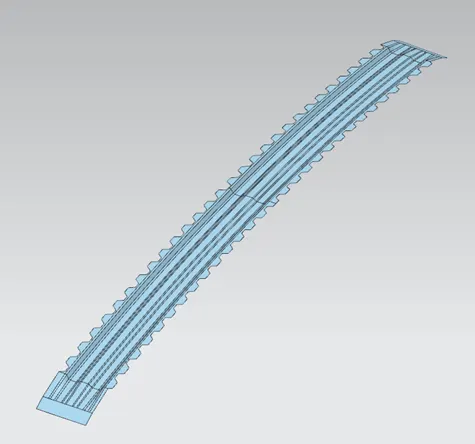
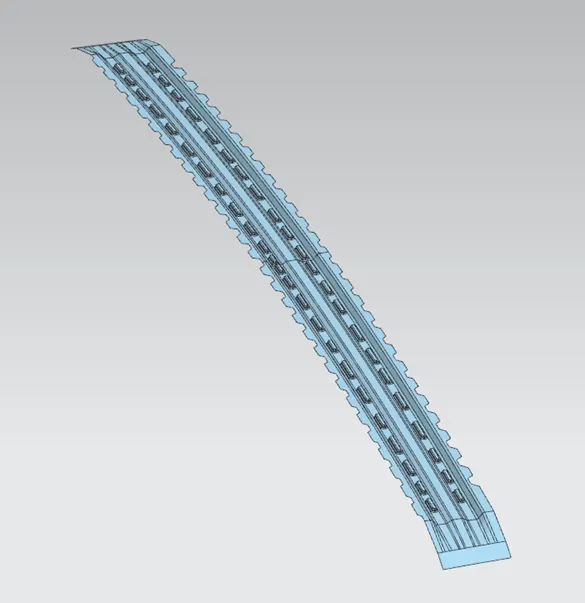
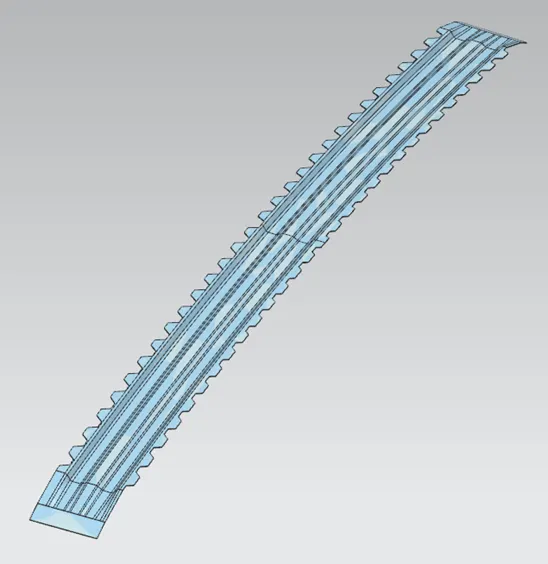
Reinforcement centre rail: It is the main supporting span for the roof. It provides an attachment point for crossbars and other designed to secure loads carried on the roof of the vehicle, it absorbs energy at the time of the crash.
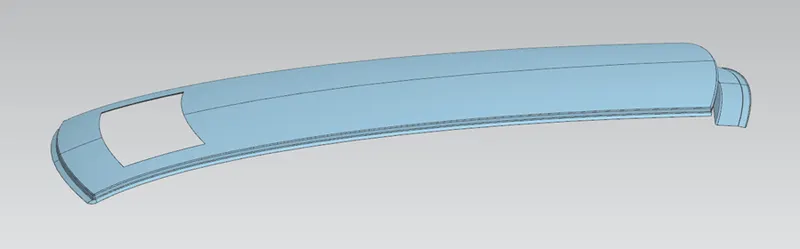
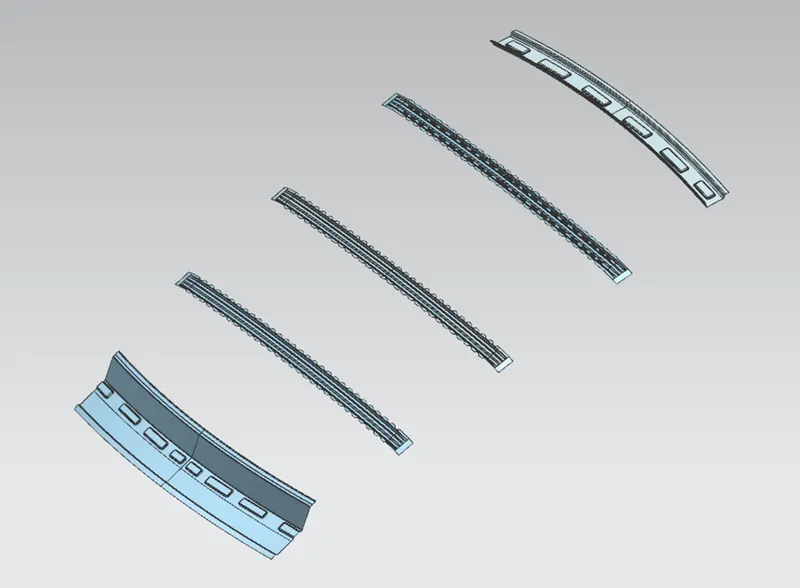
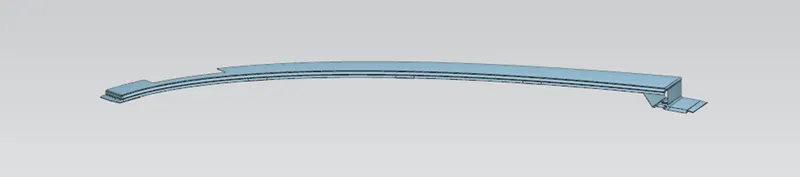
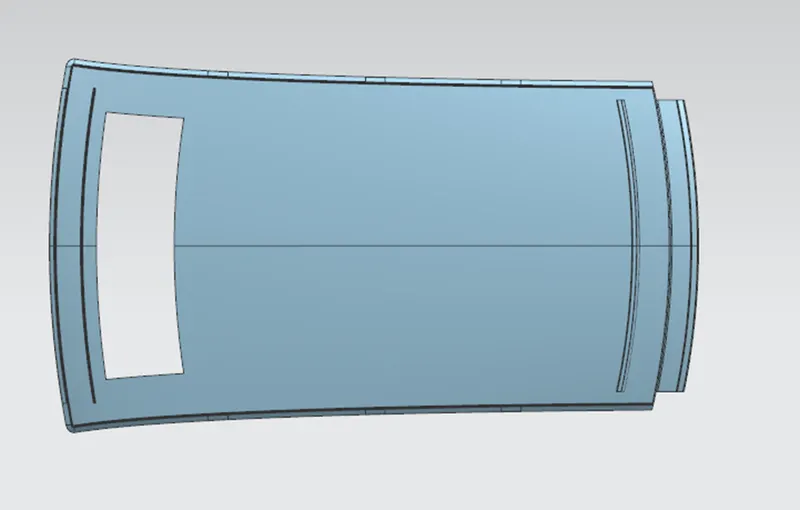
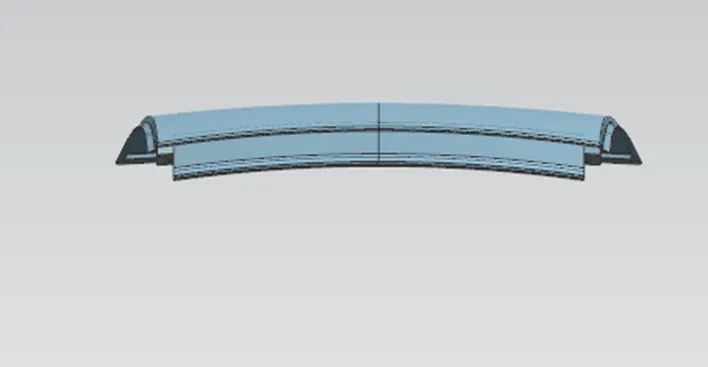
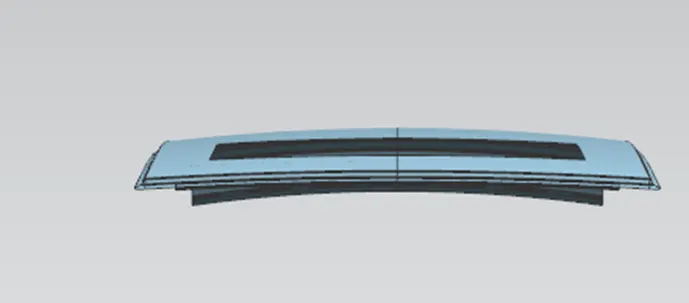
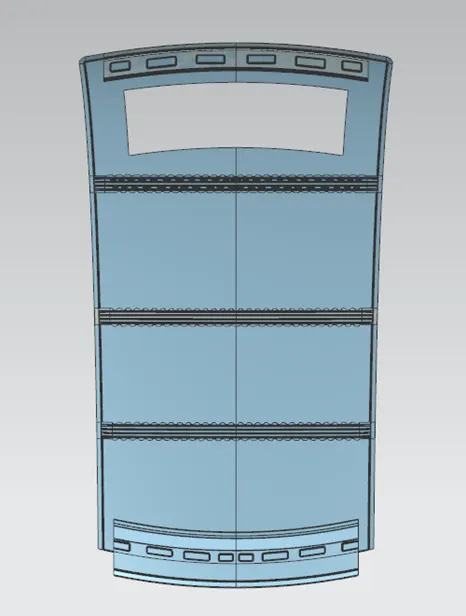
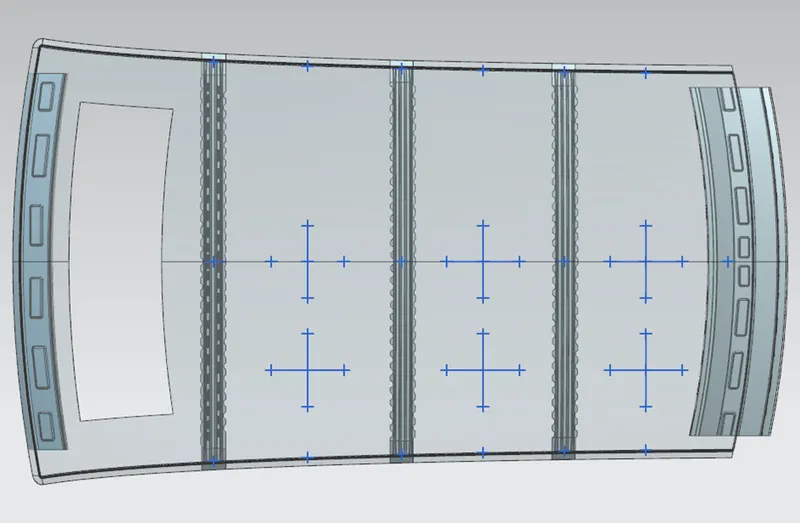
Curvature Study: It was done to justify the positioning of bow roofs. The main two criteria are
- Heat distortion
- Snow load
Heat distortion criteria:
W [1.73*10^ (-3) *L] + [1.85*10^ (-8) *(R^2)/t] + [1.10*10^ (-3) *l]-2.68
Judgement condition = Qr<2.7>3.1
Where
L = Roof length in X-direction [mm] (Roof dimension in O-Y)
R = Roof curvature
R =2(Rx*Ry)/(Rx+Ry)
Rx = X curvature
Ry = Y curvature
t = Roof plate thickness[mm]
l = Bow Roof span [mm]
|
S.NO |
BOW |
Rx (mm) |
Ry (mm) |
R (mm) |
l (mm) |
L (mm) |
R^2/t (mm) |
t (mm) |
W (mm) |
Status |
|
1 |
F.R to 1st |
* |
* |
* |
* |
* |
* |
* |
* |
* |
|
2 |
1st to 2nd |
4892.5 |
6517.9 |
19553.7 |
1104 |
2025.51 |
509796*10^-3 |
0.75 |
2.038 |
Ok |
|
3 |
2nd to 3rd |
3960.8 |
10666.3 |
31999.4 |
1065 |
2025.51 |
511980*10^-3 |
0.75 |
1.99 |
Ok |
|
4 |
3rd to R.R |
3782.3 |
14580.7 |
43742.4 |
1047 |
2025.51 |
2551196*10*-3 |
0.75 |
1.97 |
Ok |
Snow load criteria:
Qr = [Iy*t^2]/[@*s*[(Rx+Ry)/2] ^2*10^-8
where @ = My*Lx^2*10^-12
= My = Y(Ly-Y)
Judgement condition =Qr>3.1
250<s<380
t = Roof plate thickness[mm]
Ly = Distance between the front and rear roof rails on the vehicle along with OY[mm]
= Length of Roof panel with the centre point between roof rail front/Rear as the reference point of the front and the rear.
Lx = Distance between the Left and Right end of the roof on the roof BOW [mm]
= Width of the roof panel exposed on the surface
Y = Distance between Front roof rail to BOW roof [mm]
S = Distance for which roof BOW bears divided load [mm]
= S = L1/2+L2/2
Iy = Geometrical moment of inertia of BOW roof (Y-Cross section) [mm^4]
Rx = Lateral direction curvature radius of roof panel Y-Cross section on BOW roof [mm]
= Roof panel curvature radius of the length Lx in Front View
Ry = Longitudinal direction curvature radius of the roof panel X-Cross section on BOW roof [mm]
= Roof panel X Curvature radius of length s in Side View.
|
S.NO |
BOW |
I(mm^4) |
Lx (mm) |
Ly (mm) |
Y (mm) |
s (mm) |
Rx (mm) |
Ry (mm) |
t (mm) |
Qr |
Status |
|
1 |
F.R to 1st |
* |
* |
* |
* |
* |
* |
* |
* |
* |
* |
|
2 |
1st to 2nd |
303 |
1081 |
2025.51 |
522 |
485.9 |
3782.6 |
1893 |
0.65 |
3.56 |
Ok |
|
3 |
2nd to 3rd |
266 |
1055 |
2025.51 |
449.2 |
451.65 |
4283.1 |
1119 |
0.65 |
4.32 |
Ok |
|
4 |
3rd to R.R |
277 |
1041 |
2025.51 |
454.1 |
227.05 |
4008.1 |
1638 |
0.65 |
8.37 |
Ok |
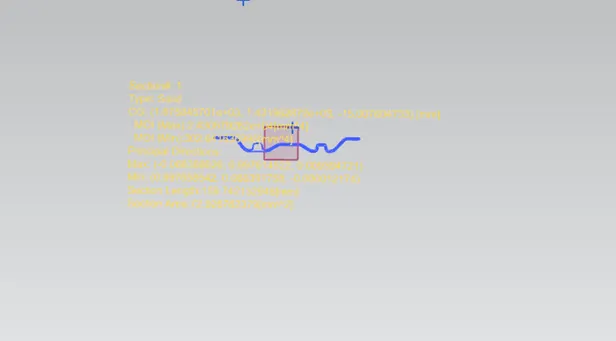
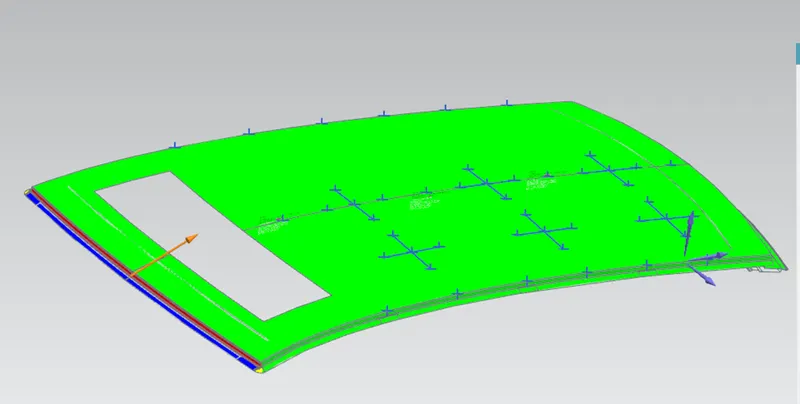
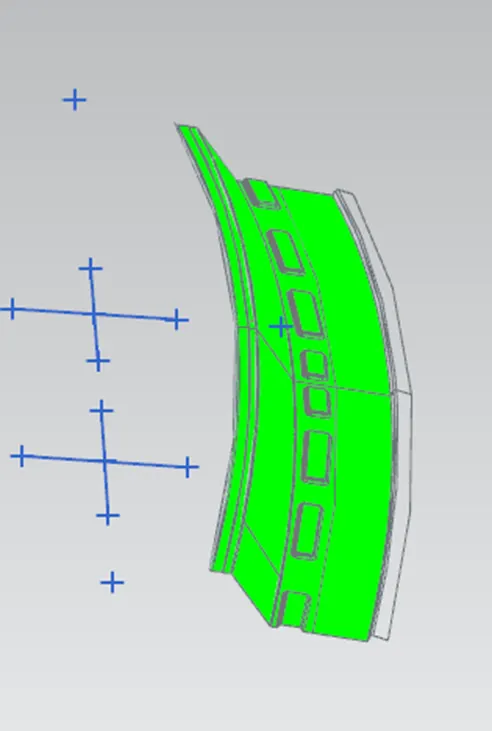
Draft Analysis: It is method of checking the draft angle on various faces of a part in a particular direction. It should be more than 7 degrees and it must be in the tool direction which makes easy and clean for operation without damaging and tearing the sheet. If the part lies within the conditions it shows in green colour if the past is not in ok condition, then it shows in red colour.
Conclusion: The design of Front Roof, Rear Roof, Bow Roof and Centre/Reinforcement Roof is done by following the master section with design parameters for the given class A surface.