Projefct 1_Comparative study of different storey buildings for Seismic forces
Aim: To have a comparative study on different story buildings
-
Factors influencing the dynamic characteristics of a building
-
Factors influencing the Natural Period of a building
-
Factors influencing the Mode shape of oscillations
Producer:
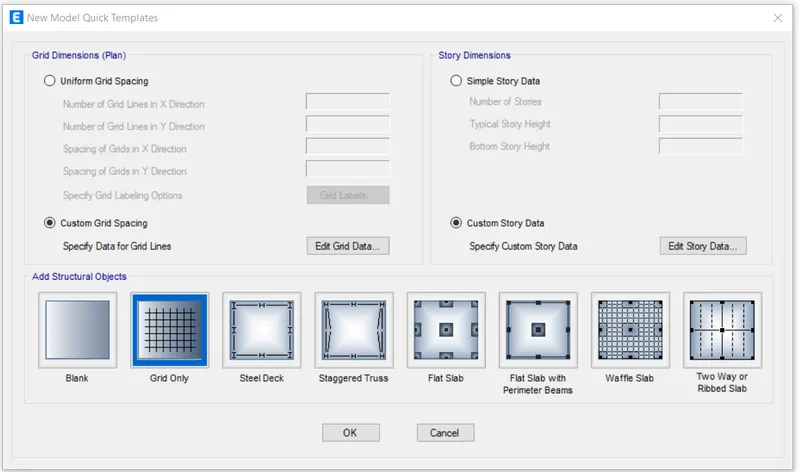
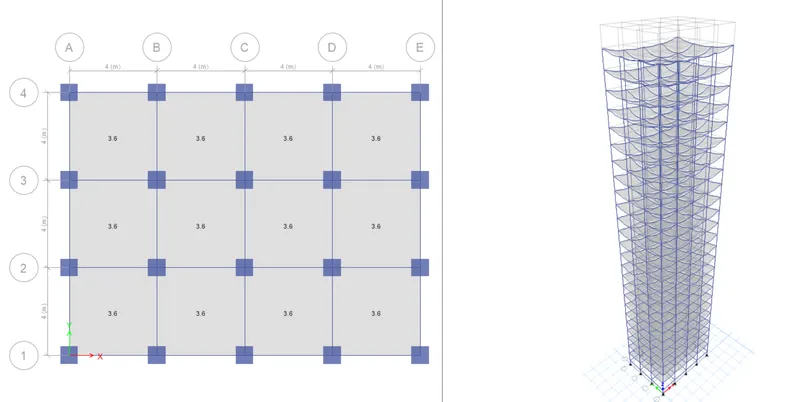
- Open ETABS software and provide the units, grids, and story information.
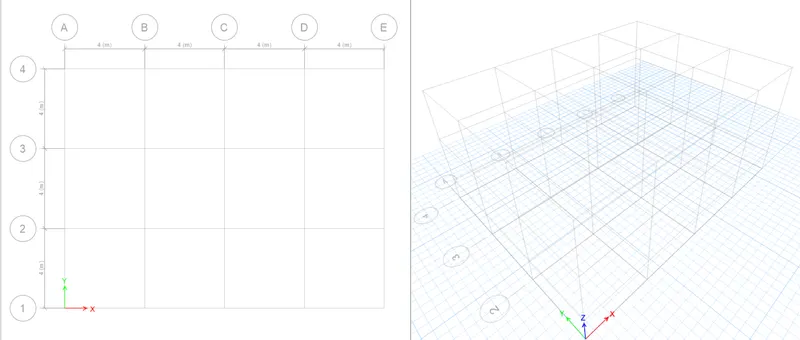
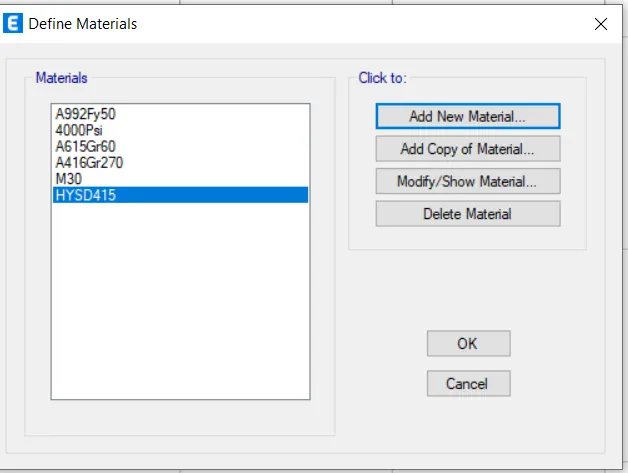
- Add the material property.
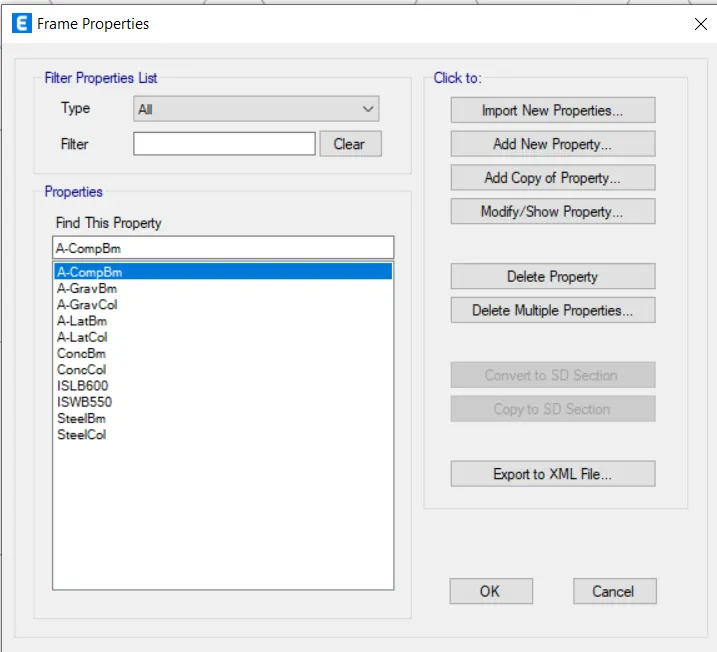
- Add frame property of Columns and Beams
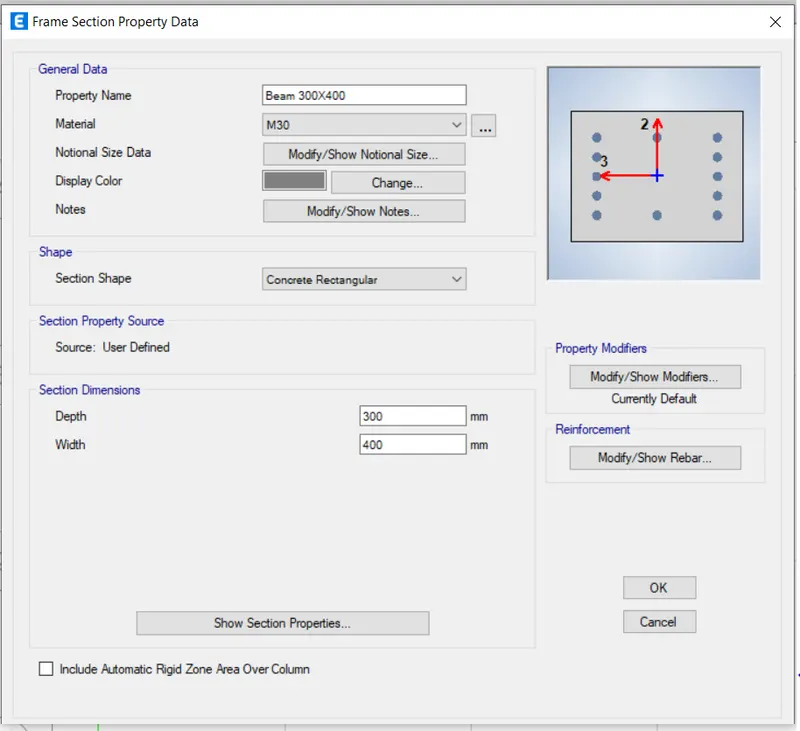
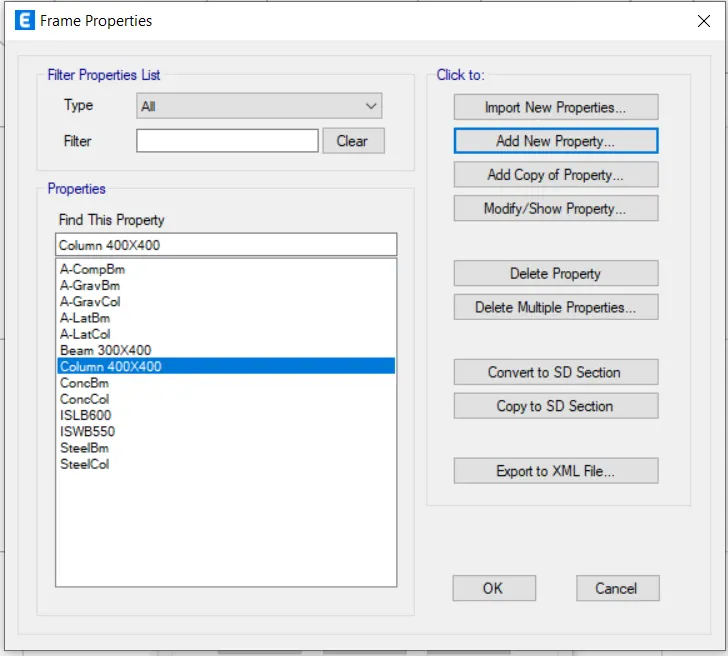
- Design shell property for slab of thickness 150mm.
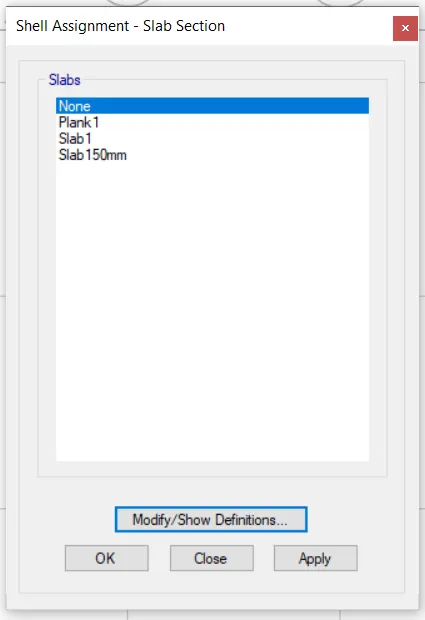
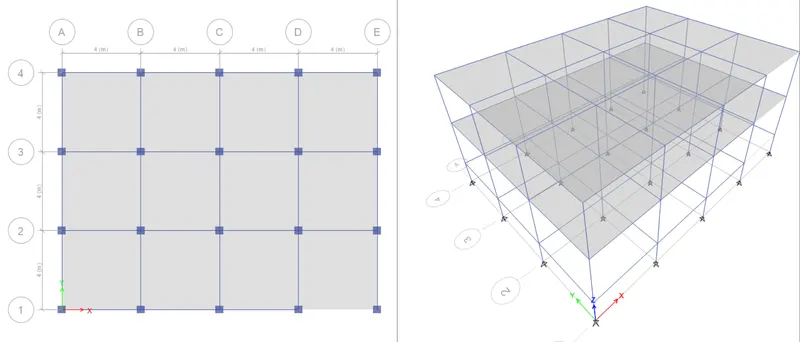
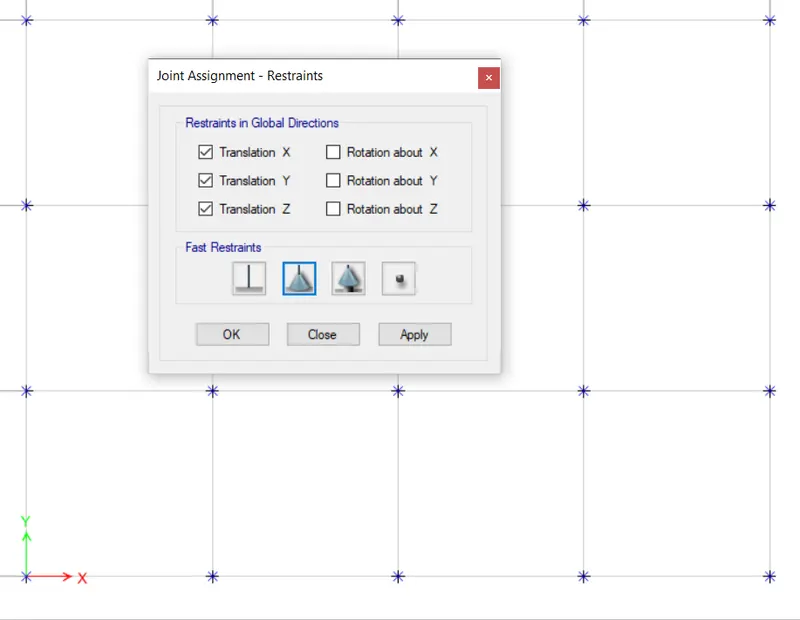
- Give the pinned joint for foundation
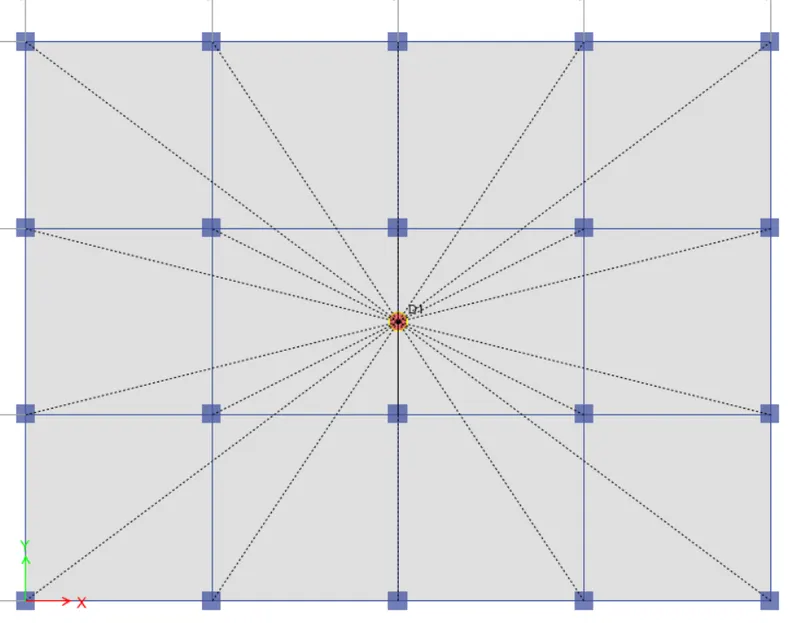
- Apply the load patterns and also add shell load.
- And assign the loads for the building.
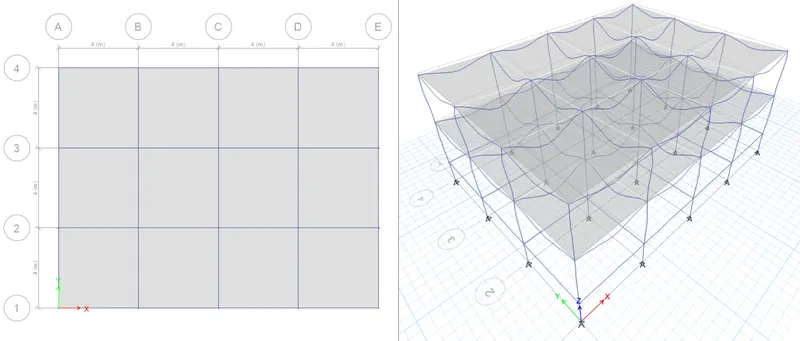
Building A
Building B
Building C
Building D
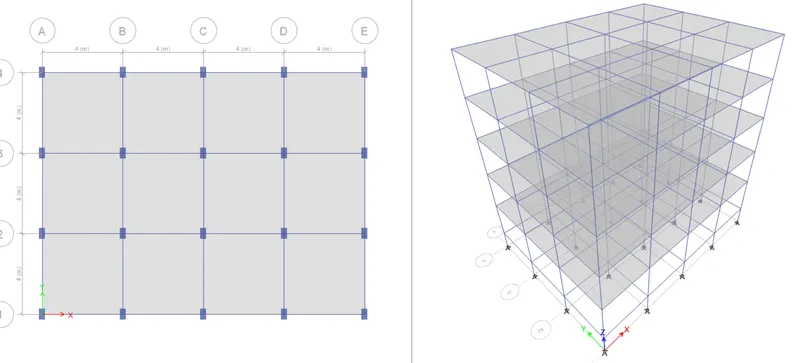
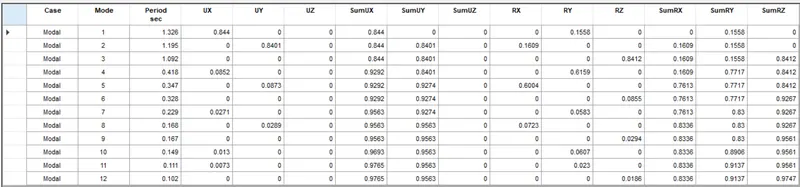
Building E
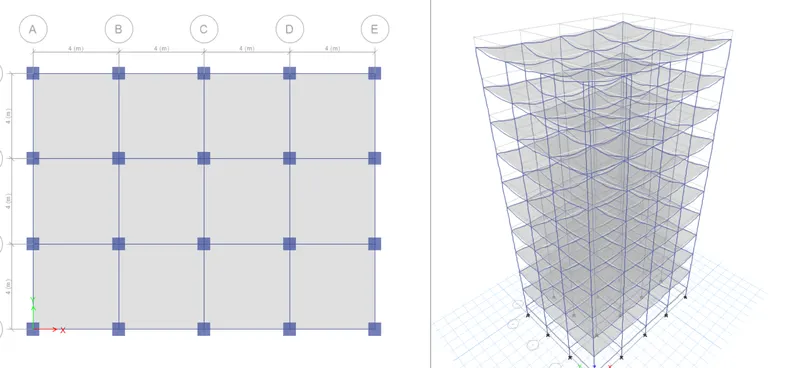
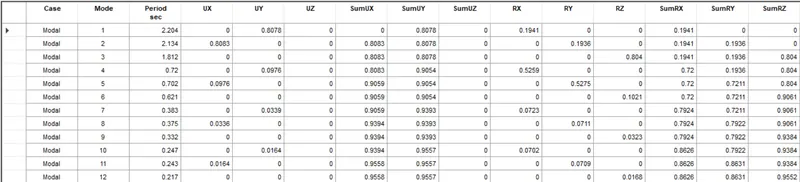
Building F
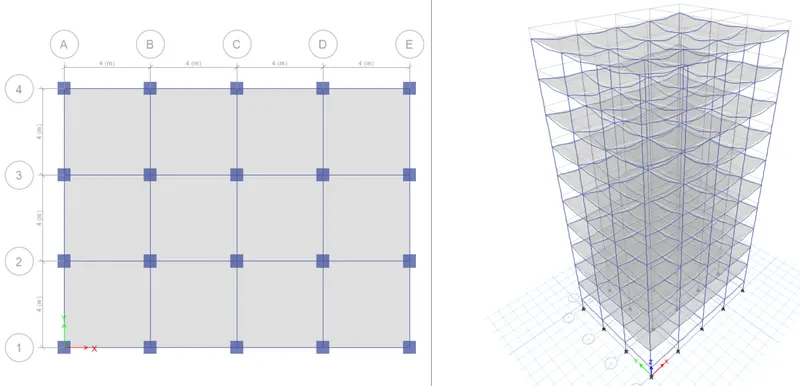
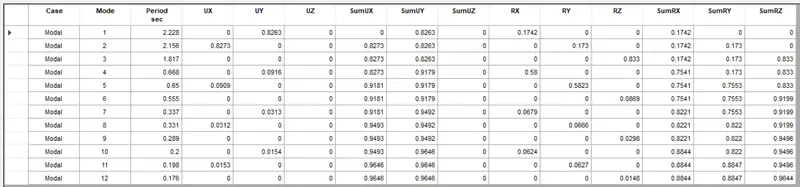
Building G
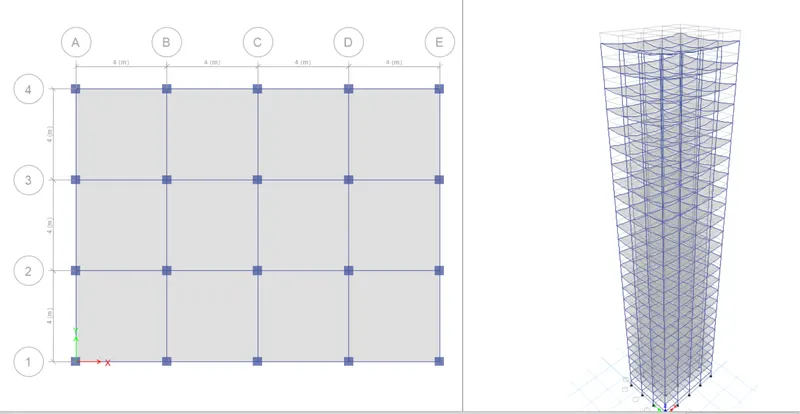
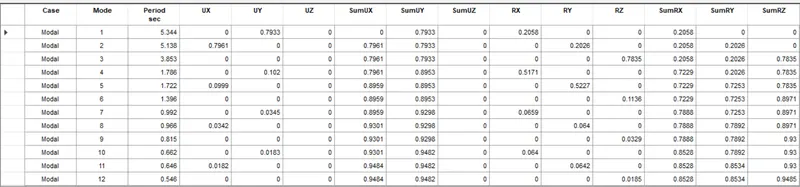
Building H
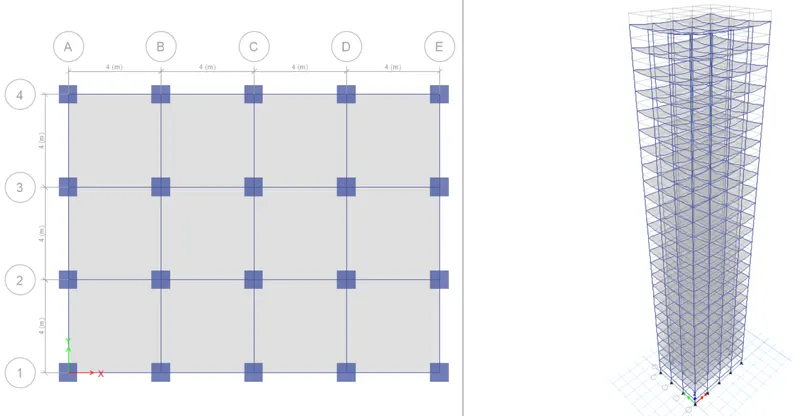
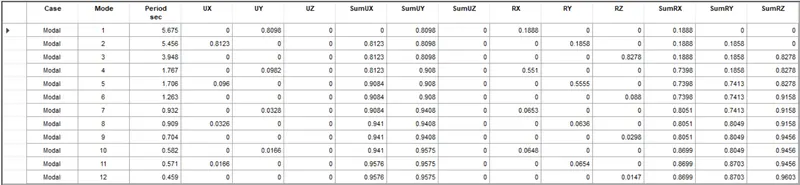
Building J
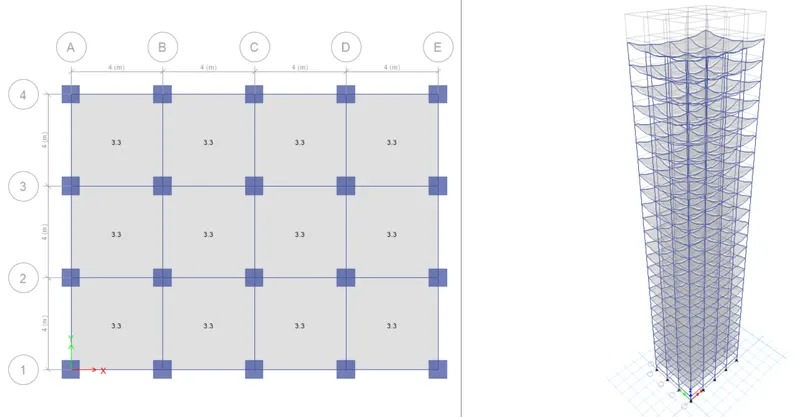
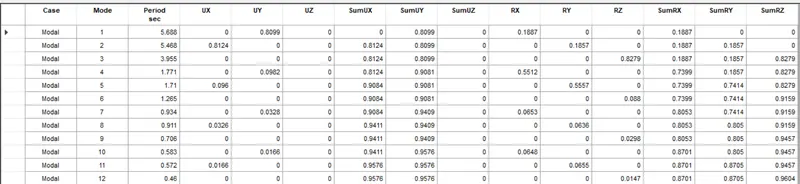
Building K
Result:
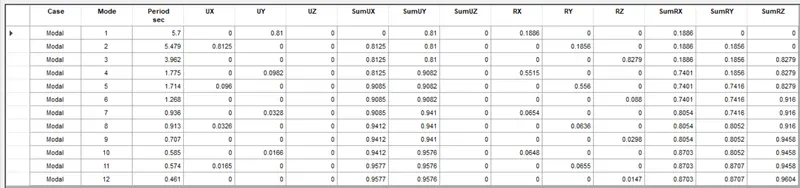
1. Compare fundamental of the natural period of buildings E & F as well as G & H
- The fundamental natural period of building E is 2.204sec
- The fundamental natural period of building F is 2.288sec
- The fundamental natural period of building G is 5.344sec
- The fundamental natural period of building H is 5.675sec
In buildings, E & F, the total mass of the structure varies as the column size varies in building E whereas in building F the column size is uniform. Similarly, in building G & H also both buildings are 25 story buildings but their masses vary due to the variation in column sizes.
Building E and G have comparatively lesser mass compared to buildings F and H respectively, and such as the time period of the E and G is also less than that of F and H respectively.
2. Compare fundamentals of the natural period of buildings H, J, and K.
- The fundamental natural period of building H is 5.675sec
- The fundamental natural period of building J is 5.688sec
- The fundamental natural period of building K is 5.7sec
All three buildings have the same story height and column sizes, But the mass imposed load is varies.
Here the variation of the time period in the three buildings is very minimal in the range 0.008 and this variation is due to the variation in the mass imposed on it which adds to the total mass of the building. Since the time period is directly proportional to mass, the variation in the time period is given as K>J>H.
3. Compare fundamentals of the natural period of buildings A, B, F, and H change in the building height.
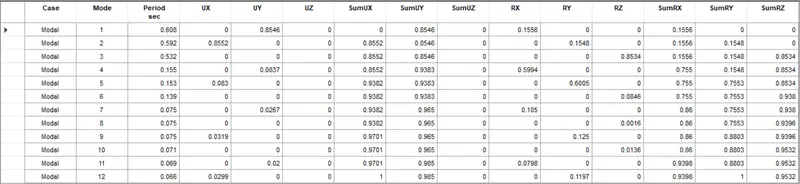
- The fundamental natural period of building A is 0.608sec
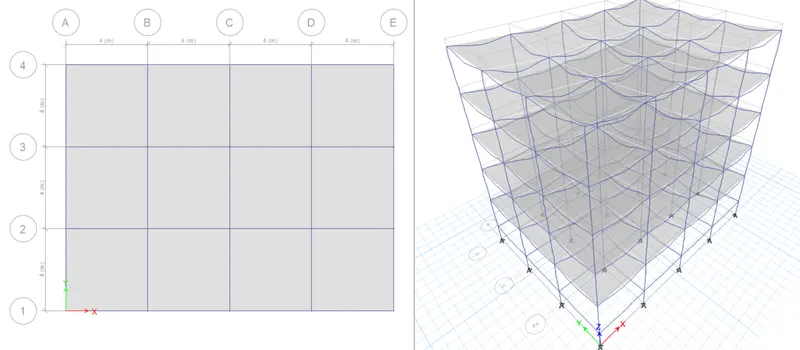
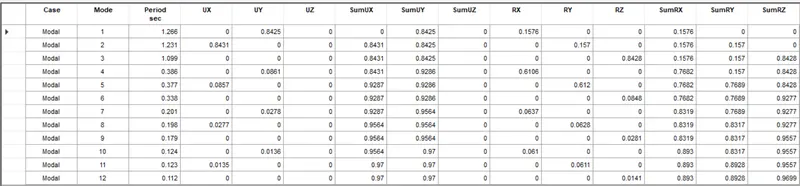
- The fundamental natural period of building B is 1.266sec
- The fundamental natural period of building F is 2.228sec
- The fundamental natural period of building H is 5.675sec
From the above table, it is clear that the height of the building increases similarly time period of the building increases.
This is because as the height increases the stiffness of the building decreases, as stiffness is inversely proportional to the height of the structure, and as the stiffness decreases the time period of the building increases.
4. Compare fundamentals of the natural period of buildings B, C, and D change with change in column orientation.
- The fundamental natural period of building B is 1.266sec
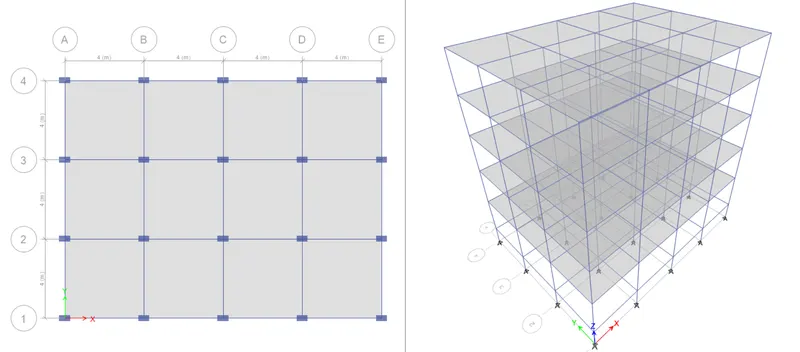
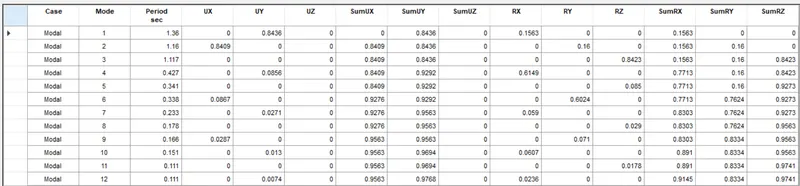
- The fundamental natural period of building C is 1.36sec
- The fundamental natural period of building D is 1.326sec
With the change in the orientation of buildings B, C, and D, a significant change in the fundamental natural time period.