Project - Position control of mass spring damper system
Q.1
Ans:-
Transfer function of a mass spring damper system:-
Given:-
m=3.6kg;
c=100 ns/m;
k=400 n/m;
*The differential equation representing the spring mass damper system are:
f(t)= mx_dot_dot+cx_dot+kx
where:-
'm' = mass
'c' = damping coefficient
'k' =stiffness (or) spring constant
'x' = displacement
'x_dot' = velocity
'x_dot_dot' = acceleration
* If we apply laplace transform to the abovedifferential equation we get,
f(s) = ms^2*x(s) + c(s)*x(s) + k*x(s)
f(s) = (ms^2 + cs +k) * x(s)
[x(s) / f(s)]= 1/ (ms^2 + cs +k) .......eq(1).
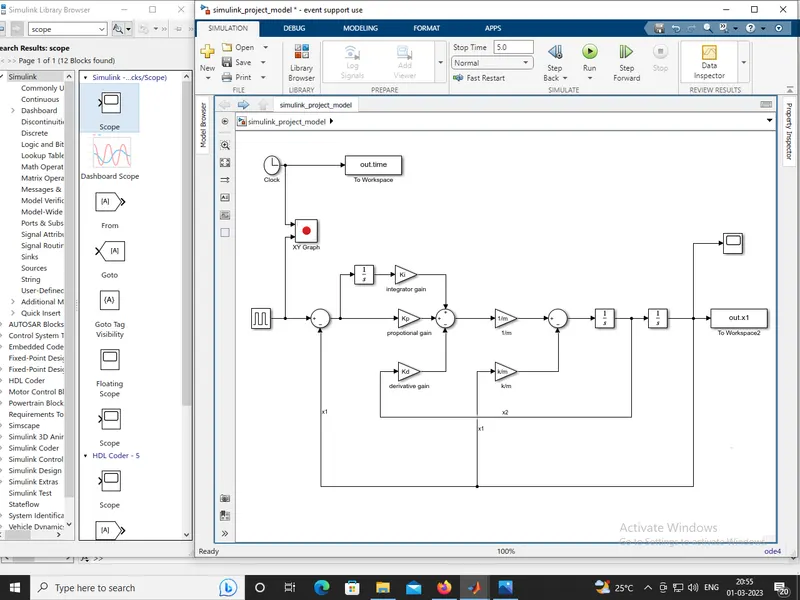
by these eq(1) we obtained a design of spring mass damper system.
SCRIPT:-
A =
0 1.0000
-111.1111 -27.7778
B =
0
0.2778
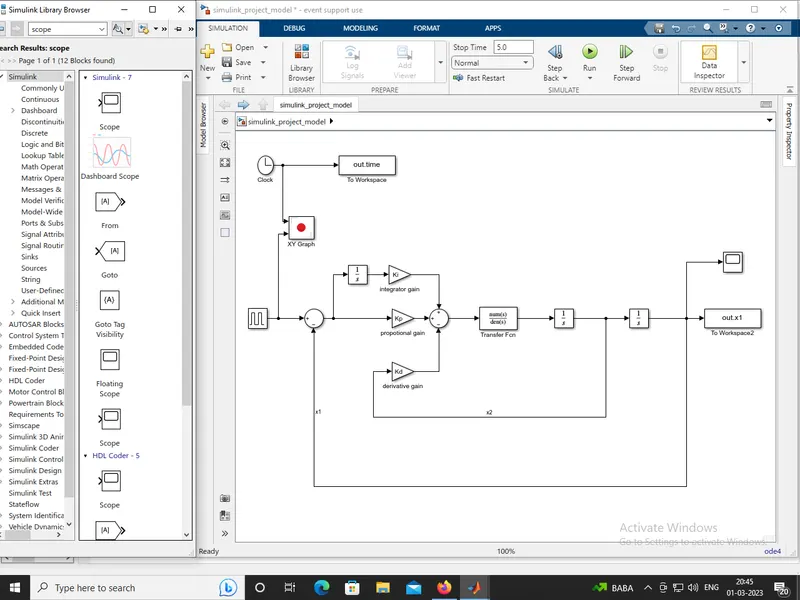
PID DESIGN FOR SPRING MASS DAMPER SYSTEM:-
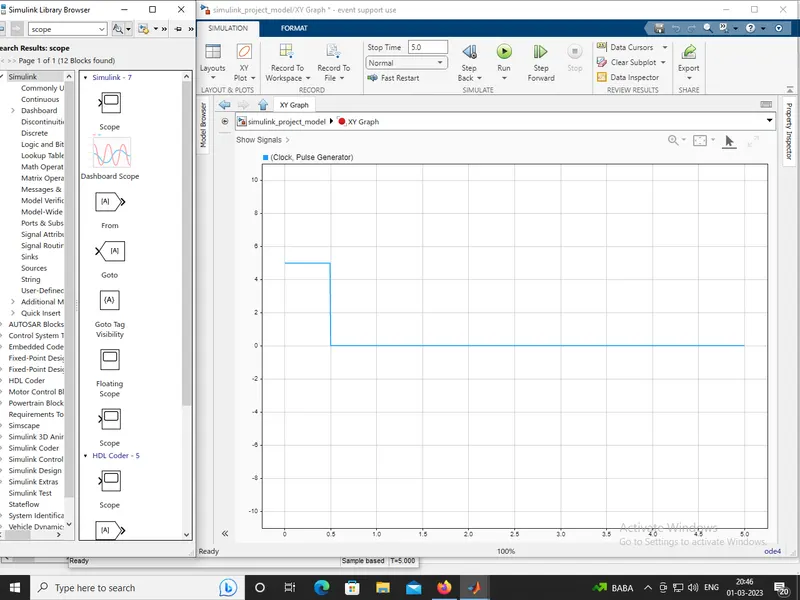
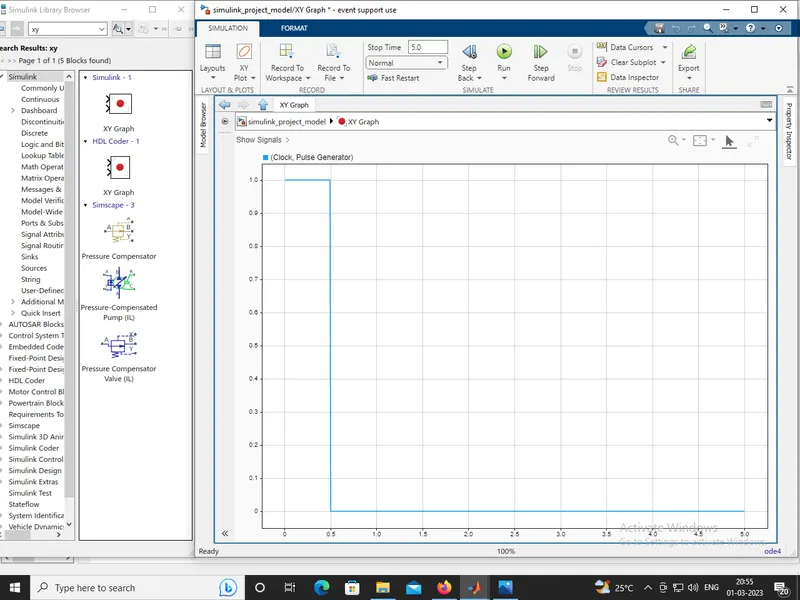
XY PLOT:-
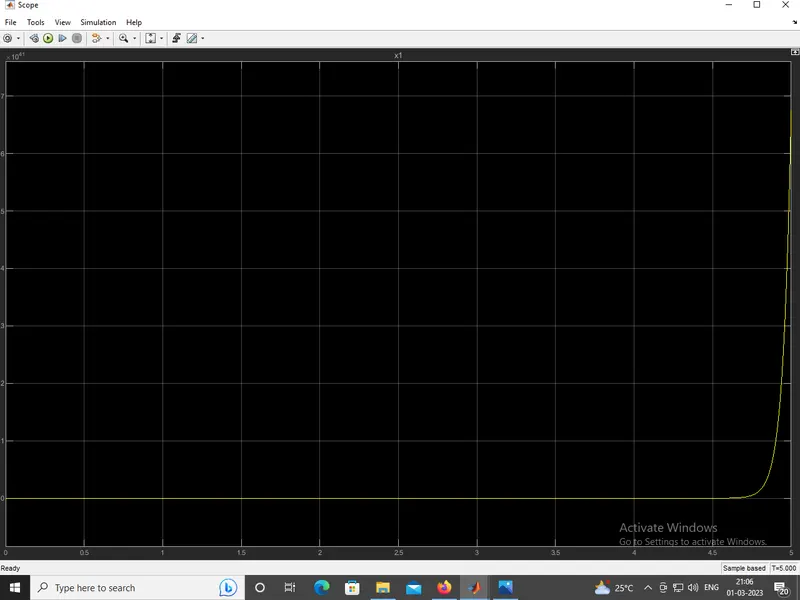
OUTPUT:-
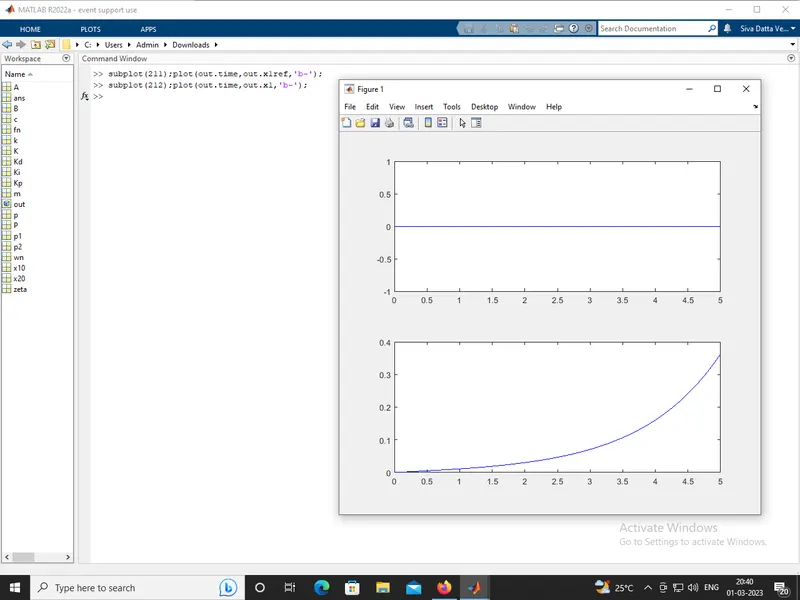
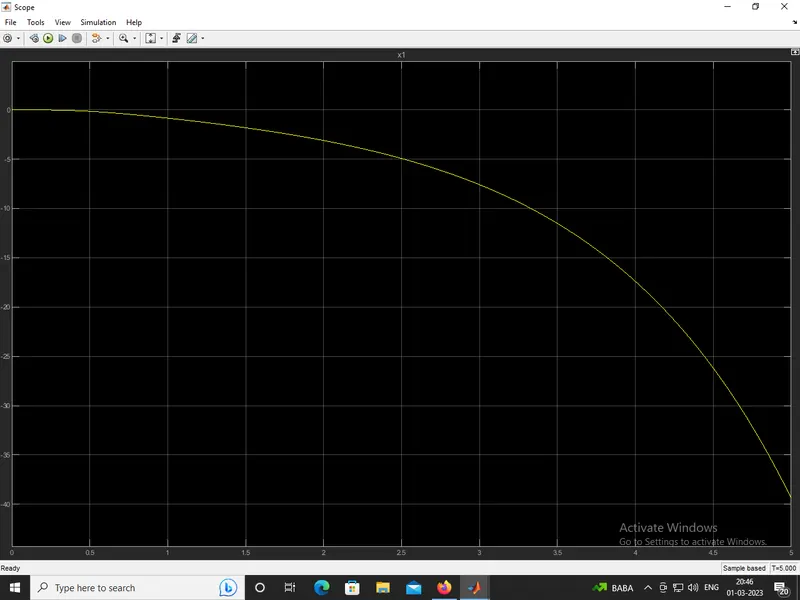
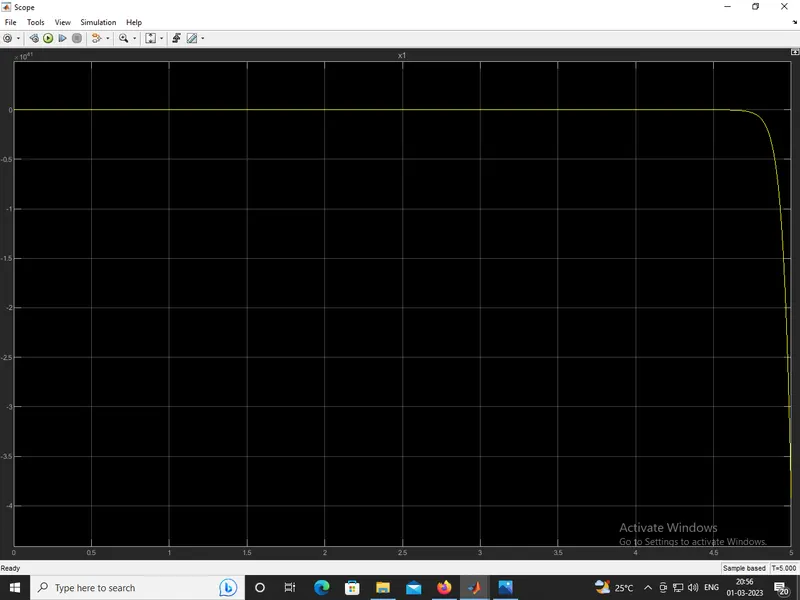
OUTPUTS FOR DIFFERENT ZETA VALUES:-
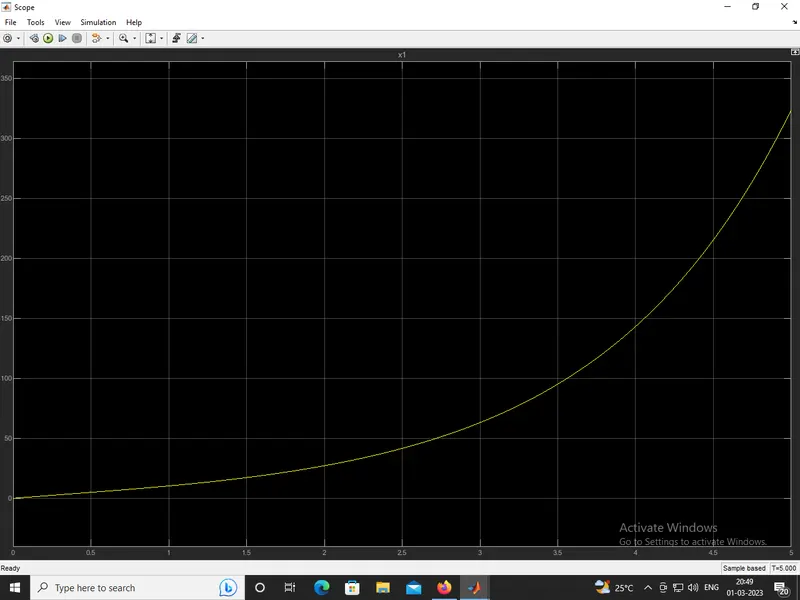
PID DESIGN FOR SPRING MASS DAMPER SYSTEM:-
XY PLOT:-
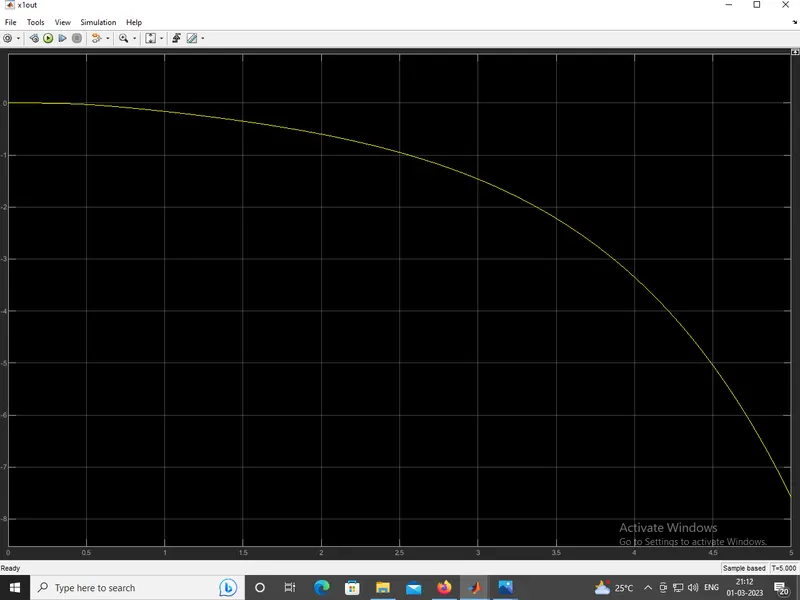
OUTPUTS FOR DIFFERENT ZETA VALUES:-
CONCLUSION:-
* Transfer function of a mass spring damper system was obtained and using of these transfer function model for mass spring damper system was designed.
* The designed model was performed different outputs using different zeta values followed by the given reference signal.