Project - Design a Hospital Management system
Learning to explore different Web technologies like HTML, JavaScript, etc:
- This refers to the use of web technologies like HTML (HyperText Markup Language), JavaScript, CSS (Cascading Style Sheets), and possibly other programming languages or frameworks for building the user interface and functionality of the Hospital Management System. These technologies are commonly used in web development.
Apply best practices of the hospital in designing HMS:
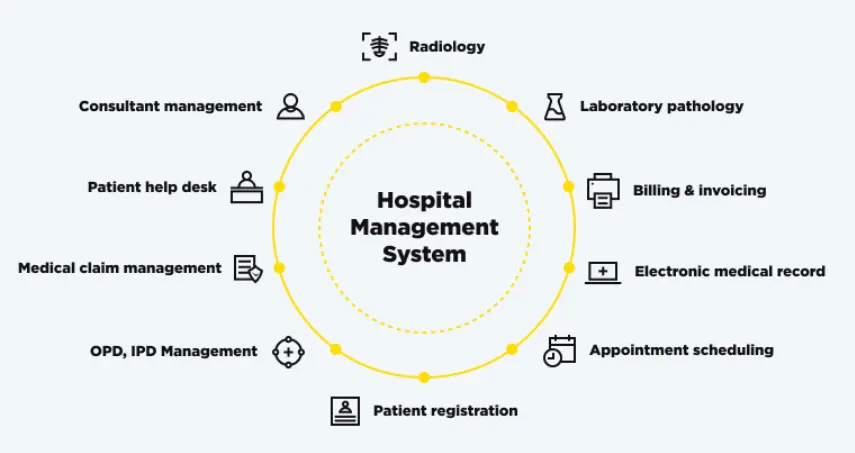
- When designing the HMS, it's important to incorporate industry-specific best practices that are followed in hospitals. This includes adhering to medical and administrative protocols, ensuring data security and privacy, and aligning the system with healthcare regulatory standards.
Understanding the hospital requirements for efficient HMS:
- This involves conducting a thorough needs assessment within the hospital. It's crucial to understand the specific workflows, processes, and functionalities required by the hospital to ensure that the HMS meets its operational needs.
Design a Hospital Management System for better patient care:
- The primary goal of the HMS is to enhance patient care. This can be achieved by implementing features like electronic health records (EHRs), appointment scheduling, medication management, and other tools that streamline healthcare delivery and improve patient outcomes.
Reduce hospital operating costs:
- An effective HMS can help in optimizing resource allocation, reducing paperwork, and improving efficiency in various departments. This, in turn, can lead to cost savings for the hospital.
To promote the development of the health care community:
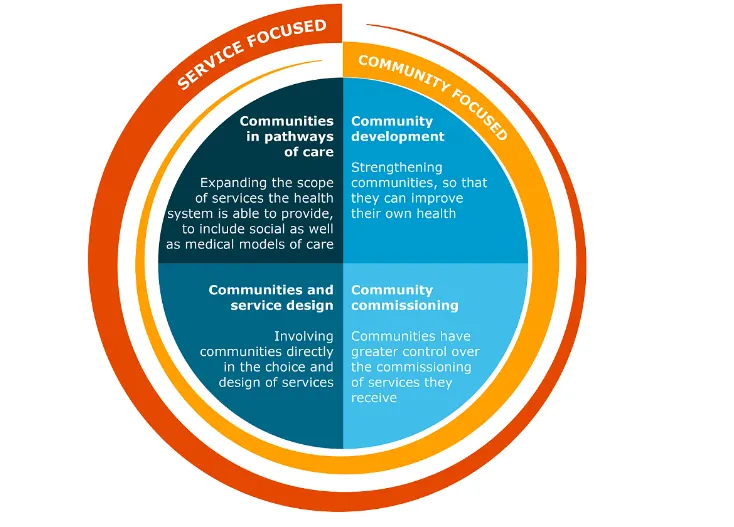
- The HMS can facilitate collaboration and information-sharing among healthcare professionals, specialists, and departments. It can also support telemedicine initiatives and facilitate communication between different healthcare facilities.
Better coordination among the different departments:
- A well-designed HMS should foster seamless communication and coordination among various departments within the hospital, such as the front office, nursing, laboratory, pharmacy, billing, and administration. This leads to smoother workflows and improved patient care.
Provide top management at a single point of control:
- The HMS should offer a centralized dashboard or system where top management can access critical data and analytics. This enables them to make informed decisions, monitor key performance indicators, and ensure that the hospital is operating efficiently and effectively.
The deliverables you've outlined pertain to the development and documentation of a basic Healthcare Management System (HMS) using web technologies. Here's a breakdown of each deliverable:
- Development of a Basic Healthcare Management System (HMS):
- This is the core objective of the project. You will create a web-based HMS that includes functionalities for managing appointments, patient records, doctor interactions, and administrative tasks. The system will likely involve frontend and backend components, a database for data storage, and other necessary technologies.
- Brief on Technologies Used:
- In this document, you will provide a brief overview of the technologies used in the development of the HMS. This should include details on the web technologies (e.g., HTML, JavaScript, CSS), the programming languages (e.g., PHP, Python, Ruby), the database system (e.g., MySQL, PostgreSQL), and any frameworks or libraries used. Explain why these technologies were chosen and how they contribute to the functionality of the system.
- Development of Frontend with Basic Functionalities:
- This component focuses on the frontend of the HMS. You will design and implement web pages for creating patient appointments, login pages for doctors and administrators, and interfaces for adding patient records or generating reports. The frontend should be user-friendly and intuitive.
- Source Code Snippets with Explanation:
- Provide code snippets for different modules or components of the HMS, along with explanations. This documentation will help other developers understand how the system is structured and how various functionalities are implemented. Explain the purpose and logic behind key code segments.
- Screenshots of Functional Web-Based HMS:
- Include screenshots of the functional HMS to visually demonstrate how the system works. Capture key user interfaces, such as the appointment creation form, login pages, and patient record management screens. These screenshots will serve as observation results, showing the appearance and layout of the system.
These deliverables will provide a comprehensive documentation package for your Healthcare Management System project. They will help users, stakeholders, and developers understand the technologies used, the functionalities of the system, and how to interact with it.