Project 9
1. DESIGN BRIEF
- INTRODUCE:
Design a Luxury SUV for Year 2025.
Reason:
- Young Rich Man
- Sporty Person
- Travel to off road
- TARGET CUSTOMER:
Young Rich Man
Profile:
21 to 30 years old in India
- TYPE OF CAR:
I Want to design a luxurious SUV segment. Now, most of the youngster wants to buy a SUV Segment car and also Young rich man buy the Luxury SUV model. A sport utility vehicle or SUV is a car classification that combines elements of road-going passenger cars with features from off-road vehicles, such as raised ground clearance and four-wheel drive.
Types of SUV:
- Crossover SUV
- Mini SUV
- Compact SUV
- Mid-size SUV
- Full-size SUV
- Extended-length SUV
- Coupe SUV
- SUV (Sport Utility Vehicle):
In the automotive business, the term ‘SUV’ stands for Sports Utility Vehicles. It refers to a vehicle that is elevated from the ground and has four-wheel drive as well as a rugged appearance. The word ‘SUV’ was coined in the United States to characterize vehicles with a large amount of passenger and cargo space as well as the ability to drive off-road across rugged terrain. They were created for folks who want to spend their weekends doing things like canoeing and mountain biking.
- BENEFITS OF SUV CAR
- Their raised suspension and higher seating position make it easier for persons with mobility issues to get in and out of child seats, and you don’t have to lean down to do so.
- Built-in towing capabilities and greater cargo capacity Why SUVs are heavier than cars and have superior handling in poor weather and on rough roads. When compared to what a car can offer, SUVs with either all-wheel or four-wheel drive provide excellent handling.
- SUVs are ideal for large families and anyone who enjoy sports or the outdoors since they allow them to bring large items such as tents, mountain bikes, kayaks, and surfboards with them.
- This four-wheel-drive vehicle is unaffected by wet or slick conditions. Neither is the earth harsh nor uneven. It can basically take you wherever you want to go.
- SUVs can drive through deeper water than cars without harming the engine, in addition to being able to mount pavements. Note: If you ever find yourself in an emergency circumstance like this, such as a flooded street or bridge, always err on the side of caution
DESIGN OF SUV:
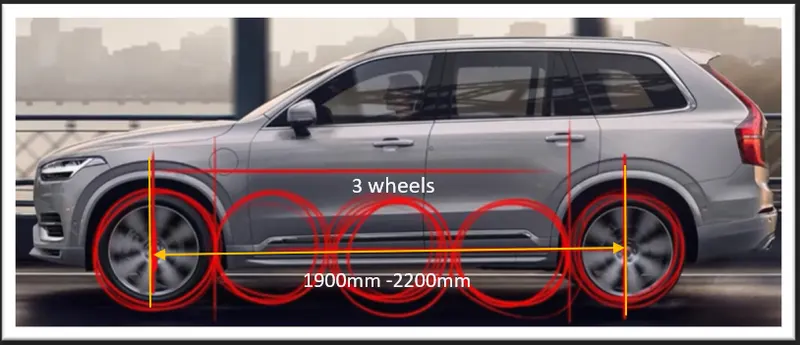
- Wheelbase Distance:
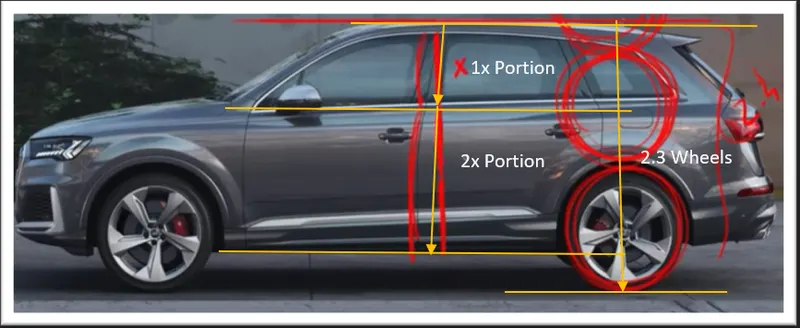
- Height and Green House:
- A-Pillar, C-Pillar:
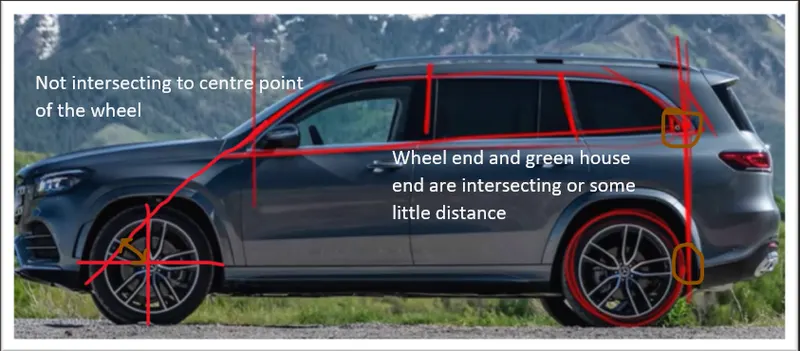
- Lights:
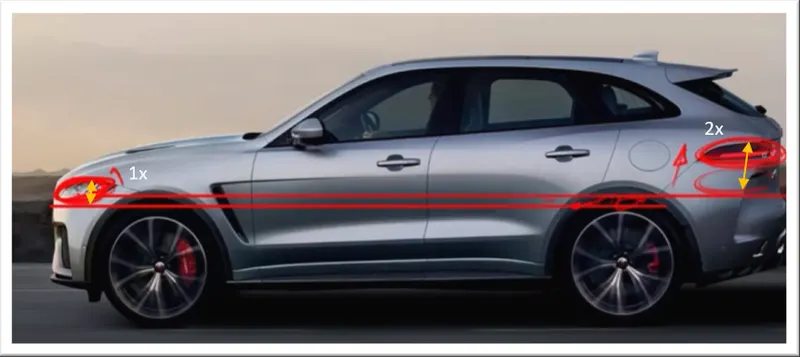
- Ground Clearance, Overhangs:
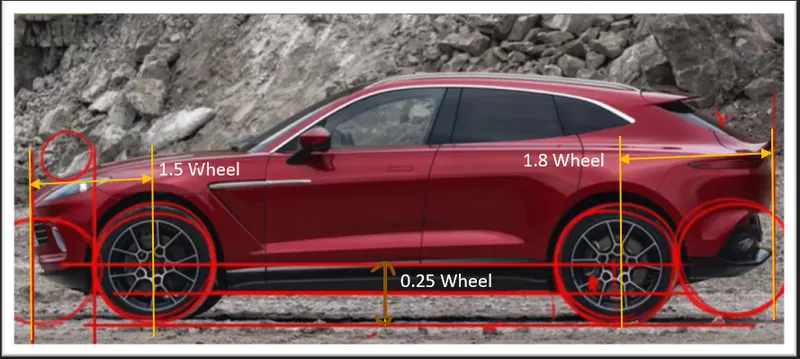
2. RESEARCH OF AUTOMOTIVE DESIGN
DESK RESEARCH & MARKET RESEARCH:
Research is where the initial ideas begin to create so you will be able to envision what you are designing. Sketching helps you extract various ideas out quickly before you enter into a graphics editor to start designing the look and feel.
Desk research is another name for secondary research. Generally, there are two types of research activity; primary research (where you move around and discover stuff yourself); and secondary research (where you review what people have done). Desk research is not about assembling information
Secondary research involves the outline of existing research. Secondary research is contrasted with primary research in that primary research involves the generation of data whereas secondary research uses data from primary research sources for analysis.
Desk research and market research is analysis the previous or competitor’s car for wheelbase distance, overhang distance, headroom distance and special feature for particular car.
Mercedes-Benz GLS:
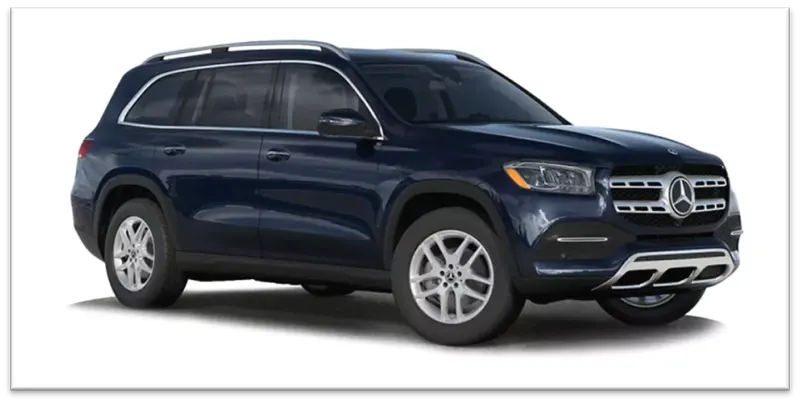
Exterior:
- The Mercedes-Benz GLS gets a bold masculine fascia in the form of an upright radiator grille in an octagonal SUV interpretation, the prominent, chrome-plated under guard in the front apron with the bone-shaped air inlet grille, and a bonnet with two power domes.
- The GLS has Multibeam LED headlamps as standard, with a total of 112 LEDs per headlamp. The daytime running lights with three LED segments underline the status of the GLS as the S-Class of SUVs.
- The rear taillights get the unique signature LED pattern along with distinctive bulges on the tailgate and twin trapezoidal finished exhaust tips.
- The SUV is now 77mm longer and 22mm wider than its predecessor. Moreover, the wheelbase is longer by 60mm, thereby offering more room to the occupants seated in the second and third rows.
Interior:
- Premium leather upholstery is standard. The central element in the dashboard's design is an impressively sized screen unit embedded in a distinctive dashboard support.
- The large touchscreen of the MBUX infotainment system allows all the GLS comfort features to be controlled from the driver's seat.
- All seats are electronically controlled and the SUV offers five-zone automatic climate control, including the third row that has its own zone with climate control vents in the roof.
USER RESEARCH:
User research’s primary focus is on understanding user behaviours, requirements, and motivations through observational techniques, task analysis and other feedback methods.
What all user analysis has in common is that it helps place individual in the middle of your design process and the products.
You utilize user research to inspire your design, to evaluate your solutions, and measure your impact. User research is commonly divided into quantitative and qualitative methods.
The type of user research you must do depends on your work method additionally as your reason for doing user research in the first place. Here are three excellent for doing user research:
- To create designs that are actually important to your users
- To create designs that are accessible and pleasurable to use
- To understand the issues & behavioural impact
In my case I was taking the target user for Luxurious Young Man. Because, these people are more enthusiast, Risk taker and Traveller. This type of car is really suitable for these people.
First of all, this is luxury car model. So, they want more luxurious and adventure experience car and second things is, it is pleasurable to use, smooth driving control. And last one, I was thinking just modify some area it is really look awesome.
- Young Rich Man
- Traveller
- Risk taker
3. DESIGN BOARDS
MOOD BOARD & INSPIRATION BOARD:
The purpose of the board is to help a person formulate the mood or theme they would like to convey within a project. Depending on the task at hand. Designers will sometimes make a mood board when developing a new design project to ensure they are in alignment with the intended for the project.
It can include just regarding anything – photography, designs or illustration, colour, textures, pallets, describe words- anything that will help you define the direction of your project. It’s a good idea to start the design process with a mood board.
The terms you may most typically hear in relation to them are the inspiration board and mood board. a mood board will determine what goes into an inspiration board. The big difference is that inspiration boards have a lot of specific elements that will exhibit in the resulting product or event.
MOOD BOARD:
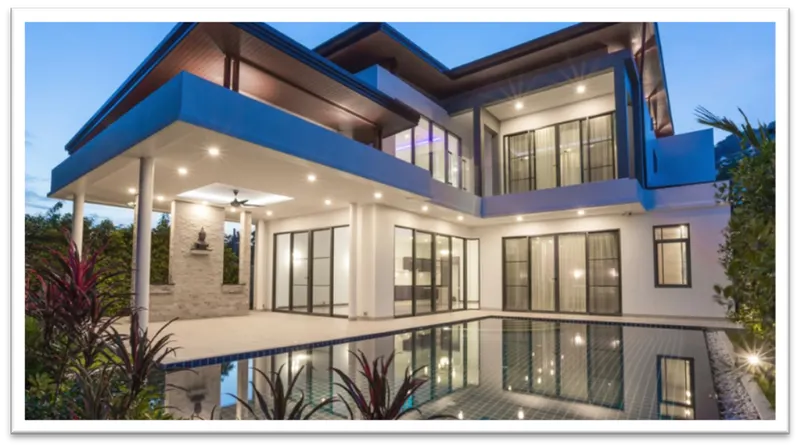
- Luxurious House
- Young Rich Man

- Speed

INSPIRATION BOARD:
- Muscular Body

- Front Grill Area

- Colour of the Car

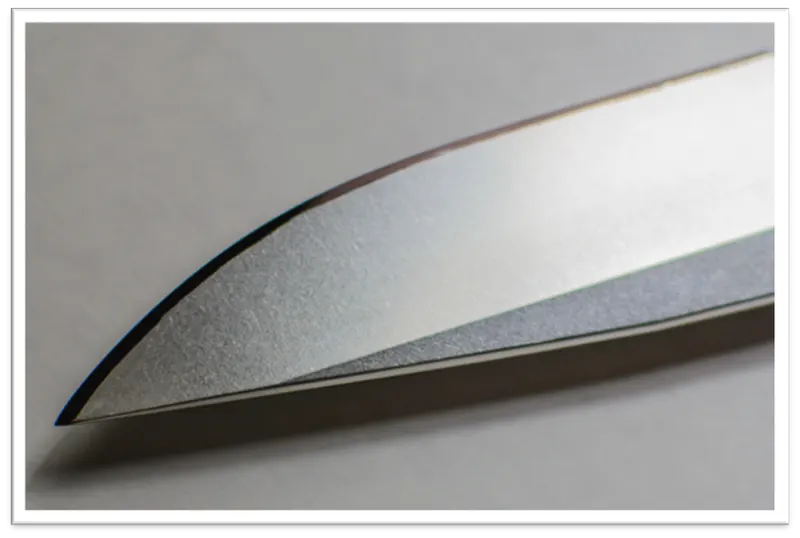
- Rugged Shape
4. TREND ANALYSIS AND FORECASTING
OBEJECTIVE:
Trend Analysis attempts to predict a trend and is helpful because moving with trends, and not against them, will lead to profitable output.
INTRODUTION:
Trend analysis is a method used in technical analysis that attempts to predict the future change moving towards direction. Trend analysis is based on the idea that what has happened in the past provides an idea of what will happen in the future. There are 3 main sort of trends.
Actually, most of the technologies are introduced by Mercedes Benz. Because trend analysis important for sustain the automobile market. So, Mercedes Benz predicting the future correctly.
There are,
- Short Trends
- Intermediate Trends
- Long term Trends
TREND ANALYSIS AND FORECASTING:
- For some time, the automotive industry has been under pressure to change the way it designs and builds vehicles, due to factors such as the increasing impact of passenger and pedestrian safety requirements and the competitive intensity caused by globalization and manufacturing in low-cost economies.
- Mercedes Benz type of car more suitable luxury, safety and emission control vehicle.
- Furthermore, governmental pressure in Europe and North America to reduce CO2 emissions has prompted vehicle makers and their supply base to develop automotive technology to meet those strict emission limits.
- Consequently, more vehicles are incorporating components aimed at mass reduction, parts consolidation to reduce assembly costs and more efficient recycling. The vehicle makers' need to improve overall fuel economy in vehicles has led to the trend toward minimizing vehicle weight. The use of performance materials such as high-strength steel and aluminium is on the rise and heavier traditional materials, such as steel and iron, are being replaced whenever possible.
- And also, Benz reducing the vehicle weight drastically.
- The automotive industry like car manufacturer, always need an accurate demand forecast serve the uncertain demand of their products, especially the service parts product, that in fact always has uncertainty in its demand and frequently causing the manufacturer company lose their profit due to the backorder and overstock occurrence
CONCLUSION:
- Trend Analysis attempts to predict a trend and is helpful because moving with trends, and not against them, will lead to profitable output. Reduced inventory costs. Responsive customer service and demand fulfilment. Improvement in leveraging working capital. Shorter time to market for customized new products. Improved accuracy between demand forecasting and fulfilment
- Shift from reactive to proactive and prescriptive planning operations. Ability to sense demand and generate a supply plan that assures profitability. Create a single version of the truth. Optimize the performance of supply-chain networks
AUTOMOTIVE TECHNOLOGIES IN INDUSTRY
OBJECTIVE:
A comprehensive survey of automotive industry trends to look forward to reveals information-centric technologies playing a central role in the future of the industry. The industry is adopting new technologies in its operations at an unprecedented scale.
INTRODUCTION:
Technologies such as artificial intelligence, big data, 5G, and the internet of things are revolutionizing the driving experience, optimizing our roads, and bringing safety, comfort, and lower fuel emissions. In addition to technologies such as artificial intelligence (AI) and big data & analytics that have been around for a while, newer technologies such as the internet of things (IoT) and blockchain also find numerous applications in automotive.
AUTOMOTIVE TECHNOLOGIES IN INDUSTRY:
- Autonomous Vehicles (Avs)
- Vehicle Connectivity
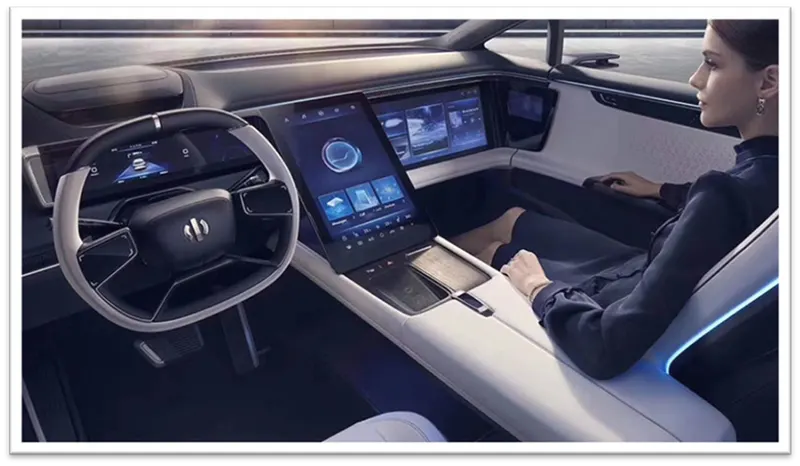
- Human-Machine Interfaces (HMI)
- AUTONOMOUS VEHICLES:
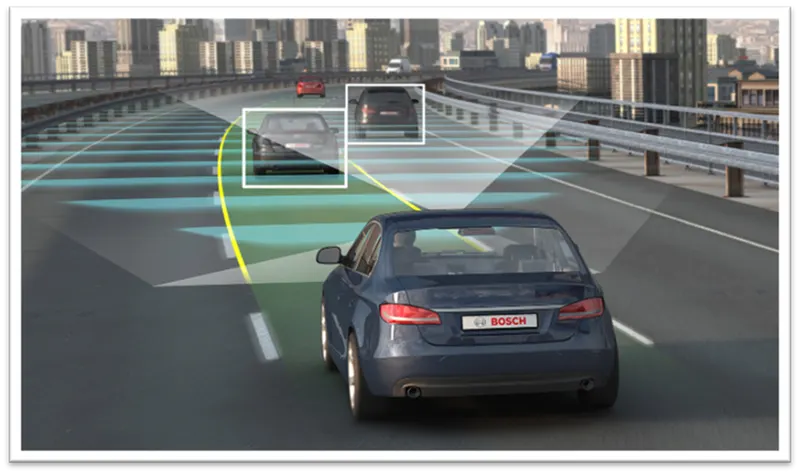
Self-driving or autonomous vehicles minimize the need for human drivers and look poised to transform everyday transportation. Fleets of AVs expand the scope of last-mile deliveries, reduce downtime, and aim to make public transportation relatively safer. For example, by reducing accidents caused due to driver fatigue or negligence. AVs are equipped with advanced recognition technologies, such as AI-enhanced computer vision to identify obstacles along the route.
- VEHICLE CONNECTIVITY:
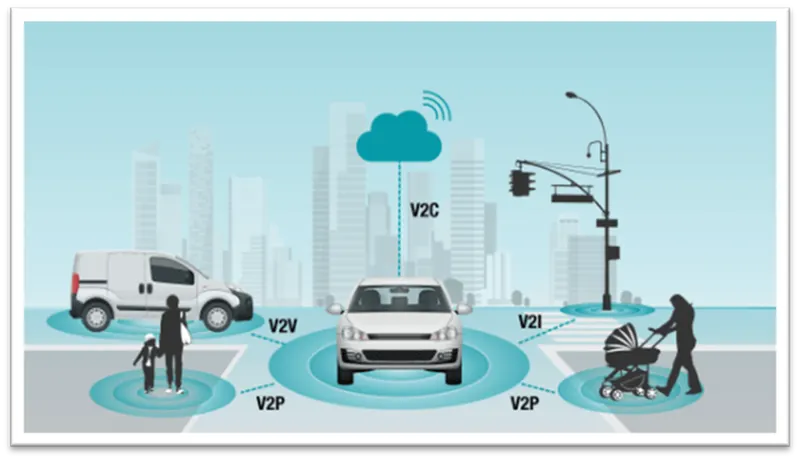
Nowadays, vehicles come with a tamper-proof digital identity that differentiates them from other vehicles in the network. This enables easy tracking of vehicular data for various use cases such as insurance, driver safety, predictive maintenance, and fleet management. Sharing vehicular data helps not just the individual customer, but overhauls the entire mobility ecosystem.
- HUMAN-MACHINE INTERFACES (HMI):
As self-driving cars and connected cars transform the automotive landscape, it will fundamentally change how drivers interact with vehicles. Human-Machine Interface use voice-based or haptic feedback to operate vehicles.
These expand the scope of how and what aspects of a car that user’s control. Consequently, such interfaces make the driving experience safer and more enjoyable. Another form of HMI includes smart virtual assistants who help drivers and riders interact with the vehicles and other service providers.
CONCLUSION:
Additive manufacturing near production sites, AI-based automated inspections, the use of big data to inform design and production, and human-machine interfaces are reinventing the manufacturing processes for automotive players. The push for electric cars and driverless cars is strengthened by advancements in machine learning and IoT.
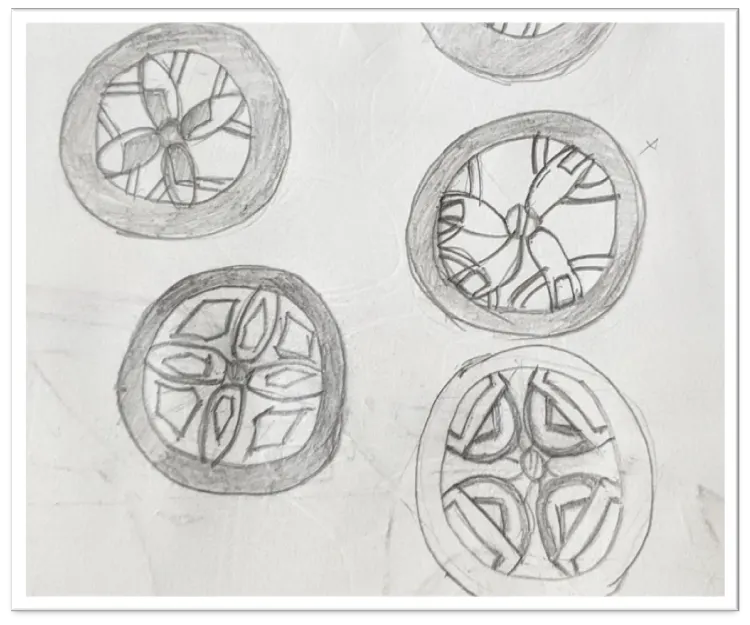
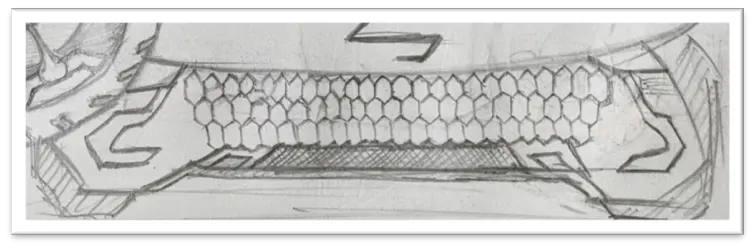
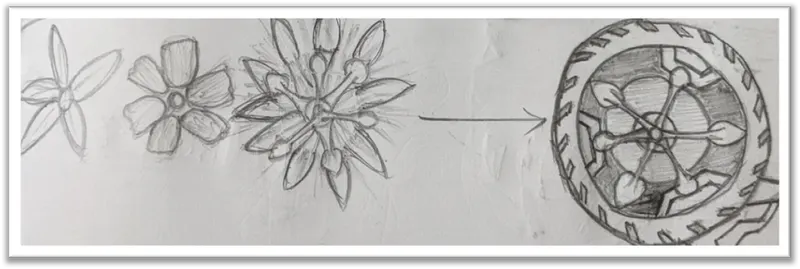
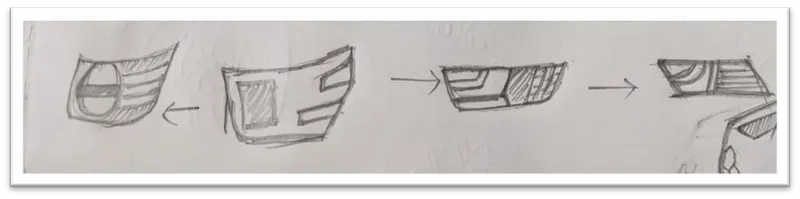
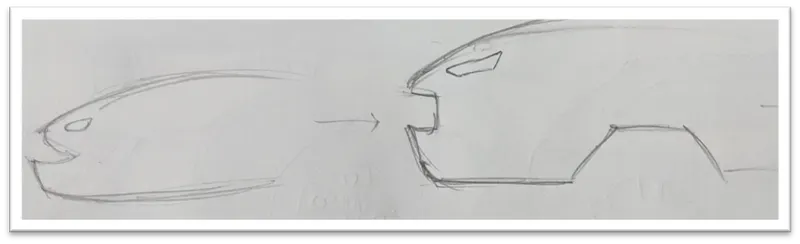
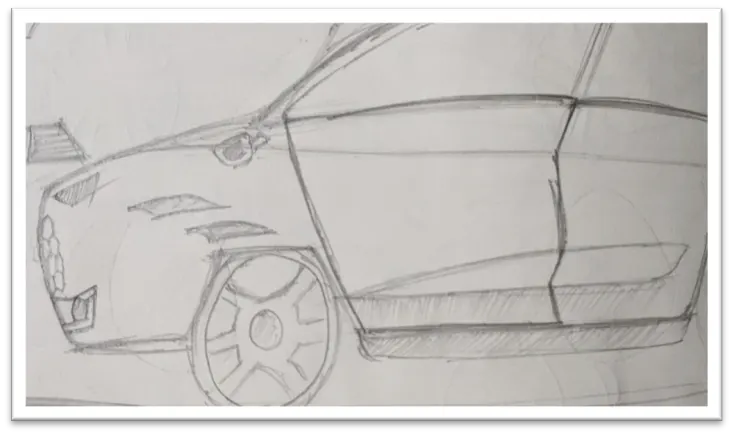
5. IDEATION SKETCH