Project
Project
AIM: To perform a gadget-degree simulation of an all-terrain car the usage of Simulink.
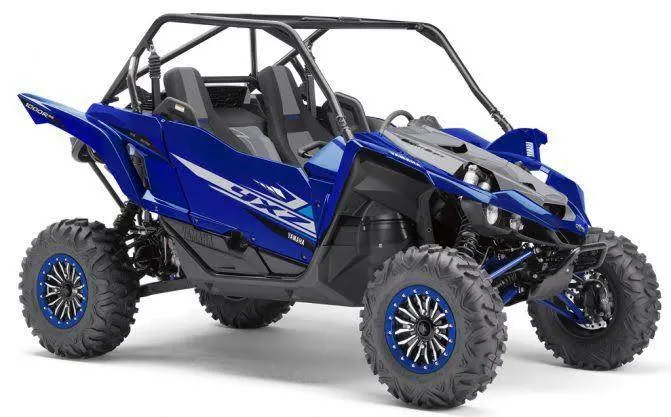
ALL TERRAIN VEHICLE:An all-terrain car (ATV) is defifined as a motorized off-dual carriageway car designed to journey on 4 low-strain or non-pneumatic tires, having a seat designed to be straddled via way of means of the operator and handlebars for guidance manipulate.
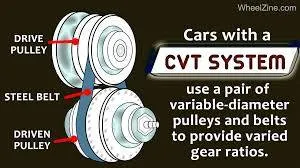
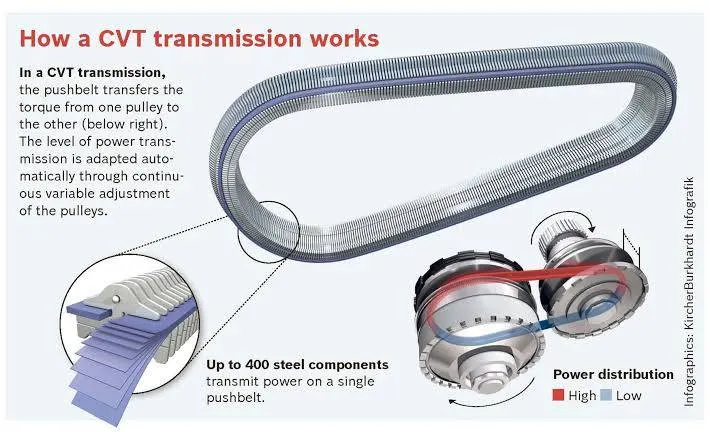
CVT: A CVT or Continuously Variable Transmission is an automatic, single-velocity, and gearless transmission which could shift via an endless variety of equipment ratios. A constantly variable transmission (CVT) is a transmission that operates on an ingenious pulley gadget that routinely varies the transmission ratio, permitting an endless variability among maximum and lowest gears without a discrete steps or shifts. CVTs offer more useable energy, higher gas economic system and smoother riding enjoy than traditional transmissions that use gearboxes with constant numbers of equipment sets.
SOLUTION:
Part #1: BAJA ATV Model with out Lookup Table 1.1 Without Dashboard A Simulink version for the BAJA ATV Model is proven below.
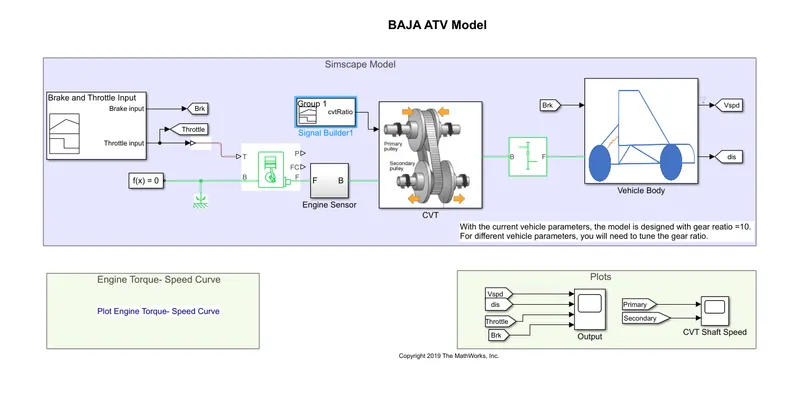
The fashions encompass not unusualplace blocks as follows:
Signal Builder: The Signal Builder block permits you to create interchangeable agencies of piecewise linear sign reassets and use them in a version. You can speedy transfer the sign agencies into and out of a version to facilitate testing.
Generic Engine:
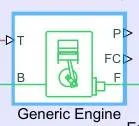
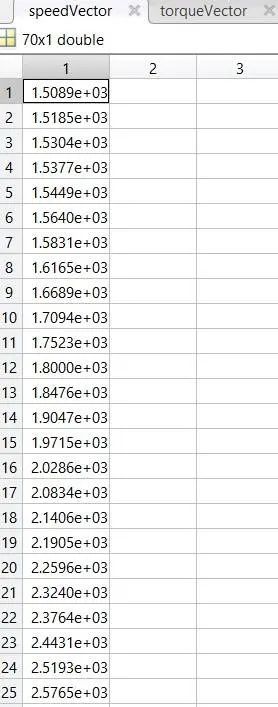
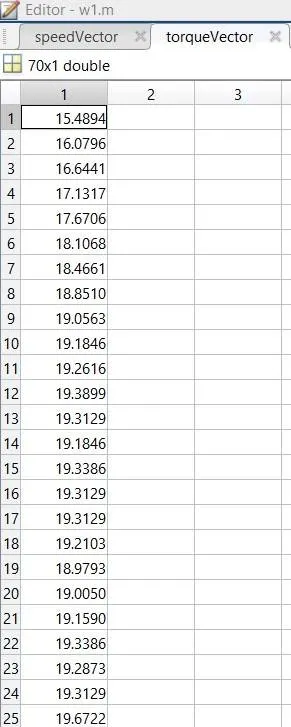
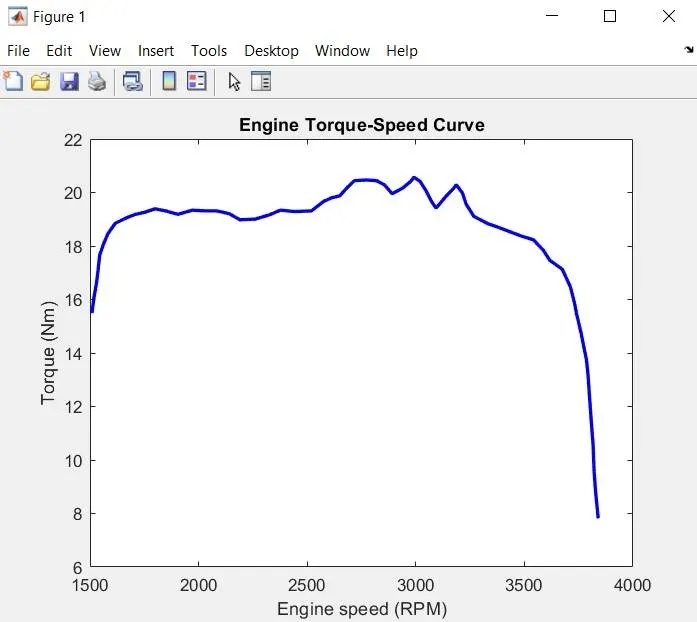
Represents a gadget-degree version of spark-ignition and diesel engines appropriate to be used at preliminary ranges of modeling when most effective the primary parameters are available. Connections F and B are mechanical rotational holding ports related to the engine crankshaft and engine block, respectively. Connections P and FC are bodily sign output ports via which engine energy and gas intake charge are reported. Speed vector and Torque vector are the assigned parameters.
Engine Sensor:
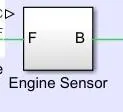
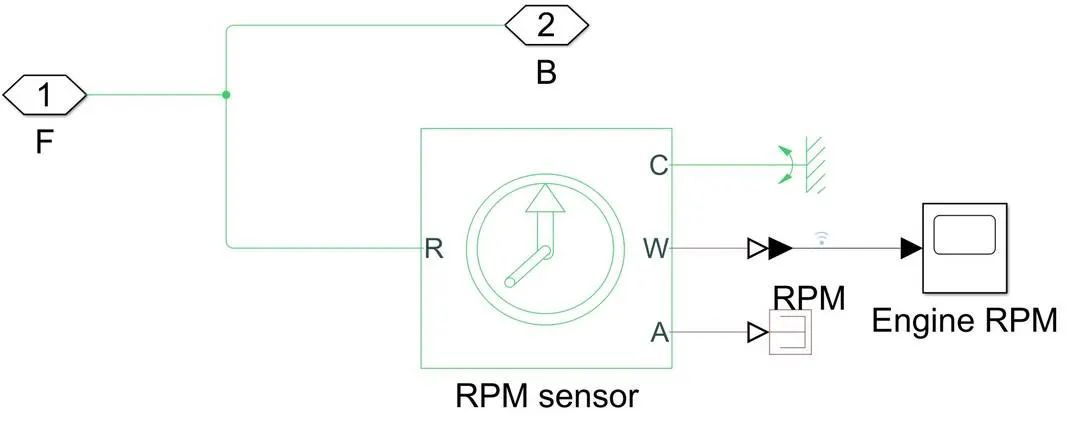
Ideal Rotational Motion Sensor: The block represents a super mechanical rotational movement sensor, that is, a tool that converts an throughout variable measured among mechanical rotational nodes right into a manipulate sign proportional to angular pace or angle. The sensor is right because it does now no longer account for inertia, friction, delays, power intake, and so on. Connections R and C are mechanical rotational holding ports and connections W and A are bodily sign output ports for pace and angular displacement, respectively.
Simple Gear:
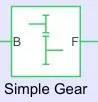
Represents a constant-ratio equipment or gearbox. No inertia or compliance is modeled on this block. You can optionally encompass equipment meshing and viscous bearing losses. Connections B (base) and F (follower) are mechanical rotational holding ports. Specify the relation among base and follower rotation guidelines with the Output shaft rotates parameter. Optionally encompass thermal consequences and divulge thermal holding port H via way of means of right-clicking on the block and deciding on Simscape block selections to replace among variants. Follower (F) to base (B) tooth ratio (NF/NB): four
CVT Subsystem:
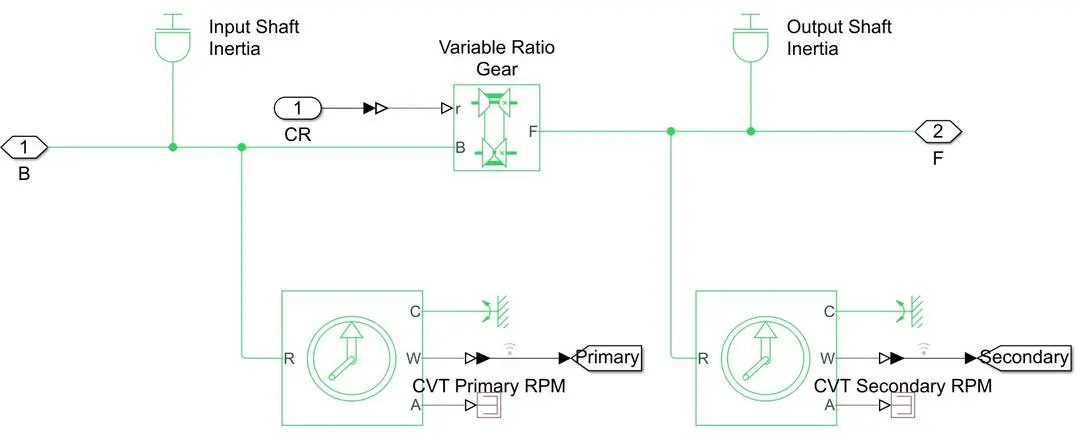
The CVT Subsystem consists of the following blocks:
Inertia:
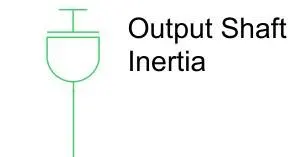
The block represents a super mechanical rotational inertia. The block has one mechanical rotational holding port. The block high quality route is from its port to the reference point. This method that the inertia torque is high quality if the inertia is improved in a high quality route.
Variable Ratio Transmission:
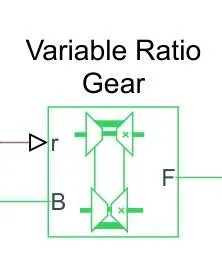
Represents a variable ratio gearbox inclusive of carried out via way of means of mechanical belt CVT, electric, or hydraulic transmissions. The bodily sign enter r defines the ratio of enter to output angular shaft velocities. Connections B (base) and F (follower) are mechanical rotational holding ports. Specify the relation among base and follower rotation guidelines with the Output shaft rotates parameter.
Vehicle Body Subsystem:
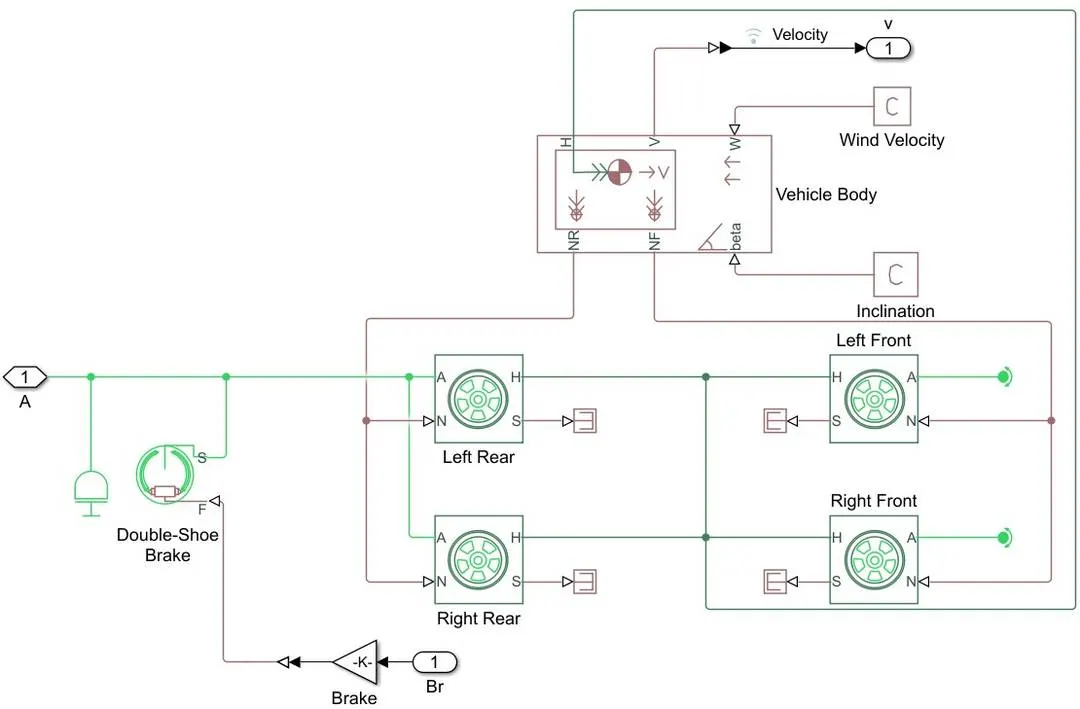
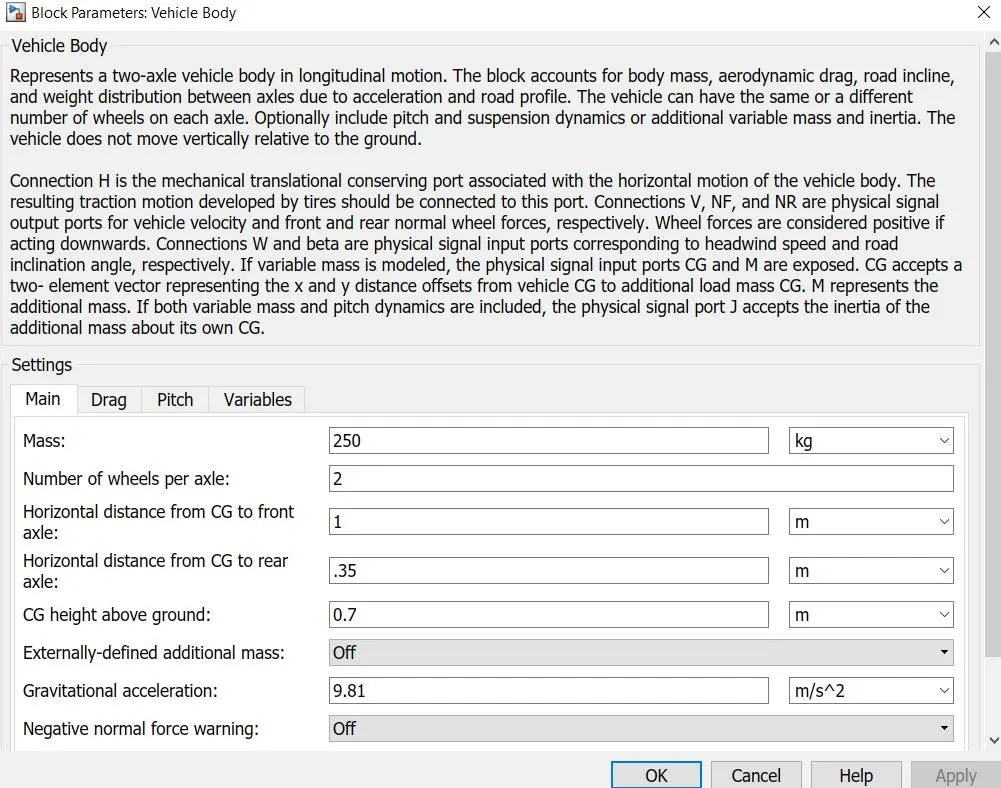
Vehicle Body: Represents a -axle car frame in longitudinal movement. The block bills for frame mass, aerodynamic drag, street incline, and weight distribution among axles because of acceleration and street profile. The car may have the equal or a specific variety of wheels on every axle. Optionally encompass pitch and suspension dynamics or extra variable mass and inertia. The car does now no longer circulate vertically relative to the ground. Connection H is the mechanical translational holding port related to the horizontal movement of the car frame. The ensuing traction movement evolved via way of means of tires must be linked to this port. Connections V, NF, and NR are bodily sign output ports for car pace and the front and rear regular wheel forces, respectively. Wheel forces are taken into consideration high quality if performing downwards. Connections W and beta are bodily sign enter ports similar to headwind velocity and street inclination angle, respectively. If the variable mass is modeled, the bodily sign enter ports CG and M are exposed. CG accepts a -detail vector representing the x and y distance offsets from car CG to extra load mass CG. M represents the extra mass. If each variable mass and pitch dynamics are included, the bodily sign port J accepts the inertia of the extra mass approximately its personal CG.
Parameters are:
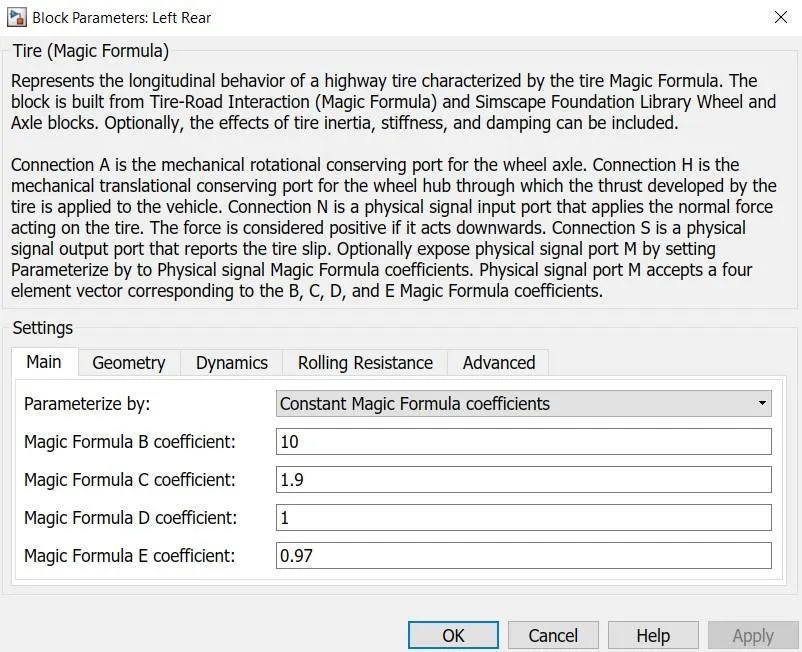
Tire: Represents the longitudinal behavior of a highway tire characterized by the tire Magic Formula. The block is built from Tire-Road Interaction (Magic
Formula) and Simscape Foundation Library Wheel and Axle blocks. Optionally, the effects of tire inertia, stiffness, and damping can be included.
Connection A is the mechanical rotational conserving port for the wheel axle. Connection H is the mechanical translational conserving port for the wheel hub
through which the thrust developed by the tire is applied to the vehicle. Connection N is a physical signal input port that applies the normal force acting on the
tire. The force is considered positive if it acts downwards. Connection S is a physical signal output port that reports the tire slip. Optionally expose physical
signal port M by setting Parameterize by to Physical signal Magic Formula coefficients. Physical signal port M accepts a four-element vector corresponding to
the B, C, D, and E Magic Formula coefficients.
Parameters (common for all tires) are:
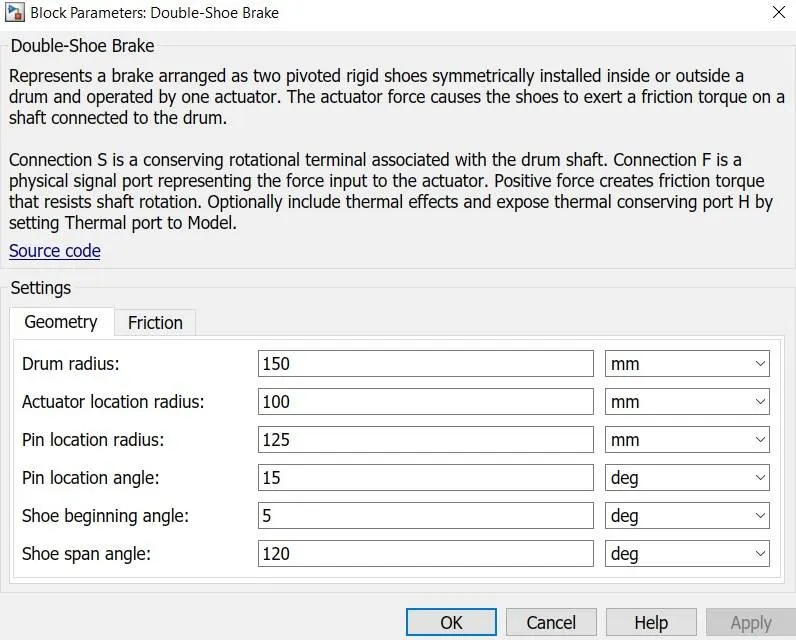
Double-Shoe Brake:
Represents a brake arranged as two pivoted rigid shoes symmetrically installed inside or outside a drum and operated by one actuator. The
actuator force causes the shoes to exert a friction torque on a shaft connected to the drum.
Connection S is a conserving rotational terminal associated with the drum shaft. Connection F is a physical signal port representing the force input to the
actuator. Positive force creates friction torque that resists shaft rotation. Optionally include thermal effects and expose thermal conserving port H by setting
Thermal port to Model.
Parameters are:
Torque vs Speed characteristics:
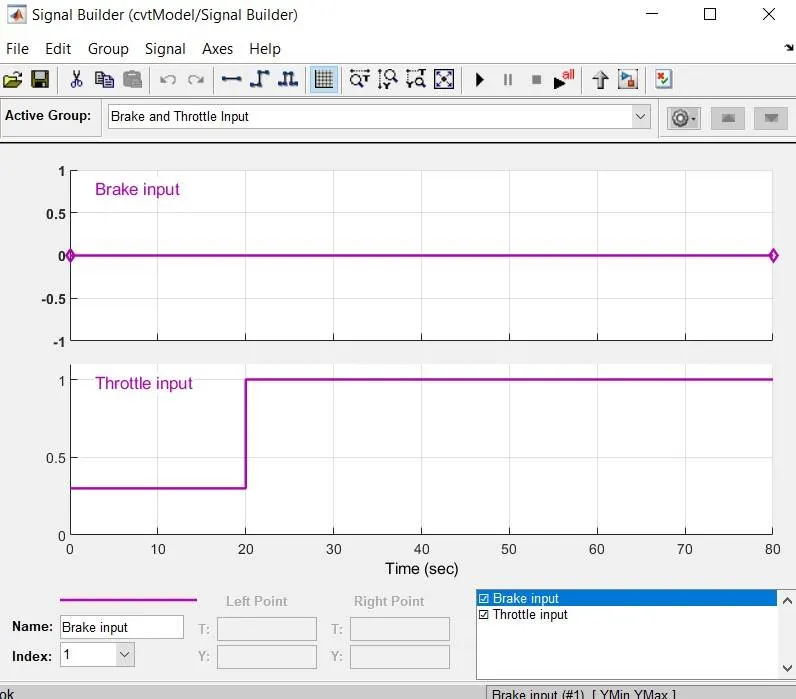
Input #1.1:
Brake and Throttle input:
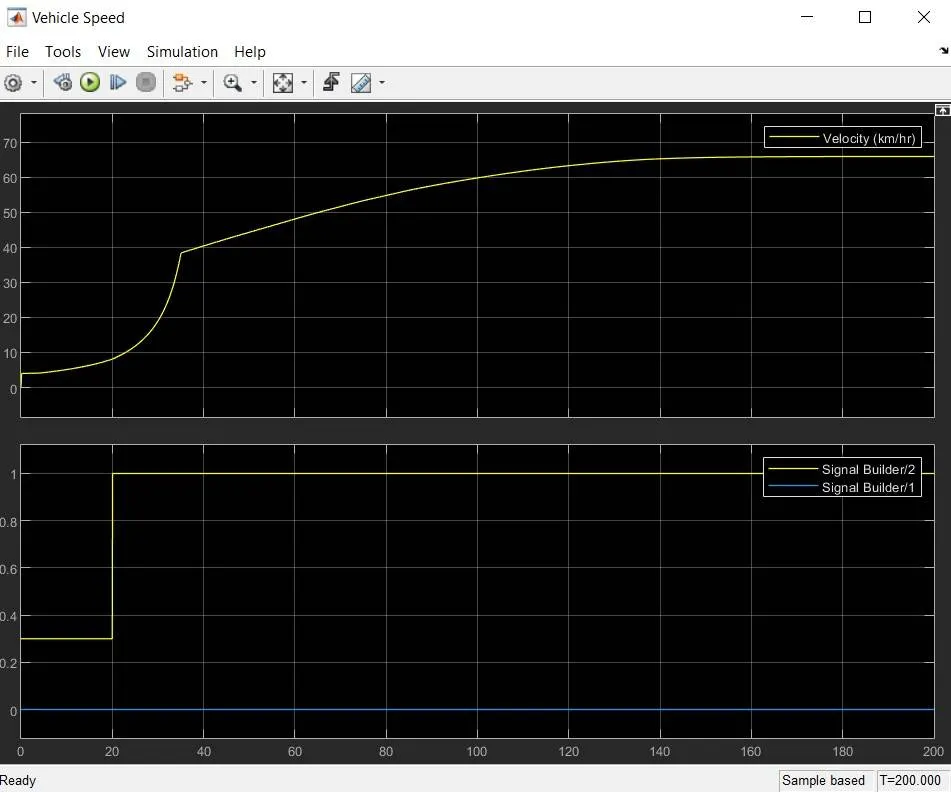
Brake input is constant i.e. zero throughout the time of 80 sec.
Throttle input is 0.3 for first 20 sec, accelerates to 1 at the same and remains constant throughout the remaining time till 80 sec
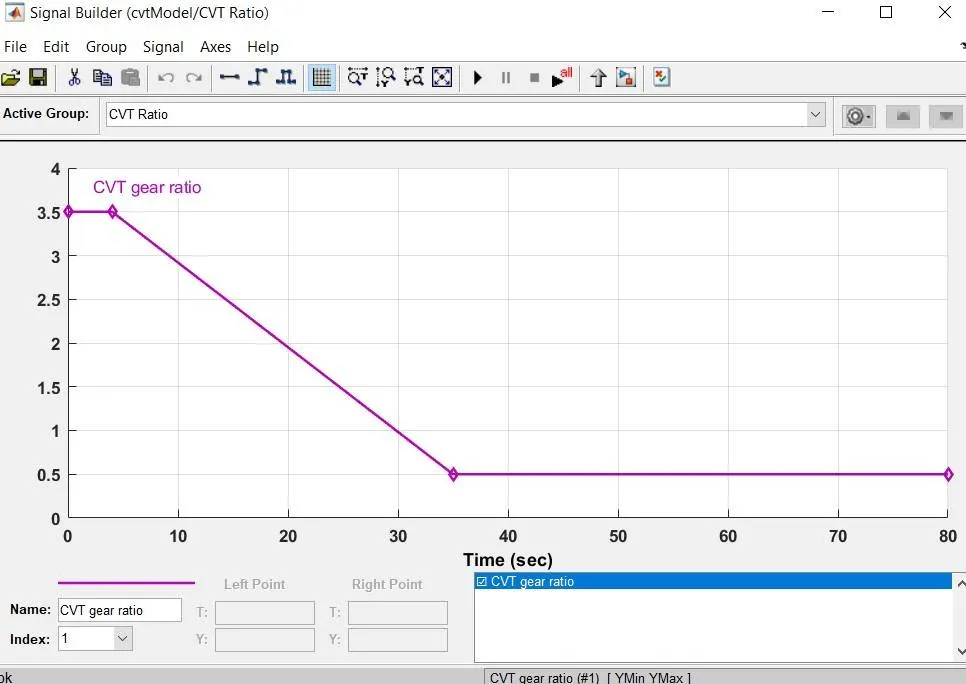
CVT Ratio:
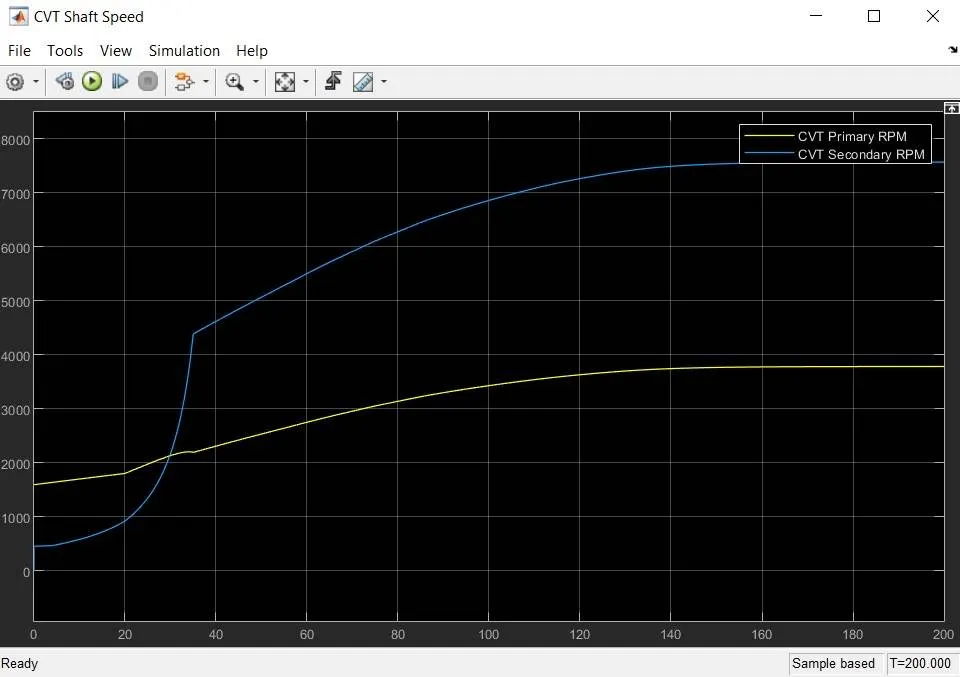
The CVT gear ratio 3.5 for the first 4 secs, then drops down to .5 till 35 secs and remains constant thereafter till 80 sec.
Output #1.1:
Velocity:
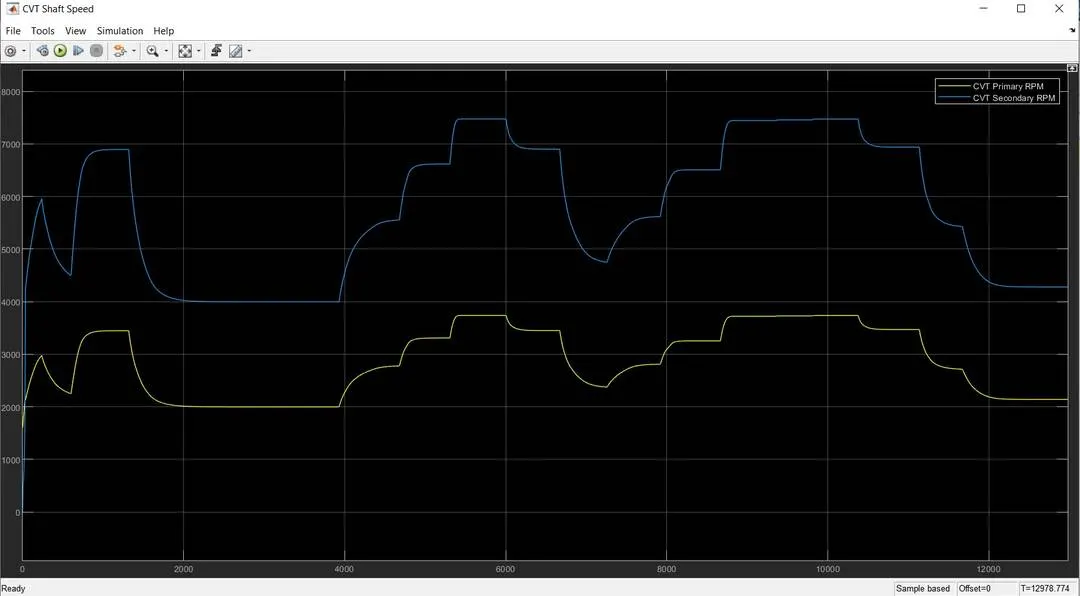
CVT Shaft Speed:
1.2 With Dashboard
A Simulink model for the BAJA ATV Model including the dashboard is shown below.
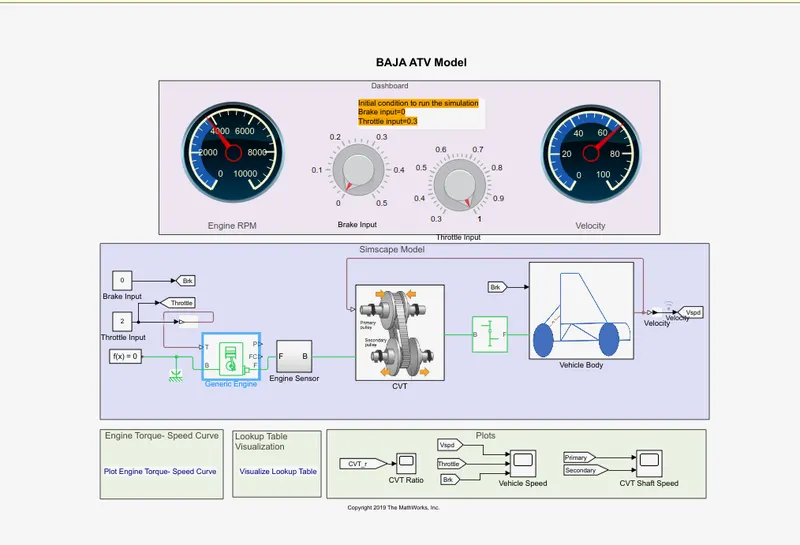
The rest of the parts and subsystems are common in the above part #1.1.
Dashboard: A dashboard (also called dash, instrument panel (IP), or fascia) is a control panel usually located directly ahead of a vehicle's driver, displaying
instrumentation and controls for the vehicle's operation.
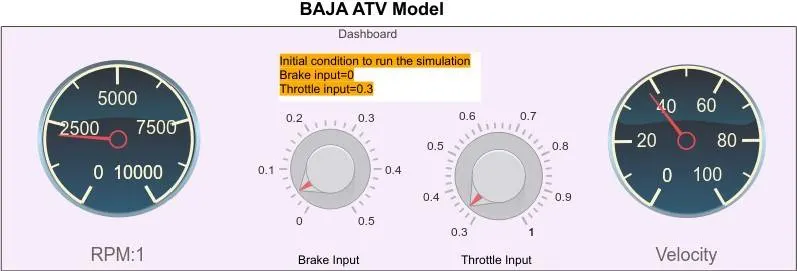
In this model a dashboard is used to control the inputs- ‘Throttle’ & ‘Brake’ with knobs.
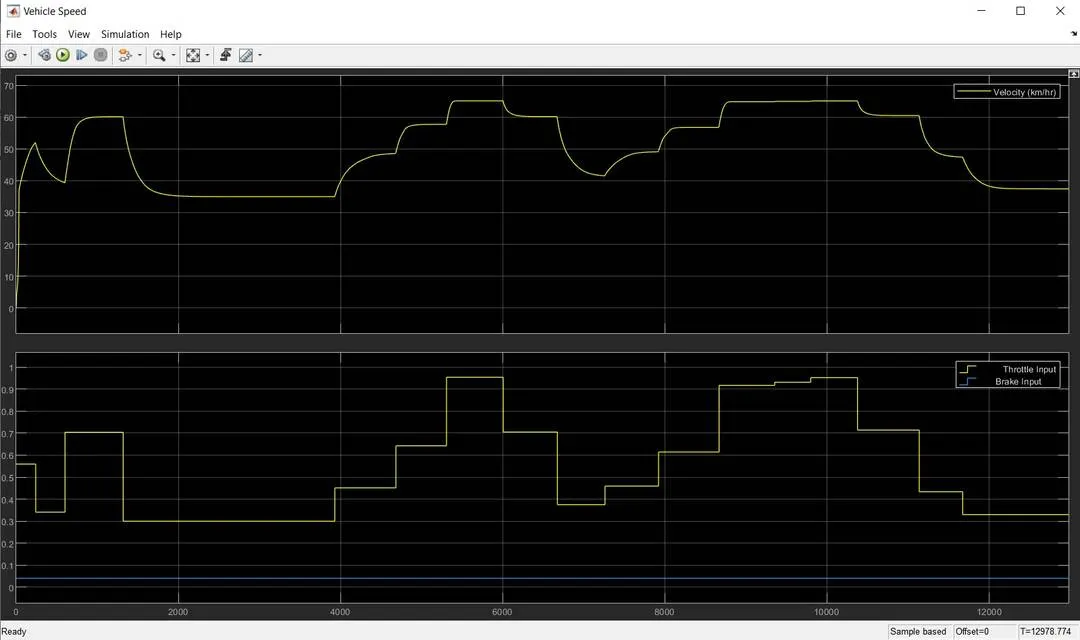
Output #2.2:
Velocity
CVT Shaft Speed:
CONCLUSION:
Hence, the given BAJA ATV Model became simulated effectively and from the above results, we will infer that: - Velocity, CVT Shaft Speed and Engine Speed are immediately proportional to the Throttle enter and inversely proportional to the Brake enter. - CVT Primary velocity is more than CVT Secondary velocity as they may be immediately proportional to their shaft diameter. - The variant in car pace may be located with alternate in throttle and brake inputs. -With growth in braking value, the rate of car decreases. On the opposite hand, growing the throttle ends in extended car pace.