Project 7
- Designing Interior with Consistent Design Language:
To design an interior with a consistent design language, follow these steps:
a) Review the design language and aesthetic principles established in your previous design project. b) Identify the key elements, materials, colors, and textures that define the design language. c) Consider the function and purpose of the interior space and how it aligns with the overall design concept. d) Apply the design language to different interior components such as the dashboard, seats, center console, door panels, and other relevant areas. e) Ensure that the design language flows seamlessly throughout the interior, creating a cohesive and harmonious visual experience. f) Pay attention to details such as stitching patterns, trim finishes, and the placement of branding elements to reinforce the design language.
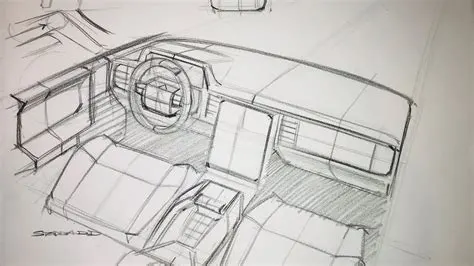
- Ideation and Finalizing the Interior Design:
a) Begin by gathering inspiration from various sources such as nature, art, architecture, or even other industries. b) Sketch out rough ideas and explore different layouts, forms, and arrangements for the interior components. c) Consider the functionality and usability of the interior space, ensuring that the design supports an intuitive and comfortable user experience. d) Experiment with different material combinations, color schemes, and textures to enhance the desired design language. e) Refine your sketches and select the ideas that best align with the established design language and your vision for the interior. f) Create more detailed sketches or digital renderings of the finalized design, incorporating key features, materials, and textures. g) Evaluate the design from various perspectives, considering the aesthetic appeal, ergonomics, practicality, and overall coherence with the intended design language.
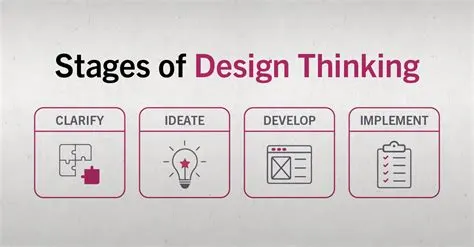
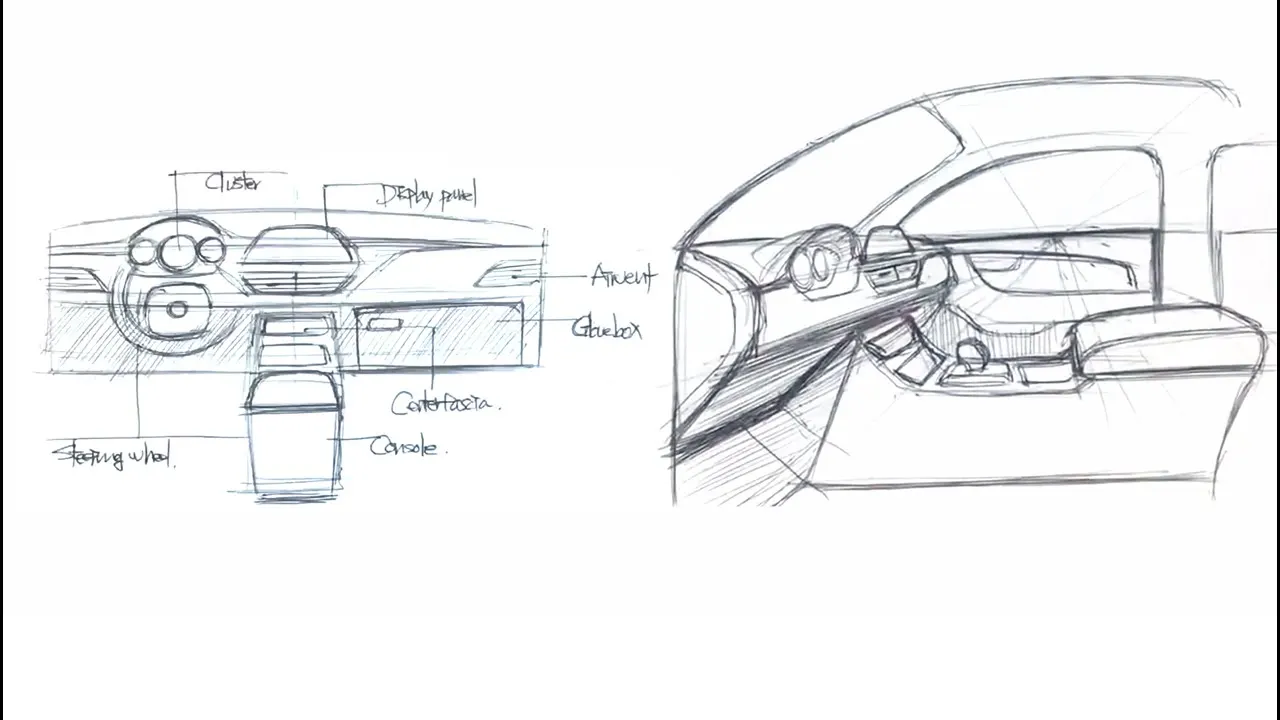
- Creating a Presentation with Sketches and Rendering the Interior:
a) Start by organizing your sketches, selecting the most relevant and visually appealing ones that showcase the design process and evolution. b) Arrange the sketches in a logical sequence that tells the story of your design exploration and final decisions. c) Create a visually pleasing presentation layout, incorporating titles, labels, and annotations to provide context and explanations for each sketch. d) Introduce the design language and concept at the beginning of the presentation, explaining its inspiration and guiding principles. e) Present each sketch, highlighting the key design features, innovative ideas, and how they contribute to the overall interior design. f) If possible, use digital rendering software or other mediums to create high-quality visuals that depict the final interior design. g) Emphasize the materials, textures, colors, and lighting to bring the interior design to life and create a realistic representation. h) Conclude the presentation by summarizing the design concept, design language, and key features that make the interior design a fitting and successful solution.