Project 5
Report on Nature and Form in Design
1. Introduction:
1.1 Definition:
- Nature in Design: The incorporation of natural elements, patterns, and processes into the design process.
- Form in Design: The visual and tactile aspects that define the structure and appearance of an object or space.
1.2 Purpose:
- To explore the influence of nature on design forms.
- To analyze how designers draw inspiration from natural elements.
- To discuss the implications for sustainable and aesthetically pleasing design.
2. Nature-Inspired Forms in Design:
2.1 Architecture:
- Biomorphic Architecture: Exploration of organic shapes and structures inspired by living organisms.
- Sustainable Design: Incorporating natural ventilation, daylighting, and green building materials.
2.2 Product Design:
- Biomimicry: Design solutions inspired by nature's forms and functionalities.
- Ergonomics: Applying natural forms for user-friendly and comfortable product designs.
2.3 Art and Sculpture:
- Organic Forms: Artists drawing inspiration from the natural world to create fluid and expressive forms.
- Land Art: Utilizing natural materials to create site-specific installations.
3. Case Studies:
3.1 Sagrada Familia (Barcelona, Spain):
- Nature Influence: Antoni Gaudí's use of natural forms in the architecture, such as columns resembling tree branches.
- Design Innovation: Integrating biomorphic elements into a religious structure.
3.2 Dyson Bladeless Fan:
- Nature Influence: Biomimicry of the air multiplier effect seen in natural wind.
- Design Innovation: Creating a sleek, bladeless fan with enhanced safety and aesthetics.
3.3 Andy Goldsworthy's Stone River:
- Nature Influence: Using natural stones to create a meandering, river-like sculpture.
- Design Innovation: Melding natural elements into the artistic process, emphasizing impermanence.
4. Sustainability and Eco-Friendly Design:
4.1 Sustainable Architecture:
- Green Roofs: Mimicking natural ecosystems for energy efficiency.
- Passive Design: Using natural elements for temperature regulation.
4.2 Eco-Friendly Products:
- Biodegradable Materials: Utilizing materials that mimic natural decomposition processes.
- Cradle-to-Cradle Design: Emphasizing the cyclical nature of resource use and waste.
5. Challenges and Considerations:
5.1 Ethical Sourcing:
- Balancing Demand: Ensuring that the inspiration drawn from nature does not contribute to environmental degradation.
- Fair Trade Practices: Ethical considerations in the extraction and use of natural materials.
5.2 Cultural Sensitivity:
- Respecting Indigenous Knowledge: Acknowledging and respecting traditional knowledge related to nature and forms.
- Appropriation Concerns: Avoiding cultural appropriation in design inspired by specific natural forms.
6. Future Trends:
6.1 Biomimetic Design:
- Advancements in Technology: Applying principles from nature to inform technological innovations.
- Cross-Disciplinary Collaboration: Collaborating across fields to bring nature-inspired solutions to various industries.
6.2 Circular Design Economy:
- End-of-Life Considerations: Integrating natural decomposition and regeneration principles into product life cycles.
- Material Innovation: Developing materials that align with nature's ability to regenerate.
7. Conclusion:
Nature and form in design represent a dynamic interplay that not only influences aesthetics but also shapes sustainable and functional solutions. As designers continue to draw inspiration from the richness of the natural world, the challenge lies in maintaining a symbiotic relationship that benefits both design innovation and the environment. The future of design is intricately tied to our ability to learn from and coexist with the unparalleled beauty and efficiency found in nature.
Inspiration:
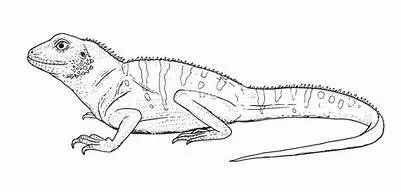
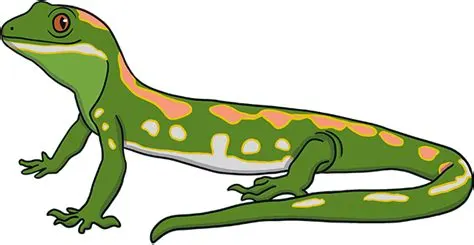
In this problem I took reptile or mammal as an inspiration because it’s long look like a get a fast speed .From this we can design a default support long .
Design: