Project
BAJA All Terrain Vehicle (ATV) Analysis using SIMULINK - Continuous Variable Transmission (CVT) System
AIM :-
To study and analyze the BAJA All Terrain Vehicle (ATV) model using Simulink.
OBJECTIVE:
- To study open and closed-loop ATV models.
- To understand the use of lookup tables & Dashboard blocks that enhance the performance of a Simulink Model.
THEORY :-
ALL TERRAIN VEHICLE :-
An all-terrain vehicle (ATV), also known as a quad (cycle), three-wheeler, four-track, four-wheeler, or quadricycle, as defined by the American National Standards Institute (ANSI) is a vehicle that travels on low-pressure tires, with a seat that is straddled by the operator, along with handlebars for steering control. It is designed to handle a wider variety of terrain than most other vehicles.
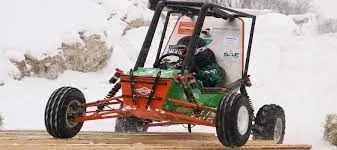
BAJA ATV (SAE) :-
The BAJA SAE Series is an event for the undergraduate engineering students, organized globally by the Society of Automotive Engineers, USA. The event originated in the name of Mini - BAJA, in the year 1976 at University of Carolina. Since then, the event has spanned across six countries – USA, Mexico, South Africa, Korea, Brazil and India. The BAJA SAE tasks the students to design, fabricate and validate a single seater four - wheeled off road vehicle to take part in series of events spread over a course of 3 days that test the vehicle for the sound engineering practices that have gone into it, the agility of the vehicle in terms of gradeability, speed, acceleration and manoeuvrability characteristics and finally its ability to endure that back breaking durability test.
MAJOR COMPONENTS USED IN THIS SIMULATION :-
GENERIC ENGINE :-
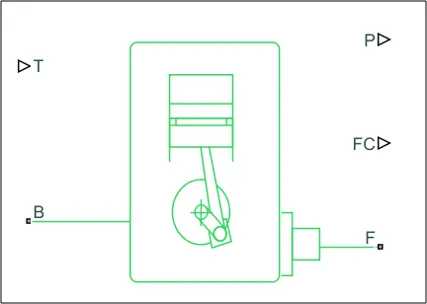
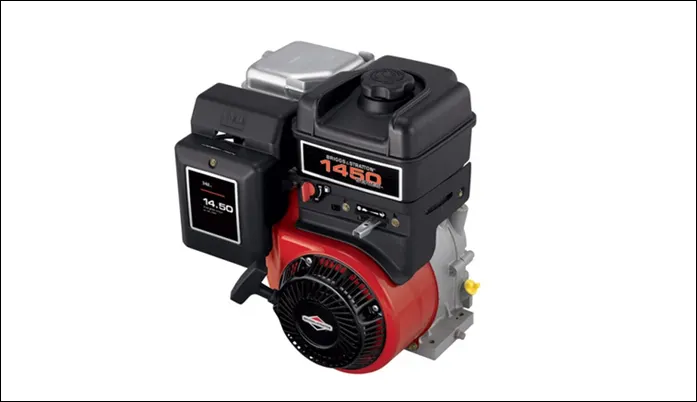
The Generic Engine block represents a general Internal Combustion (IC) Engine which is a type of Spark Ignition (SI-Petrol) or Compression Ignition (CI-Diesel). The speed torque and speed power parameters are provided.
PORTS,
- B – Rotational Conserving Port representing the Engine Block
- F – Rotational Conserving Port representing the Engine Crankshaft
- T - Physical signal input port specifying the normalized engine throttle level
- P - Physical signal output port reporting the instantaneous engine power, in W
- FC - Physical signal output port reporting the fuel consumption rate, in kg/s
SIMPLE GEAR :-
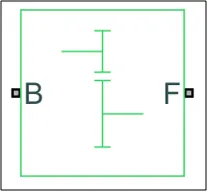
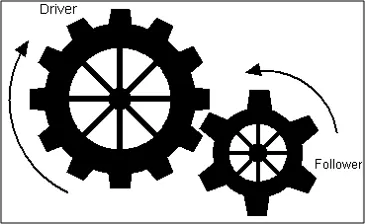
The simple gear is combination of a driver and driven gear where the speed is reduced by the gear ratio. The gear ratio is defined as,
GearRatio=Follower.Gear.Speed / Base.Gear.Speed
PORTS,
- B – Base Gear or Driver Gear
- F – Follower Gear or Driven Gear
Continuously variable transmission (CVT)
- A continuously variable transmission (CVT) is an automatic transmission that can change seamlessly through a continuous range of gear ratios. This contrasts with other transmissions that provide a limited number of gear ratios in fixed steps.
- The flexibility of a CVT with suitable control may allow the engine to operate at a constant RPM while the vehicle moves at varying speeds.
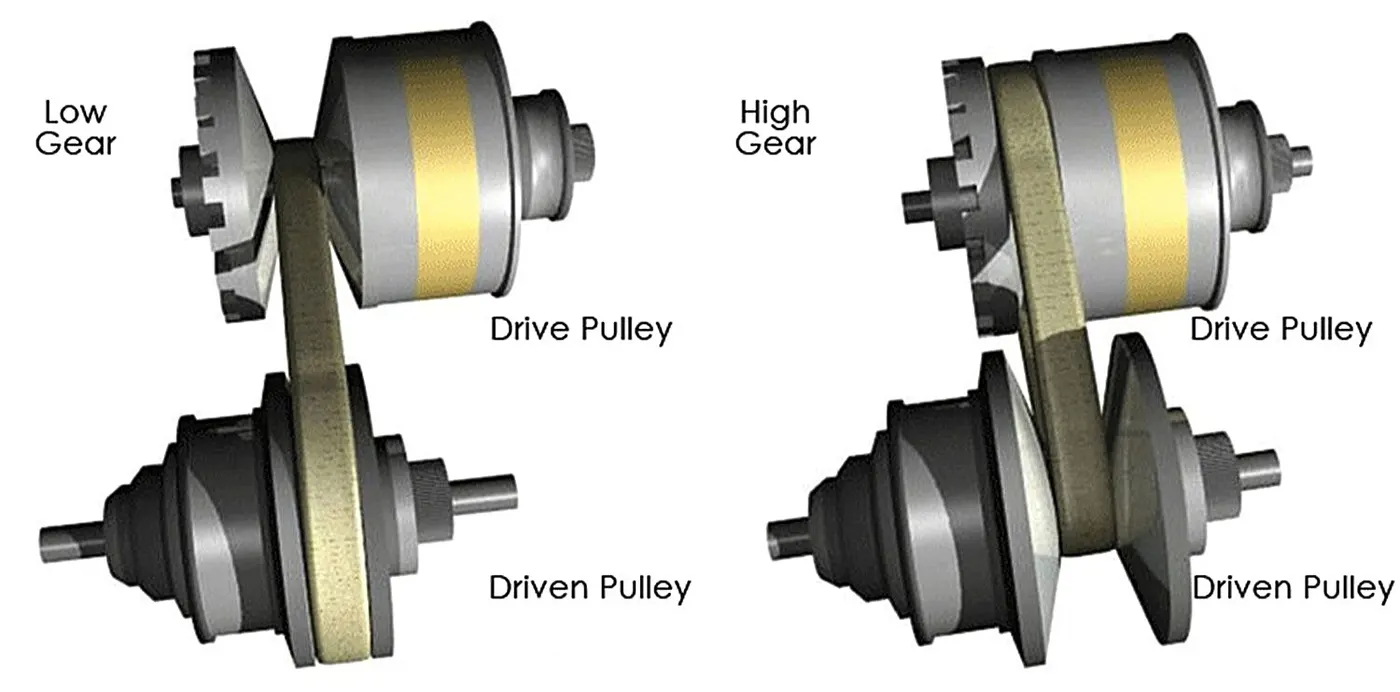
- The most common type of CVT uses a V-belt which runs between two variable-diameter pulleys.
- The pulleys consist of two cone-shaped halves that move together and apart. The V-belt runs between these two halves, so the effective diameter of the pulley is dependent on the distance between the two halves of the pulley.
- The V-shaped cross-section of the belt causes it to ride higher on one pulley and lower on the other; therefore, the gear ratio is adjusted by moving the two sheaves of one pulley closer together and the two sheaves of the other pulley farther apart.
APPLICATIONS OF CVT:
- Automobiles
- Tractors
- Earthmoving equipment
- Powersports vehicles such as scooters, snow mobiles, the Can-Am Spyder, and so forth.
Advantages of CVT :
- Outstanding fuel efficiency is a major advantage for your Bloomfield and Troy commutes.
- CVTs are always adjusting, so they keep engine RPMs low and consistent, avoiding the high engine speeds that suck down gasoline.
- CVTs also have lower production costs because they have fewer moving parts than traditional automatics.
- This is another appealing factor to car manufacturers, and thus to car buyers as well.
- CVTs deliver a smooth ride because the transmission doesn’t have to constantly switch gears.
- The flexibility of a CVT with suitable control may allow the engine to operate at a constant RPM while the vehicle moves at varying speeds.
Disadvantages of CVT :
- You may feel a delay when you step on the accelerator. That’s because, compared to a regular automatic transmission, there’s a slight pause as the CVT band adjusts.
- CVTs can be hard to get used to because they just don’t feel the same way a traditional automatic does.
- The engine sound is monotonous, and you don’t feel a connection with the car like you do when you can tell a gear has shifted.
- In spite of the low initial costs of a CVT, repairs can be more expensive because the parts are more costly to replace.
- Because technicians need special training, it may be harder to find someone that can make the repair. This has become less of an issue as CVTs have become more common.
- The pulleys are movable and as they come closer to each other, the belt or the chain rides higher making the diameters of the pulleys larger and vice-versa.
- When the Input Pulley is becomes smaller and the output pulley becomes larger translates into a lower ratio (which is the number of times the shaft spins for every revolution of the engine, hence a ratio).
- While the car gathers momentum and accelerates, the pulleys keep varying their diameters and lower the engine speed (RPMs) for relaxed cruising or climbing up the revs for quick overtaking.
VEHICLE BODY :-
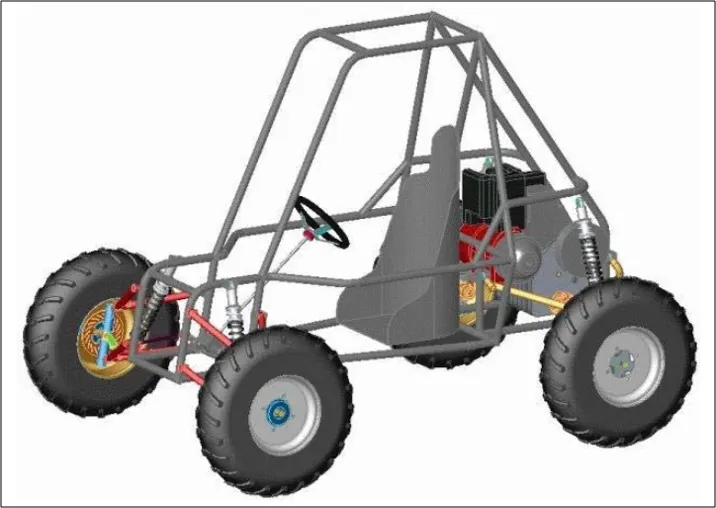
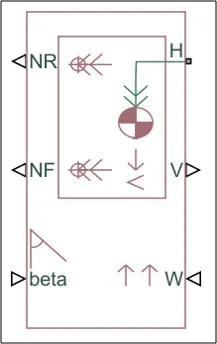
Two-axle vehicle with longitudinal dynamics and motion and adjustable mass, geometry, and drag properties. The vehicle can have the same or a different number of wheels on each axle. For example, two wheels on the front axle and one wheel on the rear axle. The vehicle wheels are assumed identical in size. The vehicle can also have a centre of gravity (CG) that is at or below the plane of travel.
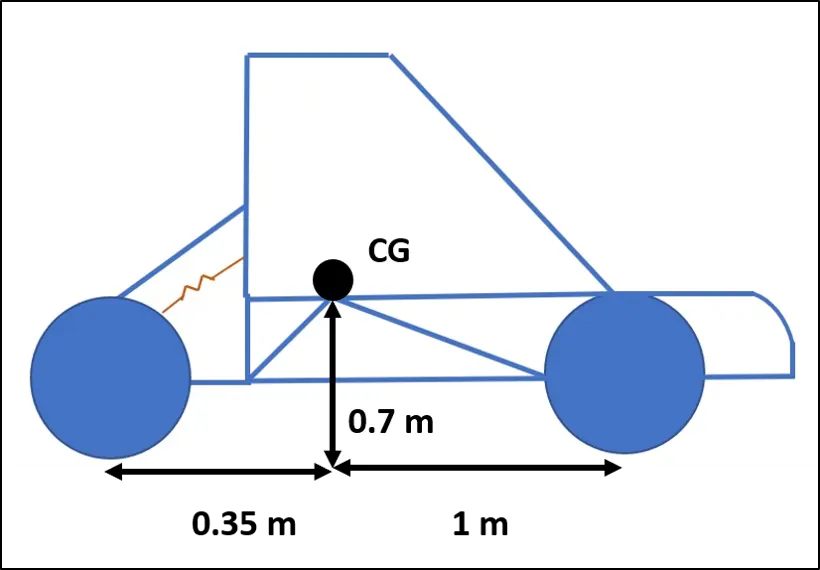
PORTS,
- NR – Rear Axle Normal Force (N)
- NF – Front Axle Normal Force (N)
- Beta – Road Incline Angle (rad)
- V – Longitudinal Velocity (m/s)
- W – Head Wind Speed (m/s)
- H – Horizontal Motion
DOUBLE SHOE BRAKE :-
The Double-Shoe Brake block represents a frictional brake with two pivoted rigid shoes that press against a rotating drum to produce a braking action. The rigid shoes sit inside or outside the rotating drum in a diametrically opposed configuration. A positive actuating force causes the rigid shoes to press against the rotating drum. Viscous and contact friction between the drum and the rigid shoe surfaces cause the rotating drum to decelerate.
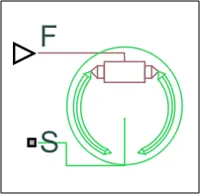
PORTS,
- S - Rotational conserving port associated with the rotating drum shaft
- F - Physical signal input port associated with the applied actuating force
TIRE :-
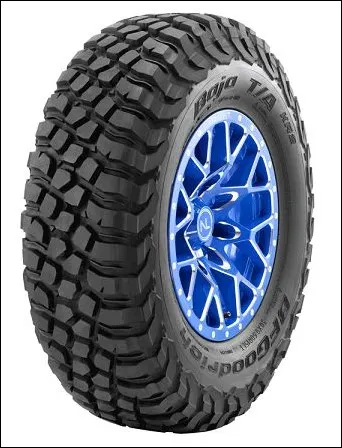
The vehicle body is connected to 4 tires each per axle to move the vehicle according to the power input to the axle.
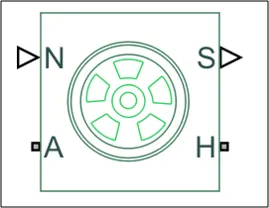
PORTS,
- N – Normal Force
- S – Tire Slip
- A – Axle
- H – Mechanical translational port associated with the wheel hub that transmits the thrust generated by the tire to the remainder of the vehicle.
BLOCKS USED :-
- Signal Builder – To input the Brake, Throttle and CVT Ratio
- Simulink to PS Converter – To convert the Simulink signal to Simscape environment
- Solver Configuration – To specify the solver parameters before starting the simulation
- Mechanical Reference – To make sure all the components are clamped to the ground
- Generic Engine – To run the engine with speed and torque values as input
- PS to Simulink Converter – To convert Simscape signal to Simulink environment
- Scope – To view the graph of the parameters for better understanding
- Display – To view the calculated engine power
- Inertia – To represent the solid inertia
- Rotational Motion Sensor – To sense the rotational motion from the engine and give output as rpm
- Variable Gear Ratio – To vary the speed according to the gear ratios
- PS Terminator - Terminator for unconnected physical signal outputs
- Double Shoe Brake – To apply brake to the vehicle when needed
- PS Constant - Generate constant physical signal
- Tire – For transportation of the vehicle
- Rotational Free End – For mechanical component (Tire)
- Vehicle Body – To represent the BAJA ATV model body
- Custom Measure Gauge – To measure the brake and throttle input
- Knob – To increase, decrease and vice-versa of throttle and brake inputs
- Lookup Table – To insert the CVT values from the workspace
- Simple Gear – To reduce the speed of the engine with pre-defined gear ratio
- Step – To increase or decrease an input value for a defined time interval
MODELING OF CVT with BAJA All-Terrain vehicle:
The modelling of CVT can be categorized as
1) OPEN LOOP SYSTEM:
i) BAJA ATV MODEL WITHOUT DASH BOARD:
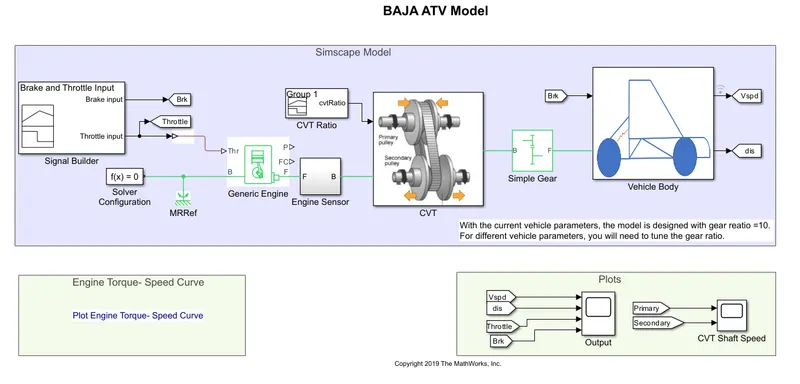
- In this model, we use signal builder for break and throttle inputs and for CVT ratio and simulated at default conditions.
- The model is shown as below and resutlts are shown.
CVT BLOCK:
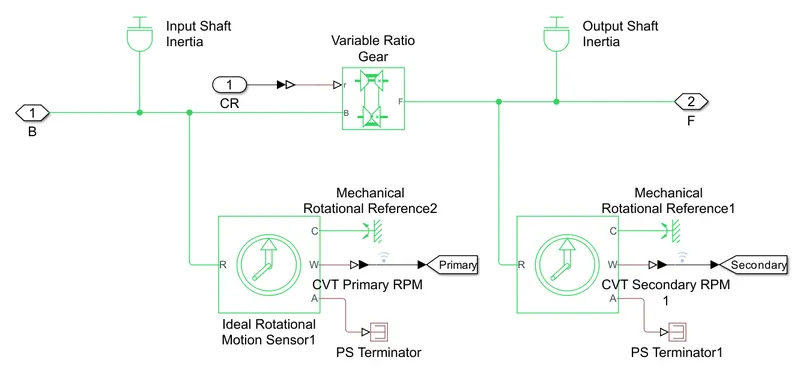
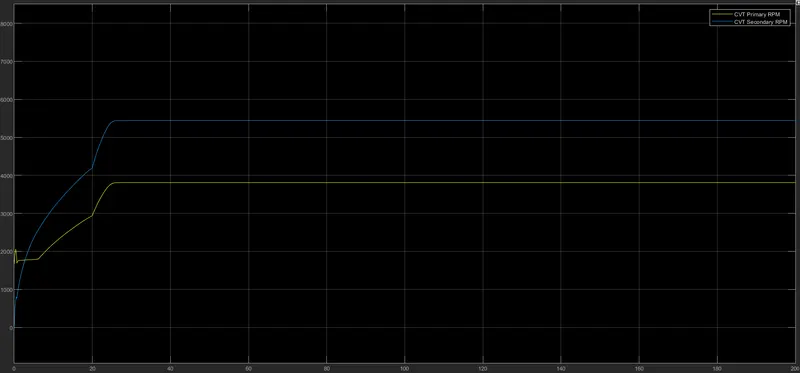
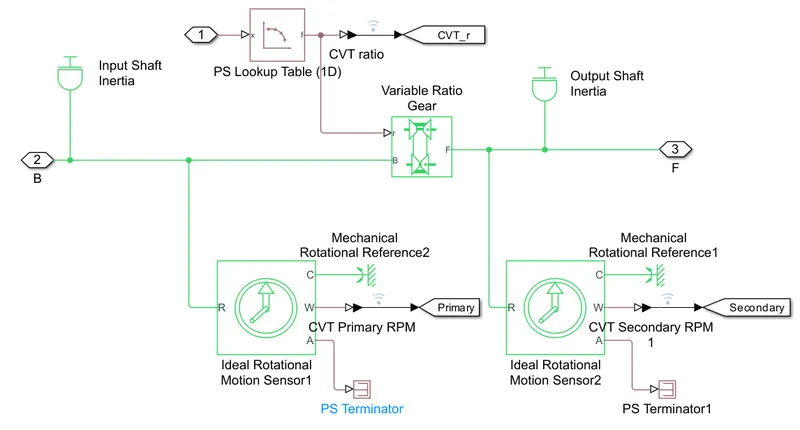
- This block is a subsystem block and it is used for giving CVT gear ratio and to sense the primary and secondary shaft rpm.
- In this block we use input and output shaft inertia block (represents primary and secondary pulley), mechanical motion sensors( to read rpm) and a variable gear ratio block.
CVT ENGINE SENSOR:
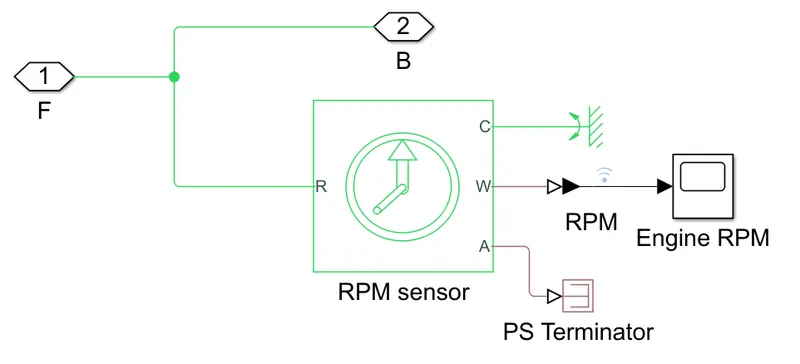
- This block is used to read output data from engine block(RPM) and that data is given to CVT block.
CVT VEHICLEBODY:
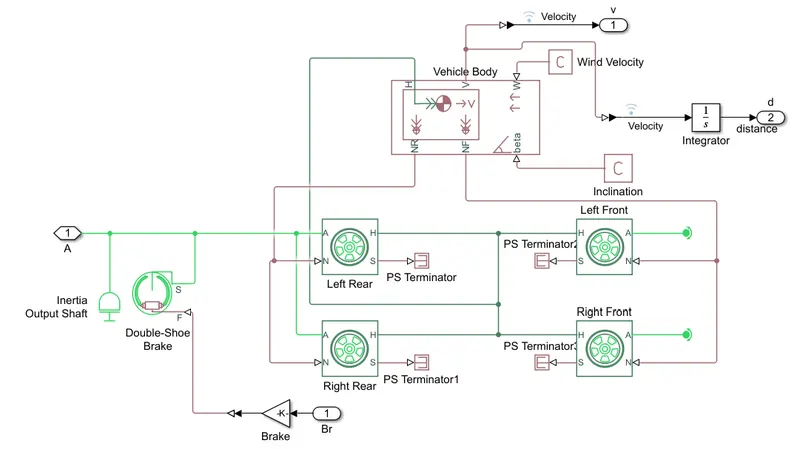
- A vehicle body looks like a car, which contains tyres, vehicle body.
- In vehcile body, we can give data about car weight, number of tyres and some external conditions which may effect the speed of the vehicle.
EXPLANATION:
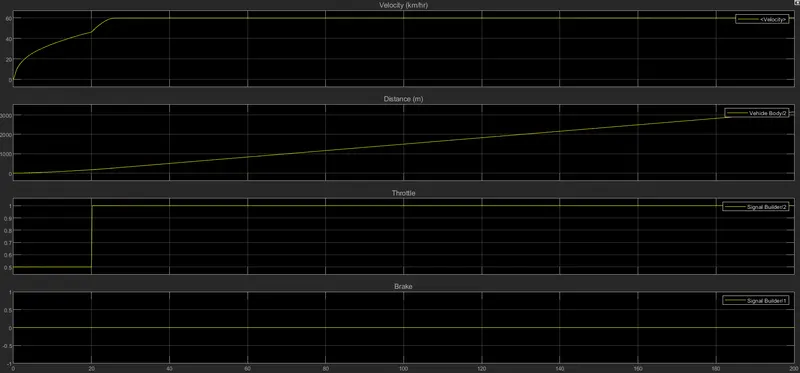
- As given in the waveform, we gave zero break input and throttle input of 0.5 using signal builder block.
- This input is connected to engine.
- The engine will give output as RPM, this output is given to ideal rotational motion sensor to sense RPM.
- Then this output is given to CVT.
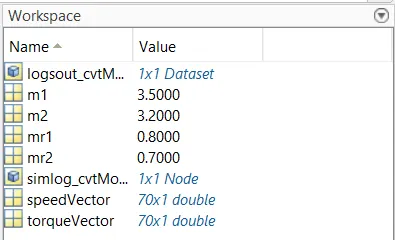
Variables in workspace:
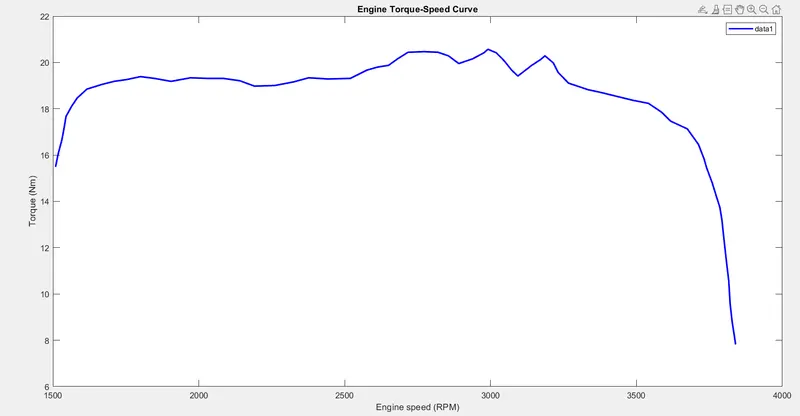
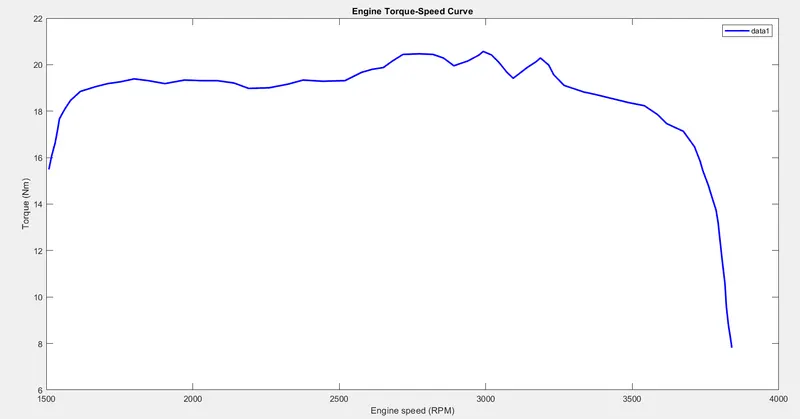
TORQUE-SPEED CURVE:
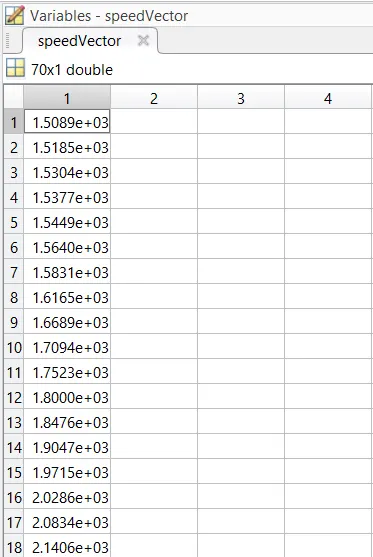
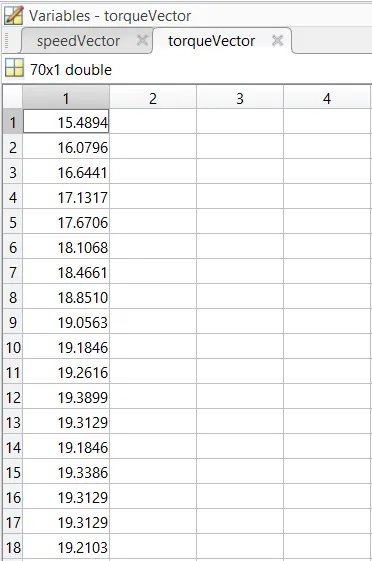
- The curve is the graph between torque and speed vector, and this data is given to engine block using "GRAB" option in fileexchange.
- The values of speed vector and torque vector are shown below.
Speed vector:
Torque vector:
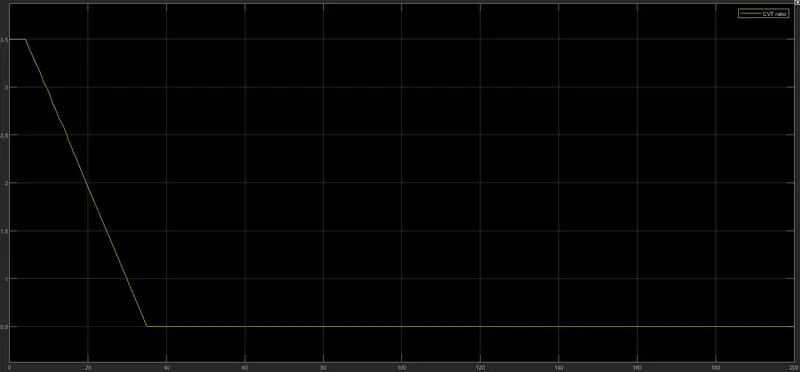
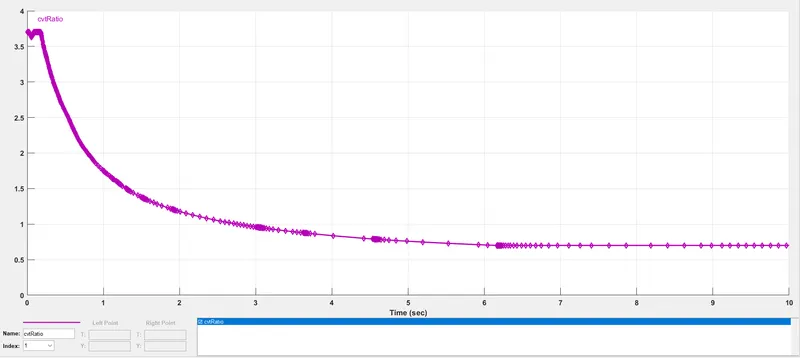
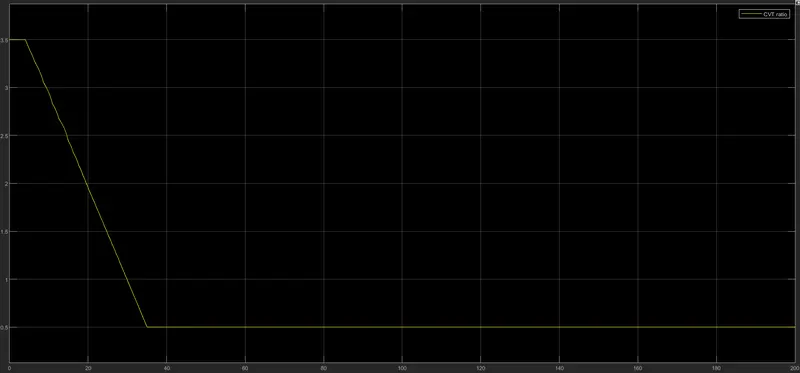
CVT RATIO SIGNAL:
- This graph shows CVT ratio using signal builder block.
- From the graph below,
CVT ratio= 3.5 upto (4 seconds).
CVT ratio= decrases to 0.5 (from 4 to 35 seconds).
CVT ratio =0.5 (from 35 to 200 seconds).
OUTPUT WAVEFROMS:
a) Vehicle speed:
- From the waveform, the vehicle speed increases upto nearly 65 kmph at 140 seconds and then maintained constant.
b)CVT Shaft speed:
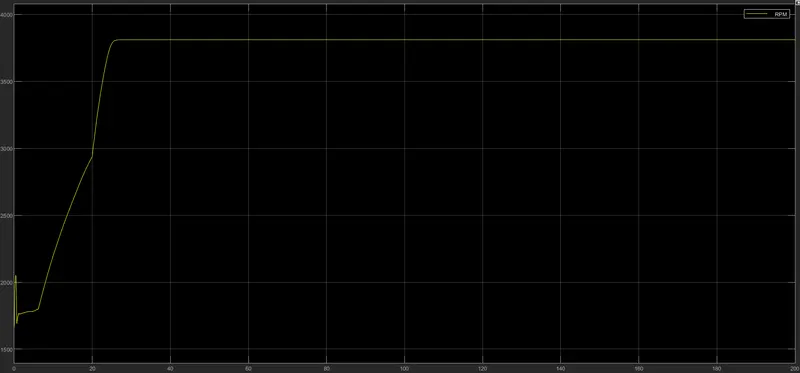
c) Engine RPM:
- From the waveform, the engine RPM increases to 3800 RPM at 140 sec and maintained constant.
ii) BAJA ATV MODEL WITH DASHBOARD:
- This model is similar to BAJA ATV model without dashboard, the only difference is that we control the throttle and break inputs manually using knob.
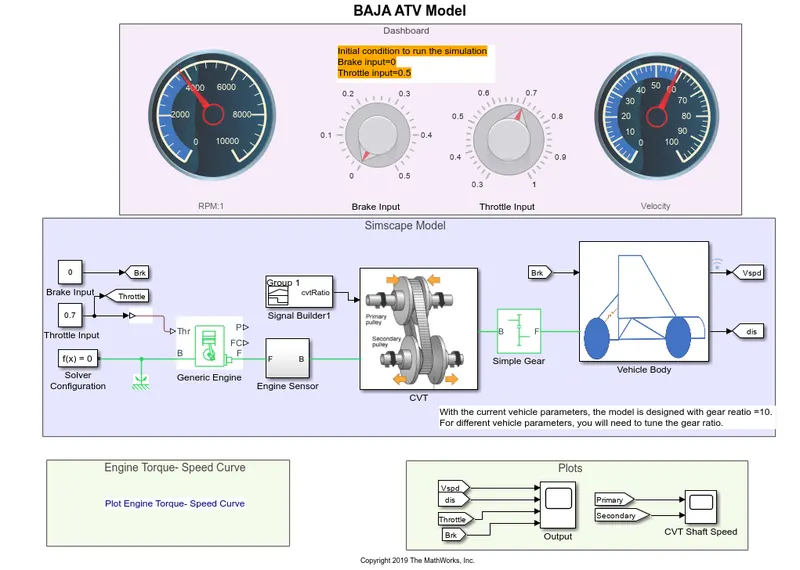
NOTE: All blocks are same as previous model. only change is that dashboard and cvt ratio signal.
EXPLANATION:
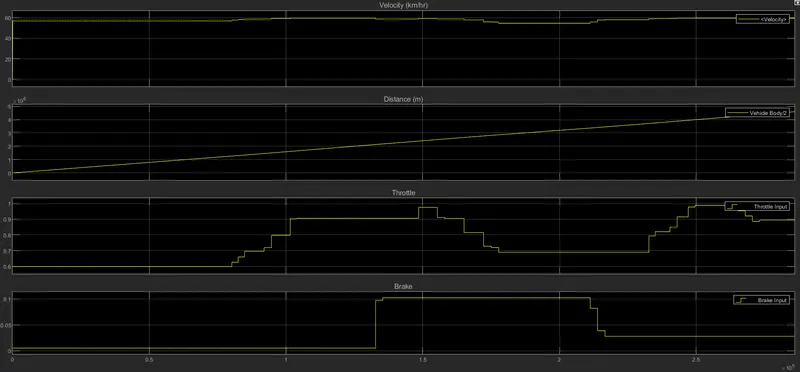
- As given in the waveform, we gave zero break input and a variable throttle input by using knob in dashboard.
- This input is connected to engine.
- The engine will give output as RPM, this output is given to ideal rotational motion sensor to sense RPM.
- Then this output is given to CVT.
Variables in workspace:
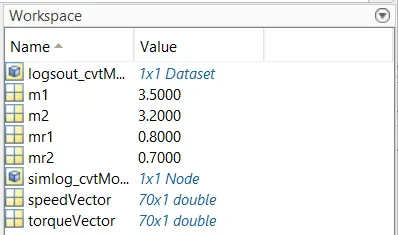
Speed-Torque curve:
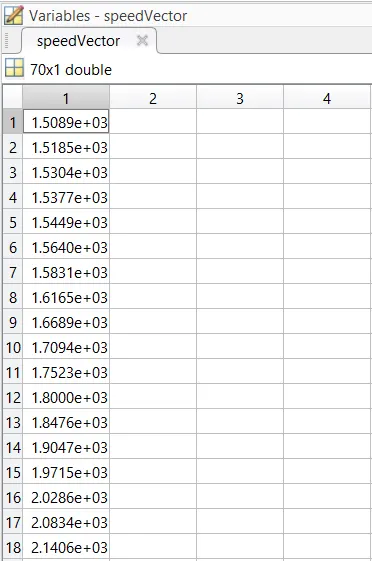
Speed vector:
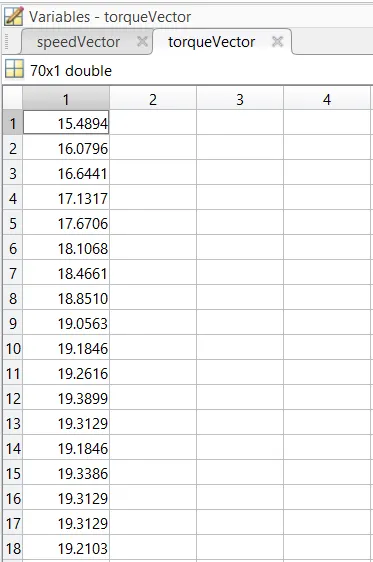
Torque vector:
CVT ratio input:
OUTPUT WAVEFORMS:
a) Vehicle speed:
- From the graph below, the vehicle speed is increases, when throttle input increases and decreases when throttle input decrases kepping break constant.
b)CVT Shaft speed:
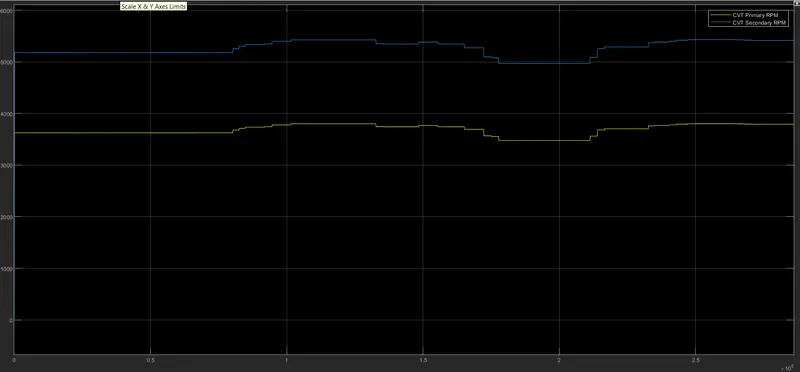
Increasing the brake input decreases the speed and increasing the throttle increases the speed and vice versa.
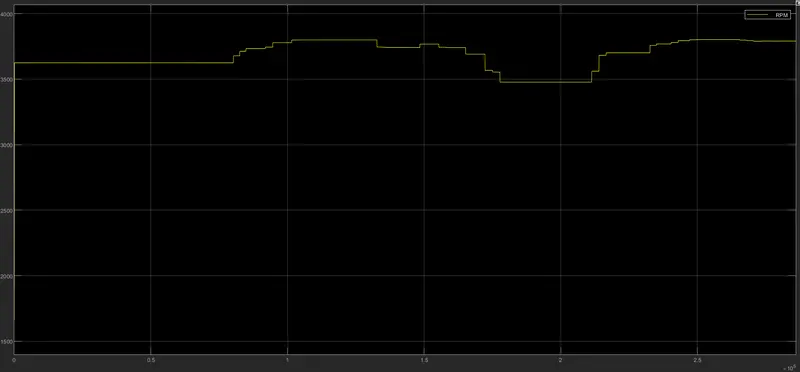
c) Engine RPM:
2) CLOSED LOOP SYSTEM:
i) BAJA ATV MODEL USING LOOKUPTABLE WITHOUT DASHBOARD:
CVT BLOCK:
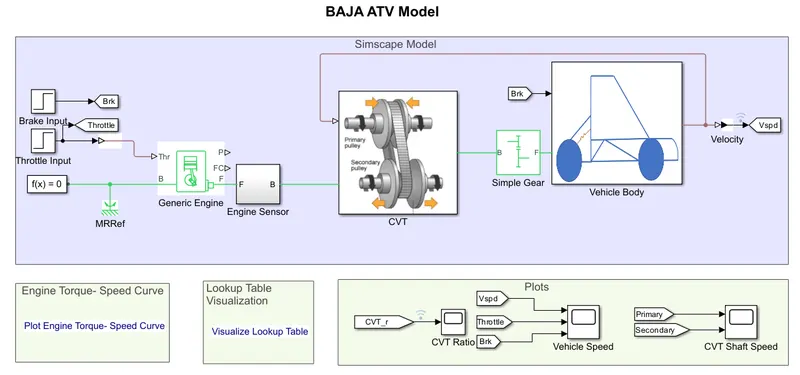
- In this model, we use lookup table for giving CVT ratio inplace of signalbuilder block.
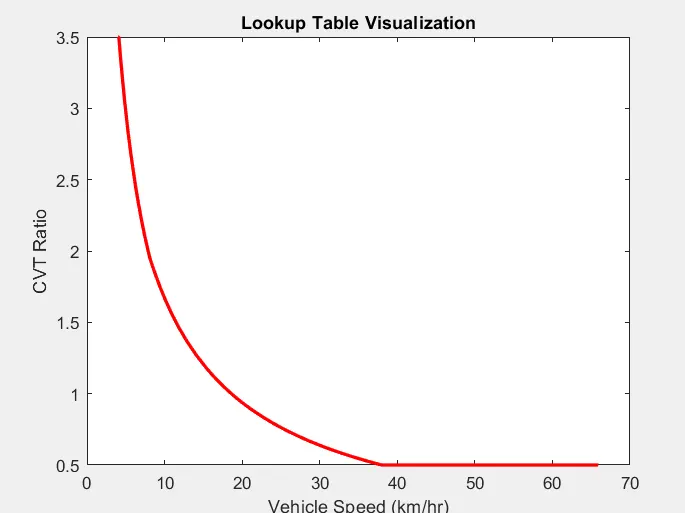
LOOKUP TABLE DATA:
- This is the table containing vehicle speed(kmph) and CVT ratio.
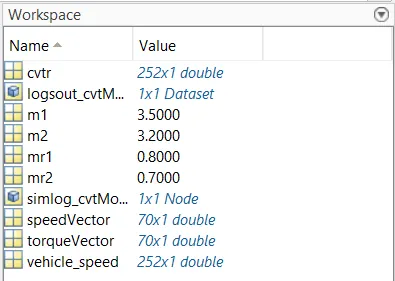
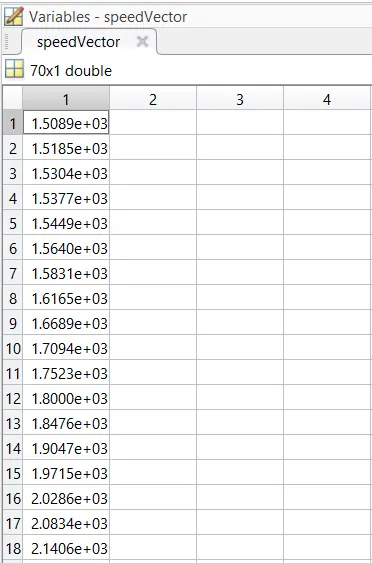
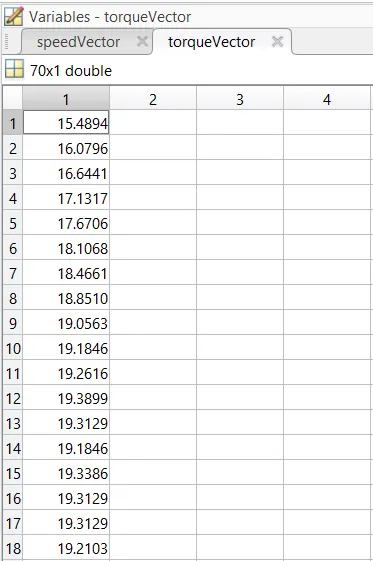
- CVT ratio data and vehicle speed data in work space are given below:
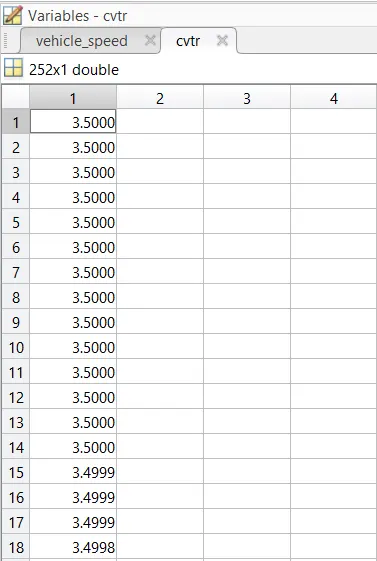
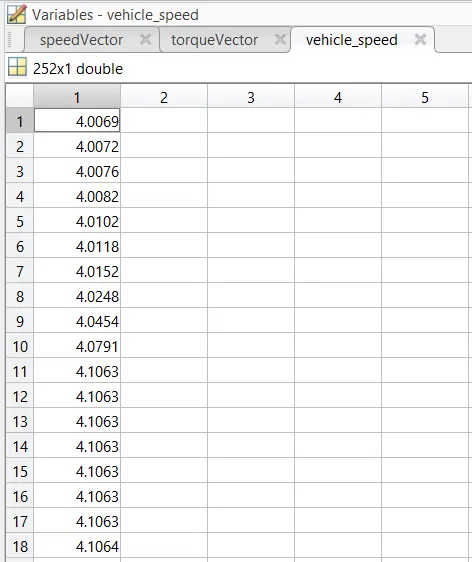
- This data is given to variable ratio gear block.
LOOKUP TABLE VISUALIZATION:
CVT ratio:
Variables in workspace:
1. Speed Vector:
2. Torque vector:
Speed-Torque curve:
OUTPUT WAVEFORMS:
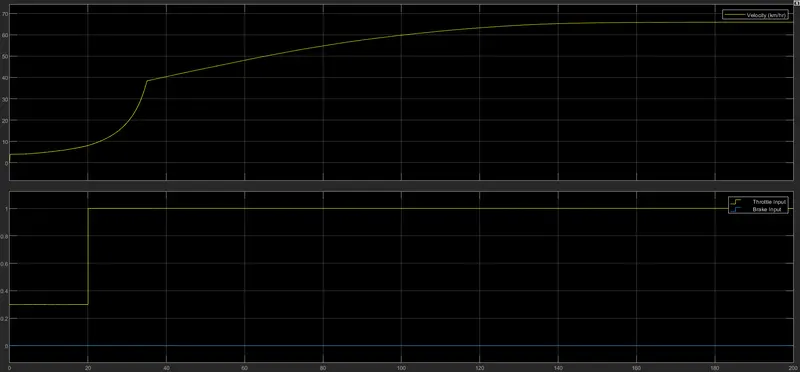
a) Vehicle speed
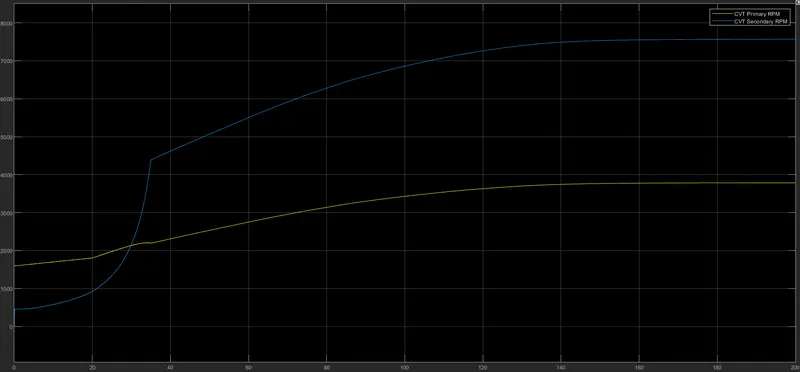
b)CVT Shaft speed
c) Engine RPM:
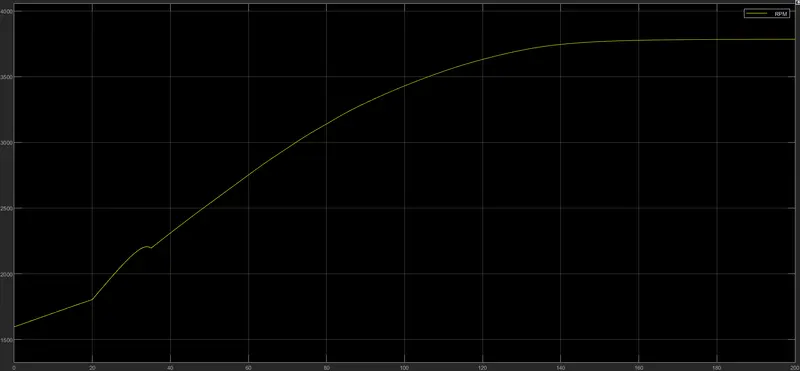
ii) BAJA ATV MODEL USING LOOKUPTABLE WITH DASHBOARD:
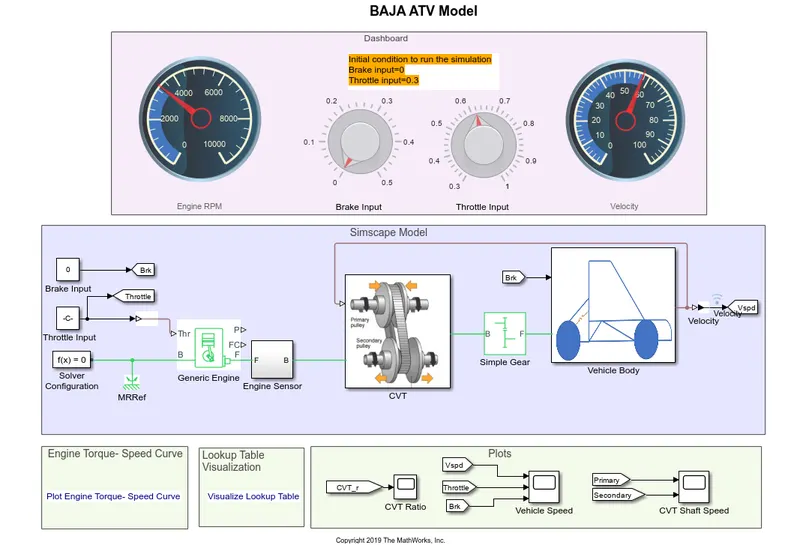
NOTE: All blocks are same as previous model. only change is that dashboard and cvt ratio signal.
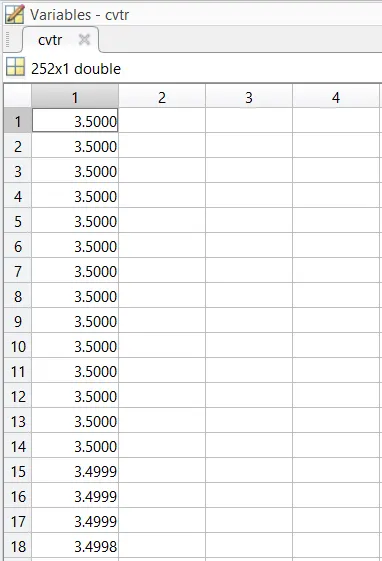
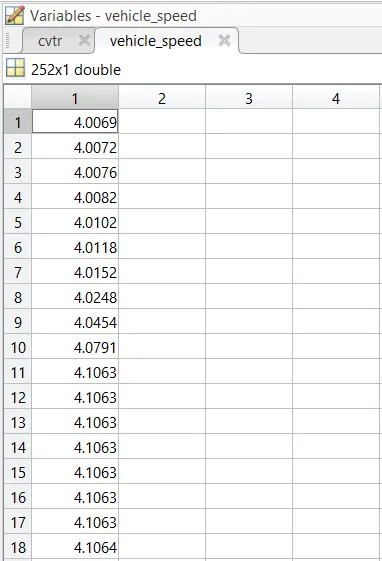
LOOKUP TABLE DATA:
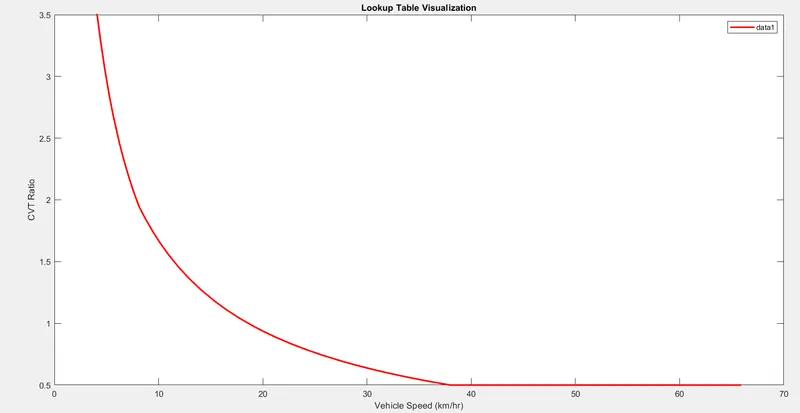
- This is the table containing vehicle speed(kmph) and CVT ratio.
- CVT ratio data and vehicle speed data in work space are given below:
VISUALIZED LOOKUP TABLE:
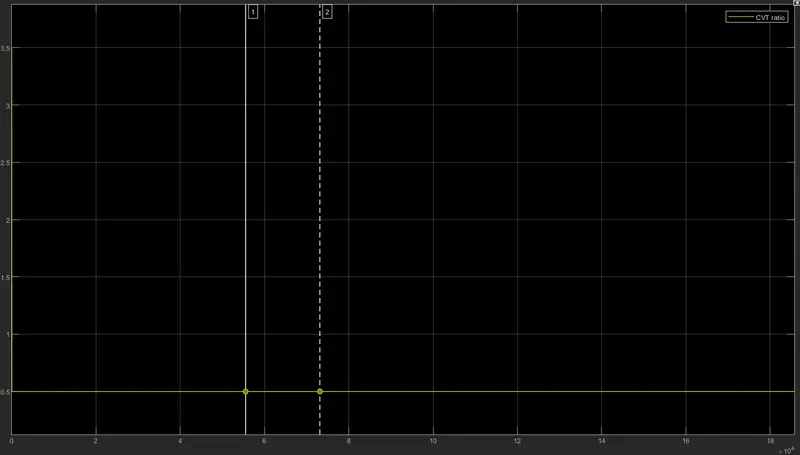
CVT Ratio:
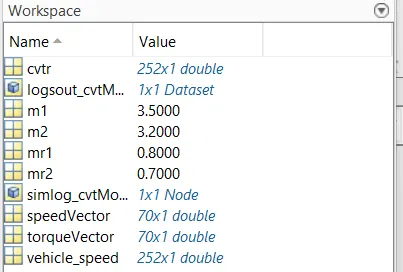
Variables in workspace:
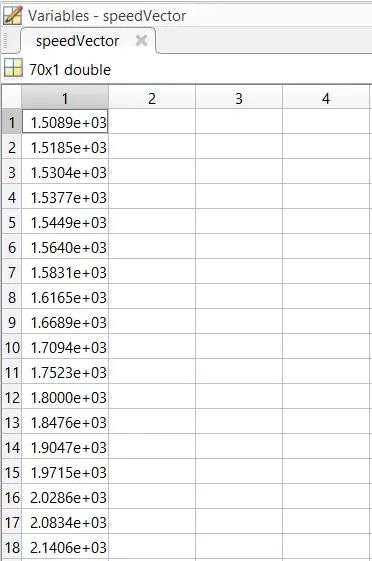
1. Speed vector:
2.Torque vector:
Speed-Torque vector:
OUTPUT WAVEFORMS:
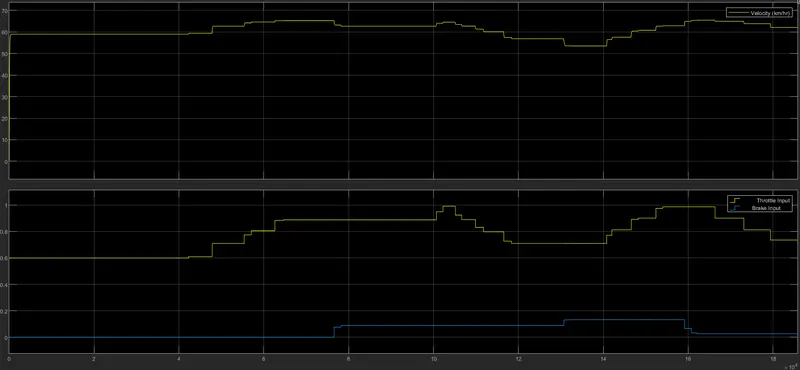
a) Vehicle speed:
b)CVT Shaft speed:
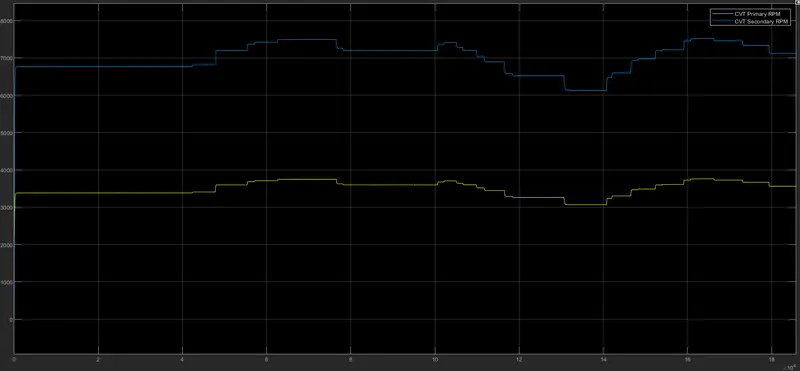
The speed varies as per the throttle and brake input. The secondary rpm follows the primary rpm linearly. Here, even if data for some values of velocity might be unavailable, the CVT ratio is still defined.
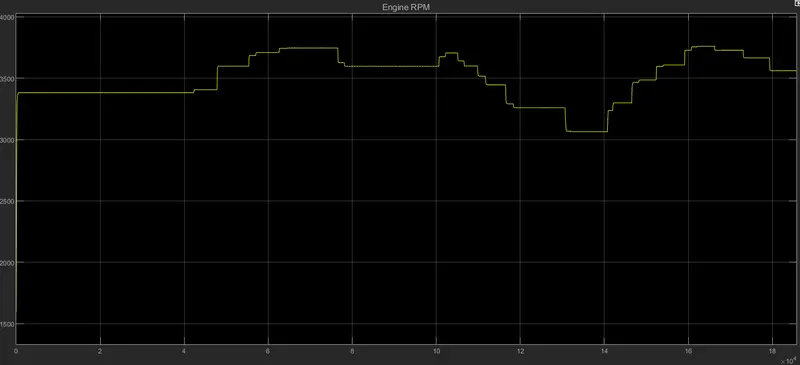
c) Engine RPM:
CONCLUSION: Therefore, the given BAJA ATV model was modelled and simulated sucessfully and from the results shown above, we can conclude that:
- As the throttle increases, the power input in the form of fuel to the engine increases and this, in turn, increases the rpm i.e. velocity of the shaft.
- The output speed i.e. the secondary rpm depends on brake (inversely proportional), throttle (directly proportional) and CVT Ratio (inversely proportional) at that instant.
- Lookup tables can extrapolate and interpolate the missing data points of the curve.
- Dashboard elements can take instantaneous input to provide instantaneous output.
------------------------------------------------------------------------------------------------------------------------