AUTOMOTIVE TECHNOLOGIES
1. AUTOMOTIVE TECHNOLOGIES IN INDUSTRY
OBJECTIVE:
A comprehensive survey of automotive industry trends to look forward to reveals information-centric technologies playing a central role in the future of the industry. The industry is adopting new technologies in its operations at an unprecedented scale.
INTRODUCTION:
Technologies such as artificial intelligence, big data, 5G, and the internet of things are revolutionizing the driving experience, optimizing our roads, and bringing safety, comfort, and lower fuel emissions. In addition to technologies such as artificial intelligence (AI) and big data & analytics that have been around for while, newer technologies such as the internet of things (IoT) and blockchain also find numerous applications in automotive.
AUTOMOTIVE TECHNOLOGIES IN INDUSTRY:
1. Autonomous Vehicles (Avs)
2. Vehicle Connectivity
3. Human-Machine Interfaces (HMI)
4. 3D Printing
1. AUTONOMOUS VEHICLES:
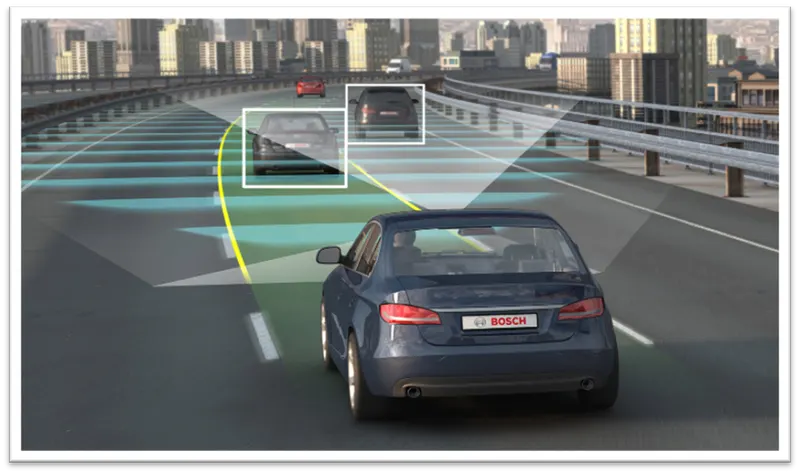
Self-driving or autonomous vehicles minimize the need for human drivers and look poised to transform everyday transportation. Fleets of AVs expand the scope of last-mile deliveries, reduce downtime, and aim to make public transportation relatively safer. For example, by reducing accidents caused due to driver fatigue or negligence. AVs are equipped with advanced recognition technologies, such as AI-enhanced computer vision to identify obstacles along the route.
2. VEHICLE CONNECTIVITY:
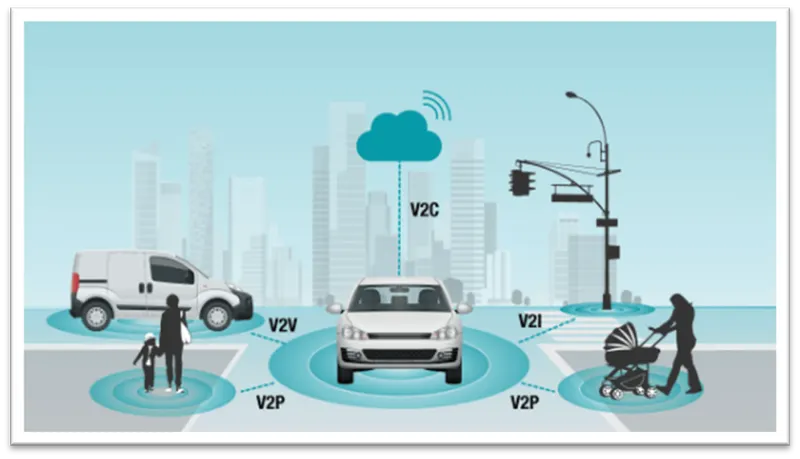
Nowadays, vehicles come with a tamper-proof digital identity that differentiates them from other vehicles in the network. This enables easy tracking of vehicular data for various use cases such as insurance, driver safety, predictive maintenance, and fleet management. Sharing vehicular data helps not just the individual customer, but overhauls the entire mobility ecosystem.
3. HUMAN-MACHINE INTERFACES (HMI):
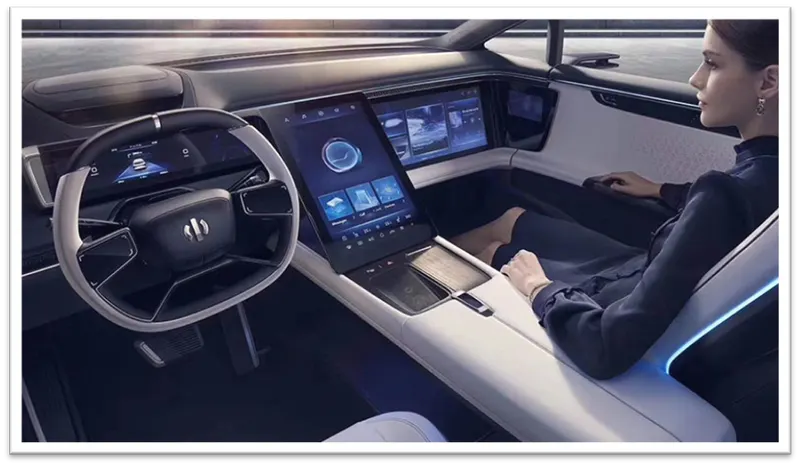
As self-driving cars and connected cars transform the automotive landscape, it will fundamentally change how drivers interact with vehicles. Human-Machine Interface use voice-based or haptic feedback to operate vehicles.
These expand the scope of how and what aspects of a car that users control. Consequently, such interfaces make the driving experience safer and more enjoyable. Another form of HMI includes smart virtual assistants who help drivers and riders interact with the vehicles and other service providers.
4. 3D PRINTING:
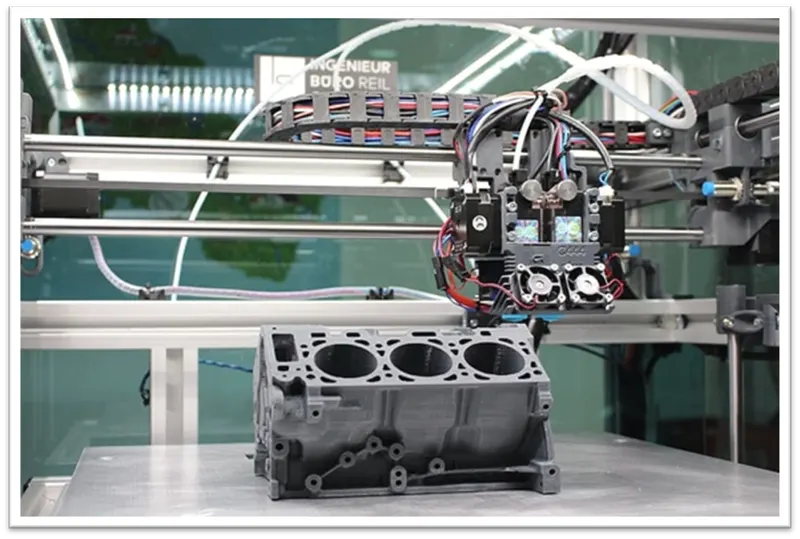
3D printing helps the automotive industry in three primary ways. Firstly, it enables rapid prototyping with 3D printed models that accelerate the design and testing phases of production. Secondly, it allows manufacturers to print spare parts to match their requirements. Lastly, additive manufacturing of composite materials leads to automotive parts that are lighter, stronger, and more durable.
CONCLUSION:
Additive manufacturing near production sites, AI-based automated inspections, the use of big data to inform design and production, and human-machine interfaces are reinventing the manufacturing processes for automotive players. The push for electric cars and driverless cars is strengthened by advancements in machine learning and IoT.
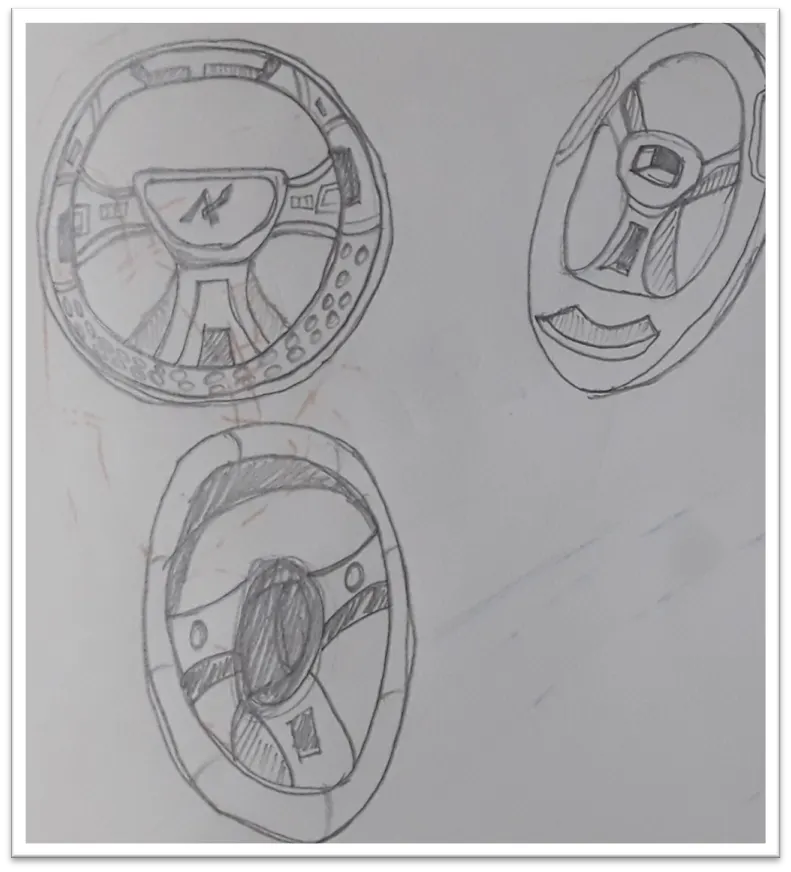
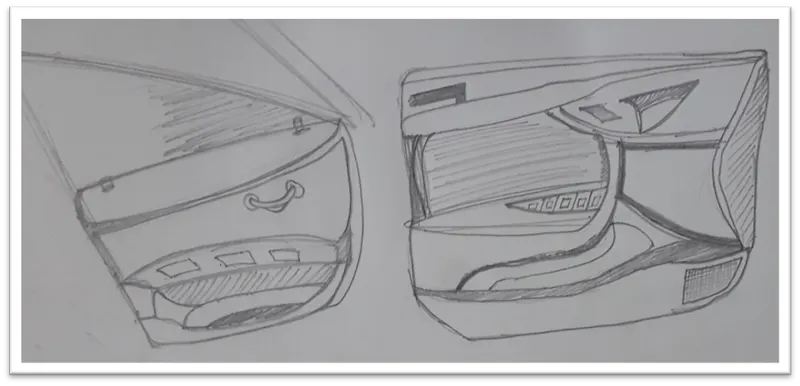
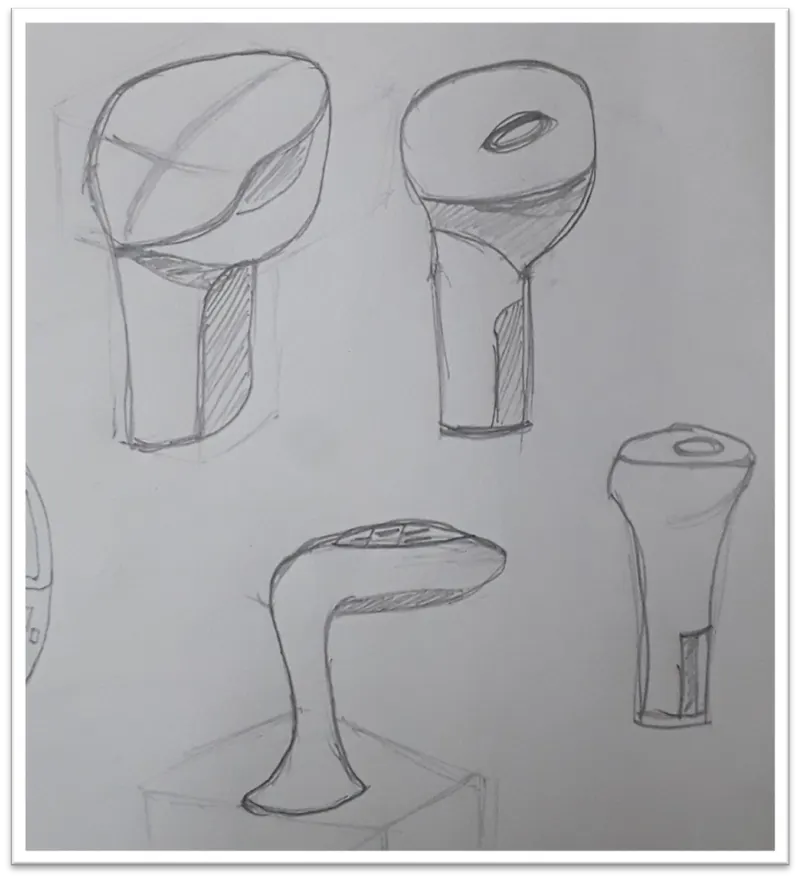
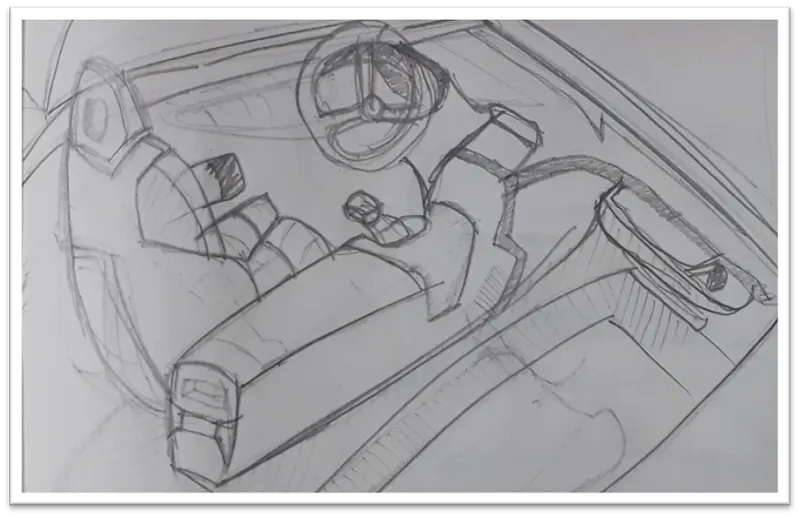
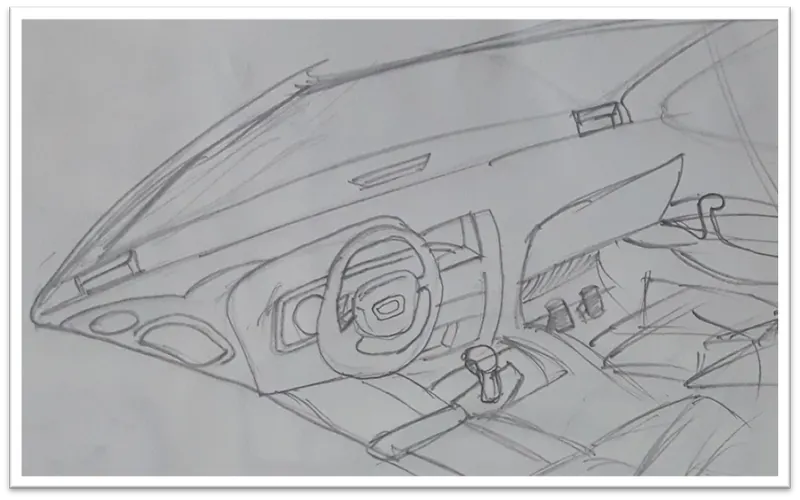
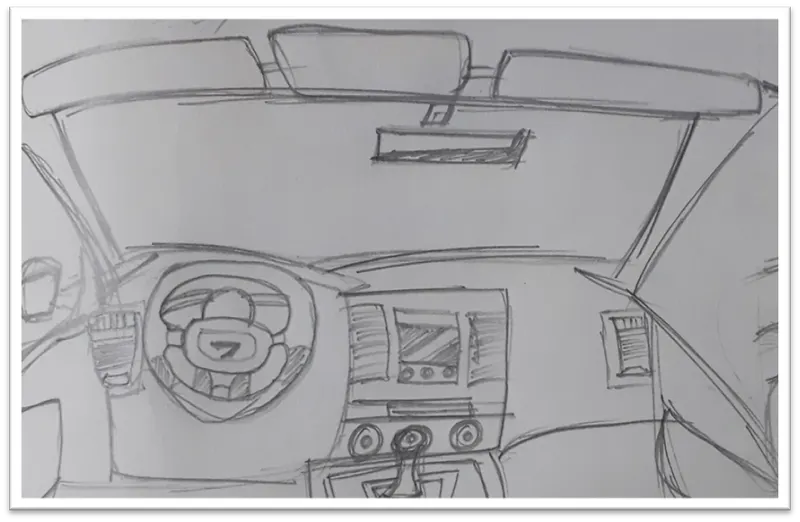
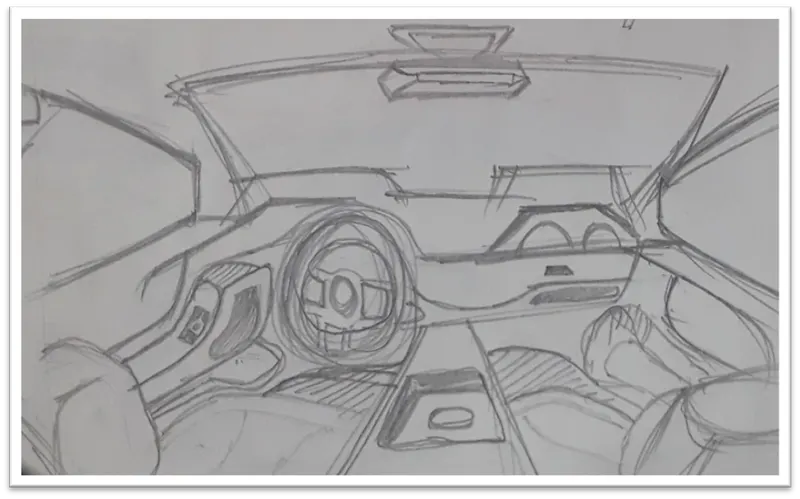
2. COMPONENTS OF INTERIOR:
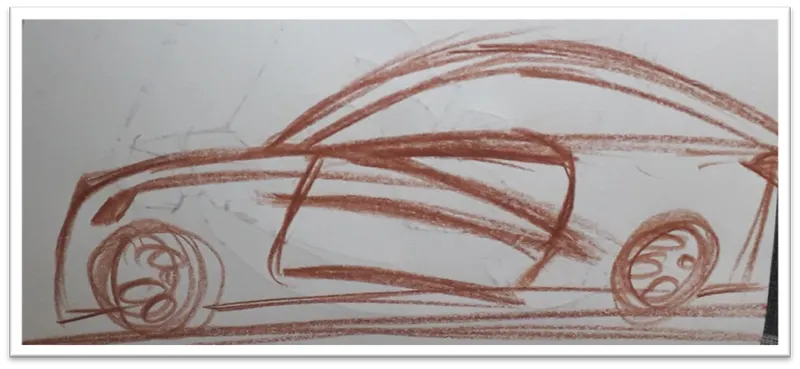
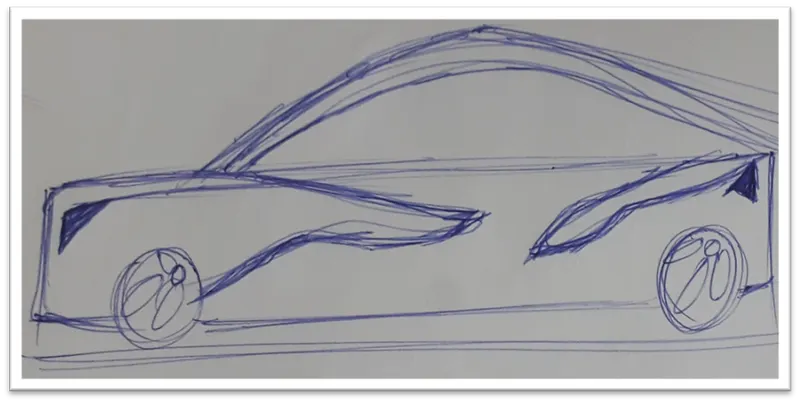
3. DIFFERENT MEDIUMS OF SKETCH:
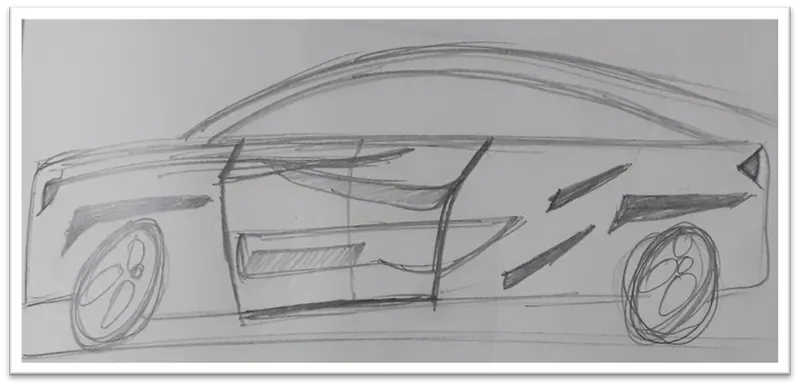
4. PRACTICE SKETCHING:
5. BASIC BEGINNER RULES FOR SKETCHING AND PRACTICING:
OBJECTIVE:
In this lesson we learn about the basic rules for beginners to sketching and practicing the Basic shapes.
INTRODUCTION:
- If you want to sketch something, first you will confident yourself for draw what you think.
- Take the good pencil and A3 or A4 sheets for sketching the basic shapes.
- Sketches should be dark. Because, lighter sketch is not good impression. You put the pencil perpendicular to the sheet to freely rotate the hand to sketch required shape.
- You should practice the basic shapes until familiar with it.
LINES:
- Line sketching you take the required sheets and pencil and hold the pencil perpendicular to the sheets and freely rotate the hand to draw the line.
- Line is creating to the sheets in parallel to existing line. And start and end potion of the sketch should be lighter and middle potion in darker than other.
CIRCLES:
- Circles are created by rotate the hand freely to circular shape, then it will create the respective sketch.
- In circle sketch it is difficult to create circular shape. So practice the circle regularly to achieve the required shape.
ARCS:
- In arcs are created by little curve, starting and ending potion are lighter than middle.
- If draw the sketch forward direction you also practice the Arc reverse direction.
- Arc are used in windshield area and curves are used in similar application also.
ELL IPSE:
- If you created the ellipse you will touch the four points, two vertical direction and two horizontal direction.
- You created the ellipse in horizontal direction and vertical direction. So you practice the shape regularly then you familiar with this basic shapes.
CONCLUSION:
In this lesson we learned about how to sketch the basic shapes and practicing the sketch. More important is Take the good pencil and hold the pencil perpendicular to the sheet to draw the required shape.