Project 2 Thermal modeling of battery pack
1. FOR A 10-CELL SERIES LITHIUM-ION BATTERY MODEL, SIMULATE THE THERMAL EFFECTS AND COMPARE LIFE CYCLE PERFORMANCE AT VARIOUS TEMPERATURES, CHARGE & DISCHARGE RATES USING MATLAB.
AIM:
Li-Ion battery:
- Li-ion battery are one of thr most widely used types of rechargeable battery, dominance continues to grow year over year. here's a brief overview of a technology thats has transcended generation in technology.
- a type of rechargeable battery that would one daypower pretty much everythig. from portable electronics to electric vehicle its a technology that has well and truly shaped the electronic industry and our world.
- little weight ,rechargeble and powerful battery used in everything from mobile phones , laptop,electric vehicle.it can be store the signifficant amount of energy from the solar and wind power making possible a fossil fuel free society.
what kind of procees in batteries :
- Li-ion battery are the energy storage system were used inHEV,PHEV &EV. most portable consumer electronic such as cell phones,laptap because of their high energy per unit mass relative to other electrical energy storage system.high power to weight ratio, high energy efficiency good high temperature performance and low self discharge.it can be recycled but cost of material recovery remains a challenge for the industry.
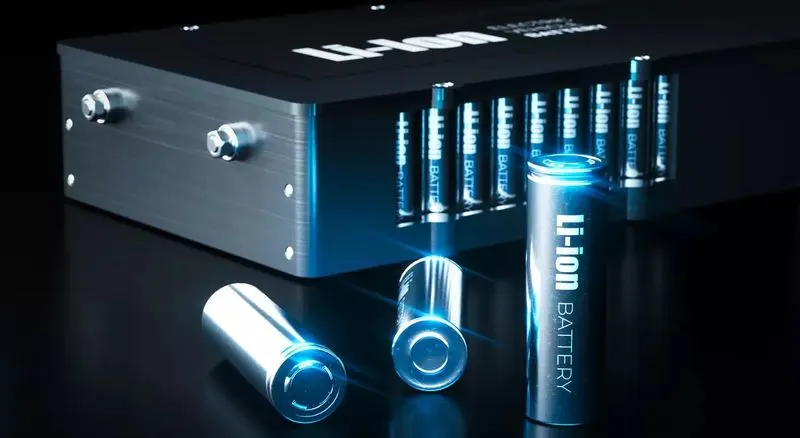
- Like any other battery, a rechargeable lithium-ion battery is made of one or more power-generating compartments called cells
- Each cell has essentially three components: a positive electrode (connected to the battery's positive or +ve terminal), a negative electrode (connected to the negative or -ve terminal) and a chemical called an electrolyte in between them
- The positive electrode is typically made from a chemical compound called lithium-cobalt oxide (LiCoO2) or in newer batteries, from lithium iron phosphate (LiFePO4)
- The negative electrode is generally made from carbon (graphite) and the electrolyte varies from one type of battery to another - but isn't too important in understanding the basic idea of how the battery works
- All lithium-ion batteries work in broadly the same way. When the battery is charging up, the lithium-cobalt oxide, positive electrode gives up some of its lithium ions, which move through the electrolyte to the negative, graphite electrode and remain there
- The battery takes in and stores energy during this process. When the battery is discharging, the lithium-ions move back across the electrolyte to the positive electrode, producing the energy that powers the battery
- In both cases, electrons flow in the opposite direction to the ions around the outer circuit. Electrons do not flow through the electrolyte: it's effectively an insulating barrier, so far as electrons are concerned
- The movement of ions (through the electrolyte) and electrons (around the external circuit, in the opposite direction) are interconnected processes, and if either stops so does the other
- If ions stop moving through the electrolyte because the battery completely discharges, electrons can't move through the outer circuit either - so you lose your power
- Similarly, if you switch off whatever the battery is powering, the flow of electrons stops and so does the flow of ions
- The battery essentially stops discharging at a high rate (but it does keep on discharging, at a very slow rate, even with the appliance disconnected)
- Unlike simpler batteries, lithium-ion ones have built in electronic controllers that regulate how they charge and discharge
- They prevent the overcharging and overheating that can cause lithium-ion batteries to explode in some circumstances
advantage of li-ion batteries:
- Compared to the other high-quality rechargeable battery technologies (nickel-cadmium or nickel-metal-hydride), Li-ion batteries have a number of advantages
- They have one of the highest energy densities of any battery technology today (100-265 Wh/kg or 250-670 Wh/L)
- In addition, Li-ion battery cells can deliver up to 3.6 Volts, 3 times higher than technologies such as Ni-Cd or Ni-MH
- This means that they can deliver large amounts of current for high-power applications, which has Li-ion batteries are also comparatively low maintenance, and do not require scheduled cycling to maintain their battery life
- Generally, lithium ion batteries are more reliable than older technologies such as nickel-cadmium (NiCd, pronounced "nicad") and don't suffer from a problem known as the "memory effect" (where nicad batteries appear to become harder to charge unless they're discharged fully first)
- Since lithium-ion batteries don't contain cadmium (a toxic, heavy metal), they are also (in theory, at least) better for the environment, although dumping any batteries (full of metals, plastics, and other assorted chemicals) into landfills is never a good thing
- Compared to heavy-duty rechargeable batteries (such as the lead-acid ones used to start cars), lithium-ion batteries are relatively light for the amount of energy they store
disadvantage of li-ion battery:
- As a power source for automobiles, we really need to compare them not with other types of batteries but with gasoline
- Despite considerable advances over the years, kilo for kilo, rechargeable batteries still store only a fraction as much energy as ordinary gas
- In more scientific words, they have a much lower energy density (they store less energy per unit of weight). That also explains why you can fully "recharge" (refuel) a gas-powered automobile in a couple of minutes
- Whereas it'll generally take you hours to recharge the batteries in an electric car. Then again, you have to bear in mind that these disadvantages are balanced by other advantages
- Such as the greater fuel economy of electric cars and their relative lack of air pollution (zero tailpipe/exhaust emissions from the vehicle itself)
- Li-ion batteries have a tendency to overheat, and can be damaged at high voltages. In some cases this can lead to thermal runaway and combustion
- This has caused significant problems, notably the grounding of the "Boeing 787" fleet after onboard battery fires were reported
- Because of the risks associated with these batteries, a number of shipping companies refuse to perform bulk shipments of batteries by plane,
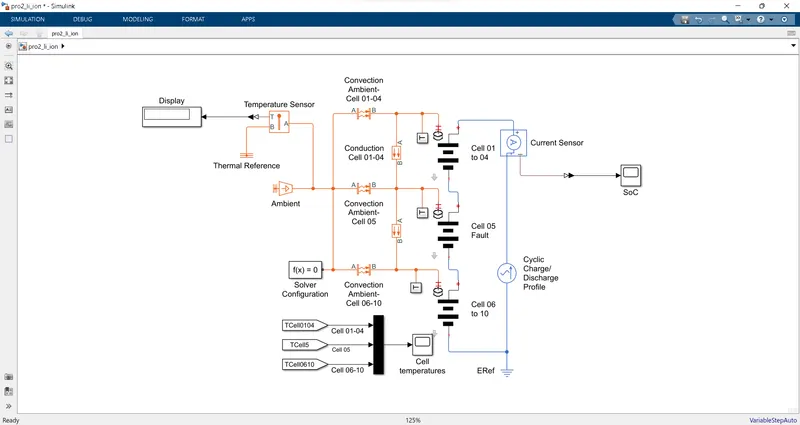
Simulink model:
note:below workout file only for reference its take from matlab document
This example shows how to simulate a battery pack consisting of multiple series-connected cells in an efficient manner. It also shows how a fault can be introduced into one of the cells to see the impact on battery performance and cell temperatures. For efficiency, identical series-connected cells are not just simply modeled by connecting cell models in series. Instead a single cell is used, and the terminal voltage scaled up by the number of cells. The fault is represented by changing the parameters for the Cell 10 Fault subsystem, reducing both capacity and open-circuit voltage, and increasing the resistance values.
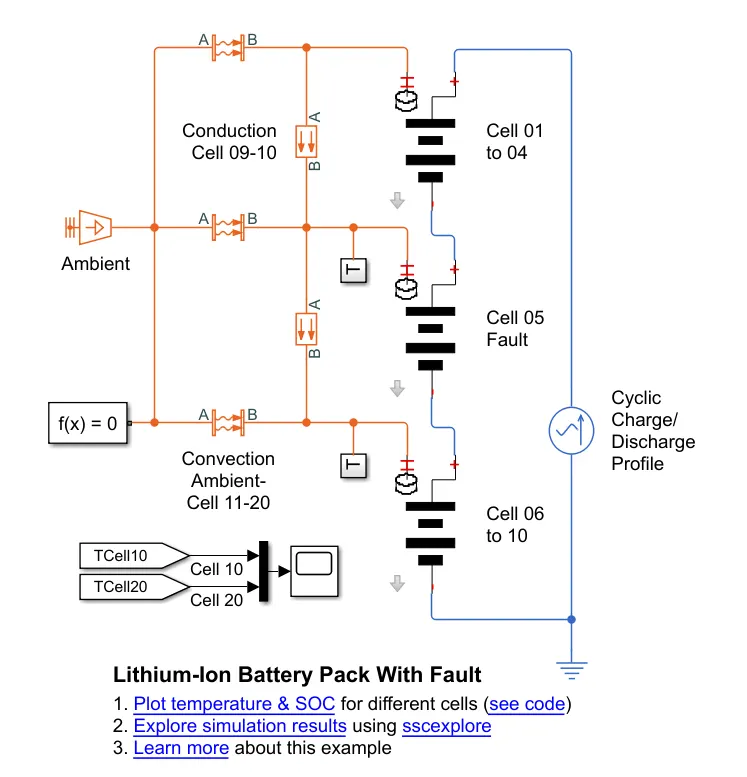
model:
RC lithium battery:
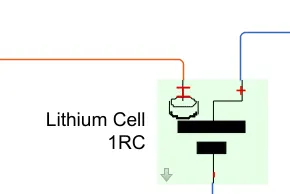
li-ion block represents an ideal lli-ion cell used in abattery pack along with thermal ports. connection + and - are electriacl consving ports through which the cells are inserted into the circuit. thermal port used for futhert thermal network connection.
block parameter:
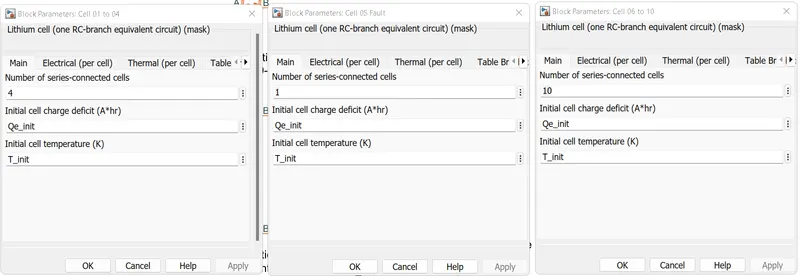
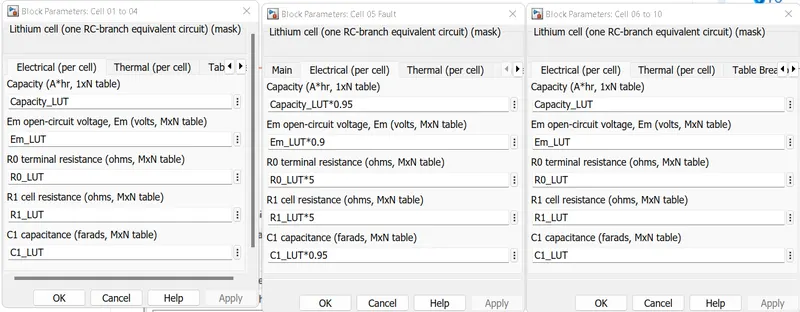
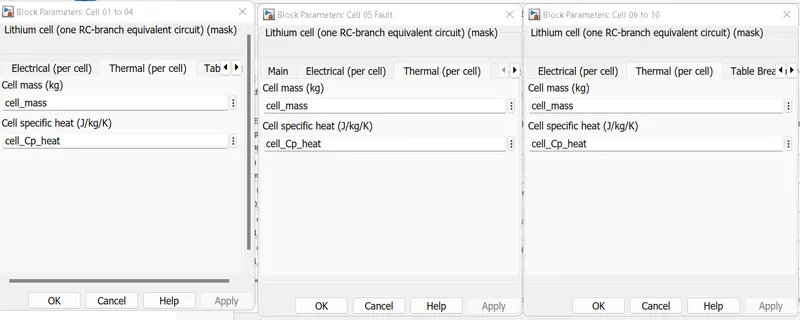
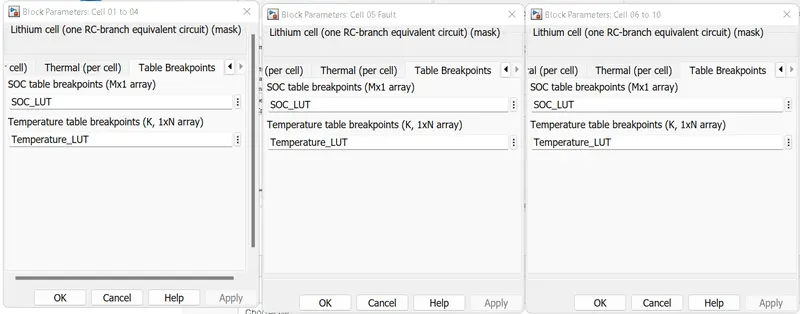
above input of each cells are electrical and thermal paramters from matlab workspace. input are below
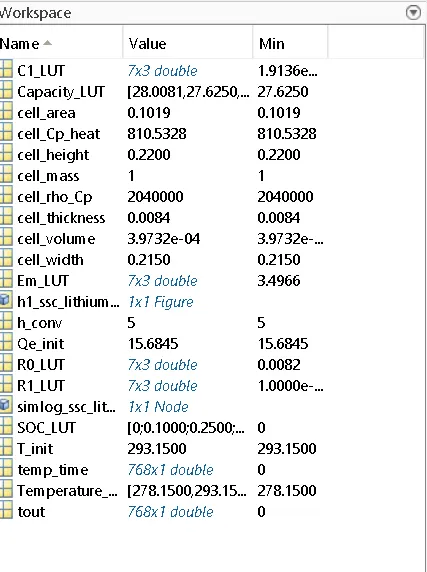
subsystem of lithium cell blocks and paramters
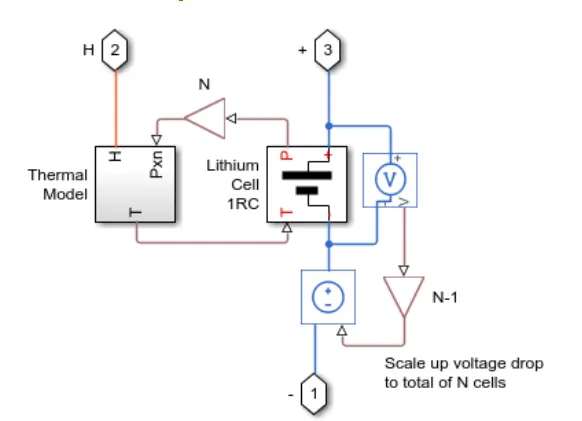
- inside the battery it contain thermal model subsystem and lithium cell 1RC block help to calculate the battery temperature adn thermal effect.
- Voltage sensor: This block represents an ideal voltage sensor, that is a device that converts voltage measured between any electrical connections into a physical signal proportional to the voltage
- Controlled voltage source: This block represents an ideal voltage source that is powerful enough to maintain the specified voltage at its output regardless of the current flowing through the source
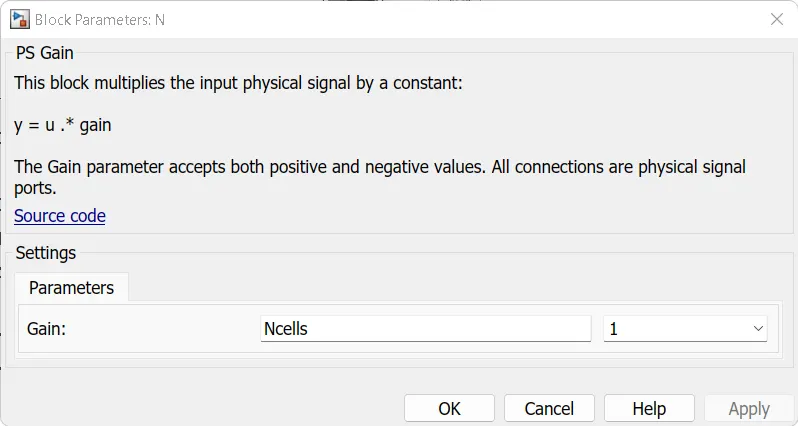
- PS gain: This block performs element-wise multiplication of the input physical signal by a constant value (gain). You specify the gain as the Gain parameter value and unit
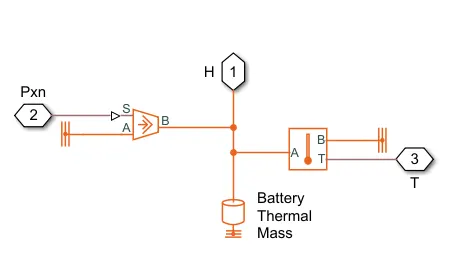
inside the thermal model it contains the ambient temperture of contolled heat flow rate source block, temperature sensor to sense the rate of temperature and battery thermal mass block.
- Inside of lithium cell 1RC has consists of capacitance value table which depends on an external physical signal inputs SOC and T
- It is assumed that the capacitance value is slowly varying with time, and hence the equation i = C*dv/dt holds
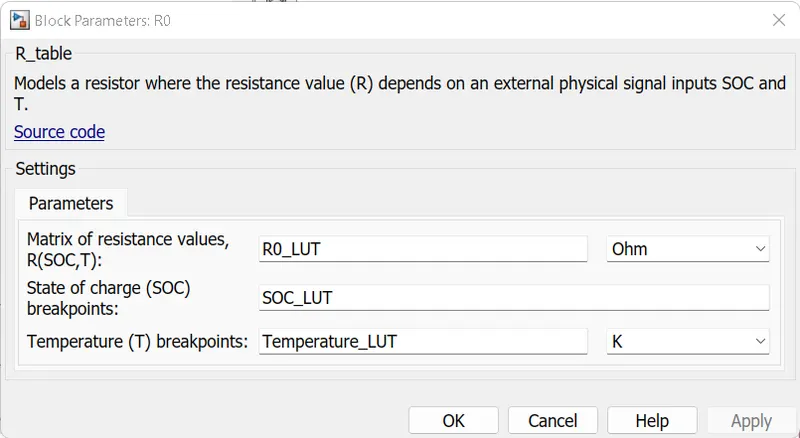
- Resistance value (R) table which depends on an external physical signal inputs SOC and T
- Voltage value (EM) which implements the cell's main branch voltage source, and determines values for capacity (C) and state of charge (SOC). The defining equations depend on cell temperature, T
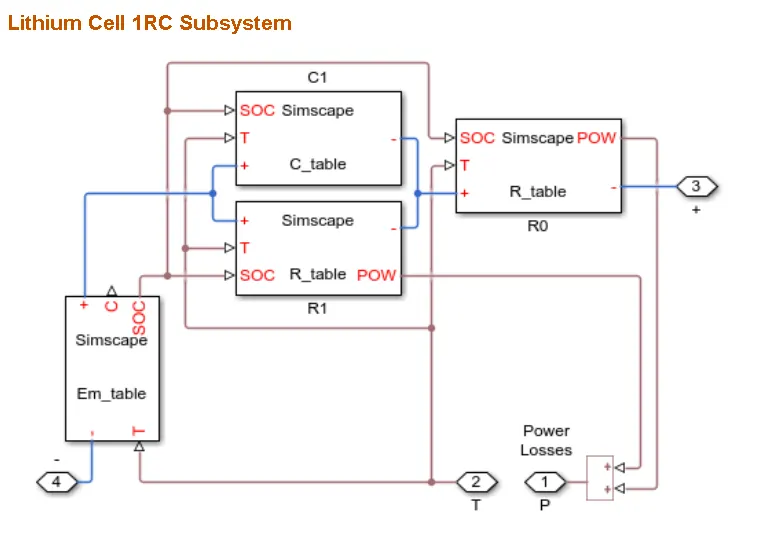
- Em_table: This block implements the cell's main branch voltage source, and determines values for capacity (C) and state of charge (SOC). The defining equations depend on cell temperature, T
- C1_table: Models a capacitor where the capacitance value (C) depends on an external physical signal inputs SOC and T. It is assumed that the capacitance value is slowly varying with time, and hence the equation i = C*dv/dt holds
- R1_table: Models a resistor where the resistance value (R) depends on an external physical signal inputs SOC and T
- R0_table: Models a resistor where the resistance value (R) depends on an external physical signal inputs SOC and T
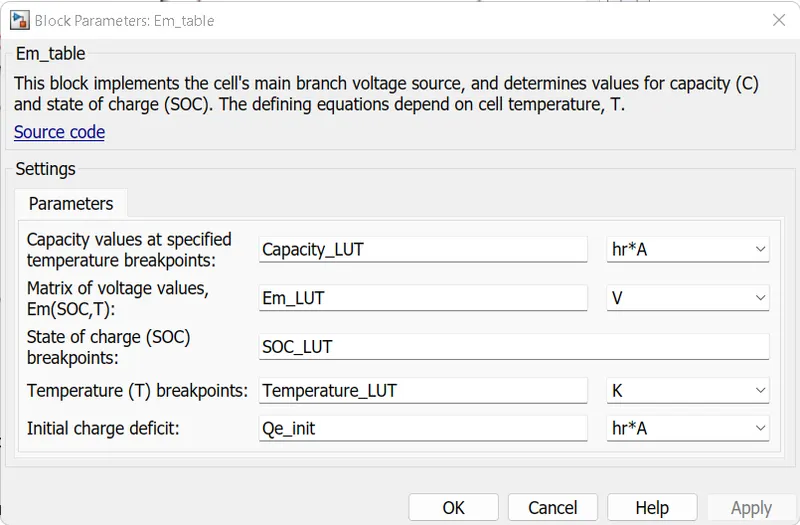
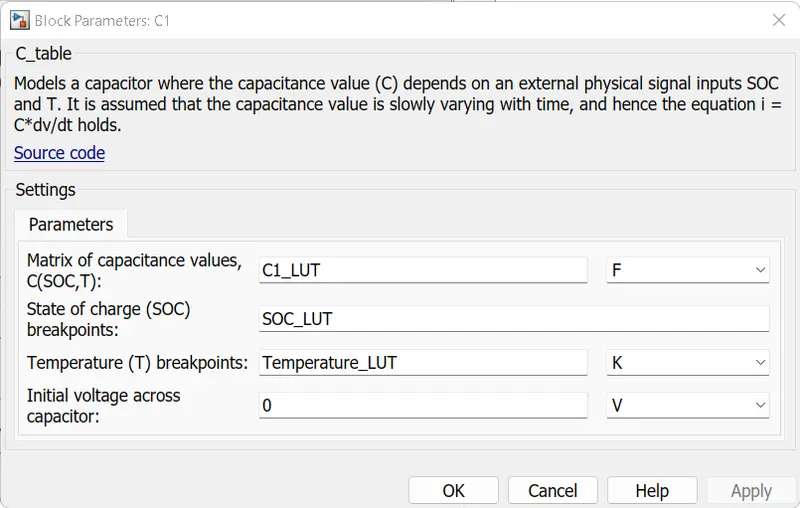
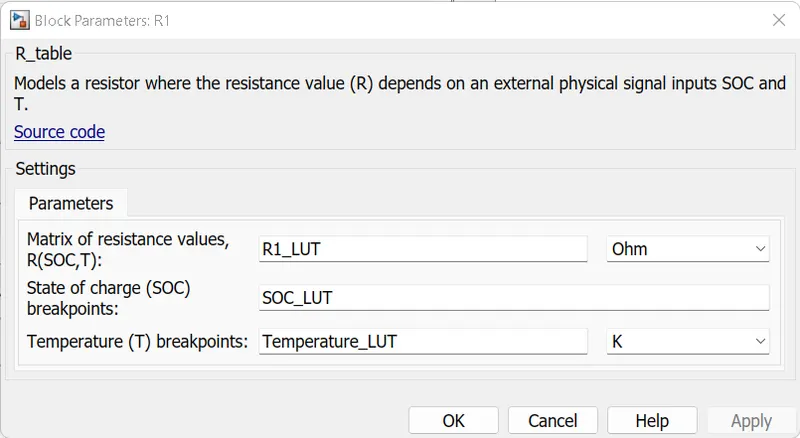
following show the each assigned excel variables of the cells resistance andn capacitance value as follows from workspace.

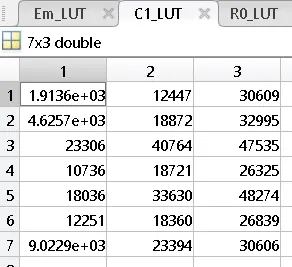
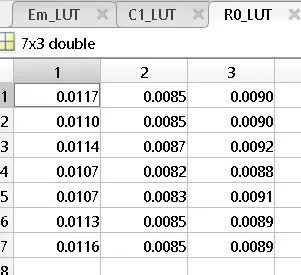
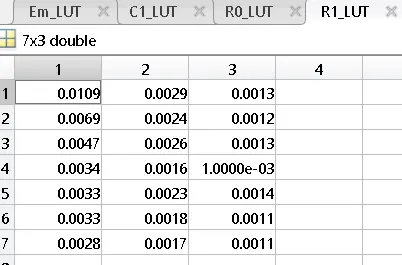
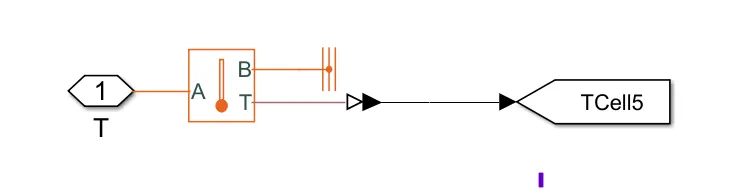
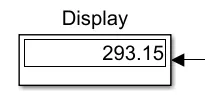
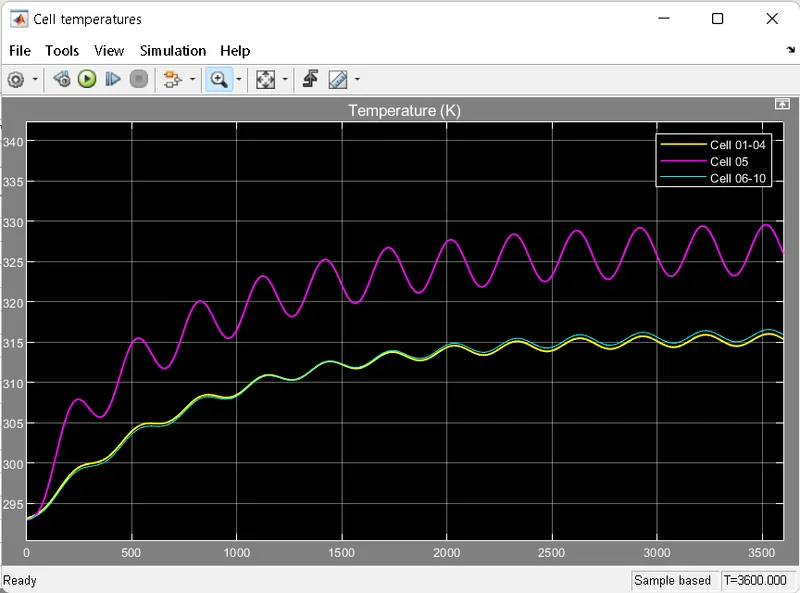
Tempursteure reading : this subsystem helps to get the readding of each cells temperature while charging and discharging as respectively
conductive heat transfer:
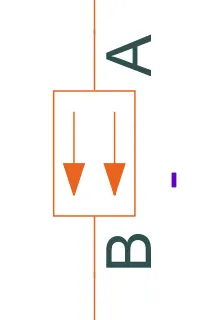
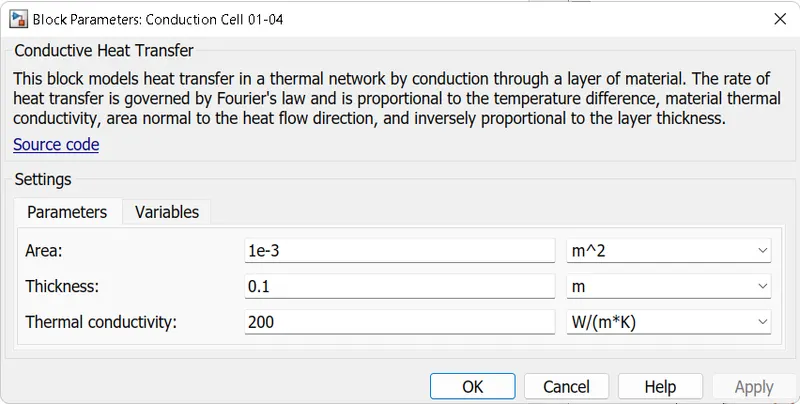
- The Conductive Heat Transfer block represents a heat transfer by conduction between two layers of the same material
- The transfer is governed by the Fourier law and is described with the following equation:
Q=k⋅AD(TA-TB)">Q=k⋅AD(TA−TB)Q=k⋅AD(TA-TB) - Connections A and B are thermal conserving ports associated with material layers. The block positive direction is from port A to port B. This means that the heat flow is positive if it flows from A to B
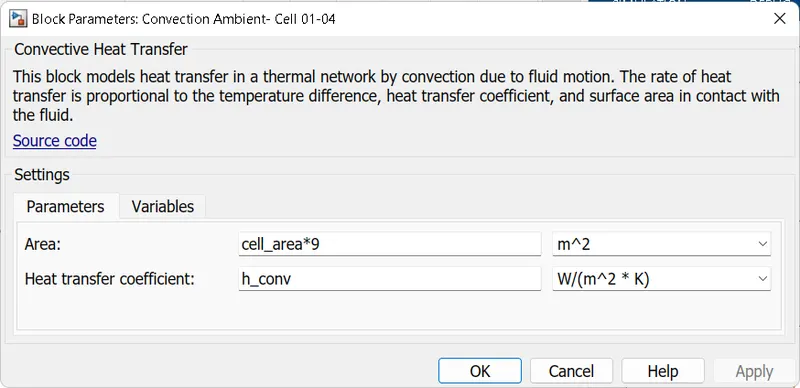
Convective heat transfer:
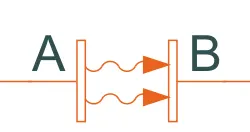
- The Convective Heat Transfer block represents a heat transfer by convection between two bodies by means of fluid motion
- The transfer is governed by the Newton law of cooling and is described with the following equation:
Q=k⋅A⋅(TA-TB)">Q=k⋅A⋅(TA−TB)Q=k⋅A⋅(TA-TB) - Connections A and B are thermal conserving ports associated with the points between which the heat transfer by convection takes place
- The block positive direction is from port A to port B. This means that the heat flow is positive if it flows from A to B
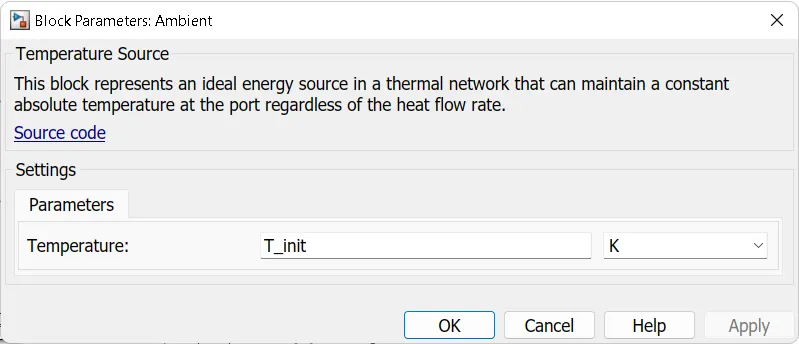
temperature Source:
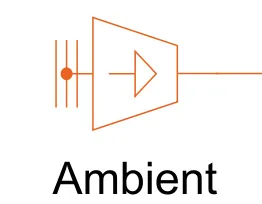
- This Temperature Source block represents an ideal source of thermal energy that is powerful enough to maintain specified temperature at its outlet regardless of the heat flow consumed by the system
- The source generates constant absolute temperature, defined by the Temperature parameter value
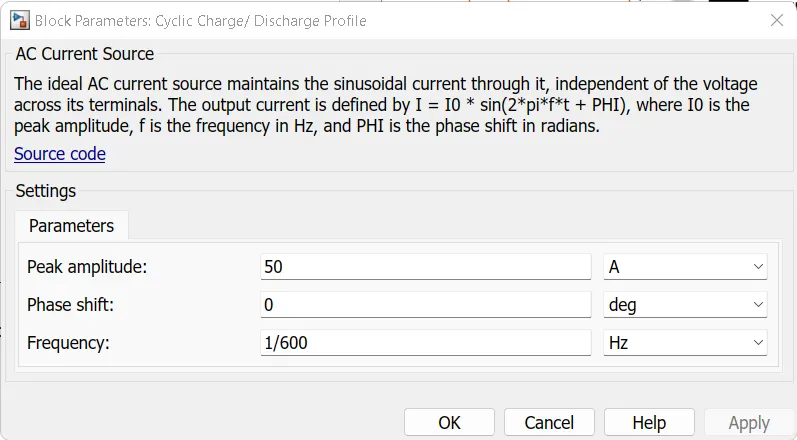
AC Current Source:
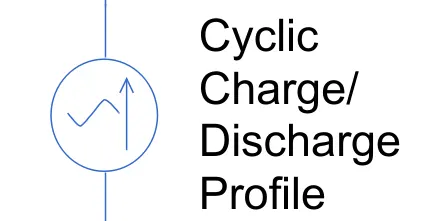
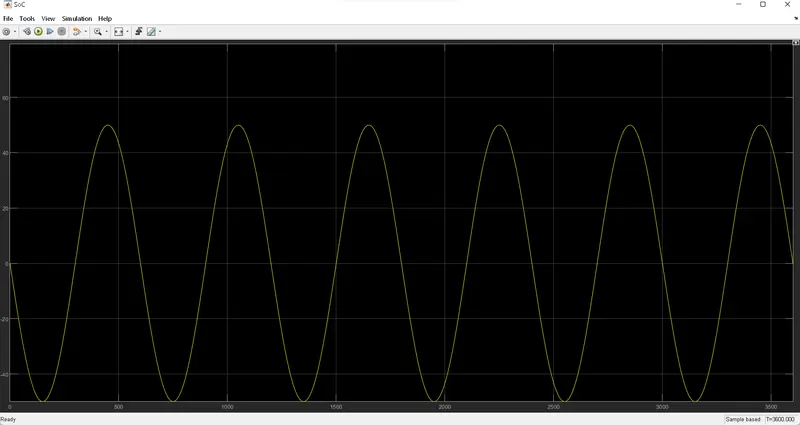
- The AC Current Source block represents an ideal current source that maintains sinusoidal current through it, independent of the voltage across its terminals
- The output current is defined by the following equation:
I=I0⋅sin(2π⋅f⋅t+φ)">I=I0⋅sin(2π⋅f⋅t+φ)I=I0⋅sin(2π⋅f⋅t+φ) - The positive direction of the current flow is indicated by the arrow
plots:
case 1
Case 2:
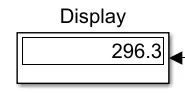
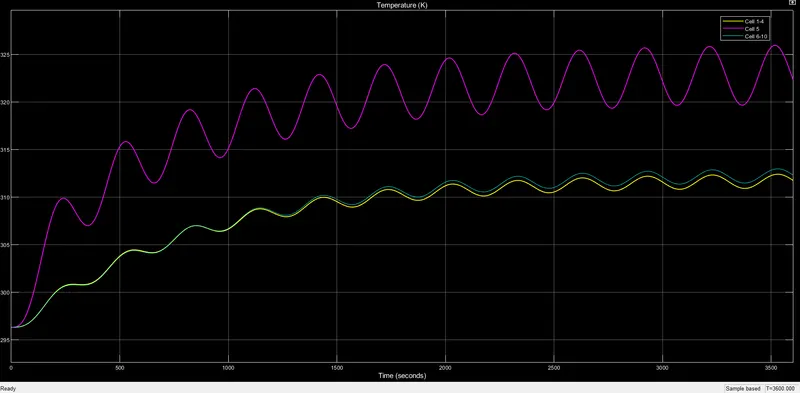
Case 3
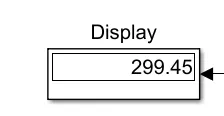
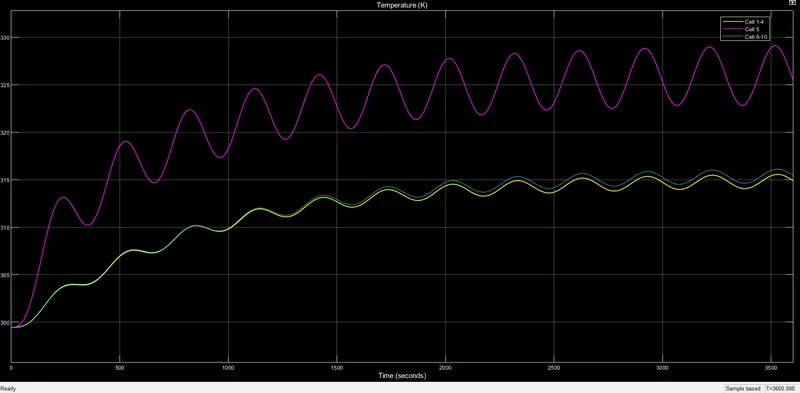
Reference:
- Lithium battery model with thermal effects - https://www.youtube.com/watch?v=DN7aA3-fxyk
- https://in.mathworks.com/help/physmod/simscape/ug/lithium-ion-battery-pack-with-fault.html?s_tid=srchtitle_lithium%20battery_3