Project 2
Project A: Urinary system:
1)The urinary system’s function is to ensure the filtration of the blood and create urine as a waste product. Mainly, the urinary system includes, kidneys, renal pelvis, ureters, bladder and urethra. When the body takes nutrients from the food and converts into energy, there are certain components that remains as waste products in the bowel and the blood. As a result, the kidney and urinary system eliminates the liquid waste called urea while also maintaining the balance of the essentials like potassium, sodium and water in the body.
Currently, some of the common urological conditions include urinary tract infection, kidney stones, bladder problems, prostate conditions. Kidney stones can be formed when mineral and acid salts in the urine begin crystallizing and stick together. In such cases, if the stones are smaller in size, they can pass easily through urine. However, large stones cannot pass through the urinary tract. Therefore, surgical procedures are required to remove the kidney stones. Another condition is the loss of bladder control wherein the sphincter muscles of the urethra are weak or too active to perform the regular functions. If the sphincter muscle is weak then even a cough or sneeze can cause urination and this is observed in older men and women. In contrast, if this muscle is too active then it can create a strong urge for urination even if the urine content is less in the bladder. This condition is observed more in women than men and it becomes common with age.
Fluid filled cysts development in the kidney is another critical concern. This condition occurs when a kidney cyst or a cluster of cysts forms inside the kidneys and takes the place as normal tissues. In this condition, the kidneys are enlarged leading poor functioning of the organ. Such disease falls under the category of polycystic kidney disease that may also lead to kidney failure that require kidney transplantation. Similarly, acquired cystic kidney disease occurs when patients are already dialysis because of chronic kidney disease.
Chronic kidney disease is another condition of the urinary system where the kidneys end up being damaged and unable to filter blood properly. As such waste buildup and elimination is not proper which can cause several problems including kidney failure. Chronic kidney disease is also closely associated with other diseases like diabetes or heart disease and even high blood pressure.
When we consider homeostasis of the urinary system, some of the common examples include:
Vitamin D synthesis: Generally, for vitamin D activation, hydroxylation reaction in the kidney is essential. When vitamin D is activated, it helps in absorption calcium chloride in the digestive tract and reabsorption in the kidney. In addition, it helps maintain the regular serum concentration of calcium that is necessary for bone health, muscle contraction, hormone secretion and more. Inadequate calcium in the body may lead to conditions like osteoporosis and cell proliferation and blood clotting. Many studies consider it as a hormone but it is highlighted in recent years that it is Vitamin D receptors that is present in most cells which signifies the importance of vitamin D synthesis.
Other aspects of homeostasis in the urinary system is associated with erythropoiesis where amino acid protein is responsible for formation of red blood cells in the bone marrow. This production is primarily done by the kidney and the remaining by the liver.
Water homeostasis is a process that involves balancing the water by balancing the urine output against water intake. This process in essential for the human body as it continuously maintains the supply of water to replenish the fluids lost during different physiological activities such as respiration, sweating or urination. Water homeostasis is managed by the process called hypothalamus that creates the sensation of thirst and the willingness to ingest water. Generally, the osmoreceptors in the hypothalamus detect the changes in the plasma osmolarity and depending on the osmolarity changes in the blood, water diffusion in and out of the osmoreceptor cells changes. When the detectors sense a high plasma osmolarity, they send signals to the hypothalamus resulting in the creation of the thirst sensation. Osmoreceptors are also responsible for the stimulation of vasopressin (ADH) secretion to ensure that the plasma osmolarity levels are back to normal.
Next, we have blood pressure regulation which is closely associated with how effectively the kidneys operate to recover water from urine formation. Lack of water recovery may result in loss of glucose control that results in osmotic dieresis that can cause dehydration and even death. When kidneys operate alongside the lungs, liver and the adrenal cortex, the liver is responsible for synthesizing and secreting the inactive precursor angiotensinogen. Therefore, a loss of renal functions can cause vascular volume control, and low blood pressure.
pH regulation is maintained by the proper functioning of the kidney. In general, the imbalance of pH regulation would hamper vital functions in the body such as hormone binding, central nervous system signaling and ocardial contraction.
Another homeostasis function is the recovery of electrolytes. The balance is maintained by regulating the levels of sodium, calcium and potassium. If this regulation fails, there can be severe conditions such as nerve conduction, cardiac muscle contraction and rhythm and also some skeletal muscle functions.
2) Diagnostic methods: Some of the most commonly used diagnostic methods for diagnosing disease of the urinary system include:
X-ray that are used to detect certain kidney stones and monitoring their position and growth. However, all of the clinical information may not be visible in the x-ray.
Ultrasonography is recommended when the clinician wants to obtain image of the urinary tract stones, or swellings and lumps in the areas like kidney, bladder, scrotum etc. This is highly effective method as it is an inexpensive procedure and is highly effective in checking for blockages in the kidney and bladder. It is also helpful in checking if there is urine retention in the patient after a person urinates.
CT scan is performed for acquiring images of the urinary tract and the structures surrounding it. CT angiography is another procedure that is also performed to identify any UTI conditions. But the challenge is the patient is exposed to a significant amount of radiation when undergoing CT diagnosis.
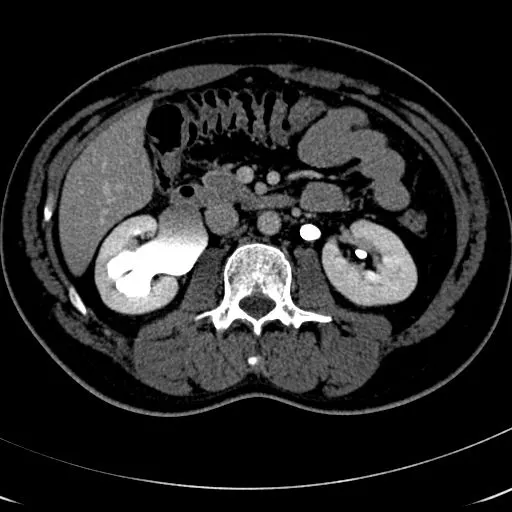
Figure.1: CT Scan for Renal pelvic obstruction. Source
MRI is also performed to evaluate certain conditions related to the blood vessels in the urinary system. It can also be helpful to gain more information about the stones in the urinary tract.
Intravenous urography is another procedure that is conducted using intravenous pyelography, which is a radiopaque contrast agent that is passed through the vein to create an x-ray image of the kidney, ureters or the bladder.
Cystography is a diagnostic test where images of bladder are acquired using a radiopaque contrast agent in the bladder. It is most commonly used to detect any hole in a bladder occurring from injury or surgery.
PET scan is also useful as a diagnostic imaging method to detect prostate cancer that might have spread to other areas of the body. The nuclear contrast agent shows up on the surface of prostate cancer cells which is then visible in the PET images for further diagnosis.
Data acquisition occurs from almost every aspect of diagnostic method. In general, each method leads to sample collection, biopsy reports and diagnostic imaging data. These are the primary sources of medical data for patient investigation and research.
Doctors identifies the location, the type of disease and other relevant clinical information including a patient’s medical history to confirm a final diagnosis report. There are several parameters that is considered according to the disease. In addition, doctors may also refer to what other disease the patient suffers and if any prior surgeries have been conducted. Each organ presents a unique challenge for diagnosis; therefore, parameters also changes as per the organ. For instance, diagnosing neurological is far more complex than some of the general disease that may occur due to environmental or age related factors.
In the context of urinary system, if we consider kidney stones, then depending on the size of the stone medication will be prescribed. Similarly, if the size is bigger and cannot be eliminated from the body with medication then surgeries may be recommended. At the same time, if we consider prostate cancer, then the suggested treatments will differ according to the stage of the cancer and location of the tumor. Further, metastatic information also plays a critical role in the treatment plan.
3) Common treatments for urinary disorders include:
Antibiotics for infections
Chemotherapy or radiation therapy for removing cancer cells
Bladder training for bladder related issues such as urination tendencies
Lithotripsy for breaking kidney stones
Pain reliving medications
Physical therapies for relieving pelvic spasms
Surgeries to remove cancer cells or repair injuries
Surgical Procedures for Urinary diseases
If we consider diseases such as vesicoureteral or urine reflux, then minimally invasive procedures such as endoscopic procedure is suggested that is performed with the help of cytoscope.
Next, pyeloplasty is a procedure that is performed to remove blockages of the ureteropelvic junction which is the part where the kidney collects urine before passing it through the ureter. In recent years, robot assisted laparoscopic pyeloplasty is performed which is longer in duration but the recovery time is quicker than open surgery.
Ureteral reimplantation is a procedure that is usually performed for children that have a condition for persistent and severe urinary reflux. This condition can occur if the ureter is not in the proper position and urine flows back into the kidney. Therefore, this procedure helps to correct the reflux by puncturing a ureterocele that have may have blocked or obstructed the kidney. In addition, the surgeon makes incision in the lower abdomen and bladder and removes the ureter from the current location in the bladder. Next, the doctor repairs the floor of the bladder and then replaces the ureter in a favorable position in the bladder.
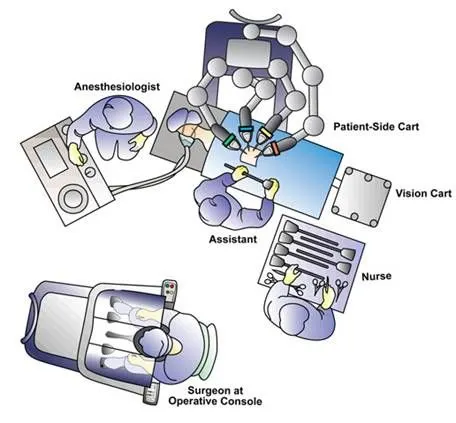
Figure.2: Robot-assisted pyeloplasty and its instruments. Source
The anatomical position depends on the type of surgical procedure. However, most surgeries are performed either in supine or prone position in some where incisions need to be made on the lower back.
Post-surgical care: In general, certain surgeries related to prostate or kidney stone removal is followed up by regular wound cleaning and catheter replacement for the recommended period to ensure regular urinal flow.
Similarly, if ureteral reimplantation has been performed, then patients have to stay in the hospital for several days and doctors recommended timely ultrasound after every few weeks to evaluate the condition of the kidney.
Respiratory system:
Diagnostic methods: To diagnose respiratory diseases, some of the common diagnostic methods that are recommended are:
Lung function test is an approach that tests and measure the amount of air one can inhale and exhale. It also allows doctors to find out if the lung is able to deliver sufficient oxygen to the blood. During this approach, a common test that is performed includes spirometry where patients are supposed to blow into a large tube connected to machine to measure the amount of air that the lungs are able to hold and the speed of blowing the air out of the lungs.
Chest x-rays are one of the preliminary investigation diagnostic method that is performed to identify various diseases such as emphysema, tuberculosis, lung fibrosis, lung volume loss and other and pleural effusion.
CT scan is used for detecting more advanced diseases where x-ray images might not be able to provide the exact clinical information. For example, to gain more information of the lung tumor, CT scan is highly used modality and is effective in lung cancer screening.
Arterial blood gas analysis is performed when doctors need to investigate how well the lungs are supplying oxygen into the blood and removing carbon dioxide.