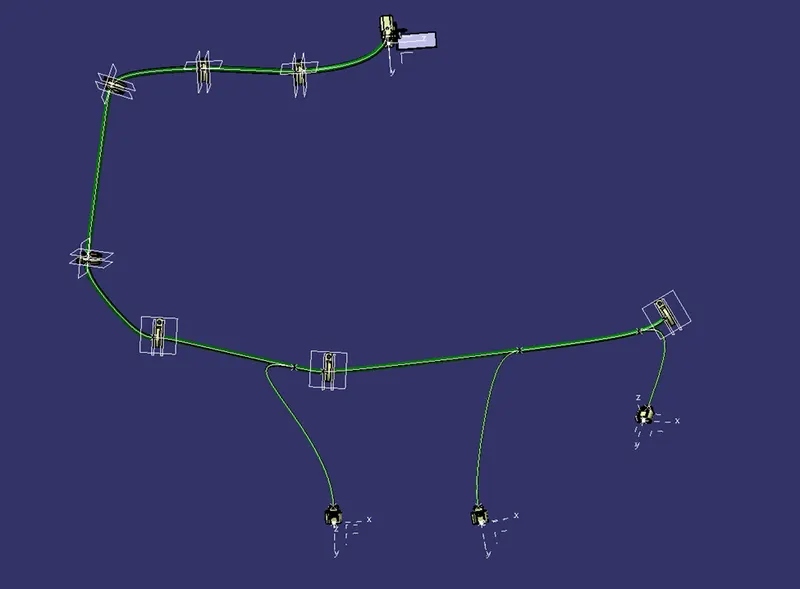
Project 2
WIRING HARNESS BACK DOOR
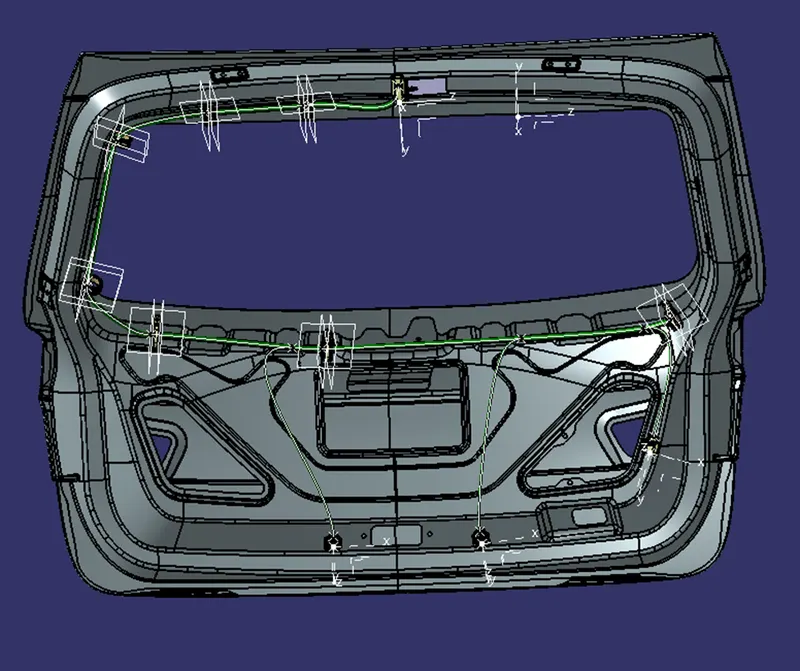
To route the wiring harness for the given Tailgate.
Application of all Packaging rules, Industry best practices studied in this course shall be demonstrated in design.
Apply Protection coverings as required.
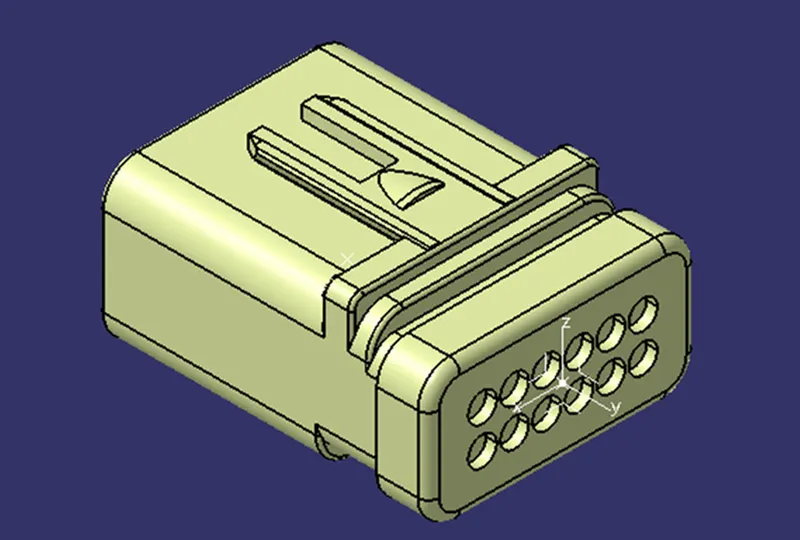
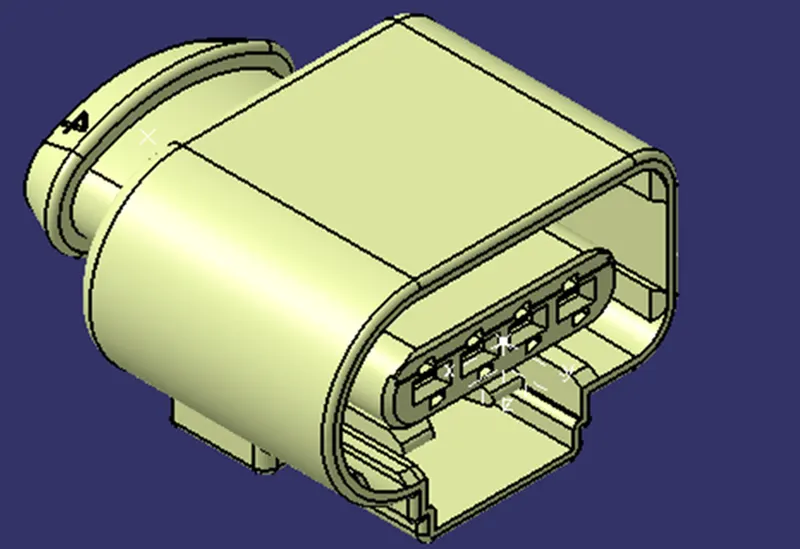
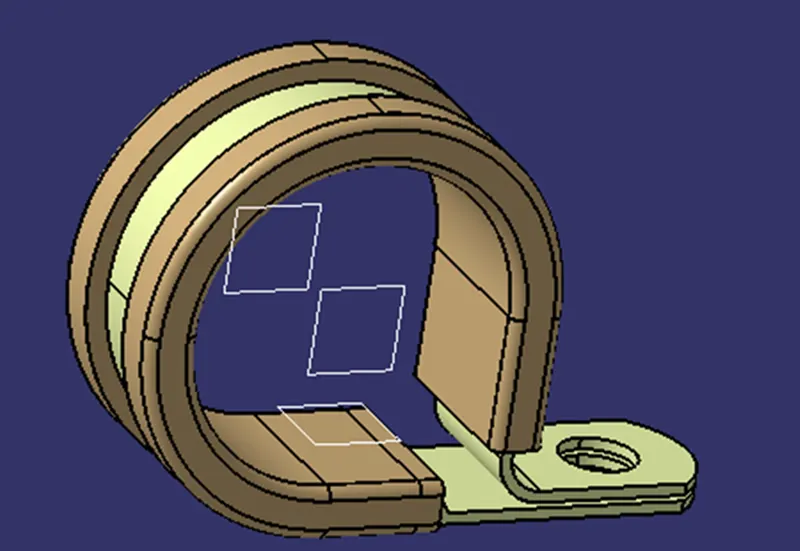
Method
- A cable harness, also known as a wire harness, wiring harness, cable assembly, wiring assembly, or wiring loom, is an assembly of electrical cables or wires which transmit signals or electrical power. The cables are bound together by a durable material such as rubber, vinyl, electrical tape, conduit, a weave of extruded string, or a combination thereof.
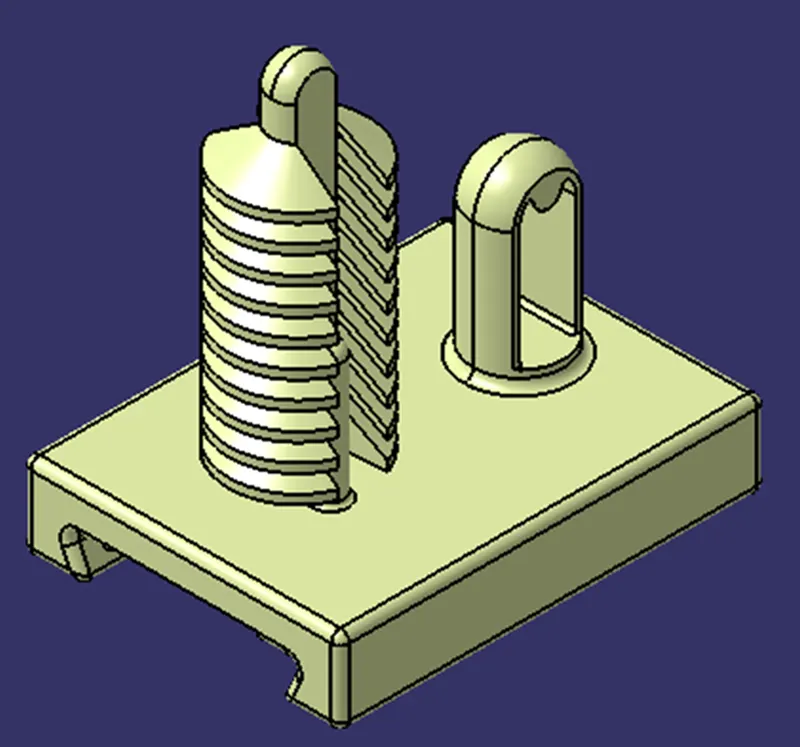
- Provide clips/clamps as per requirement.
- Make sure that there is not any failing case while designing the wire harness. Additional clips/clamps may be used to avoid failing case.
- Give additional slack if needed. 5-15% slack is sufficient.
- Avoid routing on sharp edges or else provide protection over the harness.
- Follow the clearance distance and keep away the harness from heat generation components.
- Protection should be provided as needed according to the surrounding temperature.
- Avoid too many sheet metal brackets on the engine.
- The wiring harness should be easy to assemble and easy to access.
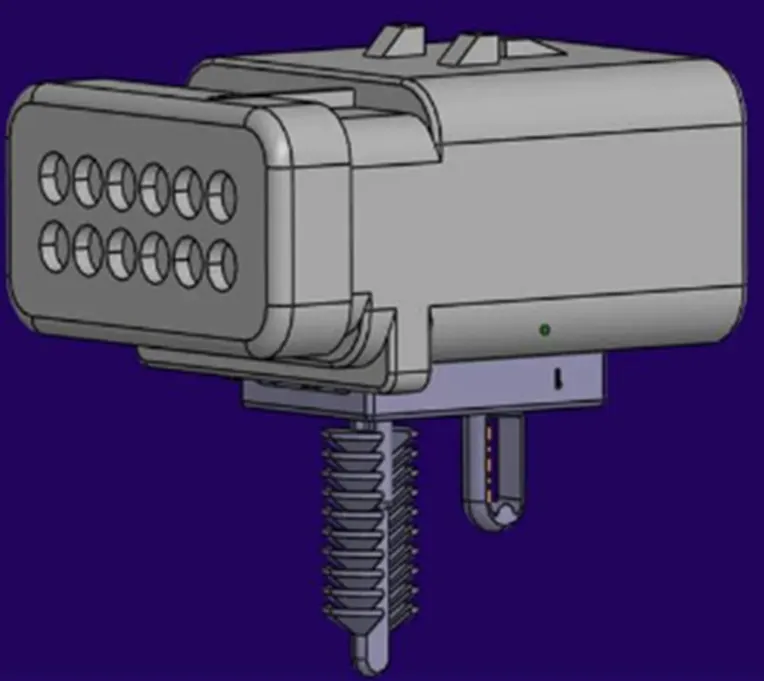
While using dummy connectors, ensure that whatever positions you are defining are practical. Bundle diameters and other placements can be defined properly for the wire harness routing.
If the packaging area is too tight and there are many packaging constraints, then we can think of creating harness channel which can be used to route and protect the wire harness effectively.
Routing the WIRING HARNESS
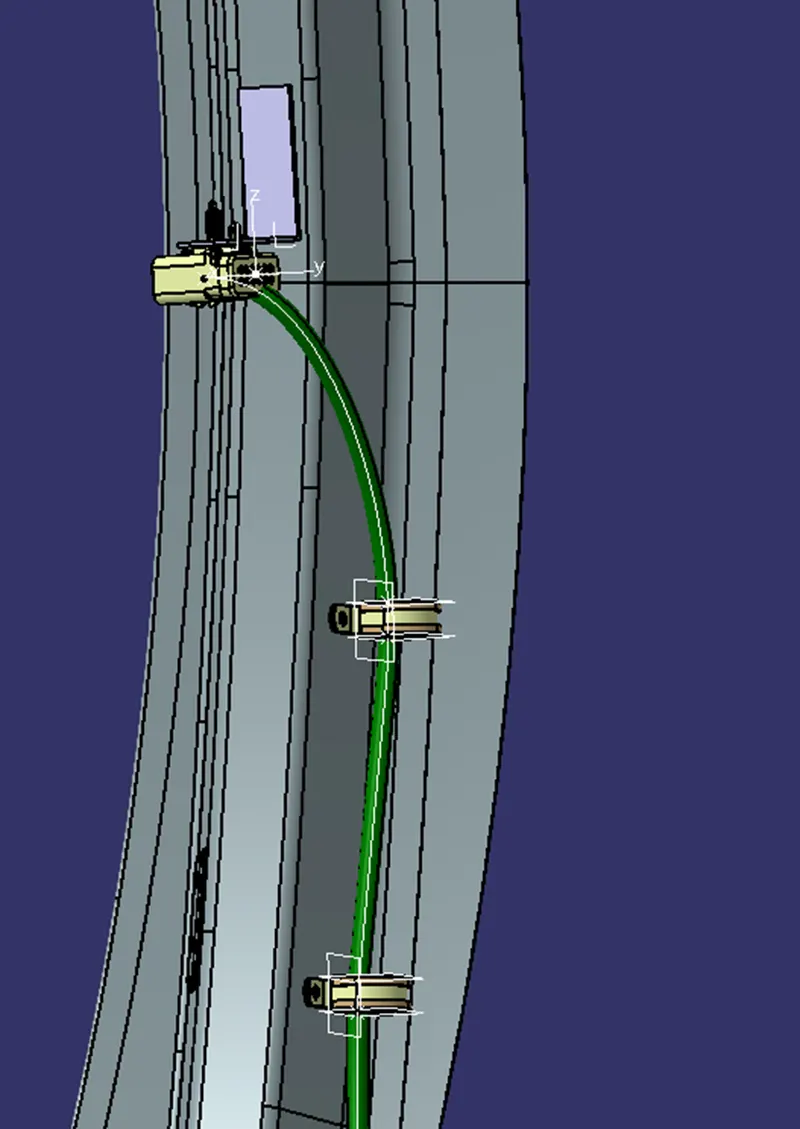
First, we must consider the components we need for the routing. Here we are only considering the taillights and the number plate lights.
Here we are considering 2 different types of connectors as follows.
- intercinnection connector
- pole connector used for light.
Packing Method
- The use of too many sheet-metal brackets should be avoided.
- The branch length should be more than 50 mm.
- Min distance between clip and branching point to be 25 mm.
- Min distance between two branch breakouts should be 50 mm
- Wiring harness routing shall provide ease in manufacturing, accessibility, easy removal, and easy maintenance of attached equipment and wiring harness.
- Routing through small structural holes and openings shall be avoided, minimizing chafing, and handling the wiring harness during installation.
- Avoid the harness routing and clipping in the Blind zone of the Operator during harness assembly or in service.