Project 2
REPORT ON ELECTRICAL DEFINITION AND CATLOGUE CREATION:
Electrical Definition:
Electrical systems refer to the components and networks involved in the generation, transmission, distribution, and utilization of electrical energy. These systems encompass a wide range of technologies and applications, including power generation plants, electrical grids, wiring systems, control panels, motors, transformers, and various electrical devices.
The key components of electrical systems include:
-
Power Generation: This involves the production of electricity from various sources such as fossil fuels, nuclear energy, hydroelectric power, solar energy, wind energy, or geothermal energy.
-
Transmission: The transmission system consists of high-voltage power lines and substations that transport electricity over long distances from power plants to distribution networks.
-
Distribution: The distribution system comprises transformers, distribution lines, and local substations that deliver electricity from the transmission system to consumers, including residential, commercial, and industrial users.
-
Wiring: Electrical wiring systems are used to distribute electricity within buildings, connecting electrical devices and appliances to the power source. This includes cables, conduits, switches, outlets, and circuit breakers.
-
Control and Protection: Control panels, switchgear, and protective devices such as circuit breakers, fuses, and relays ensure the safe operation of electrical systems, allowing for monitoring, control, and protection against electrical faults and overloads.
-
Motors and Machines: Electric motors convert electrical energy into mechanical energy, driving various machines and equipment used in industries, transportation, and appliances.
-
Electrical Devices: This encompasses a wide range of devices and appliances that utilize electrical energy for various purposes, such as lighting fixtures, heating and cooling systems, communication devices, computers, entertainment systems, and many others.
Catalogue Creation Report:
A catalogue creation report outlines the process and results of developing a comprehensive catalogue for electrical products or components. Here's a general structure that can be followed for creating such a report:
-
Introduction:
- Briefly explain the purpose and scope of the catalogue.
- Provide an overview of the target audience and their specific needs.
-
Research and Analysis:
- Describe the research conducted to identify the range of electrical products to be included in the catalogue.
- Outline the sources used for gathering product information, such as manufacturers' websites, industry publications, and technical specifications.
- Explain the criteria used to select the products, considering factors like quality, reliability, popularity, and market demand.
-
Catalogue Structure and Design:
- Discuss the structure and organization of the catalogue, including sections, categories, and subcategories.
- Explain the reasoning behind the chosen layout and how it facilitates ease of use and product searchability.
- Describe the design elements, such as product images, descriptions, technical specifications, and any additional information provided.
-
Product Information:
- Detail the information included for each product, such as product name, model number, specifications, features, and pricing.
- Explain how technical data was collected and validated for accuracy.
- Discuss any symbols, icons, or abbreviations used to convey specific product details.
-
Collaboration with Manufacturers:
- Explain the process of collaboration with manufacturers to gather product information.
- Describe any challenges encountered and how they were addressed.
- Acknowledge the support received from manufacturers in terms of providing accurate and up-to-date data.
-
Quality Assurance:
- Outline the steps taken to ensure the accuracy and consistency of the catalogue information.
- Describe the quality control measures implemented, such as proofreading, data validation, and cross-referencing.
- Highlight any tools or software utilized to streamline the quality assurance process.
-
Distribution and Feedback:
- Discuss the methods used for distributing the catalogue, such as print copies, online platforms, or mobile applications.
- Explain how user feedback was collected and incorporated into future iterations of the catalogue.
- Share any insights gained from user feedback and improvements made based on that feedback.
-
Conclusion:
- Summarize the key findings and achievements of the catalogue creation process.
Reflect on the effectiveness of the catalogue in meeting the needs of the target audience.
REPORT WRITING:
-
Introduction: The purpose of this report is to provide a comprehensive analysis of car back doors, including their construction, functionality, common issues, and maintenance requirements. Car back doors play a crucial role in ensuring passenger safety and convenience, and understanding their characteristics is essential for both car manufacturers and car owners.
-
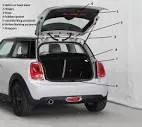
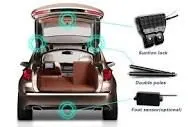
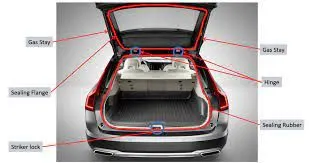
Construction and Components: Car back doors are typically designed with a sturdy frame made of steel or aluminum to provide structural integrity. They consist of several components, including the outer panel, inner panel, reinforcement beams, hinges, latch mechanisms, window regulators, and weatherstrips. These components work together to ensure proper operation and security.
-
Functionality: The primary function of car back doors is to provide access to the rear seating area and cargo space of the vehicle. They are hinged at the rear edge and can be opened either by manual operation or through an automated mechanism. Car back doors are equipped with latch mechanisms that secure them in the closed position, preventing accidental opening while the vehicle is in motion.
-
Common Issues and Maintenance: a. Alignment Problems: Misalignment can occur due to accidents, wear and tear, or improper installation. This may result in difficulty in opening or closing the door, increased noise, or gaps between the door and the car's body. Regular inspection and adjustment by a qualified technician are recommended.
b. Hinge and Latch Malfunctions: Hinges can wear out over time or become loose, causing the door to sag or make unusual noises. Latch mechanisms may also experience issues, such as failure to engage properly or difficulty in releasing. Lubrication and occasional hinge and latch adjustments are essential for smooth operation.
c. Rust and Corrosion: Back doors are exposed to various weather conditions, which can lead to rust and corrosion. Regular cleaning, waxing, and the application of rust inhibitors can help prevent these issues.
d. Window Regulator Problems: Electric window regulators may fail, causing the windows to get stuck or operate intermittently. Repairs or replacements of faulty regulators may be necessary.
e. Weatherstrip Damage: The weatherstrips around the door can deteriorate over time, resulting in air and water leaks. Damaged weatherstrips should be replaced to maintain the car's interior comfort and protection from the elements.
-
Safety Considerations: Car back doors are equipped with safety features such as child locks, impact beams, and crash sensors. These features are designed to enhance passenger safety in the event of a collision. It is crucial to ensure that these safety features are functioning correctly and to address any issues promptly.
Conclusion: Car back doors are vital components of a vehicle, providing access to the rear seating area and cargo space. Understanding their construction, functionality, and common issues is essential for proper maintenance and ensuring passenger safety. Regular inspection, maintenance, and prompt repairs are key to keeping car back doors in optimal working condition.