Project
simulink project::
aim:
to Carry out a system-level simulation of an all-terrain vehicle.
BAJA ATV::
the simulink model has been attached in the google drive.
Objective -
To analyze BAJA All Terrain Vehicle (ATV) different models with Continuous Variable Transmission (CVT) using Simulink.
Models -
- BAJA ATV model without Dashboard.
- BAJA ATV model with Dashboard.
- BAJA ATV model with CVT Ratio as RPM.
- BAJA ATV model - Data Extraction.
- BAJA ATV model with Mapped Lookup Table without Dashboard.
- BAJA ATV model with Mapped Lookup Table with Dashboard.these models are discussed in the following.
Theory -
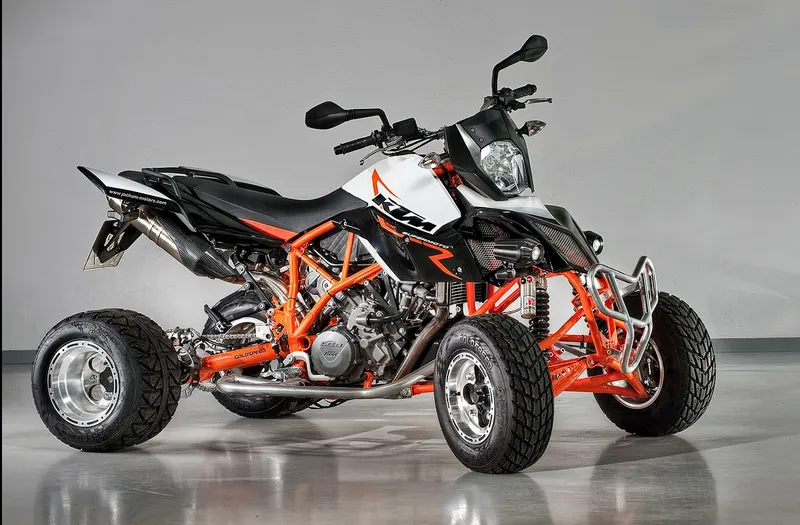
All Terrain Vehicle(Quad bikes):
An all-terrain vehicle (ATV), also known as a light utility vehicle (LUV), a quad bike, or simply a quad, as defined by the American National Standards Institute(ANSI); is a vehicle that travels on low-pressure tires, with a seat that is straddled by the operator, along with handlebars for steering control. As the name implies, it is designed to handle a wider variety of terrain than most other vehicles. Although it is a street light vehicle in some countries, it is not street-legal within most states, territories and provinces of australia, the united states and canada
By the current ANSI definition, ATVs are intended for use by a single operator, although some companies have developed ATVs intended for use by the operator and one passenger. These ATVs are referred to as tandem ATVs.
The rider sits on and operates these vehicles like a motorcycle, but the extra wheels give more stability at slower speeds. Although most are equipped with three or four wheels, six-wheel models exists and existed historically for specialized applications. Multiple-user analogues with side-by-side seating are called utility terrain vehicle to distinguish the classes of vehicle. Both classes tend to have similar powertrains parts.Engine sizes of ATVs currently for sale in the United States (as of 2008 products) range from 49 to 1,000 cc (3.0 to 61 cu in).
continuous variable transmission::
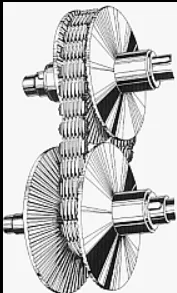
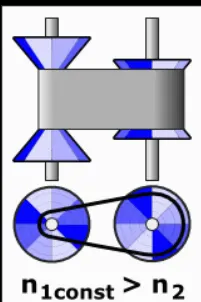
A continuously variable transmission (CVT) is an automatic transimission that can change seamlessly through a continuous range of gear ratios. This contrasts with other transmissions that provide a limited number of gear ratios in fixed steps. The flexibility of a CVT with suitable control may allow the engine to operate at a constant RPM while the vehicle moves at varying speeds.
CVTs are used in automobiles,tractors,motor scooter,snowmobiles,bicycles and earthmoving equipments.
The most common type of CVT uses two pulley connected by a belt or chains; however, several other designs have also been used at times.
BAJA SAE -
- Baja SAE is an Collegiate Design Series competition run by the Society of Automotive Engineers International (SAE International).
- Teams of students from universities all over the world design and build small off-road cars.
- BAJA is basically an ATV competition where students get to design and develop their own ATV keeping in mind various considerations of design as well as safety.
- An ATV is designed in order to run on various terrains such as soil, Gravel, pebbles, etc. so due to difficult terrain our main focus was on driver safety and better ergonomics at the same time.
blocks used::
signal builder,goto, from, simulink ps converter,solver configuration, mechanical rotational referance, scope, simple gear,generic engine.
subsystem block used:
engine sensor::
ideal rotational motion sensor,mechanical rotational referance,ps simulink converter,scope, ps terminator.
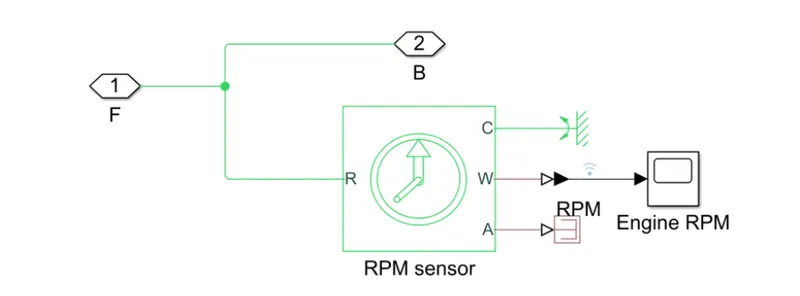
the engine subsystem sensor.
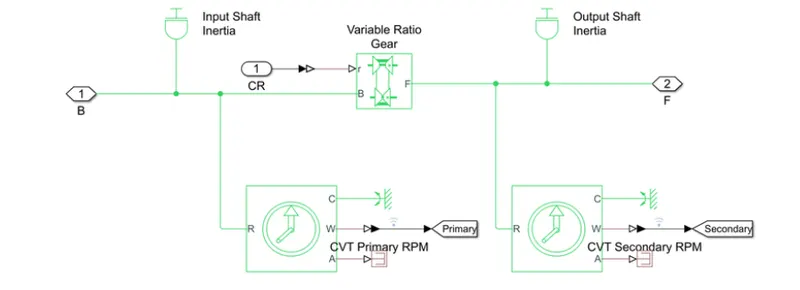
cvt::
inertia,ideal rotational referance sensor,mechanical rotational referance, ps simulink converter, goto, ps terminator,variable ratio transmission.
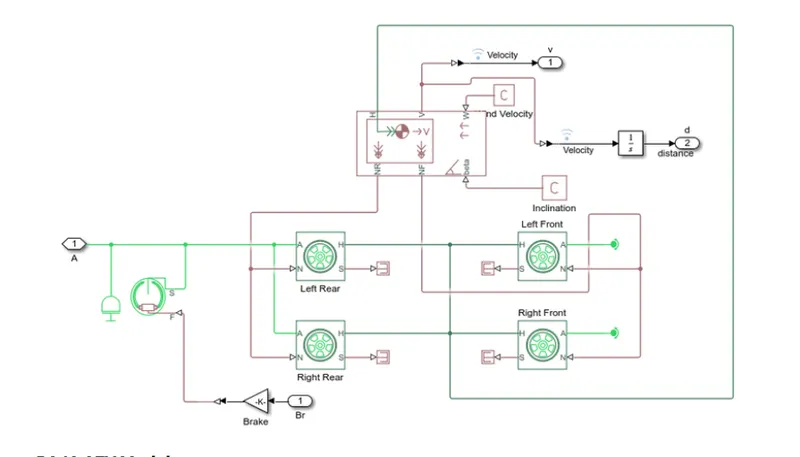
vehicle body::
inertia,double shoe brake, gain, tire, ps terminator, ps constant,integrator and ps simulink converter.
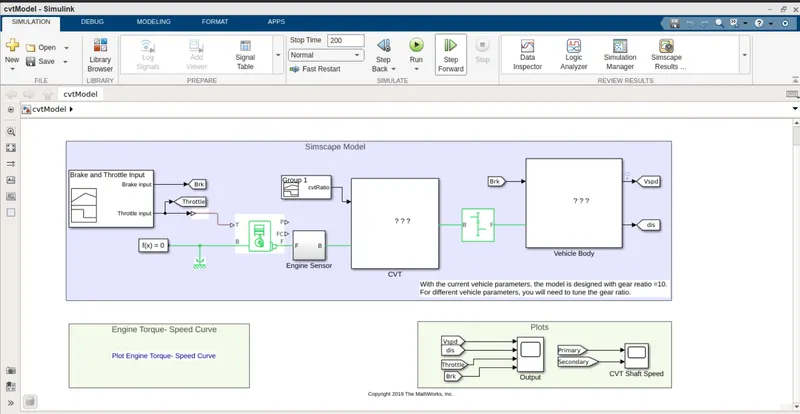
BAJA ATV without dashboard::
- Working -
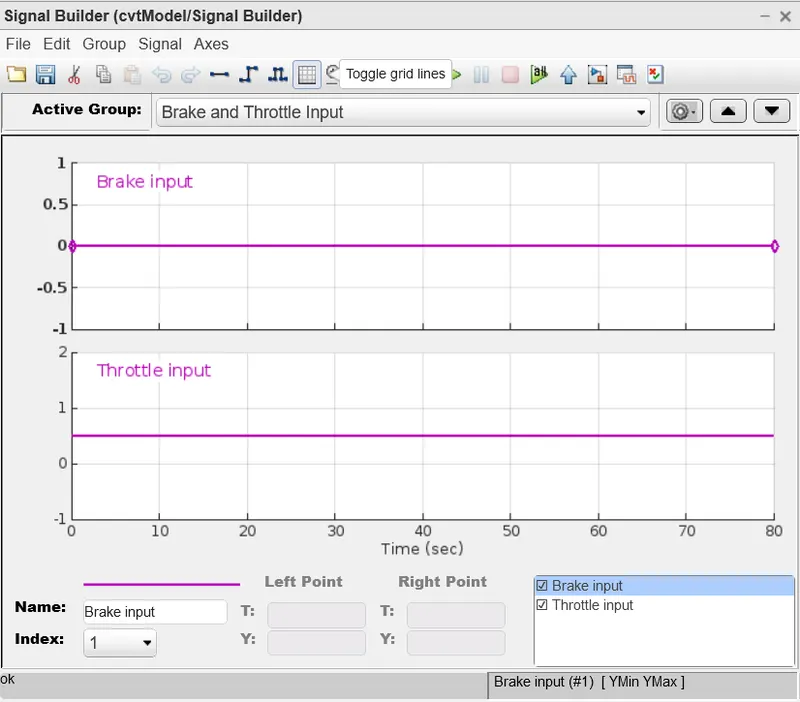
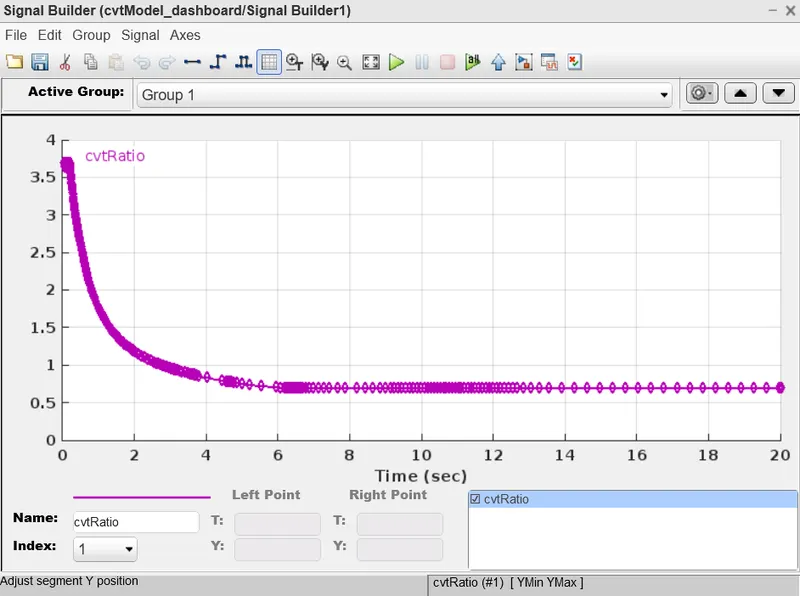
- The Signal Bulider block is used for providing Brake input, Throttle input and CVT Gear Ratio input.
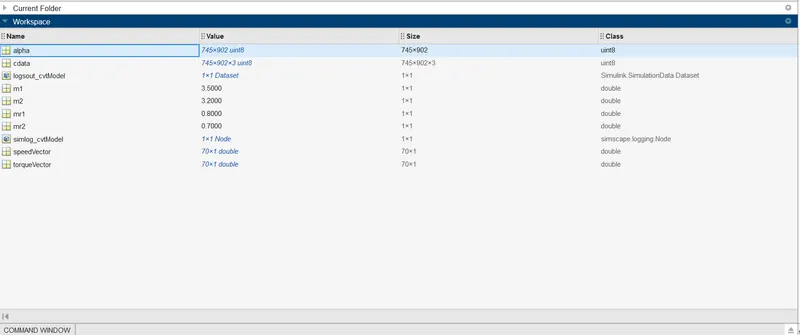
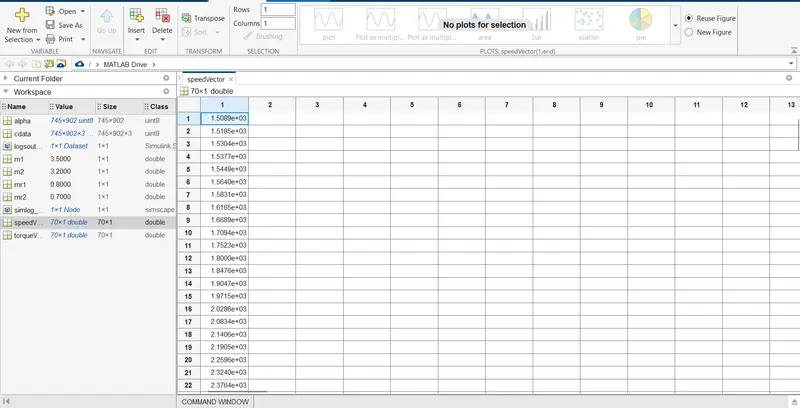
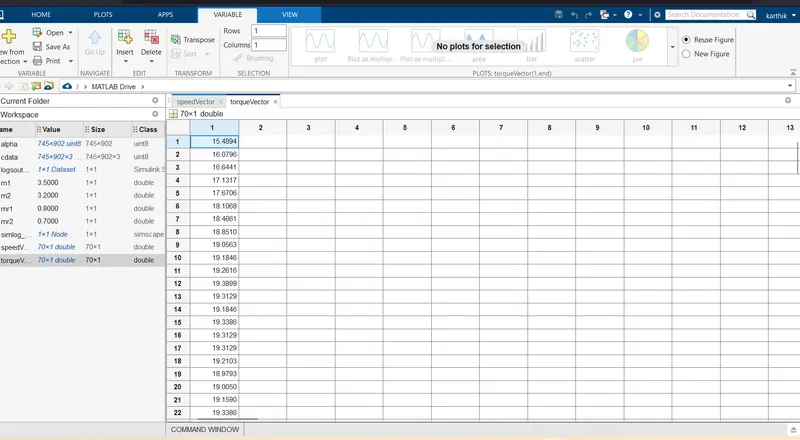
- The torque vector and speed vector input is provided from MATLAB Workspace.
- The Throttle input is given to the Engine where the engine parameters changes accordingly.
- The output from the Generic Engine is the pass through the Engine Sensor block.
- This sensor block records the rpm of engineand forwards the ouput from engine.
- The break input is given to the Double Shoe Brake block via Gain block.
- The ouput from brake block provided to tires.
- The vehicle body block provides velocity for all tires.
- It also provides ouput signal velocity and displacement using integrator.
- Input Data -
- Signal Builder Block Input -
- Brake and Throttle Input -
- Brake and Throttle Input -
- Signal Builder Block Input -
cvt model:
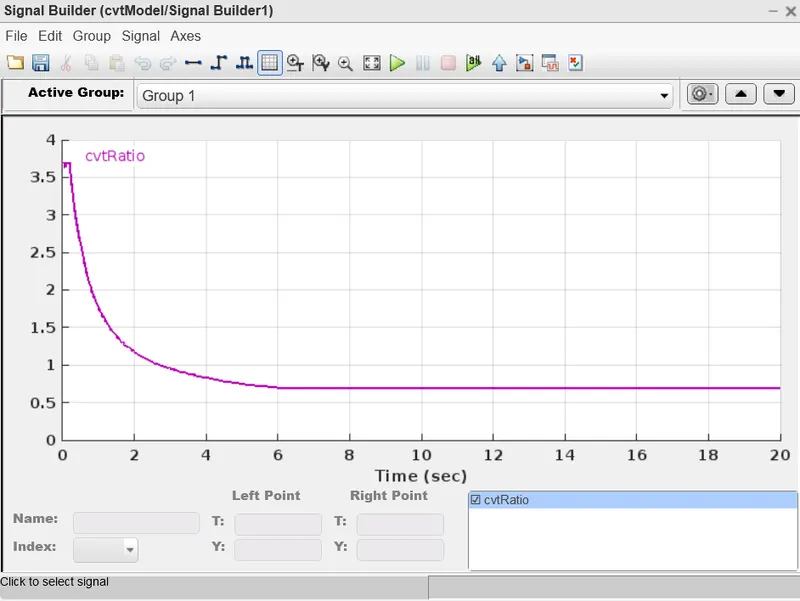
Matlab workspace:
speed vector:
torque vector:
results::
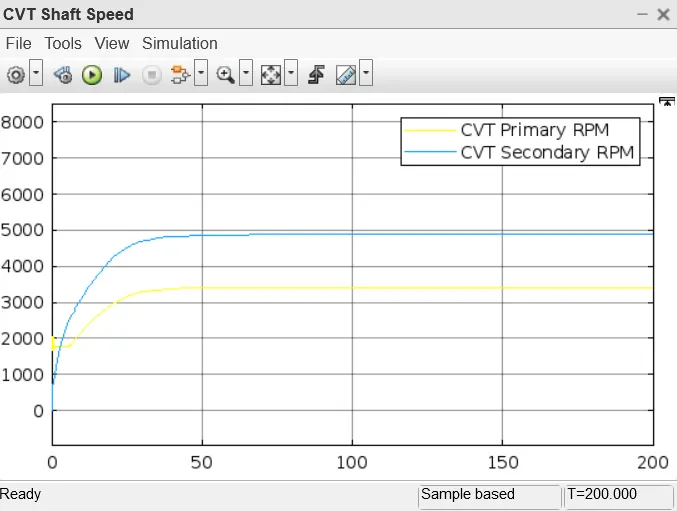
cvt shaft speed::
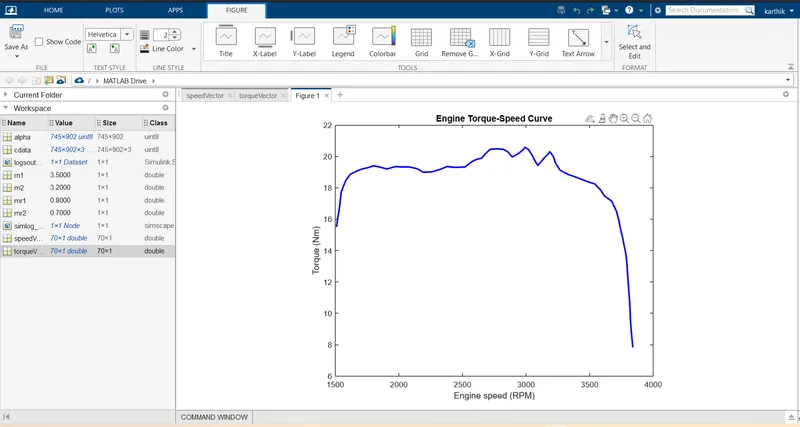
torque vs speed::
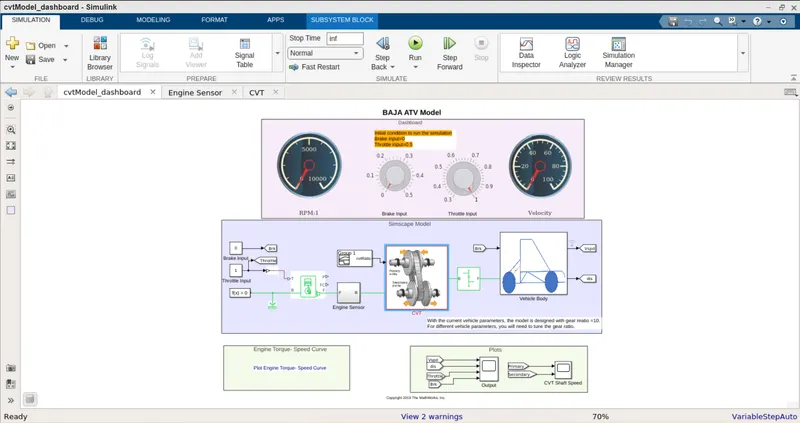
BAJA ATV model with Dashboard -
Model -
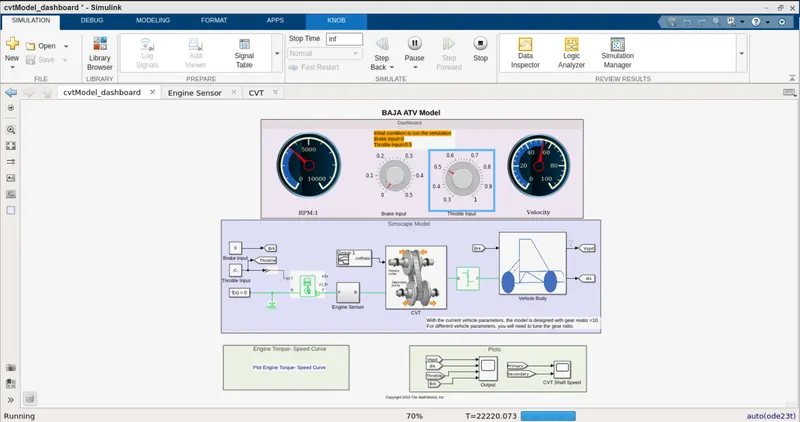
The filename for this model is "cvtModel_dashboard.slx"
- Working -
- The Signal Bulider block is used for providing Brake input, Throttle input and CVT Gear Ratio input.
- The torque vector and speed vector input is provided from MATLAB Workspace.
- The Throttle input is given to the Engine where the engine parameters changes accordingly.
- The output from the Generic Engine is the pass through the Engine Sensor block.
- This sensor block records the rpm of engineand forwards the ouput from engine.
- The break input is given to the Double Shoe Brake block via Gain block.
- The ouput from brake block provided to tires.
- The vehicle body block provides velocity for all tires.
- It also provides ouput signal velocity and displacement using integrator.
Input Data -
- Circular Gauge -
The Circular Gauge block displays the value of the connected signal on a circular gauge that you can design to look like a gauge in a real system. - Knob -
The Knob block tunes the value of the connected block parameter to during simulation.
The others blocks used are given in common used block.
input:
cvt ratio::
matlab workspace::
speed vector:
torque vector:
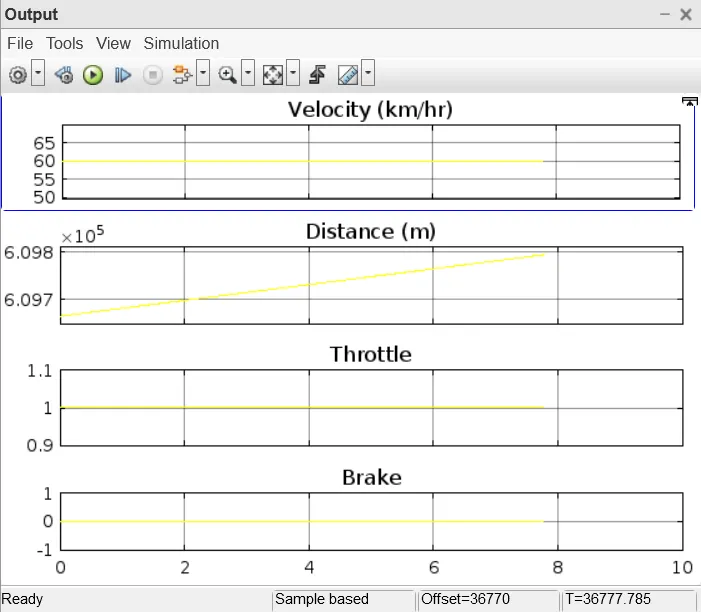
output::
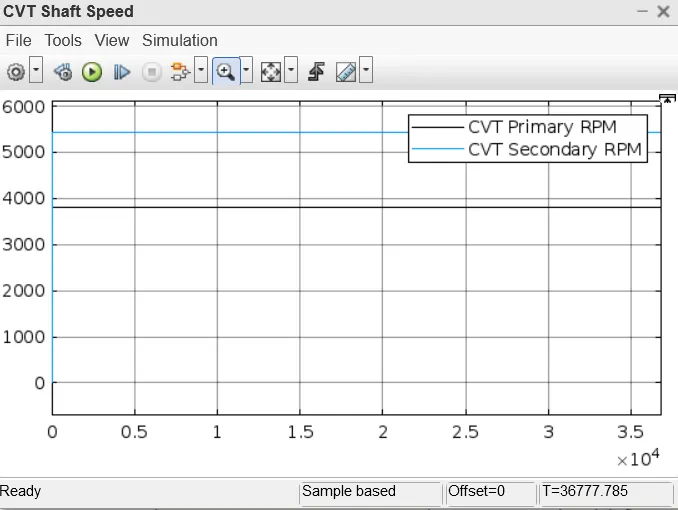
cvt shaft speed::
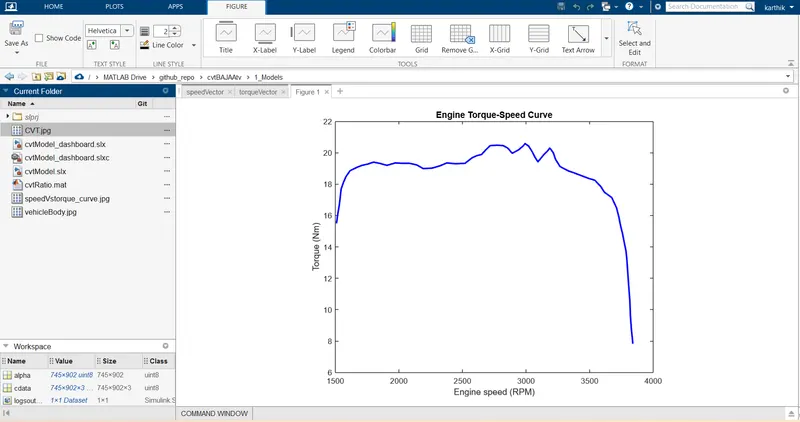
engine torque speed::
Results -
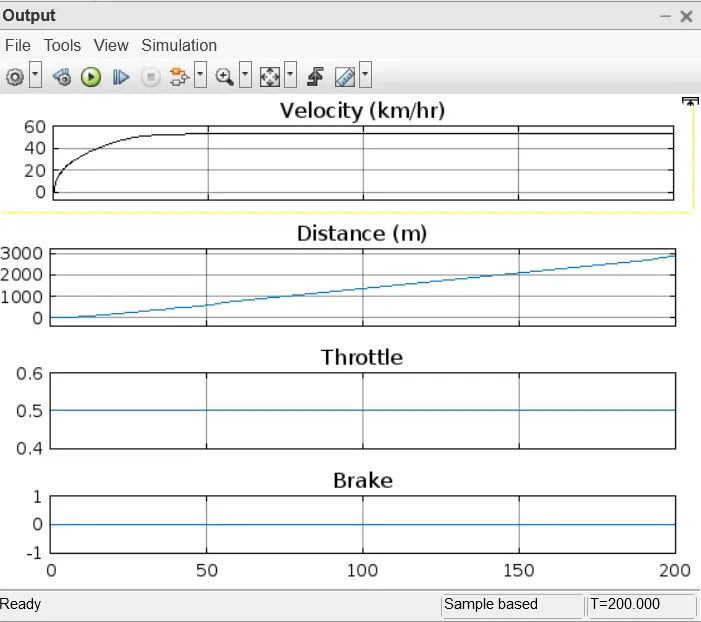
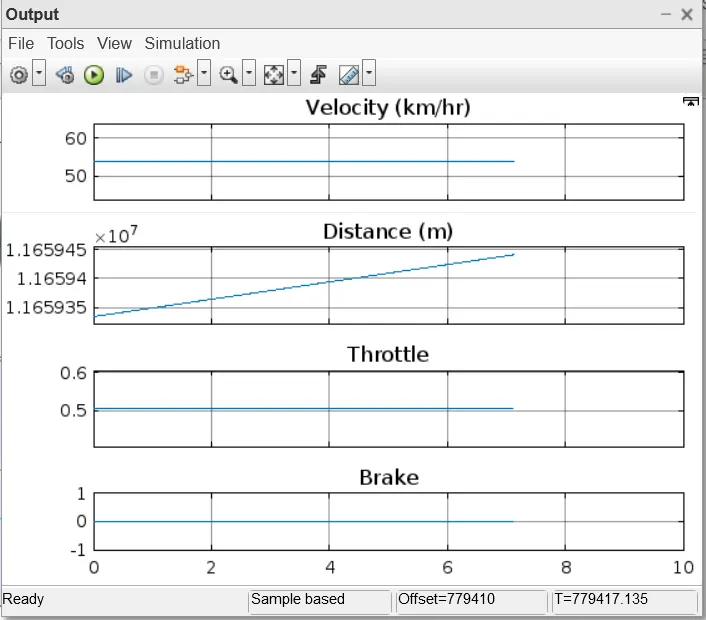
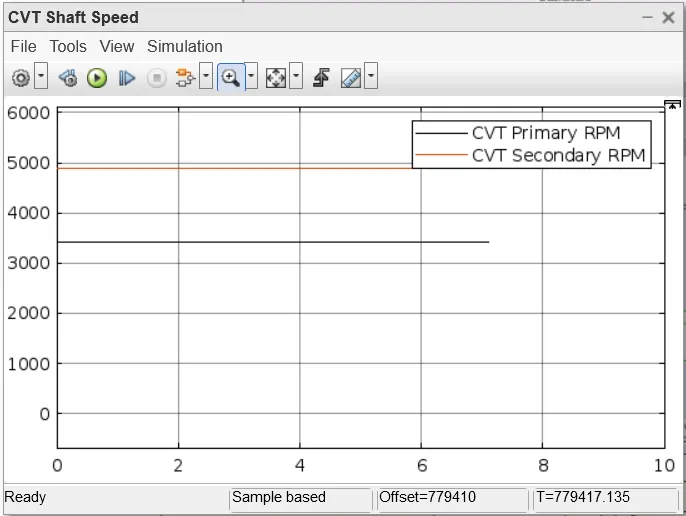
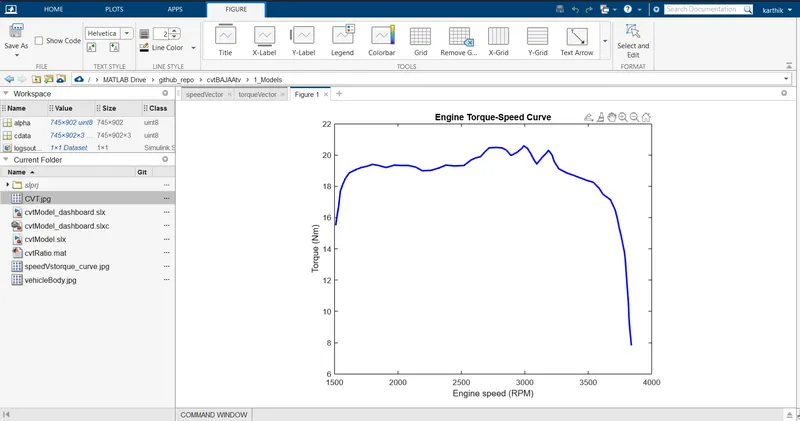
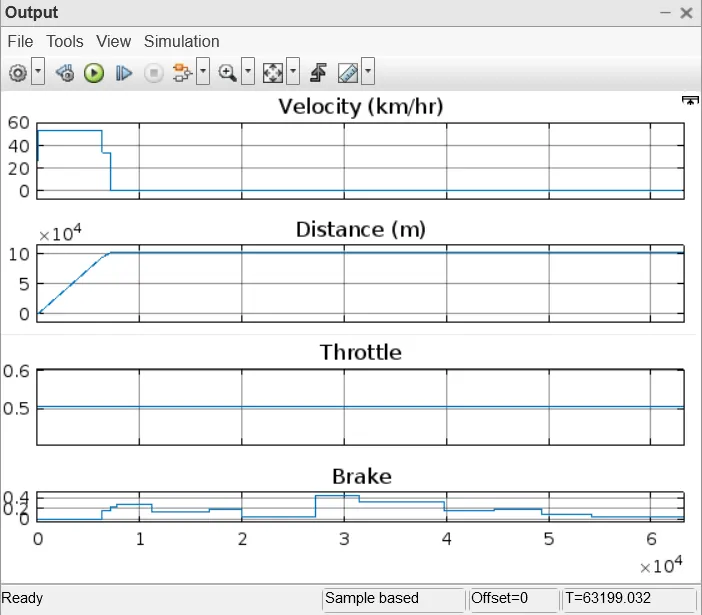
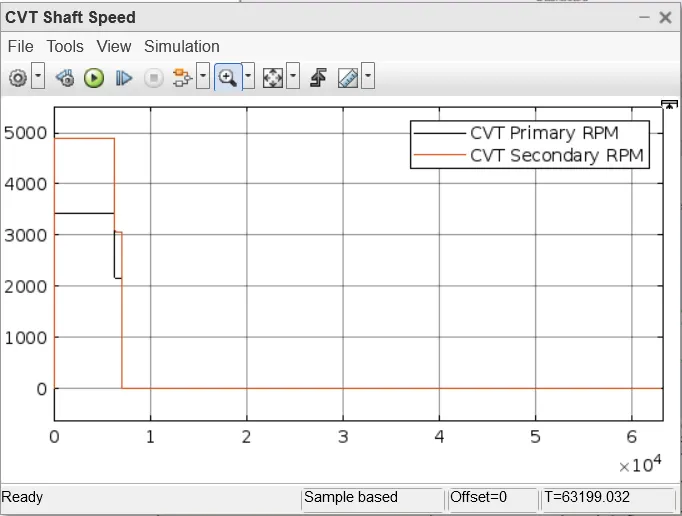
- Case -1 : Brake = 0 and Throttle = 0.5
- Engine RPM -
results::
output of case 1
cvt shaft speed of case 1:
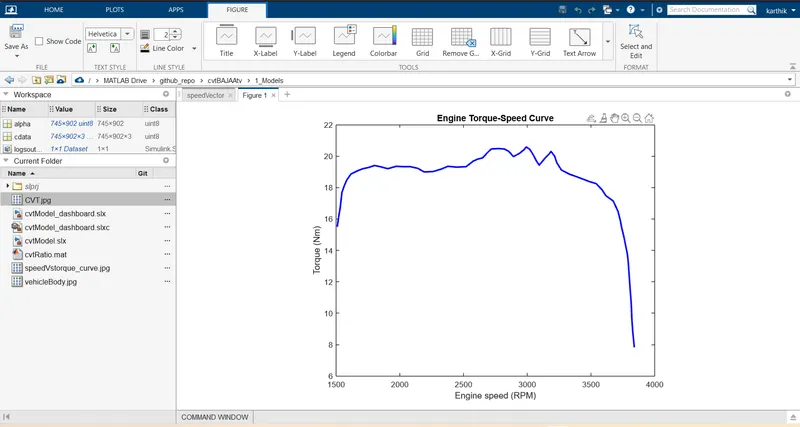
engine speed torque::
Case -2 : Brake = Varying and Throttle = 0.5
The simulation time is set to infinity for this case.
As the throttle value is constant, brake value is varying. When the brake value exceeds 0.2, the rpm becomes 0. So the brake applied lies between 0 to 0.2.
result::
output:::
cvt shaft speed::
engine speed torque::
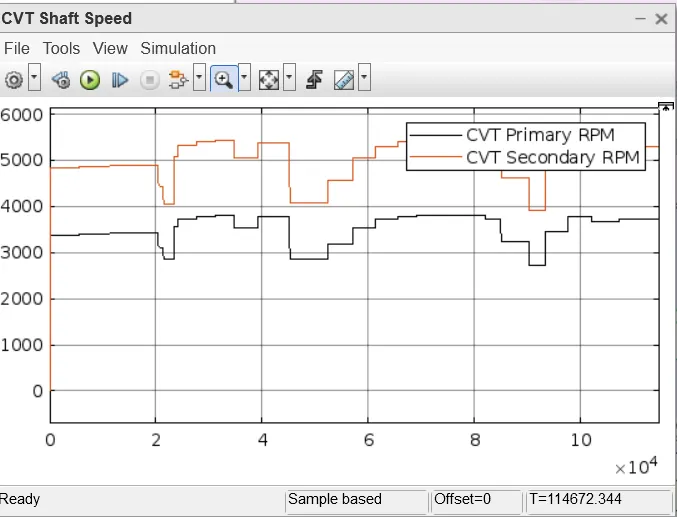
Case -3 : Brake = 0 and Throttle = Varying
The simulation time for this case is infinity.
result::
cvt shaft speed::
output::
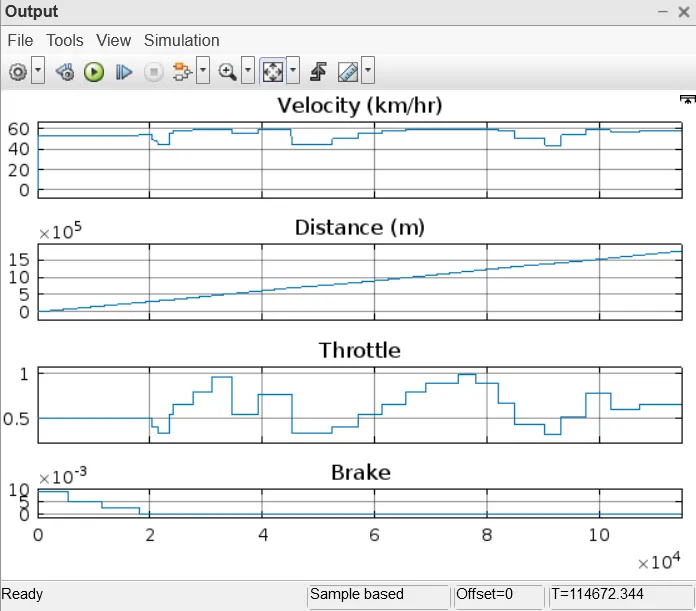
speed torque::
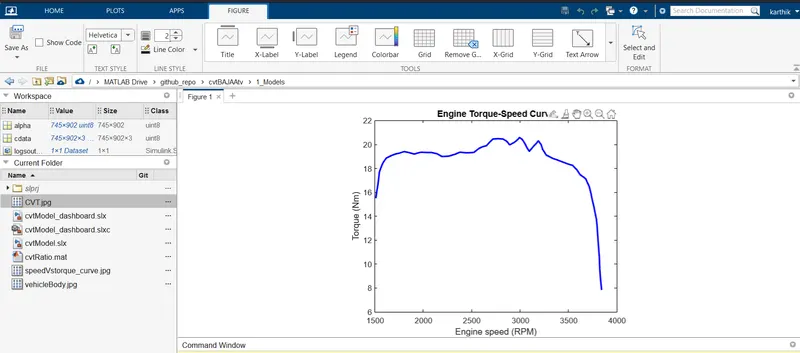
BAJA ATV Model with CVT Ratio as RPM -
- Model -
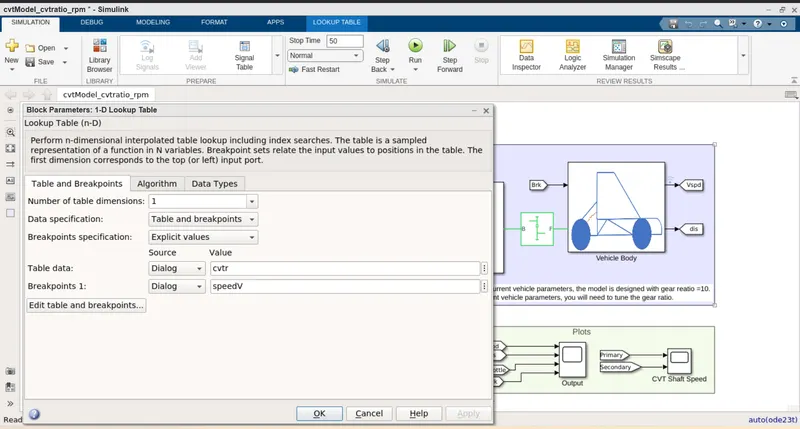
The filename for this model is "cvtModel_cvtratio_rpm.slx".
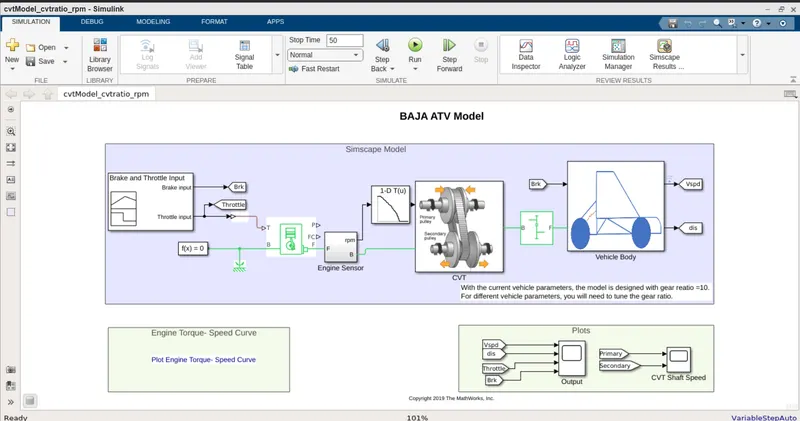
input::
signal builder:
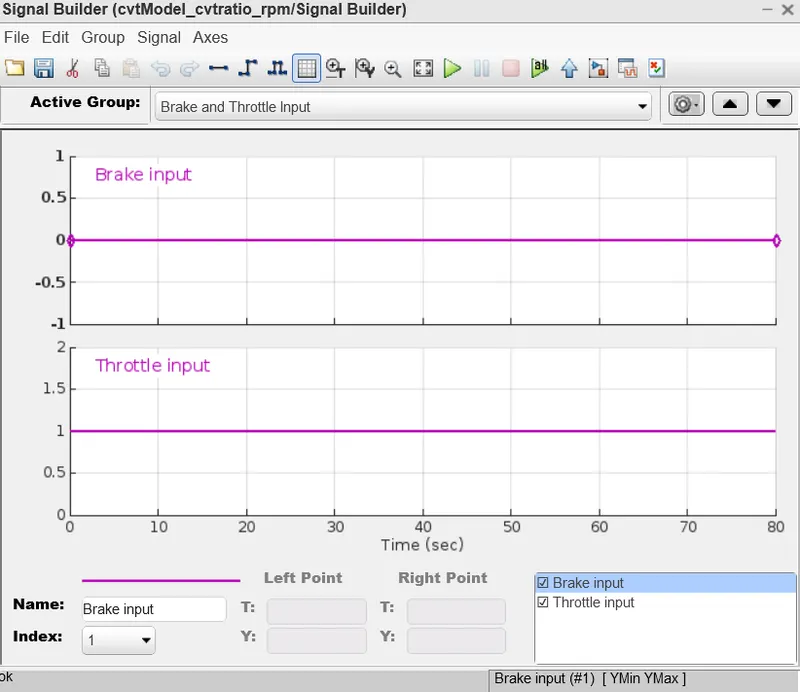
look up table:
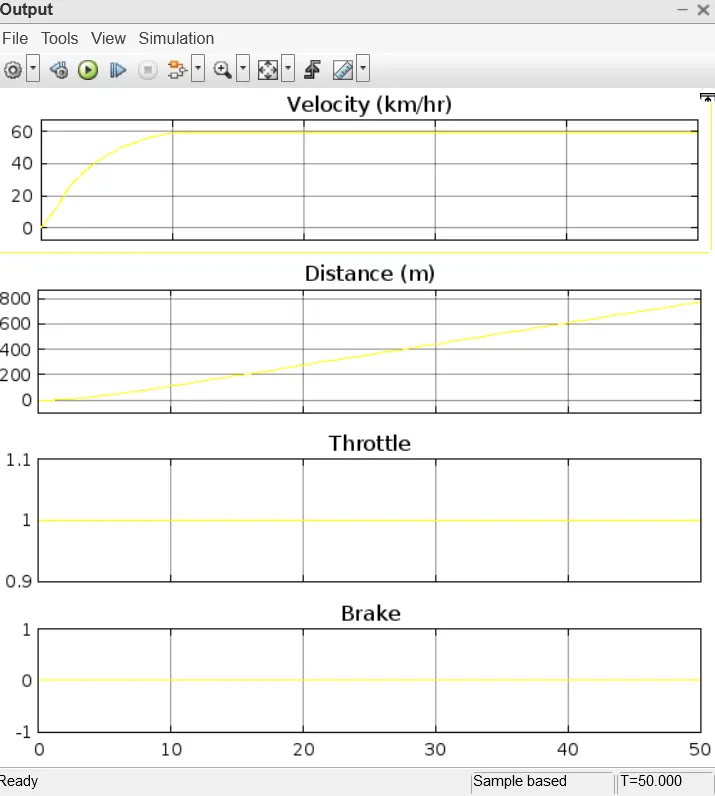
results::
output::
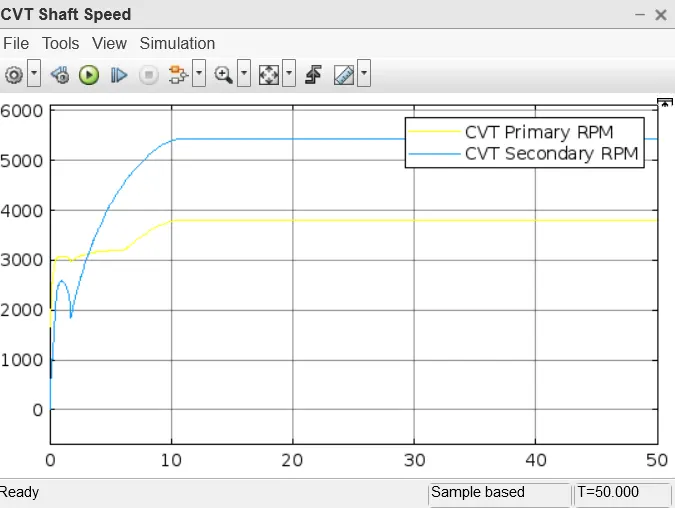
cvt speed::
BAJA ATV model with Data Extraction -
- Model -
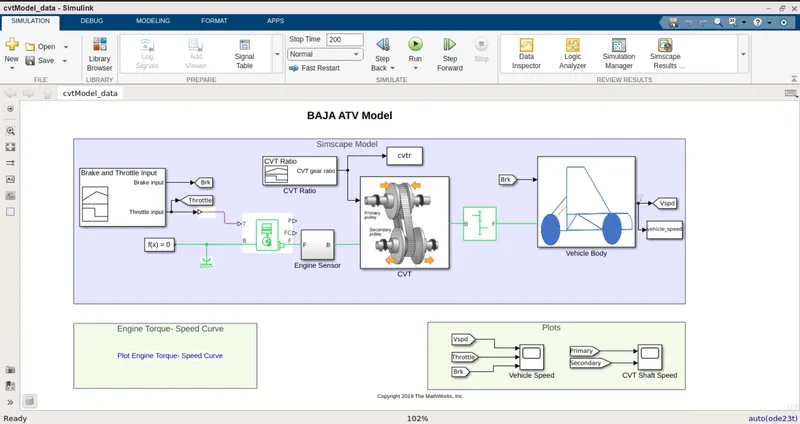
The filename for this model is "cvtModel_data.slx".
- Working -
- The working is same as working of BAJA ATV Model without Dashboard.
- The only difference is here the output gets saved to MATLAB workspace files using To Workspace Block.
- Input Data -
- Signal Builder -
- Brake and Throttle Input -
- Signal Builder -
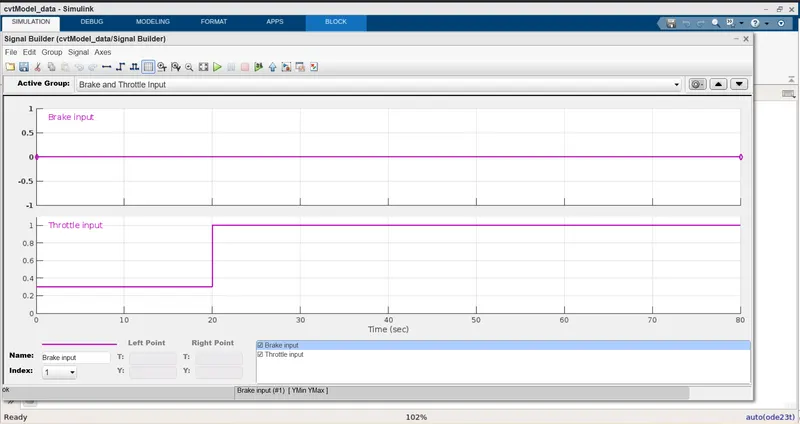
signal builder:
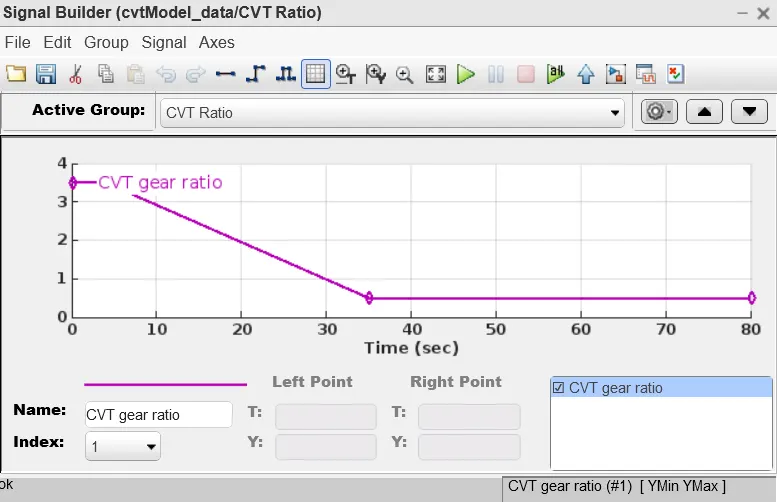
-
- Gear Ratio is 12.
- Results -
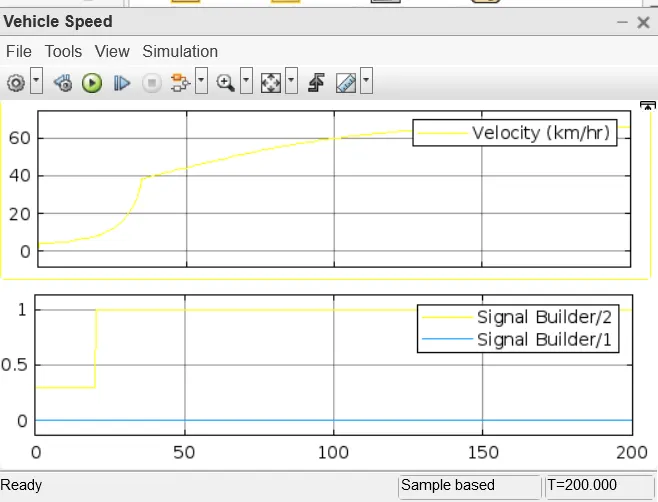
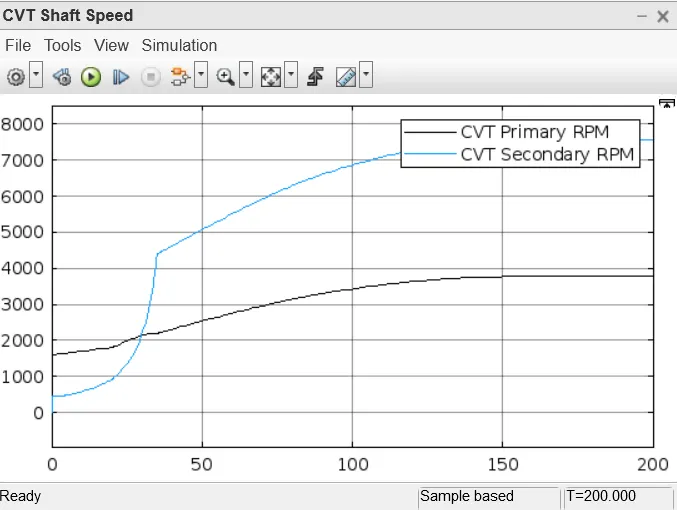
The simulation time for this model is 200 seconds.
vehicle speed:
shaft speed::
BAJA ATV model with Mapped Lookup Table without Dashboard -
Model -
The filename for this model is "cvtModel_mapped.slx".
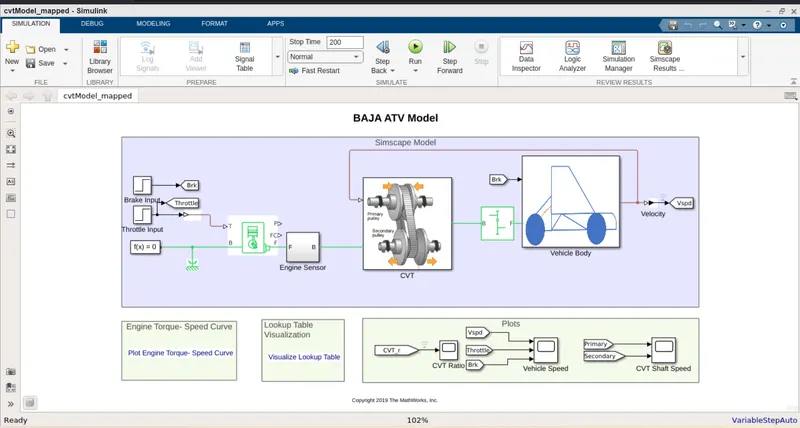
input data::
brakes::
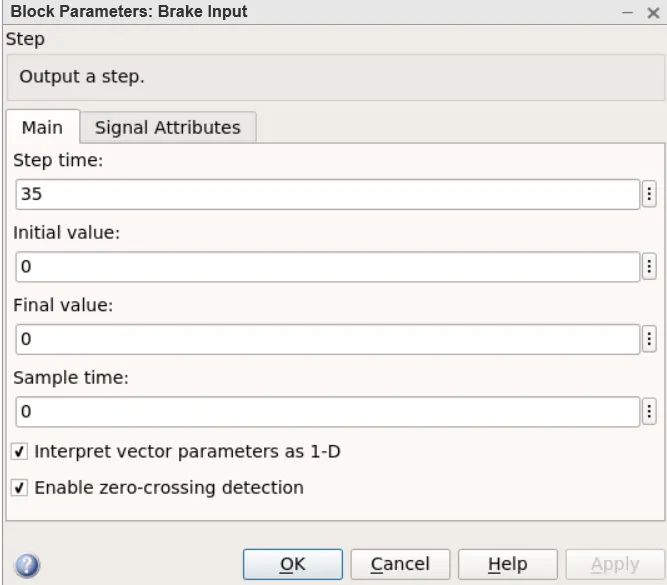
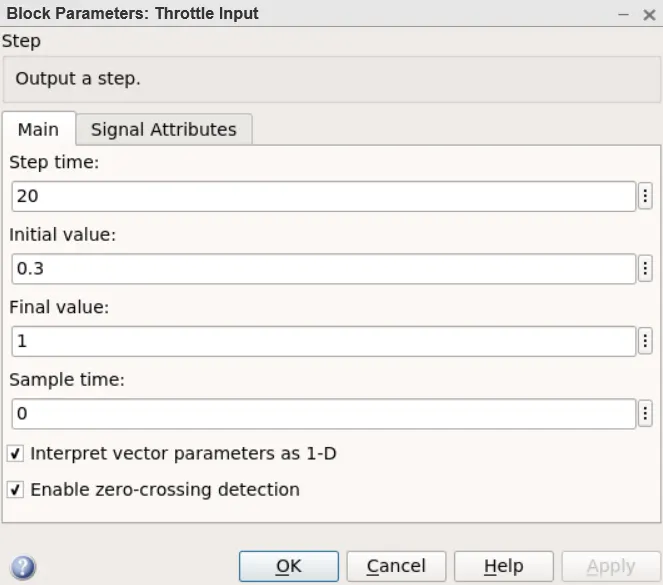
throttle::
lookup table visualization::
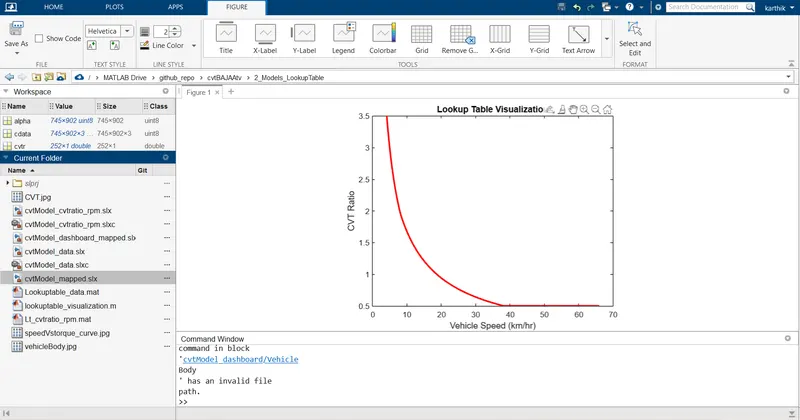
Gear Ratio is 12.
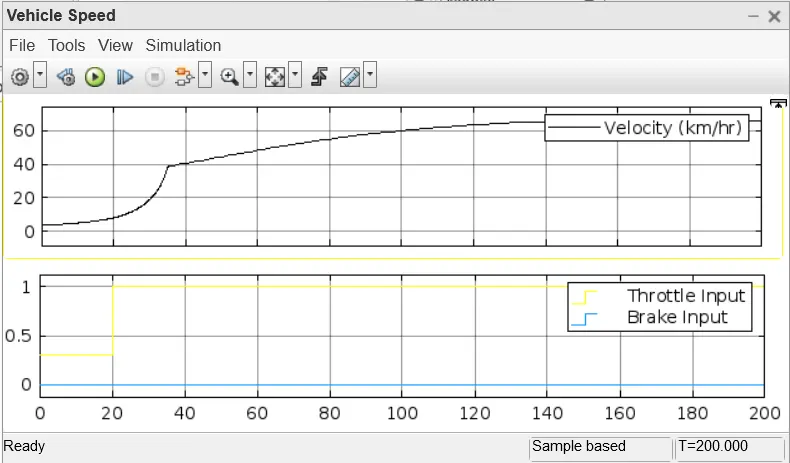
- Results -
vehicle speed::
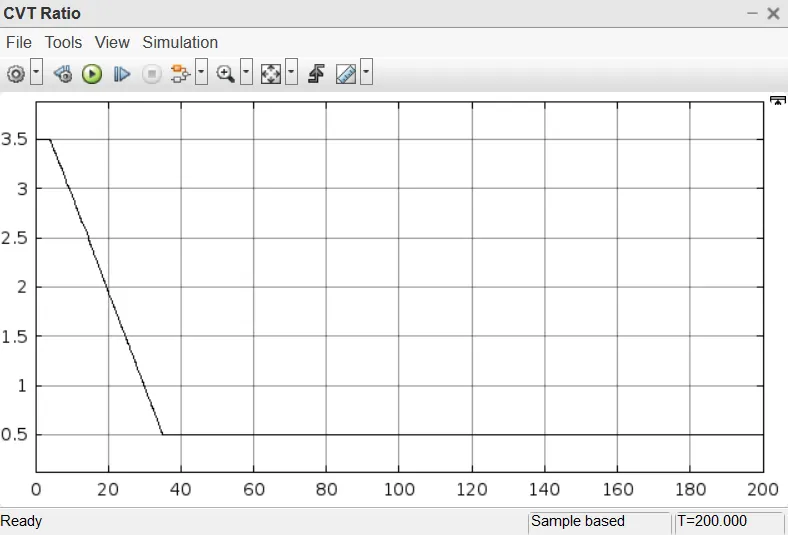
cvt ratio::
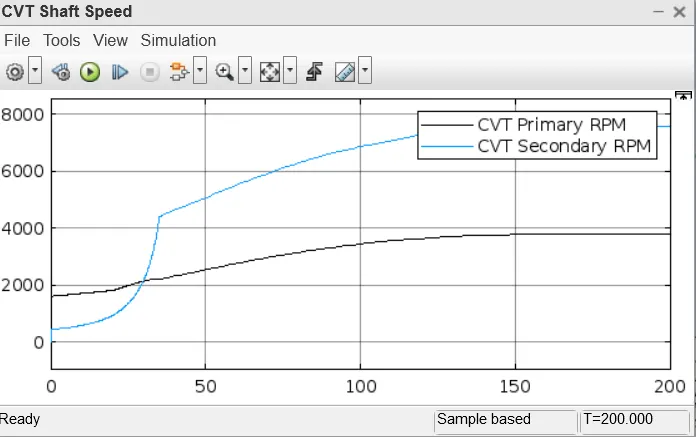
cvt shaft speed::
BAJA ATV model with Mapped Lookup Table with Dashboard -
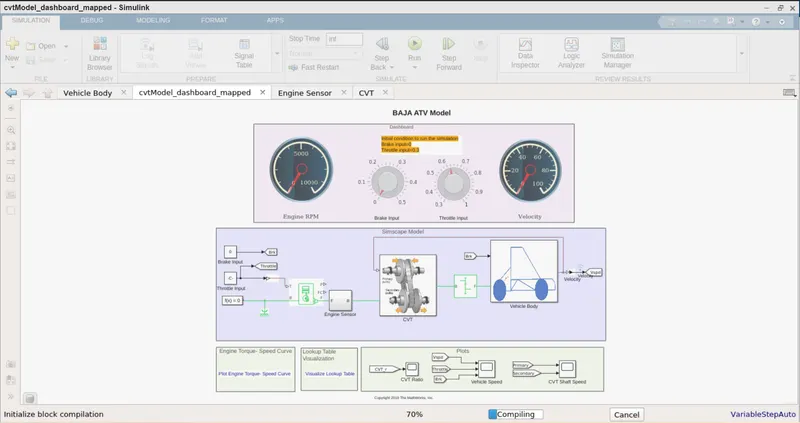
Model -
The filename for this model is "cvtModel_dashboard_mapped.slx".
- Working -
- The working is same as of working of BAJA ATV model with Mapped Lookup Table without Dashboard.
- The difference here is that the input is provided by using knob.
- Gear Ratio is 12.
- Results -
The simulation time for this model is infinity.
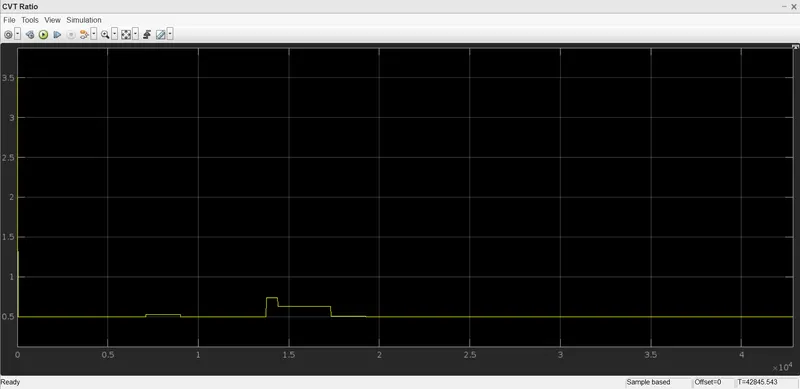
cvt ratio::
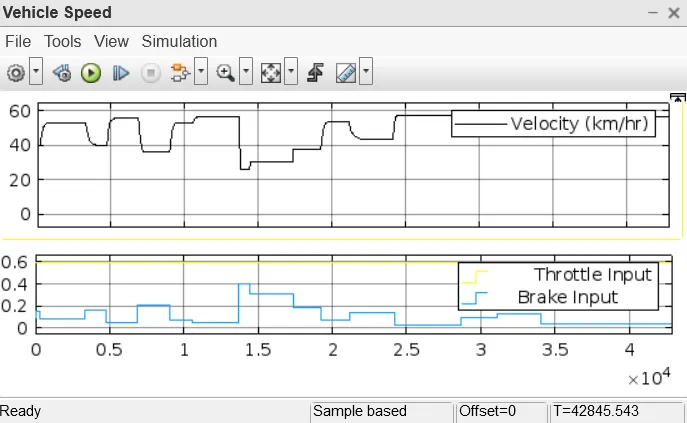
vehicle speed::
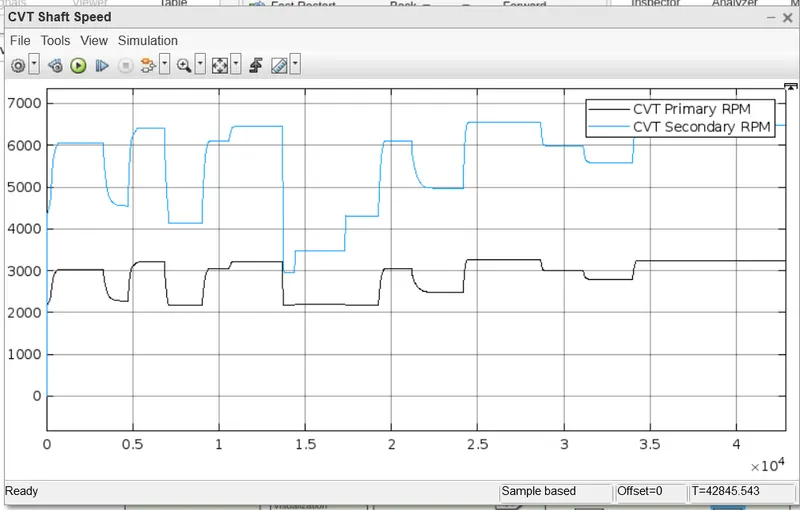
cvt shaft speed::
Observations -
- When the throttle is being increased, the CVT Ratio reaches the state where engine speed is maximum.
- When the throttle is being decreased the CVT ratio will move towards where the minimum engine speed state.
- While the braking is applied, the CVT Ratio increases so that it can achieve the nearest state of Minimum Engine Speed.
- When the braking is removed, the CVT Ratio decreases so that it achieve the state of Maximum Engine Speed.
References -
- Model Link - https://www.mathworks.com/matlabcentral/fileexchange/70576-baja-all-terrain-vehicle-atv-model
- MATLAB HELP.