Project-1: Powertrain for aircraft in runways
Question 1:
Types of weights for aircrafts:
The weight of the aircraft is needed to be calculated by the pilot for every flight to ensure the aircraft remains within the weight limitations set by the manufacturer. These limitations are to ensure the aircraft is able to perform and recover from all flight maneuvers and withstand structural loading. Different types of weights are as follows:
1)Standard Empty Weight: The weight of an empty airplane including unusable fuel, full operating fluids (hydraulic fluids) and full engine oil.
2)Basic Empty Weight: Standard Empty Weight plus optional equipment. This is the starting point of weight and balance calculations.
3)Useful Load: Useful load is total usable fuel, cargo, passengers, and drainable fuel.
Equation: Maximum Ramp Weight - Basic Empty Weight = Useful Load
4)Payload: This one is simple. Think of payload as what's "paying" for the flight: passengers, bags, and cargo. It's how much weight you can carry besides basic empty weight and fuel.
5)Maximum Ramp Weight (Taxi Weight): This is the maximum allowable weight mass for ground operations. MRW assures acceptable ground maneuverability and includes fuel for taxi, run-up and start.
6)Maximum Takeoff Weight (MTOW): Maximum allowable mass for the initiation of a takeoff roll. Depending on how big your airplane is, you may have a variety of MTOWs limited by: structural limitations, runway distance, climb performance, or landing weight limits.
7)Minimum Flight Weight (MFW): Minimum certificated weight for flight as limited by aircraft strength and airworthiness requirements. This weight has a lot to do with the balance of weight considering fuel/payload distribution.
8)Maximum Landing Weight (MLW): Maximum landing weight is usually a structural limit, but may include calculations based on missed approach climb performance.
List of Aircrafts and their weights are as follows:
| Aircraft | Empty Weight | Max Fuel Weight | Max Cargo Weight | Max Gross Takeoff Weight |
|---|---|---|---|---|
| Antanov AN-225 | 628,000 lbs 285,000 kg |
661,400 lbs 300,000 kg |
417,000 lbs 190,000 kg |
1,411,000 lbs 640,000 kg |
| Airbus A380-800 | 611,000 lbs 277,000 kg |
560,000 lbs 254,000 kg |
185,000 lbs 84,000 kg |
1,268,000 lbs 575,000 kg |
| Boeing 747-800 | 485,300 lbs 220,100 kg |
427,400 lbs 194,000 kg |
295,000 lbs 134,000 kg |
987,000 lbs 447,700 kg |
| Airbus A340-500 | 370,000 lbs 168,000 kg |
386,300 lbs 175,000 kg |
119,000 lbs 54,000 kg |
820,000 lbs 372,000 kg |
| Boeing 777-300ER |
370,000 lbs 168,000 kg |
320,800 lbs 145,500 kg | 148,000 lbs 67,100 kg |
776,000 lbs 352,000 kg |
| Boeing 787-10 | 299,000 lbs 135,500 kg | 223,500 lbs 101,500 kg |
126,300 lbs 57,300 kg | 560,000 lbs 254,000 kg |
| Boeing 737-900 | 98,500 lbs 44,700 kg |
53,100 lbs 24,000 kg |
44,600 lbs 20,200 kg |
187,000 lbs 85,000 kg |
| Airbus A320-100 | 93,900 lbs 42,600 kg |
48,700 lbs 22,100 kg |
44,000 lbs 20,000 kg |
150,000 lbs 68,000 kg |
| Embraer 190 | 63,500 lbs 28,800 kg |
28,600 lbs 13,000 kg |
28,800 lbs 13,100 kg |
106,000 lbs 48,000 kg |
| Gulfstream G650 | 54,000 lbs 24,500 kg | 48,200 lbs 21,900 kg | 6,500 lbs 3,000 kg |
100,000 lbs 45,200 kg |
| Bombardier CRJ900 | 48,160 lbs 21,850 kg | 19,600 lbs 8,900 kg | 6,075 lbs 2,760 kg | 80,500 lbs 36,500 kg |
| Bombardier Q400 | 39,300 lbs 17,800 kg |
11,700 lbs 5,300 kg |
18,700 lbs 8,500 kg |
62,000 lbs 28,000 kg |
| Learjet 75 | 13,900 lbs 6,300 kg | 6,060 lbs 2,750 kg |
2,900 lbs 1,300 kg |
21,500 lbs 9,700 kg |
| Cessna Citation CJ4 | 10,300 lbs 4,700 kg | 5,800 lbs 2,650 kg |
2,200 lbs 1,000 kg | 17,200 lbs 7,800 kg |
| Beechcraft King Air B100 | 7,100 lbs 3,200 kg | 3,200 lbs 1,450 kg |
4,150 lbs 1,900 kg |
12,000 lbs 5,400 kg |
| Diamond DA50 RG | 3,200 lbs 1,450 kg |
340 lbs 155 lbs |
1,250 lbs 560 kg |
4,400 lbs 2,000 kg |
| Beechcraft Bonanza G36 | 2,500 lbs 1,150 kg | 450 lbs 200 kg |
850 lbs 385 kg |
3,660 lbs 1,660 kg |
| Cessna 206H | 2,200 lbs 990 kg |
520 lbs 235 kg |
1,150 lbs 520 kg |
3,600 lbs 1,630 kg |
| Sirrus SR22 | 2,250 lbs 1,000 kg | 485 lbs 220 kg |
950 lbs 430 kg |
3,600 lbs 1,630 kg |
| Cessna 172R | 1,700 lbs 770 kg |
380 lbs 170 kg |
560 lbs 255 kg |
2,425 lbs 1,100 kg |
This is about the different aircrafts and their weights.
Question 2:
Difference between ground speed and air speed:
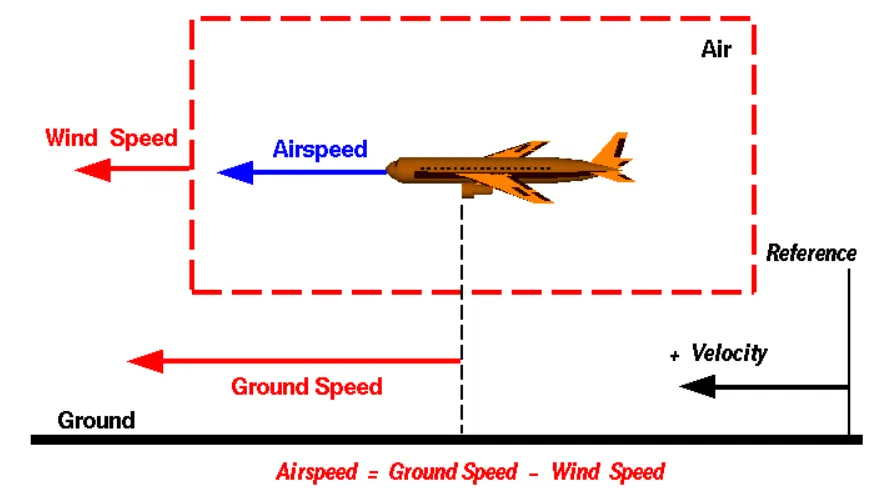
Wind Speed: For a reference point picked on the ground, the air moves relative to the reference point at the wind speed. Notice that the wind speed is a vector quantity. Direction is important. A 20 mph wind from the west is different from a 20 mph wind from the east. The wind has component in all three primary directions (north-south, east-west, and up-down). In this figure, we are considering only velocities along the aircraft's flight path. A positive velocity is defined to be in the direction of the aircraft's motion. Neglecting the cross winds, which occur perpendicular to the flight path but parallel to the ground, and updrafts and downdrafts, which occur perpendicular to the ground.
Ground Speed: For a reference point picked on the ground, the aircraft moves relative to the reference point at the ground speed. Ground speed is also a vector quantity so a comparison of the ground speed to the wind speed must be done according to rules for vector comparision.
Airspeed: The important quantity in the generation of lift is the relative velocity between the object and the air, which is called the airspeed. Airspeed cannot be directly measured from a ground position, but must be computed from the ground speed and the wind speed. Airspeed is the vector difference between the ground speed and the wind speed.
Airspeed = Ground Speed - Wind Speed
On a perfectly still day, the airspeed is equal to the ground speed. But if the wind is blowing in the same direction that the aircraft is moving, the airspeed will be less than the ground speed.
Hence,Ground speed, on the other hand, is the aircraft’s speed relative to the ground. One thing that should be noted here is that it’s its horizontal rather than vertical speed – an aircraft climbing completely vertically would have a ground speed of zero.
In other words, while airspeed is what determines whether there is enough airflow around an aircraft to make it fly, ground speed is what determines how fast an aircraft will get to its destination.
Question 3:
Aircraft engine not used at the ground:
It is not recommended to use aircraft engine power to move an airplane on the ground at an airport because it can cause damage to the engines and increase wear and tear on the airplane's wheels and brakes. Additionally, using the engines to move the airplane on the ground can be quite loud and disruptive to airport operations. Instead, ground vehicles, such as tugboats, are typically used to move airplanes around the airport.
The risks which may arise from engine ground running relate to the potential for loss of control of the aircraft by those persons occupying the pilot seats in the flight deck. Unwanted consequences from such static running are mainly related to those arising from the unintended movement of the aircraft during engine running - effectively a loss of control - especially during high power engine running. Damage can occur to the aircraft itself, other aircraft nearby or to airside structures. In addition, there is a risk of injury to ground support personnel who may be in relatively close proximity to the aircraft.
The thrust to propel the aircraft forward comes from its propellers or jet engines. Steering is achieved by turning a nose wheel or tail wheel/rudder; the pilot controlling the direction travelled with their feet. The use of engine thrust near terminals is restricted due to the possibility of jet blast damage. This is why the aircrafts are pushed back from the buildings by a vehicle before they can start their own engines for taxiing.
Aircraft towing equipment is typically used for the towing and pushback process to avoid some of the significant hazards posed by aircraft engines. When an aircraft's engine is activated, the thrust can create a high-speed wind that can easily cause damage to the airport terminal, surrounding ground vehicles, jetway, baggage and most importantly, ground personnel.
Suppressing the use of engines is especially important when towing a large aircraft, as their more powerful thrust capabilities can become exceedingly dangerous. Engine thrust can easily send any loose items airborne, turn the tiniest grains of dust into hazardous projectiles and create debris that can cause damage to multi-million dollar engines. Additionally, aircraft engines consume a great deal of fuel and generate extreme noise that can be harmful to ground personnel. Using a pushback tug for aircraft is simply a more economical and safer option than running the engines.
Qustion 4:
Aircraft is pushed to runway :
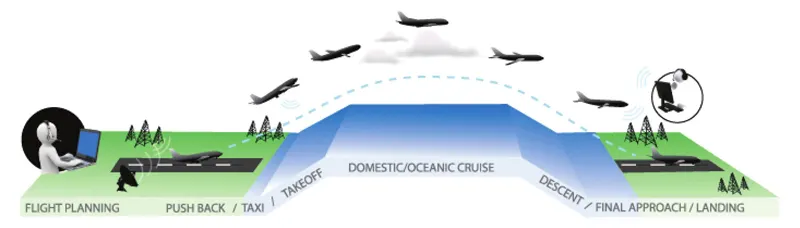
Airplanes have engines, and they can use them to move forward along the ground. So they push themselves to the runway.It is true that most of the time, a small vehicle is needed to push the larger commercial airplanes backwards away from the terminal building, because even if a plane can reverse it’s thrust, it’s not always safe to hit the buildings with that reverse thrust. So the little trucks push the bigger planes back away from the buildings, but after that, the planes can apply a small amount of engine power to roll forward just as all airplanes can.Aircraft push themselves to the runway.
Pushback means the movement of an aircraft from a nose-in parking stand using the power of a specialised ground vehicle attached to or supporting the nose landing gear. It is commonly the second part of a ‘Taxi In Push Out’ (TIPO) procedure at airport terminal gates and will be necessary to depart from all except self manoeuvring parking stands unless the aircraft type is capable of powerback and local procedures allow this. Occasionally, a pushback may need to be followed by an engines-running pull forward to a position where local procedures allow aircraft to move forward under their own power, but usually, ground vehicle disconnection will occur after the completion of a pushback.
Takeoff is the phase of flight in which an aircraft goes through a transition from moving along the ground (taxiing) to flying in the air, usually starting on a runway. Usually the engines are run at full power during takeoff. Following the taxi motion, the aircraft stops at the starting line of the runway. Before takeoff, the engines, particularly piston engines, are routinely run up at high power to check for engine-related problems. This makes a consid- erable noise. When the pilot releases the brakes, the aircraft starts accelerating rapidly until the necessary speed for take-off is achieved.
The takeoff speed required varies with air den- sity, aircraft weight, and aircraft configuration (flap and/or slat position, as applicable). Air density is affected by factors such as field ele- vation and air temperature.
Question 5:
Take off power, tyre design, rolling resistance, tyre pressure, brake forces when landing:
1)Take off power:
- With respect to reciprocating engines, means the brake horsepower that is developed under standard sea level conditions, and under the maximum conditions of crankshaft rotational speed and engine manifold pressure approved for the normal takeoff, and limited in continuous use to the period of time shown in the approved engine specification; and
- With respect to turbine engines, means the brake horsepower that is developed under static conditions at a specified altitude and atmospheric temperature, and under the maximum conditions of rotor shaft rotational speed and gas temperature approved for the normal takeoff, and limited in continuous use to the period of time shown in the approved engine specification.
In the physics realm Power">Power= Mass x Acceleration x distance/time
To many it means "how much throttle" , which is how much fuel/time.
"Throttle" x prop efficiency = Thrust">Thrust
This gives you a unit of Force that can be directly compared to glide data as follows:
Potential energy Mass x Gravity x altitude loss = Thrust">Thrust x horizontal distance flown
This rearranged to Thrust">Thrust
= Mass x Gravity x altitude loss/horizontal distance flown
Thrust">Thrust
= force required for straight and level flight, expressed in "pounds or Newtons"
So if your plane weighs 10 lb and glides 5:1, you need 2 lb of thrust for straight and level flight.
One would at least double, or even triple this for "takeoff power", depending on your performance preferences. Sufficient "takeoff power" will give a safe climb rate to avoid difficulties with downdrafts.
2) Tyre design:
An aircraft tyre is designed to withstand extremely heavy loads while landing, take off, taxing, and parking. The number of wheels required for aircraft increases with the weight of the aircraft, as the weight of the aeroplane needs to be distributed more evenly.
Carcass plies are used to form the tire. They are sometimes called casing plies. An aircraft tyre is constructed for the purpose it serves.
- They support the weight of an aircraft while it is on the ground.
- It also provides the necessary traction for braking and stopping of an aeroplane.
- Tyre also helps to absorb the shock of landing and provide cushioning the roughness of takeoff, roll-out, and taxi operations.
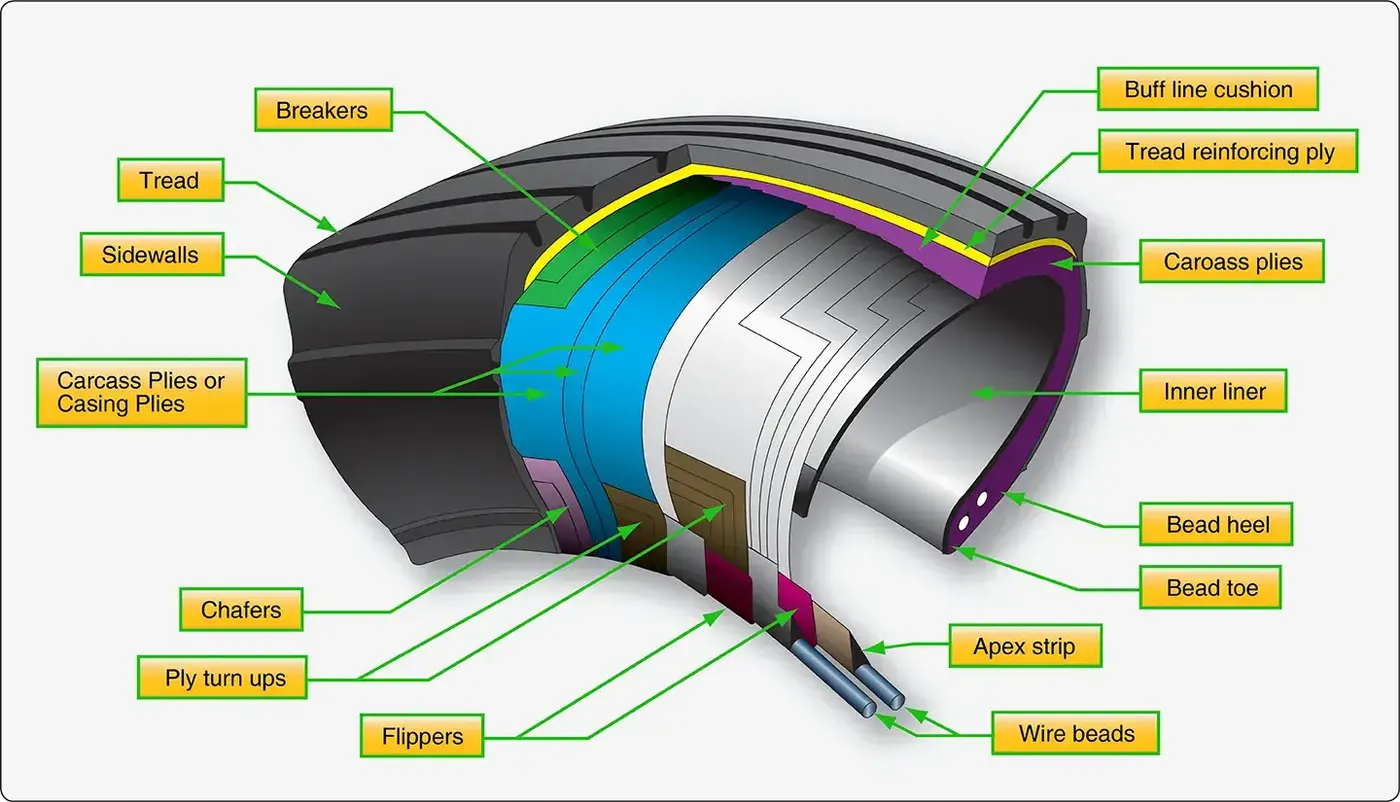
Technical aspects of tire:
Retreading – Retreading is methods of restoring a worn tyre by renewing the tread area or by renewing the tread area plus one or both sidewalls. Repairs are included in the tyre retreading process.
Load Rating – Load rating is the maximum permissible load at a specified inflation pressure.
Ply Rating – Ply Rating is used to identify the maximum recommended load rating and inflation pressure for a specified tyre. It is an index of tyre strength.
Speed Rating – The speed rating is the maximum takeoff speed to which the tyre has been tested.
Skid Depth – Skid depth is the distance between the tread surface and the deepest groove as measured in the mould.
Aircraft tyres must have an approved speed and load rating and have sufficient clearance when retracted through landing gear to allow for tyre growth. Tyre growth is the increase in the size of the tyre due to centrifugal forces at high speed.
Nowadays all airliners are using tubeless tyres. Radial tires are more expensive than bias-ply tyres. Radial tires are in demand because of their lower life cycle cost and long term value.
Today’s tyres are conductive. Aircraft tyres are manufactured with tread rubber with conducting compounds to permit earthing of static charges.Chines are also called deflectors. Chine tyre used on the nose wheel of aircraft, specially fuselage-mounted jet engines. It diverts runway water away from the engine inlets.
Each tyre manufacturer produces their own designs of the tyre with different tread patterns, wear patterns, wear limits etc, and in some cases, different names for the same part of the tyre. But all tyres must meet the approved standards before being accepted by the FAA or CAA.
3) Rolling resistance in aircraft:
Rolling resistance, sometimes called rolling friction or rolling drag, is the force resisting the motion when a body (such as a ball, tire, or wheel) rolls on a surface.
The rolling resistance can be expressed as: Fr = c W
where, Fr = rolling resistance or rolling friction (N, lbf);c = rolling resistance coefficient - dimensionless (coefficient of rolling friction - CRF)
W = m.ag
= normal force - or weight - of the body (N, lbf)
m = mass of body (kg, lb);ag = acceleration of gravity (9.81 m/s2, 32.174 ft/s2)
4)Tyre Pressure:
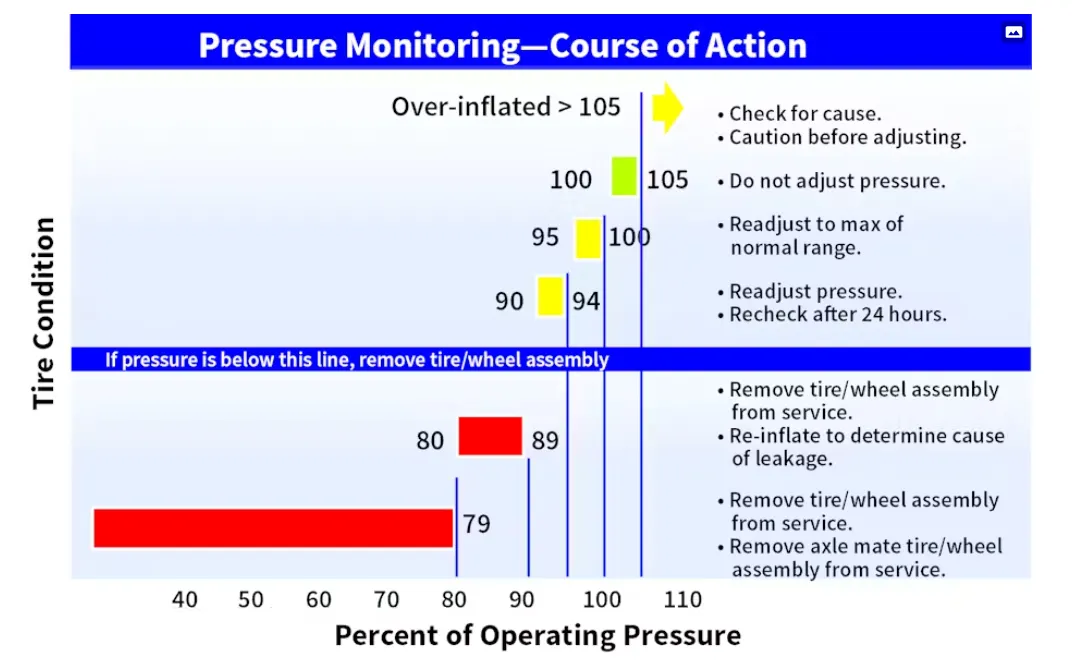
Aircraft tires generally operate at high pressures, up to 200 psi (14 bar; 1,400 kPa) for airliners,and even higher for business jets. The main landing gear on the Concorde was typically inflated to 232 psi (16.0 bar), whilst its tail bumper gear tires were as high as 294 psi (20.3 bar).The high pressure and weight load on the Concorde tyres were a significant factor in the loss of Air France Flight 4590
Tests of airliner aircraft tires have shown that they are able to sustain pressures of maximum 800 psi (55 bar; 5,500 kPa) before bursting.During the tests the tires have to be filled with water, to prevent the test room being blown apart by the energy that would be released by a gas when the tire bursts.
5) Brake force when landing:
On a plane, there are 4 main forces acting on it at all times. These are lift, thrust, drag, and weight. These forces’ values change throughout the flight. Wind speed would put more or less drag, as fuel is used weight is reduced, you can increase and decrease engine thrust, and can change pitch. During takeoff, the forces with the highest values would be thrust and lift, as the plane speeds up and gets off the runway. During landing, the plane is lighter than takeoff and spoilers and airbreaks attempt to create drag and slow the plane.
Braking an aircraft is a challenging job for most of the pilots especially during landing in a rainy and cross wind environment.
-Inorder to encounter this kinds of problem pilots usually make use of spoilers and reverse thust method inorder to have a safe landing so that the energy required to apply brakes on tires can be reduced and henceforth they do not skid.
-Now there is method which determines the brake force for aircrafts and they are as follows:
K=(1/2)m*v^2,where m= mass of aircraft and v=velocity of aircraft.A typical commercial landing speed will range between 150 to 165 MPH.And for passenger flight it is about 166 to 172m.
PART B:
Question 6:
Let us consider the aircraft to be Airbus A320
Airbus A320 specifications:
Maximum ramp weight = 73900Kg
length=37.57m
wing area = 122.6m^2
Tail height=11.76m
width=3.7m
the frontal area of plan=5.07*4.14=20.98m^2
total frontal area of plane = 122.6+20.98=143.58m^2
A320 tow bar tractor specification:
length = 5488mm
width = 2158mm
height=1719mm
weight=4860kg
towing speed = 0.5m/s
frontal area =2158*1719 =3.71m^2
Assumption for aircraft:
coefficient of rolling resistance =0.02
Air density=1.225kg/m^2
coefficient of drag=0.019
Towing time=25sec
Assumption for tow bar tractor:
coefficient of rolling resistance =0.02
Air density=1.225kg/m^2
coefficient of drag=0.2
Towing time=25sec
1)Rolling resistance force = Frr=μrr.m.g
where m=mass;μrr=coefficient of roling resistance;g=acceleration due to gravity
a)aircraft rolling resistance force Fra=0.02*73900*9.81=14499.18N =14.5KN
b) tow bar traction rolling resistance force Frt=0.02*4890*9.81 = 953.53N
2)Aerodynamic drag force Fad=0.5.ρ.A.Cd.v^2
where, ρ= air density,A=frontal area,Cd=coefficient of drag force,v=towing speed
a)aircraft drag force Fada = 0.5*1.225*143.6*0.019*0.5^2=0.417N
b) tow bar tractor drag force Fadt=0.5*1.225*3.71*0.2*0.5^2=0.114N
3) Inertia force F=ma=m(v/t)
a) aircraft inertia force Fa = 73900*(0.5/25)=1478N
b) tow bar tractor force Ft=4860*(0.5/25)=97.2N
Total traction force Ftotal = Fra+Frt+Fada+Fadt+Fa+Ft = 14499.18+953.53+0.417+0.114+1478+97.2=17028.4N =17KN
Power = Ftotal*velocity=17028.4*0.5 =8514.2W=8.5KW
The total power required by the by the tractor to push/pull the aircraft is 8.5KW
The matlab code for the above is as follows:
Output of the code is as follows:
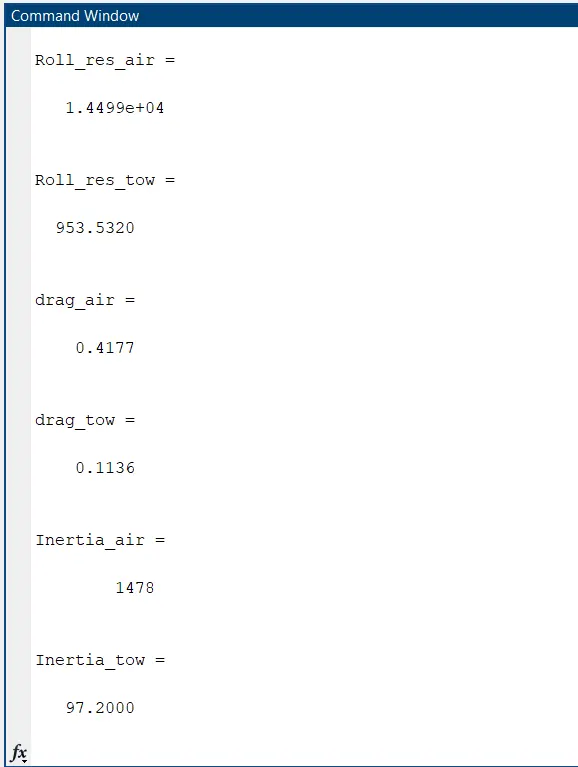
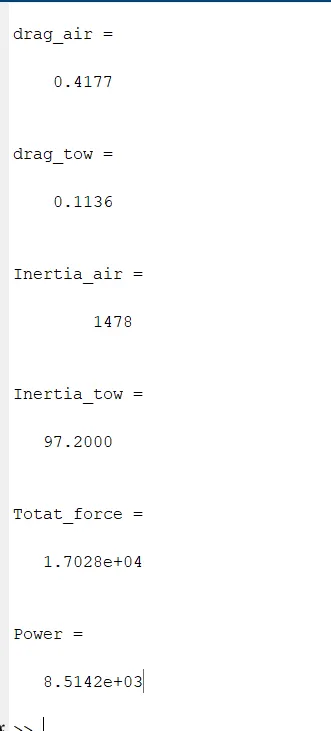
This is about the force and power required by the tractor to move aircraft.
Question 7:
To design a electric powertrain model by using the different parameters of the aircraft:
Block diagram of powertrain:
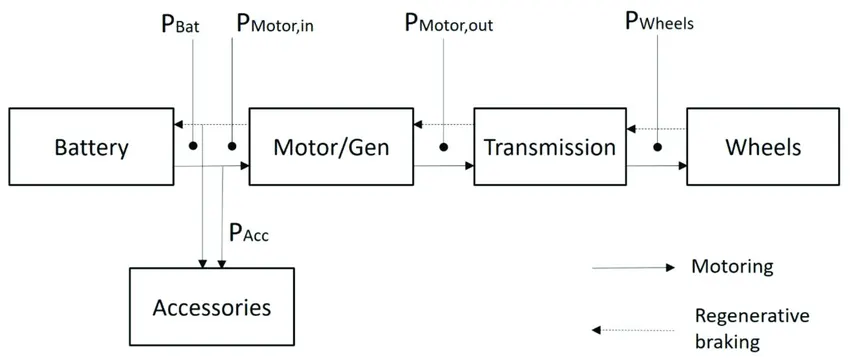
Let us consider the above question parameters to solve this
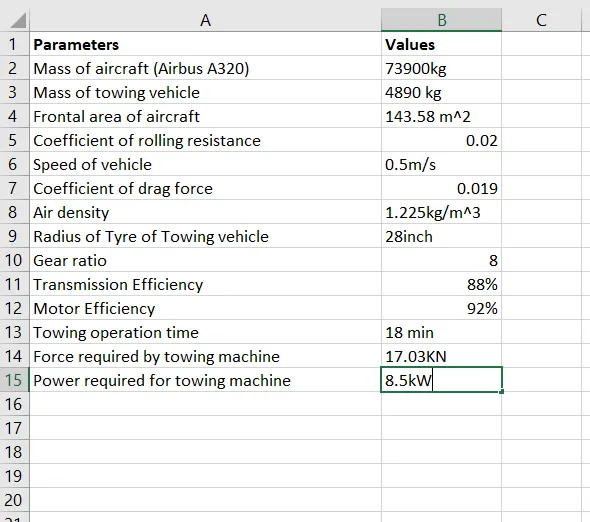
force required for the tarctor to pull/push the aircraft=17.03KN
Power required for the tractor=8.5KW
The radius of the tractor = 28 inch = 0.71m
Gear ratio=8
Transmission efficiency=88%
Motor efficiency=92%
then,
Torque required for the wheels = Total force x radius of wheel = 17.03*0.71= 12.1KNm
motor torque = (wheel torque/(gear torquexefficiency)) = 12.1/(8*0.88) = 1.72KNm
the motor torque required = 1.72/0.92 =1.87kNm
The total power required by the motor considering all the efficiencies (Pt) = 8.5/(0.88*0.92)=10.5KW
Let us consider the towing operation is done for 18min (0.3 hour) duration.
Total energy consumed = 10.5*0.3 =3.15KWh
Let us consider the battery capacity=5KWh is used in the towing tractor.
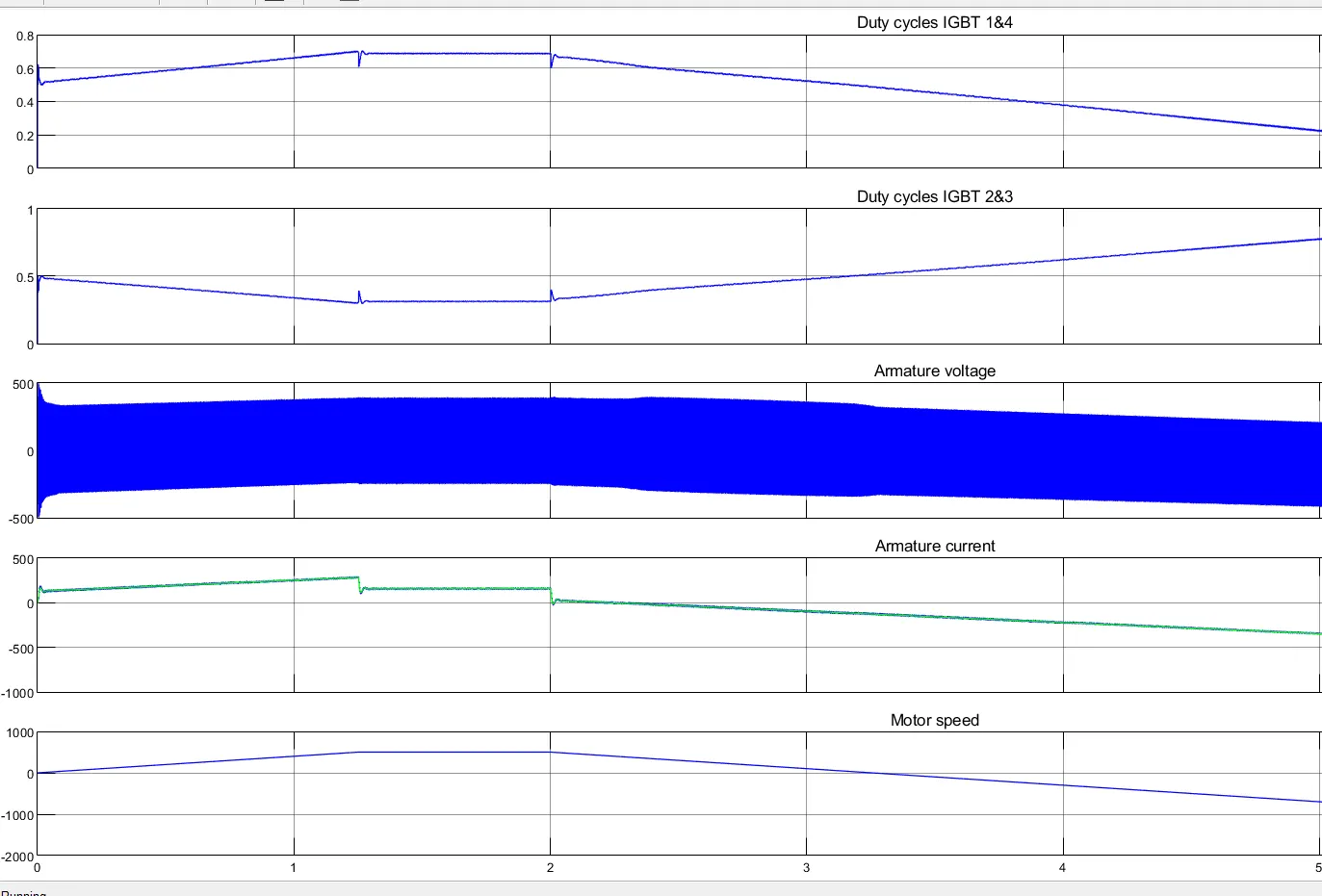
duty cycle (d)=(required power)/(rated power) = 3.15/5 = 0.63
From this it is observed that the controller will be able to provide a duty cycle ranging from 0 to 63% in order to control the towing speed.
Example model :
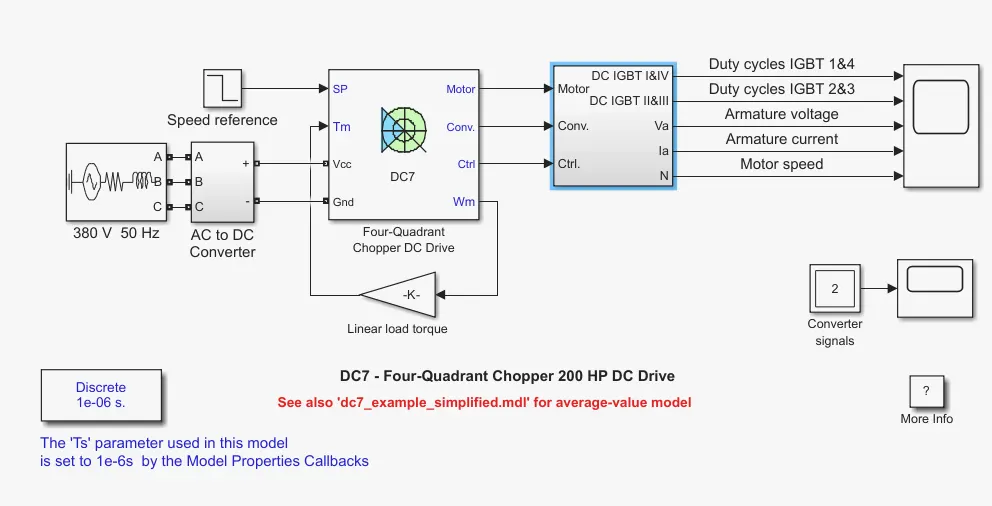
output of the model is a follows:
Parameters in excel sheet: